Hordeum pusillum Nutt.
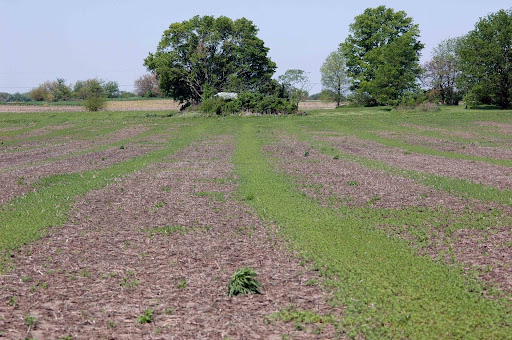
Little barley is a native, clump-forming winter annual grass, distributed across most of the United States and southern Canada. This species is commonly found in fallow crop fields, poorly managed pastures, disturbed soils along roadsides, waste areas, and croplands. Emergence occurs in the fall as well as in the spring. Little barley can be found across many soil types and it grows particularly well in alkaline soils.
This weed has historically been ranked among the 10 most troublesome weeds in pasture and small grains, in the southern states. Its stiff, barbed seedheads can cause eye, mouth, and digestive tract injuries to grazing livestock as well as significantly lowering the value of forage and hay production. Despite its documented presence in winter cereals, no studies have quantified yield loss in crops competing with little barley.
Identifying Features
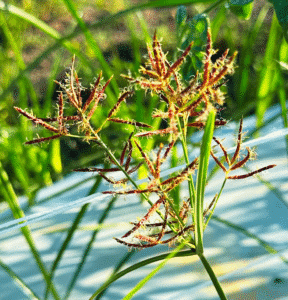
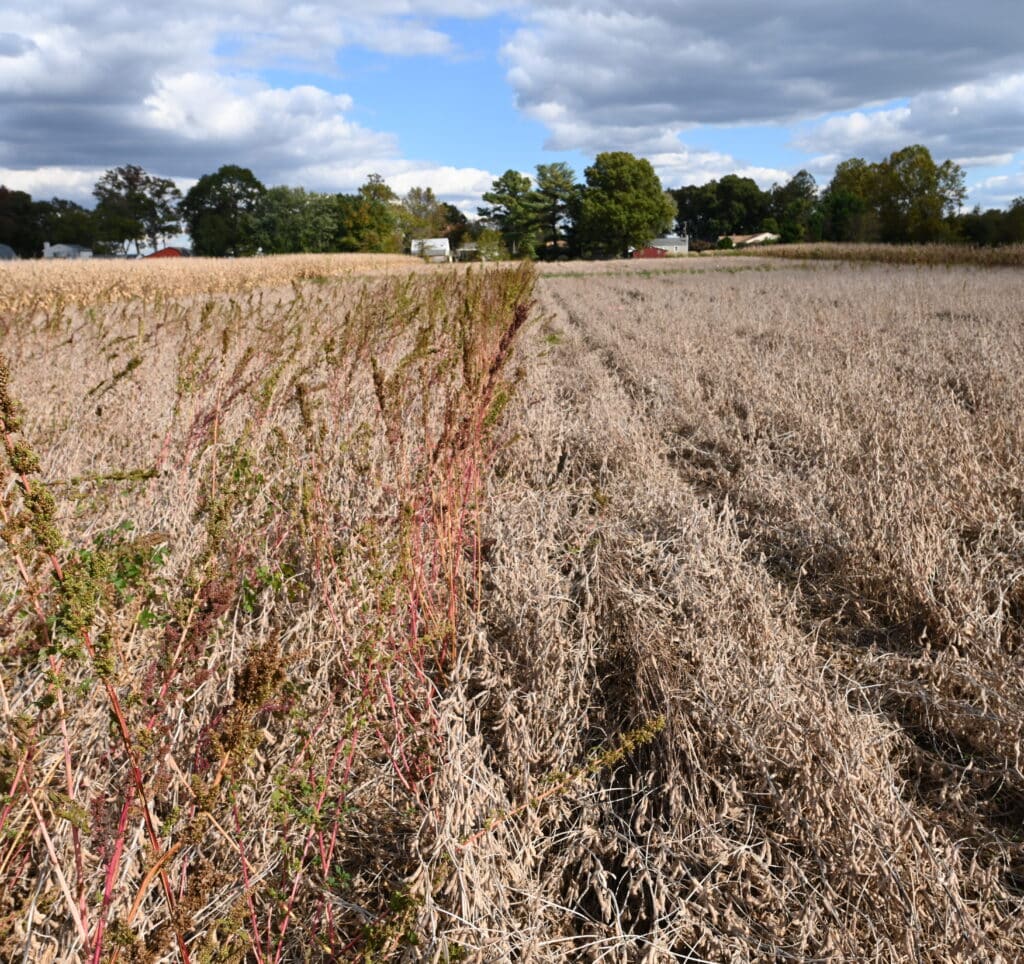
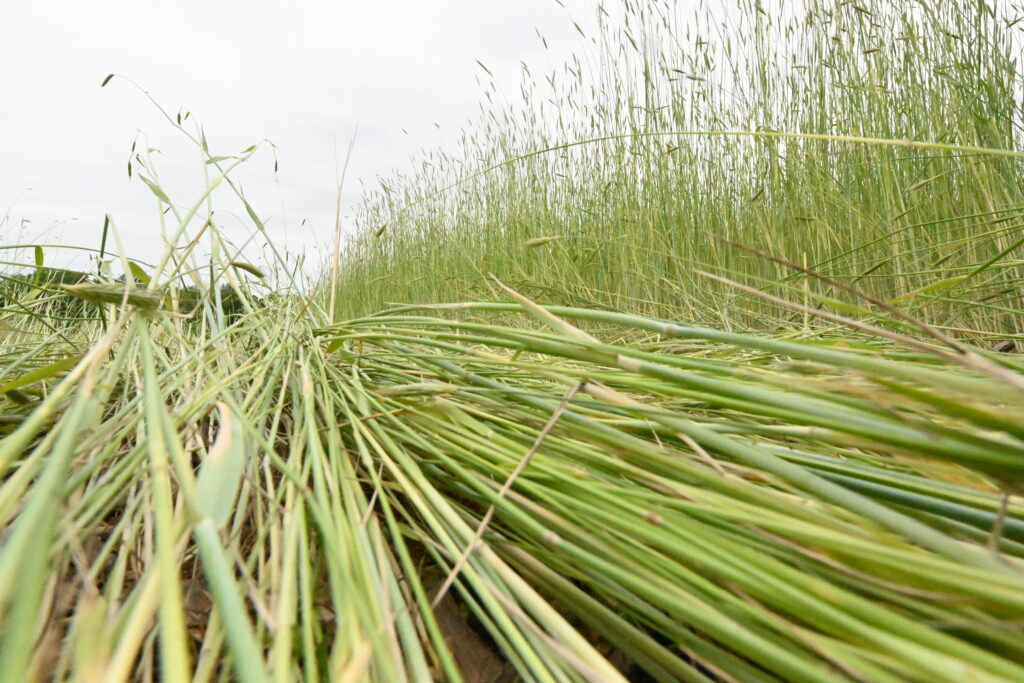
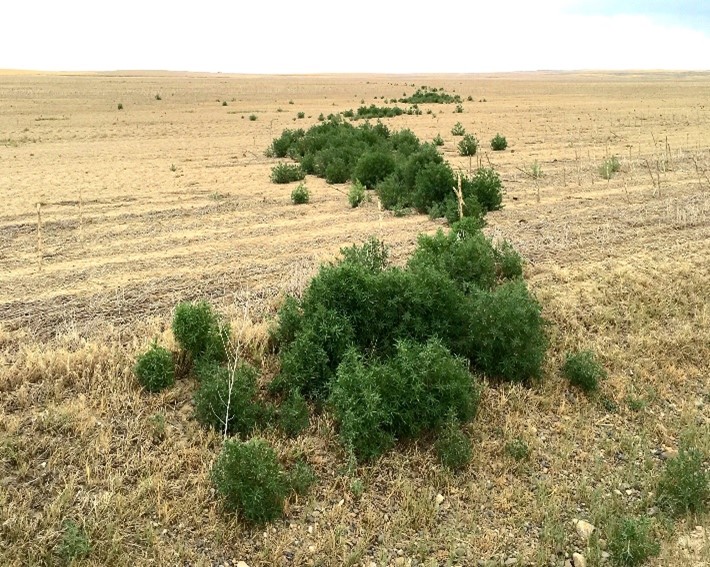
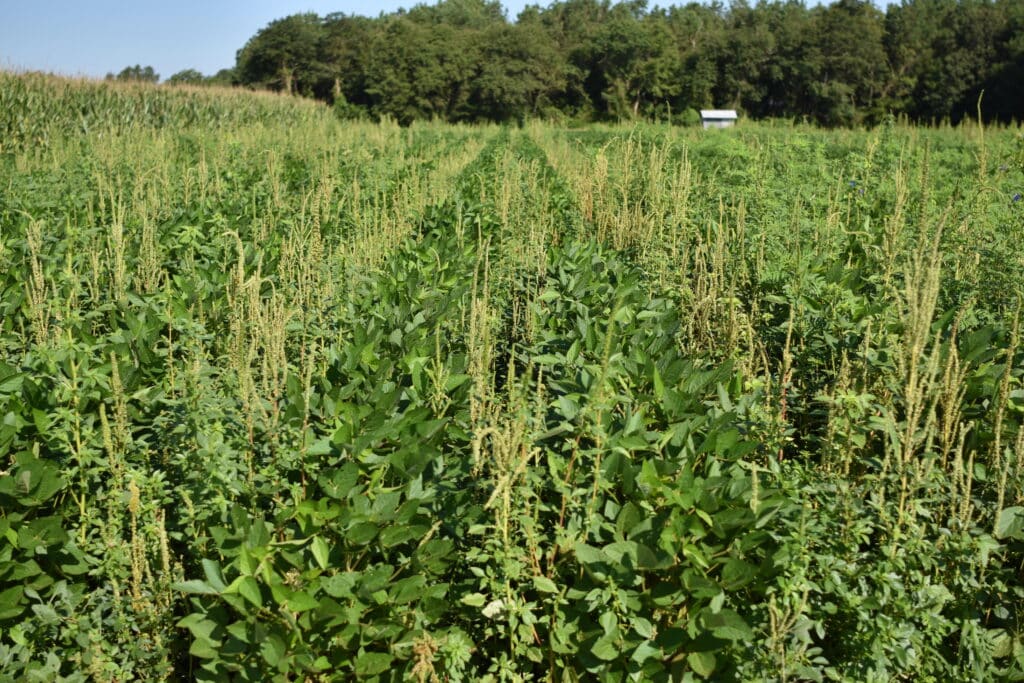
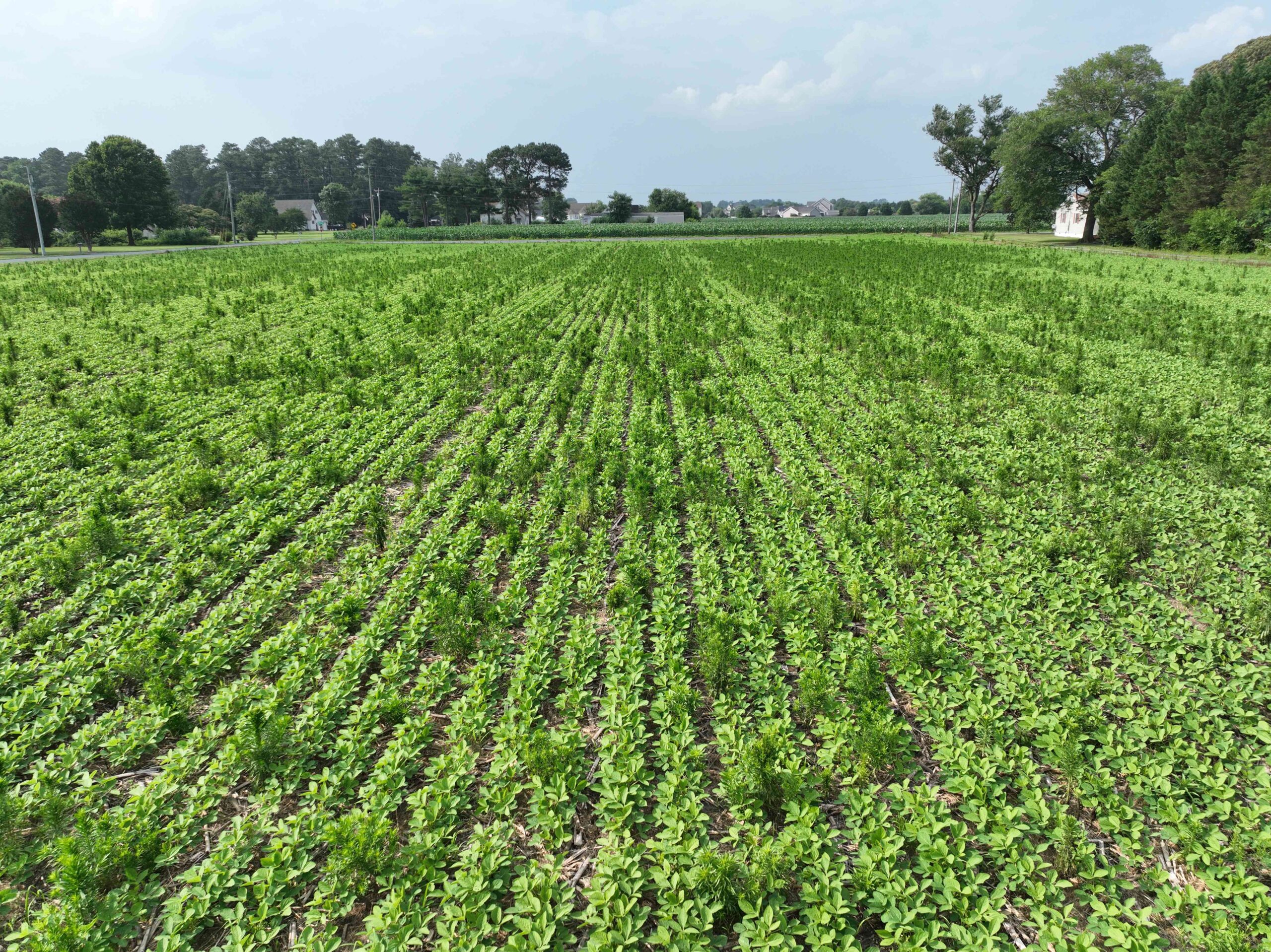
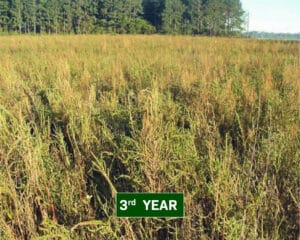
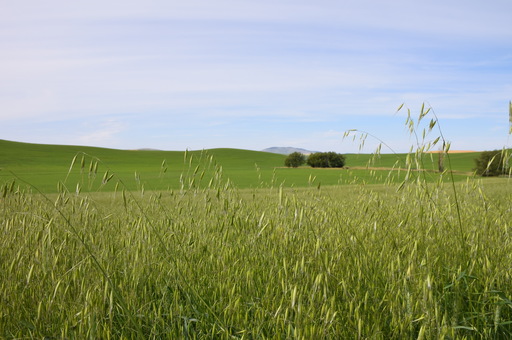
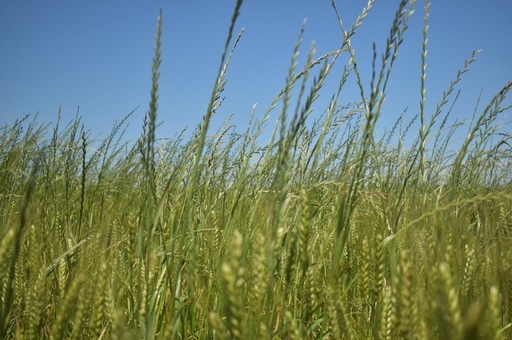
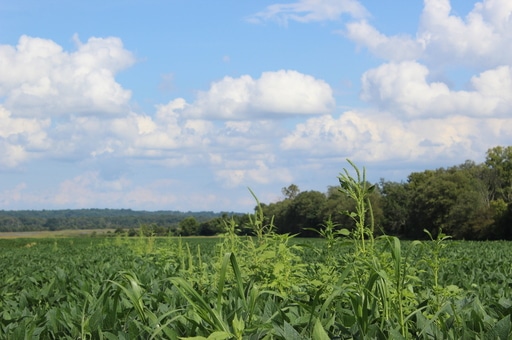
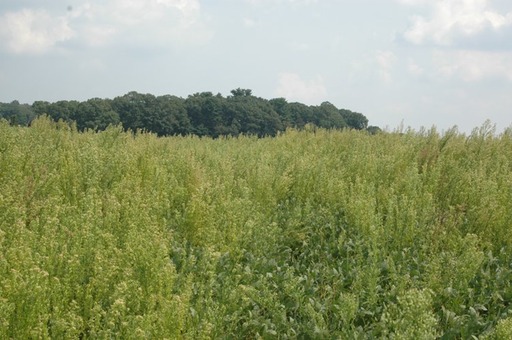
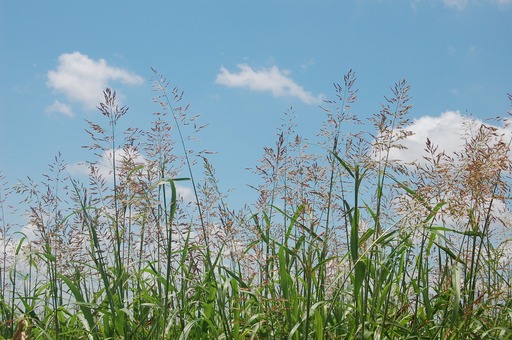
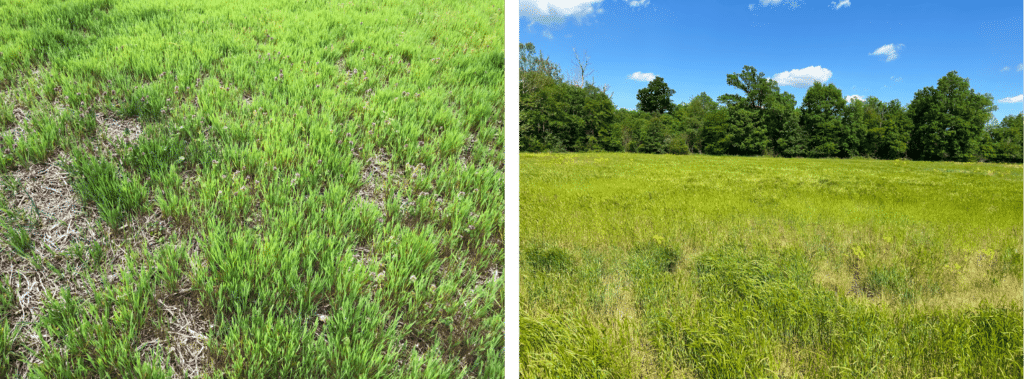
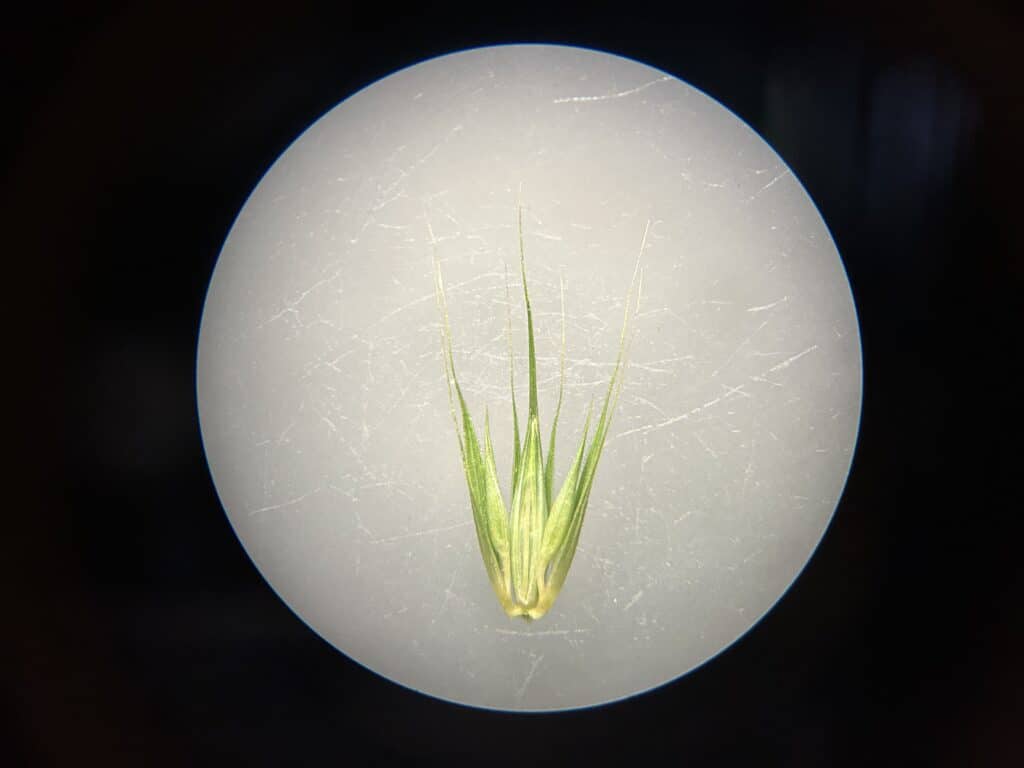
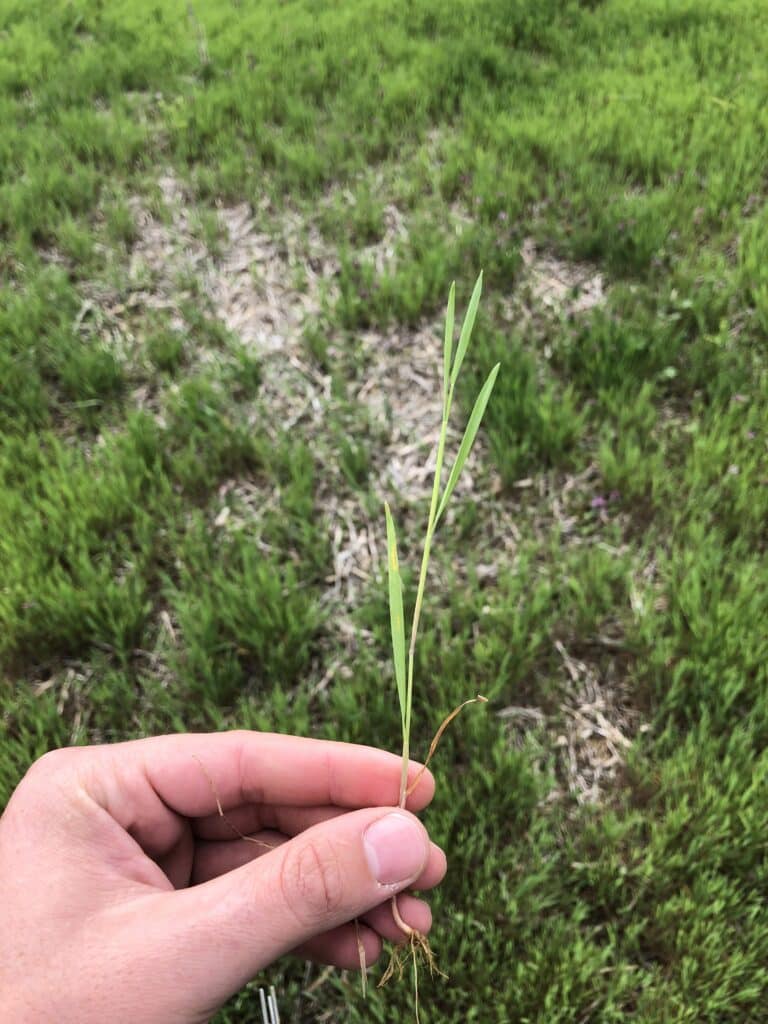
Plants typically grow 5 to 16 inches tall in dense populations (see image above). The seedhead is a 1-to-3-inch long spike, composed of alternating groups of three spikelets. Each group of three spikelets produces one central fertile seed and two lateral sterile florets. Spikelets mature and break off from the top of the spike downward.
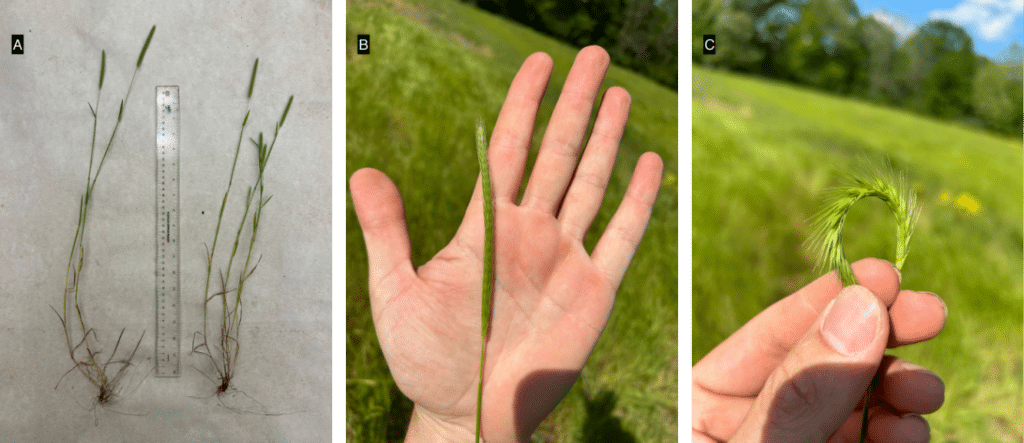
The leaves of little barley are erect and flat, measuring between one-half an inch to nearly 3-inches in length (2 to 7 cm) and less than a quarter inch in width (10 to 14 mm). The lower leaf surface is smooth or slightly hairy, while the upper leaf surface is slightly rough to the touch. The roots are fibrous and shallow, reaching a depth of 6 inches in the soil.
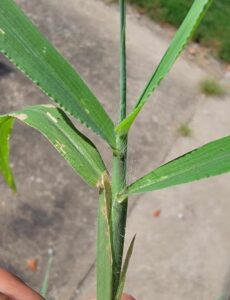
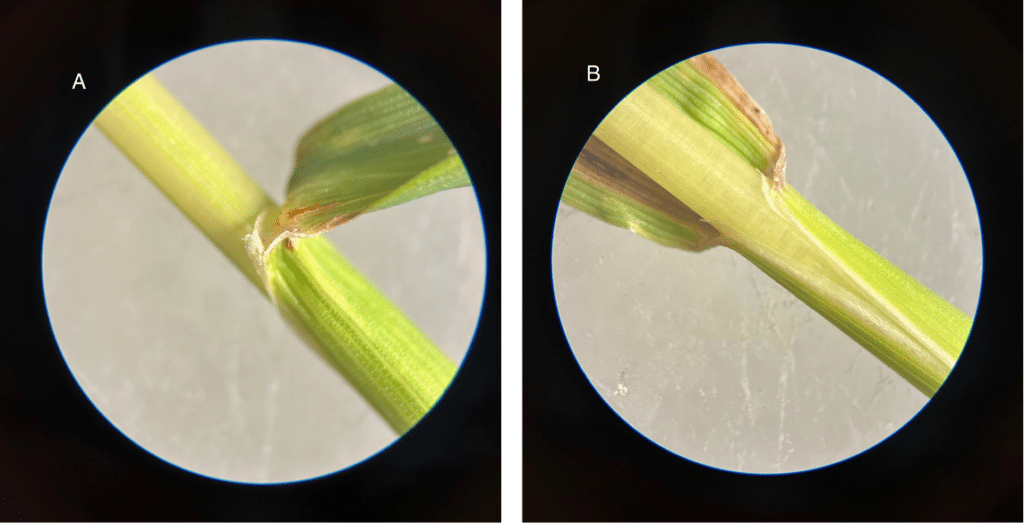
Seedlings have small, truncated membranes called ligules found where the plant’s leaves attach to the stem; these ligules extend upwards 0.2 to 0.6 mm long. The leaf blades are flat or slightly folded. The area where the leaf meets the grass stem (collar region) is hairless, clasping leaf lobes (auricles) are absent, and the leaf sheath is open at the collar region.
Seed Production
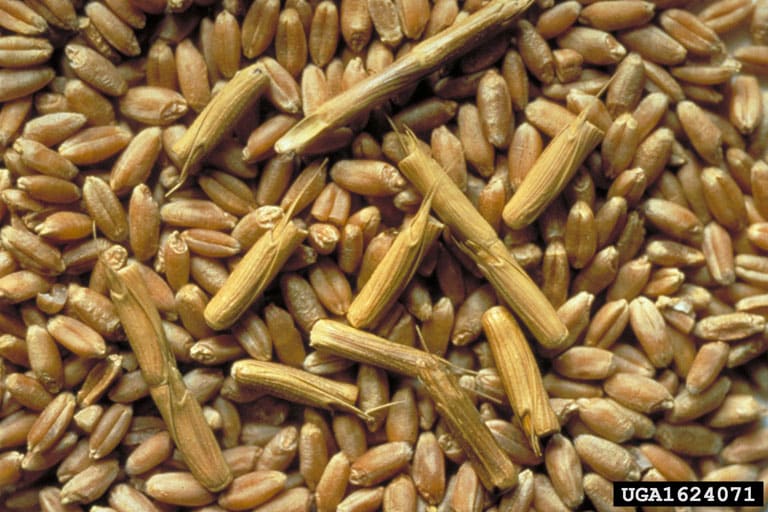
Like other winter annual grasses, little barley seems to require a vernalization period to produce seeds. Plants germinating in the spring are likely to remain in the vegetative stage and not reproduce, while plants that germinate in the fall can produce more than 60 tillers and more than 2,000 seeds per plant. The seed matures relatively quickly, with viable seeds present within 11 days of seedhead emergence. Seeds are relatively small, with about 30,000 seeds making up a pound. The plant has an indeterminate life cycle, meaning that seeds on the spike do not mature uniformly. Seed heads shatter on the ground as they mature, and seed viability in the soil decreases after three years.
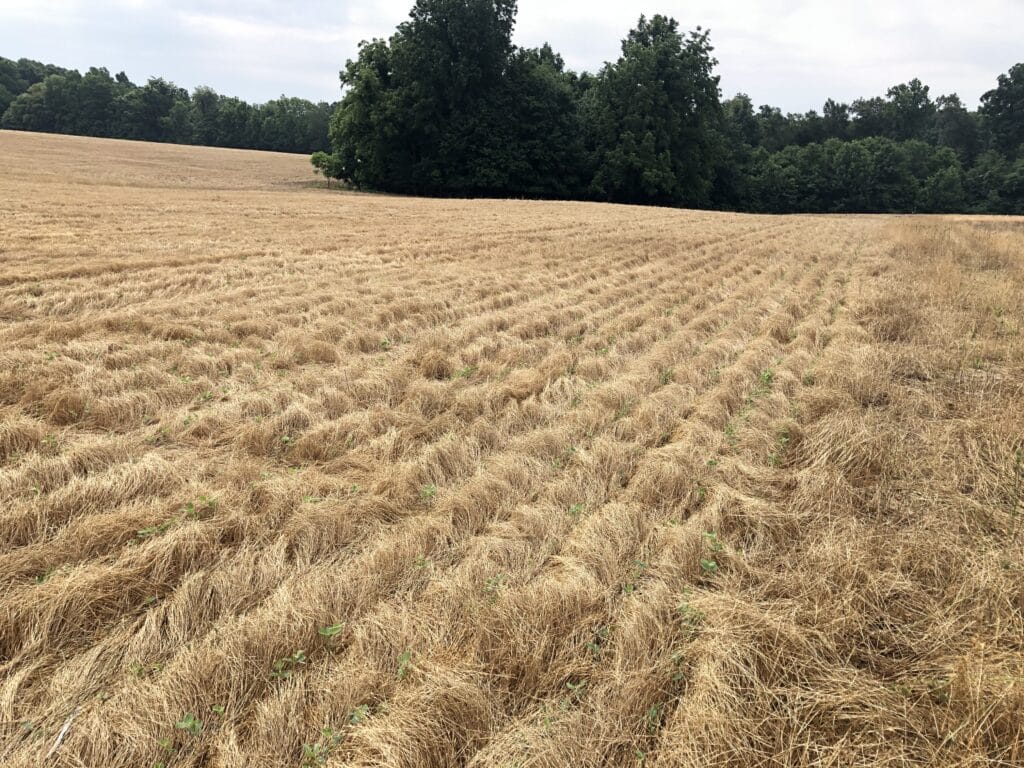
Little barley can produce large amounts of biomass with studies documenting more than 4,900 lbs of dry matter per acre, which can be similar to the biomass of wheat. Little barley biomass can cover around 90% of the soil as early as January and more than 95% by April.
Herbicide Resistance
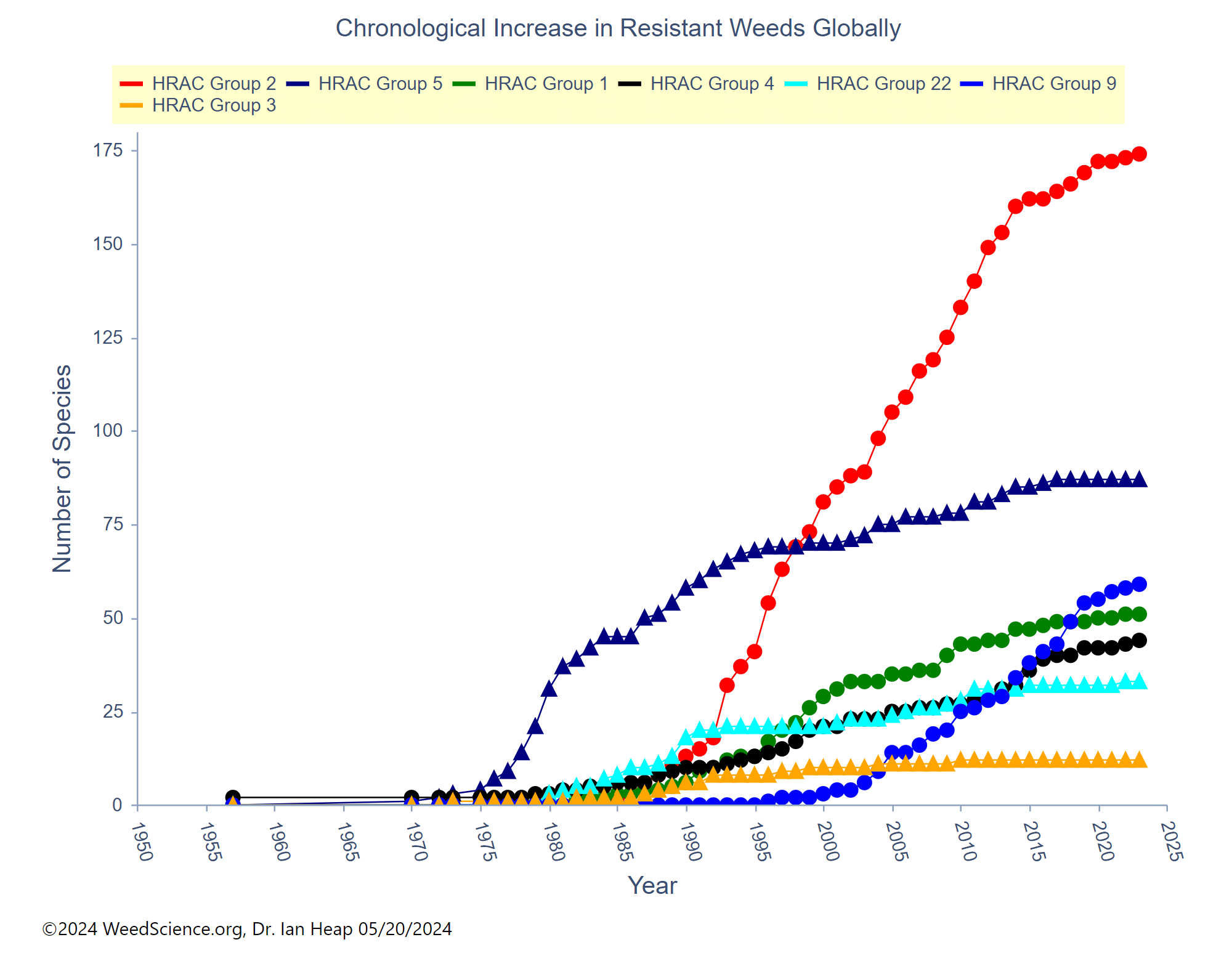
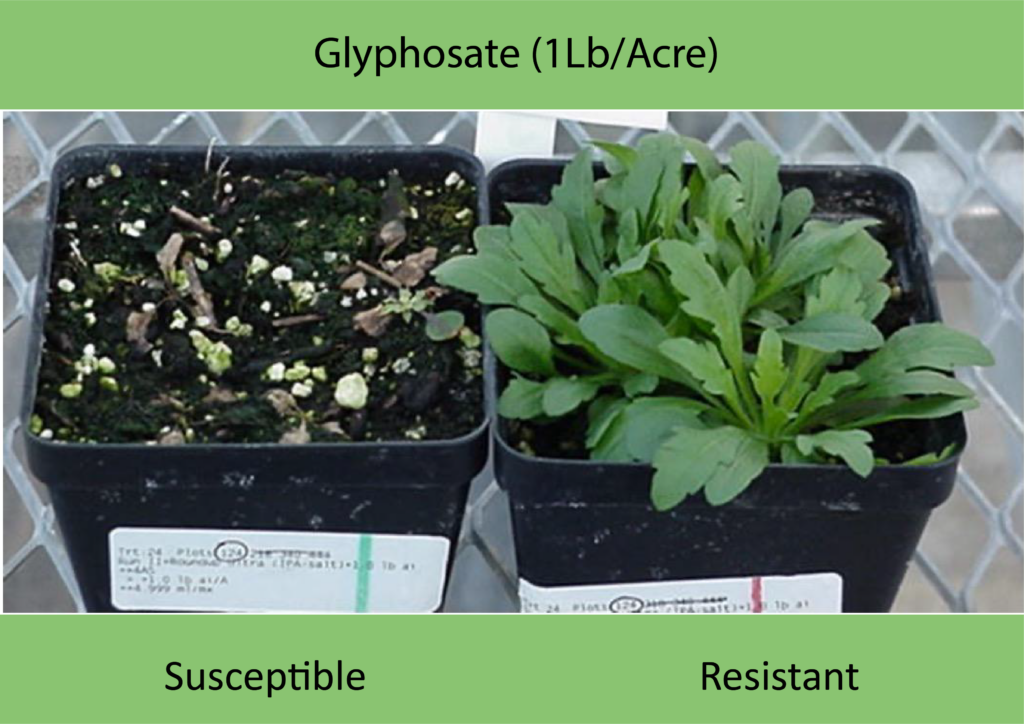
While herbicide resistance has been documented in similar species, foxtail barley (H. jubatum L.) and wall barley (H. murinum L.), there is no documented herbicide resistance in little barley.
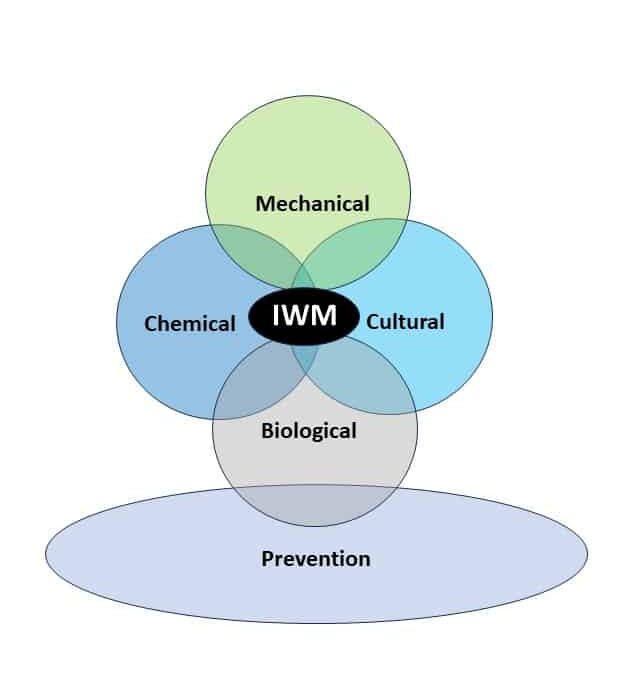
Integrated Weed Management
Cover Crops
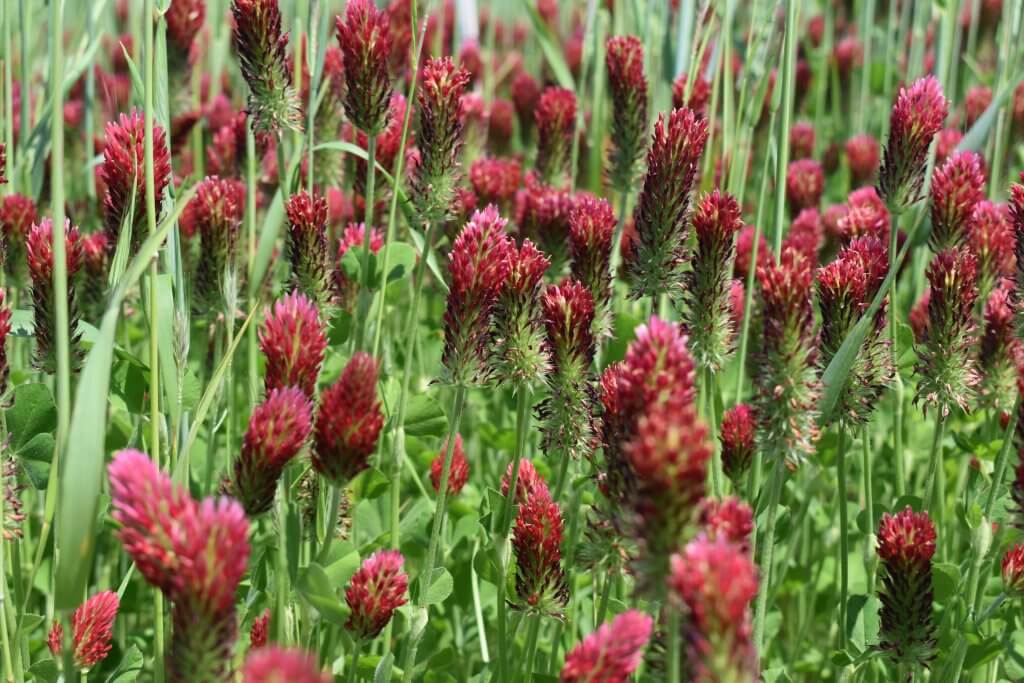
Cover crops have been shown to suppress weeds through competition and indirect effects. Cereal rye mixed with hairy vetch has been shown to reduce winter annual weed biomass by 72%, while some research shows that cereal rye alone may be able to reduce weed biomass by 98%. Research has not specifically investigated the impact of cover crops on little barley.
Crop Rotation
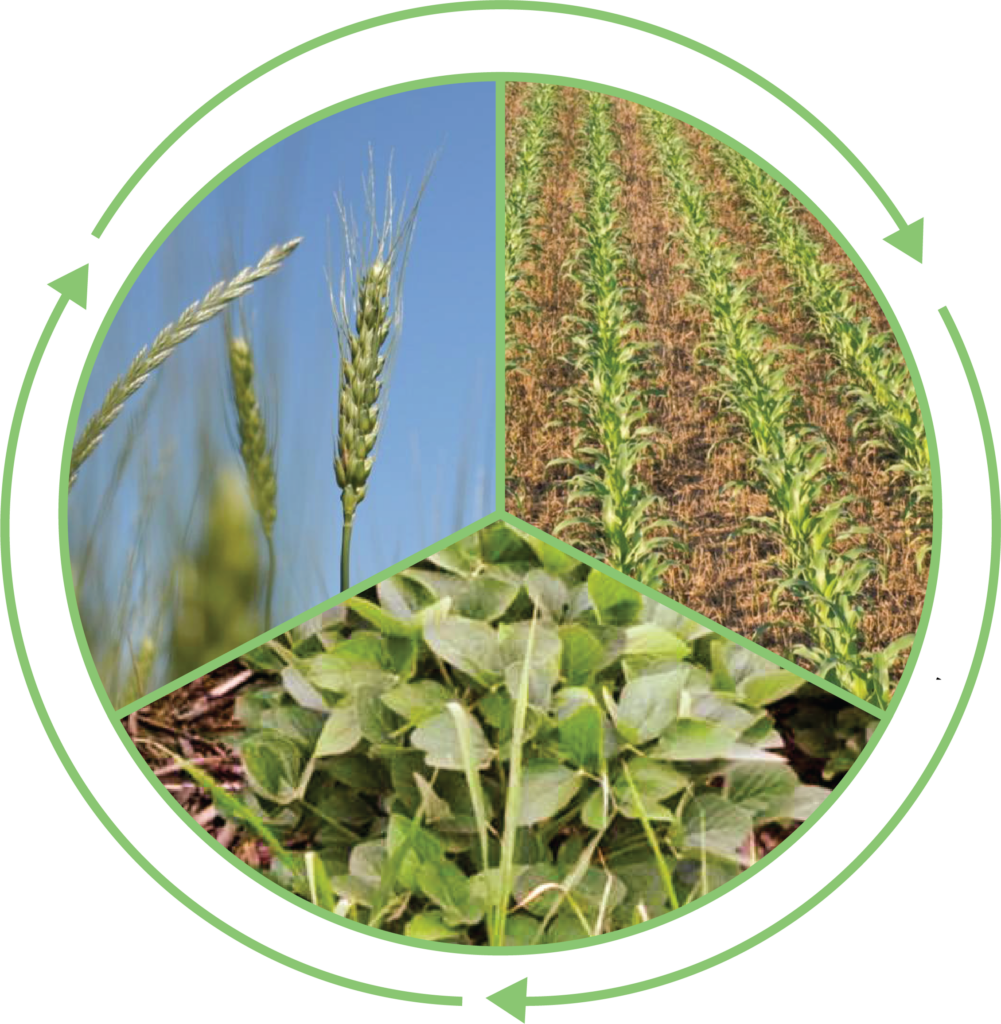
Because little barley is a winter annual grass, it is difficult to selectively manage in winter cereal crops and rotating to a broadleaf winter crop such as canola allows the use of selective grass killer herbicides (Group 1) to control it effectively. Spring rotation of summer annual crops allow fall and winter emerged plants to be controlled by spring tillage or burndown herbicides applied before planting. In forage systems, rotating grass hay and pasture fields to alfalfa allows the rotation of herbicide options.
Mechanical Control
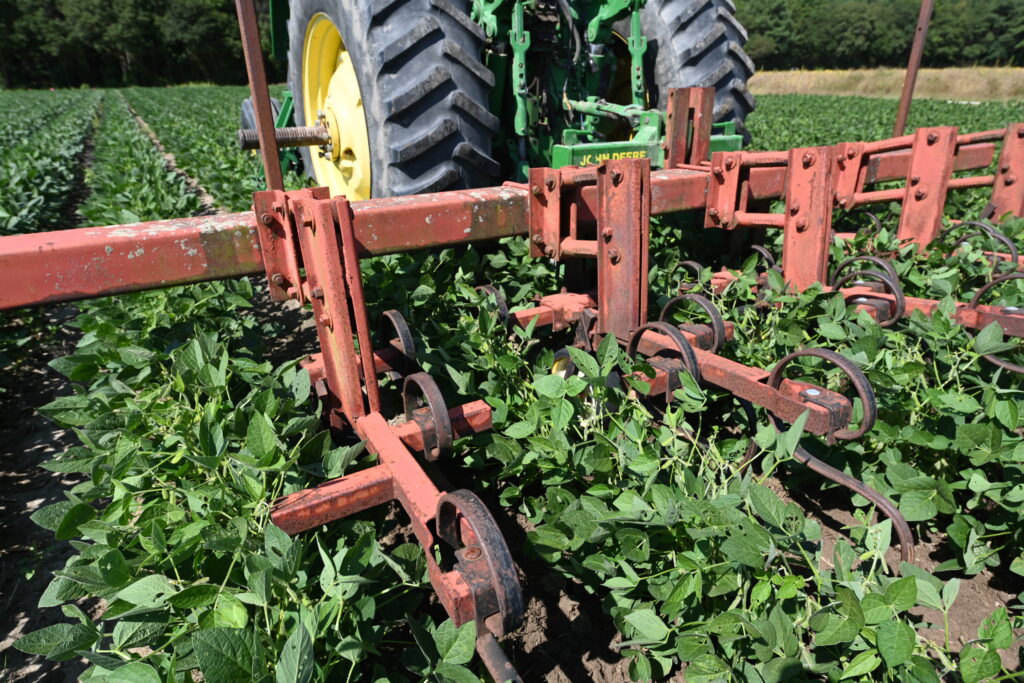
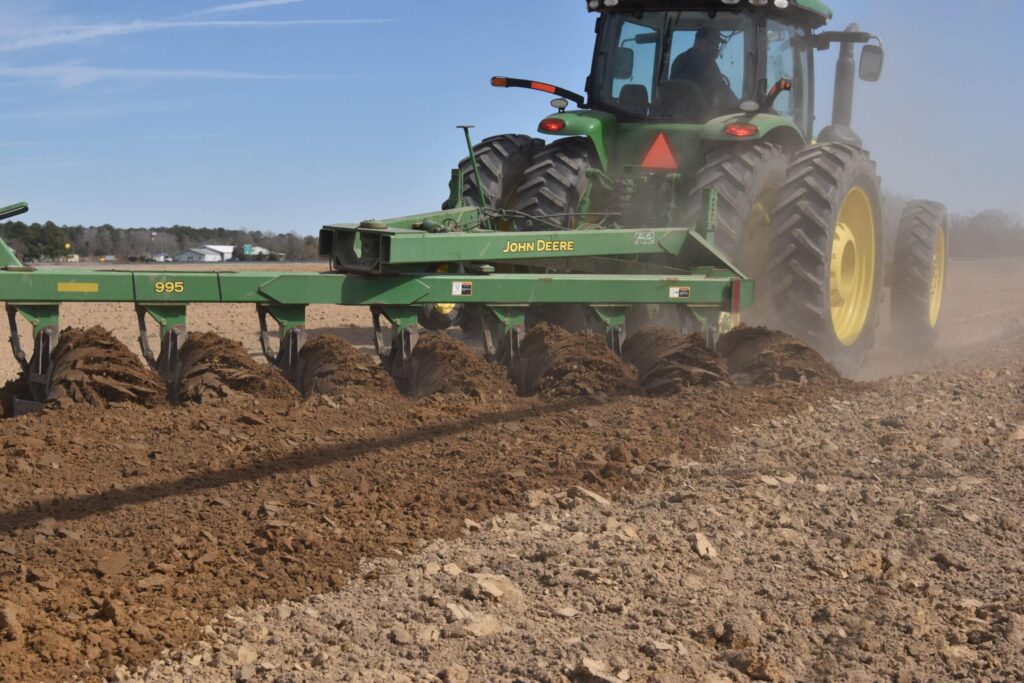
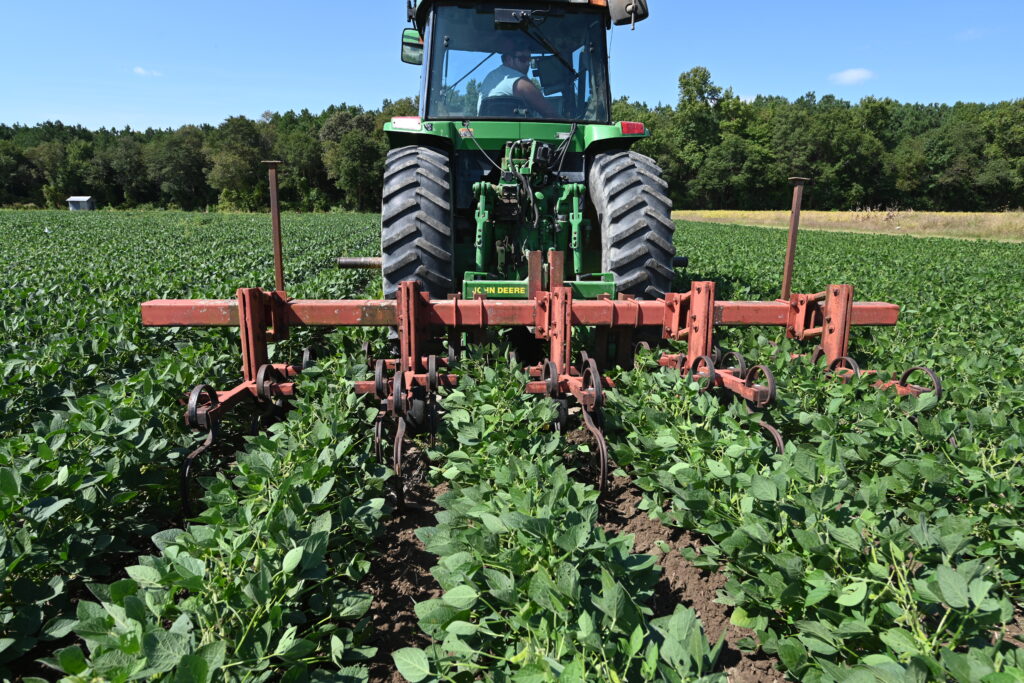
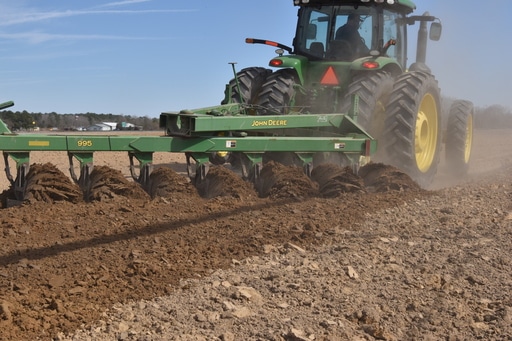
Sequential mowing in pasture generally reduces the competitive ability of weeds, where chemical control and crop rotation become more limited. Mowing can kill or suppress annual weeds by depleting carbohydrate reserves and preventing seed production. Tillage can control little barley and reduce its seedbank when executed before seedheads emerge in early spring, disrupting the plant’s life cycle and preventing seed maturity.
Harvest Weed Seed Control (HWSC)
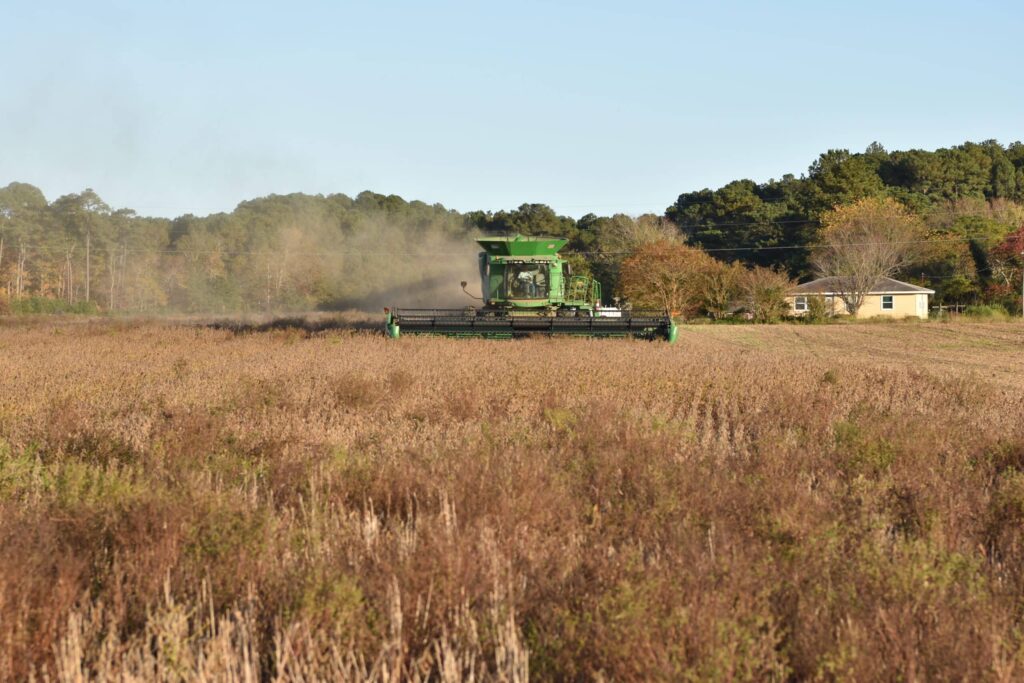
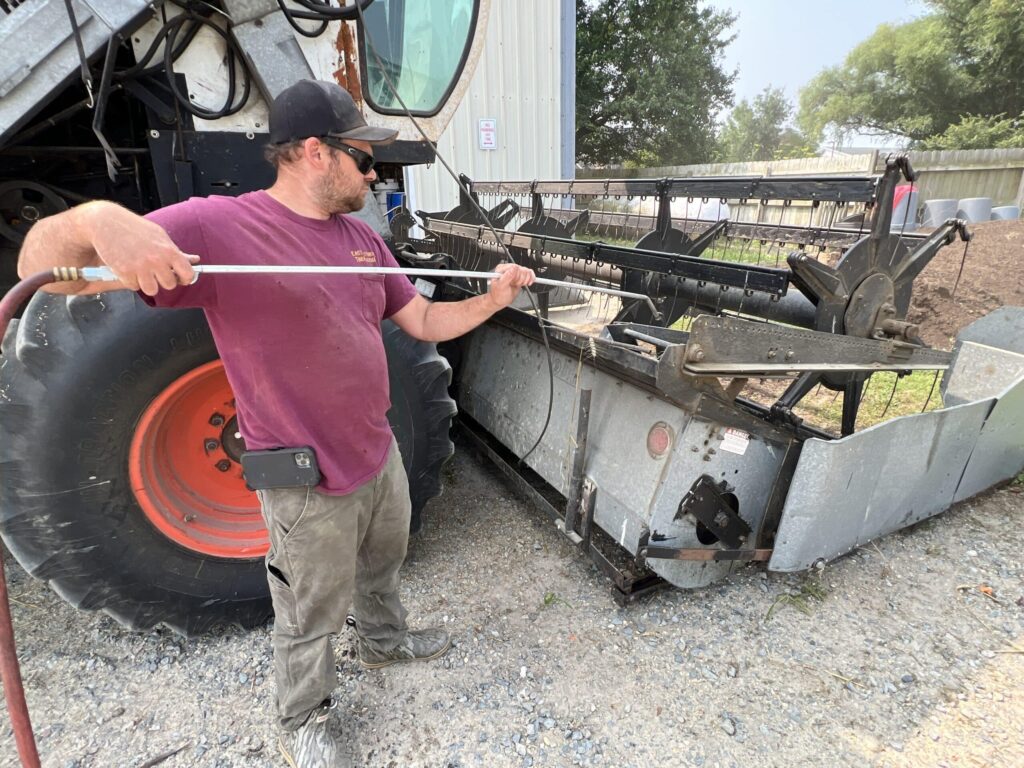
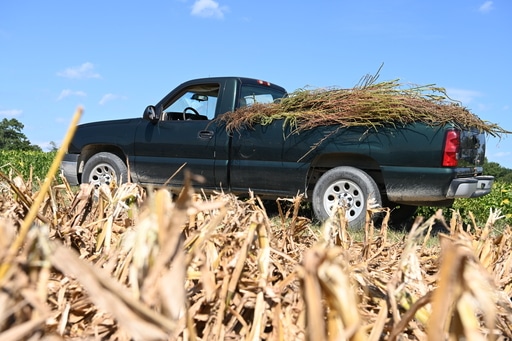
HWSC cannot yet be confirmed as a viable management tool for this species, as plants are short statured and seeds tend to shatter shortly after maturing; further studies are required to test seed retention and HWSC effectiveness.
Herbicide Control Options
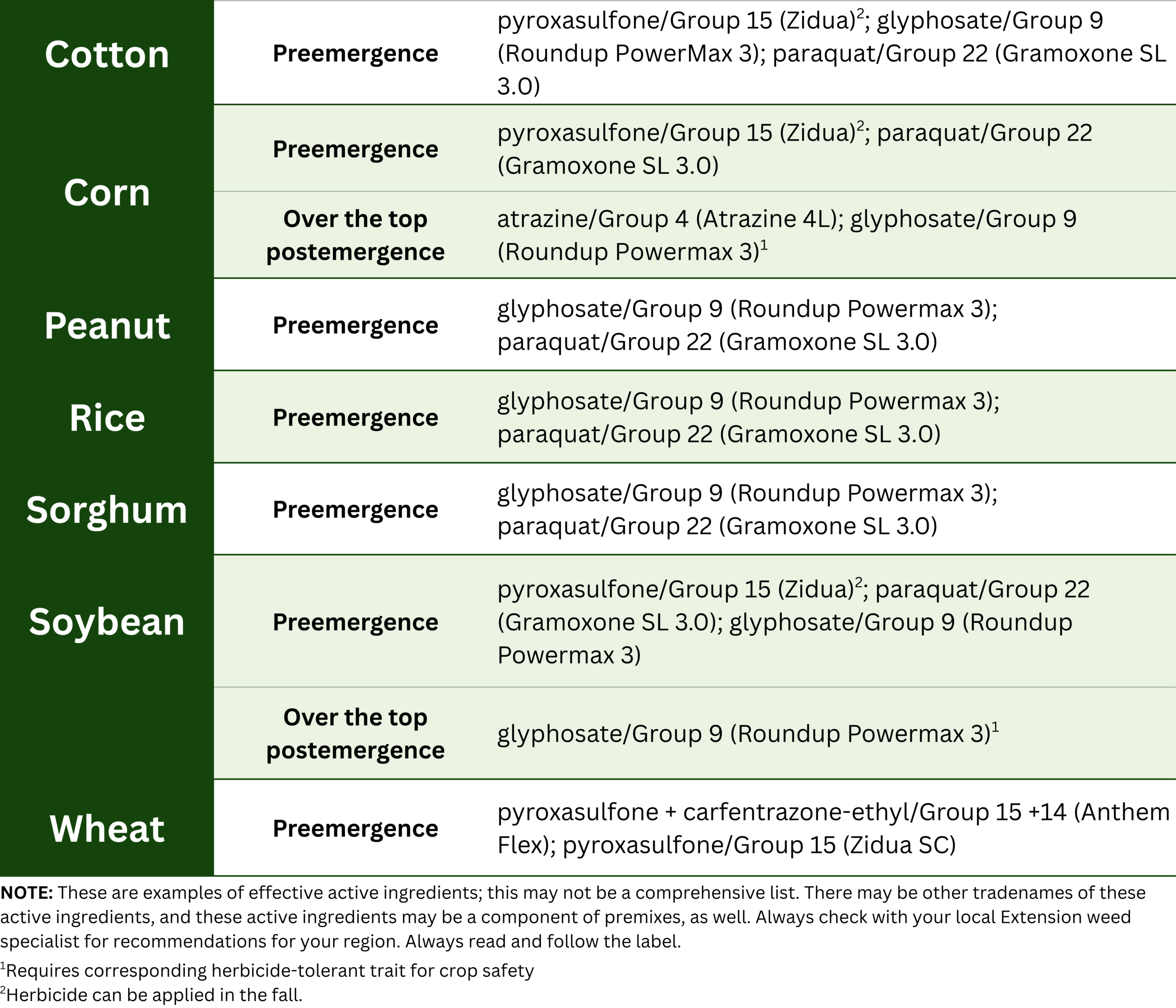
Below are herbicides that show efficiency (>80% control) on little barley, according to Mississippi Weed Control Guidelines 2023, Winfield Crop Protection 2024, and 2025 Weed Management Suggestions for Mississippi Row Crops. Always check the label and local restrictions.
Resources
https://extension.msstate.edu/publications/weed-control-guidelines-for-mississippi
https://plants.sc.egov.usda.gov/DocumentLibrary/plantguide/pdf/pg_HOPU.pdf
https://ncwss.org/proceed/2002/ResRep2002/39.pdf
Citations
Barkworth, ME., Anderton, LK., Capels, KM., Long, S, & Piep, MB. (2007). Manual of grasses for North America. University Press of Colorado.
Barrentine, WL, & Tupper, G. R. (1983). Tillage and weed control practices in soybeans grown on Sharkey clay soil.
Curran WS, Lingenfelter DD (2009) Weed Management in Pasture Systems. University Park, PA: Penn State Extension. https://extension.psu.edu/weed-management-in-pasture-systems
Byrd JD (2024) Weed Control Guidelines for Mississippi. Mississippi State University Extension
Diehl MW. (2014) New lives for ancient and extinct crops: JSTOR
Fischer ML, Stritzke J, Ahring RM. (1982) Germination and emergence of little barley (Hordeum pusillum). Weed Science 30:624–628
Grabowski JM, Douglas JL, Parkman JS, Johnson JR. (2004) Using Native Little Barley as a Cover Crop. Proceedings of the Eastern Native Grass Symposium. Monday, October 4, 2004:20
Hallsten GP. (1984) A vegetative key to the grasses of Wyoming: University of Wyoming
Hayden ZD, Brainard DC, Henshaw B, Ngouajio M. (2012) Winter Annual Weed Suppression in Rye–Vetch Cover Crop Mixtures. Weed Technology. 2012;26(4):818-825. doi:10.1614/WT-D-12-00084.1
Heap I. (2014) Herbicide resistant weeds. Pages 281–301 Integrated pest management: pesticide problems, Vol. 3: Springer
Hunter AA. (1992) Utilization of Hordeum pusillum (little barley) in the midwest United States: applying Rindos’ co-evolutionary model of domestication: University of Missouri-Columbia
Krausz and Young. (2002) Control of Little Barley in Winter Wheat. Champaign, IL.
Lemus R (2024) Identifying Common Winter Weeds in Pastures. Publication P3228. Mississippi State, MS: Mississippi State University Extension Service. https://extension.msstate.edu/publications/identifying-common-winter-weeds-pastures
Shaw RB. (2011) Guide to Texas grasses: Texas A&M University Press
USDA (2025) Hopu Plant Guide available at: https://plants.usda.gov/DocumentLibrary/plantguide/pdf/pg_HOPU.pdf accessed: Feb, 8th.
USDA – Plants Database: HOPU Characteristics. https://plants.usda.gov/plant-profile/HOPU/characteristics.
WinField U. (2024). Crop Protection Guide Information for Dealers
Author
Eduardo Lago, Southern Illinois University-Carbondale
Editors
Karla Gage, Southern Illinois University-Carbondale
Emily Unglesbee, GROW
Mark VanGessel, University of Delaware
Michael Flessner, Virginia Tech
William Curran, Penn State University (emeritus)