Harvest Weed Seed Control
What is Harvest Weed Seed Control?
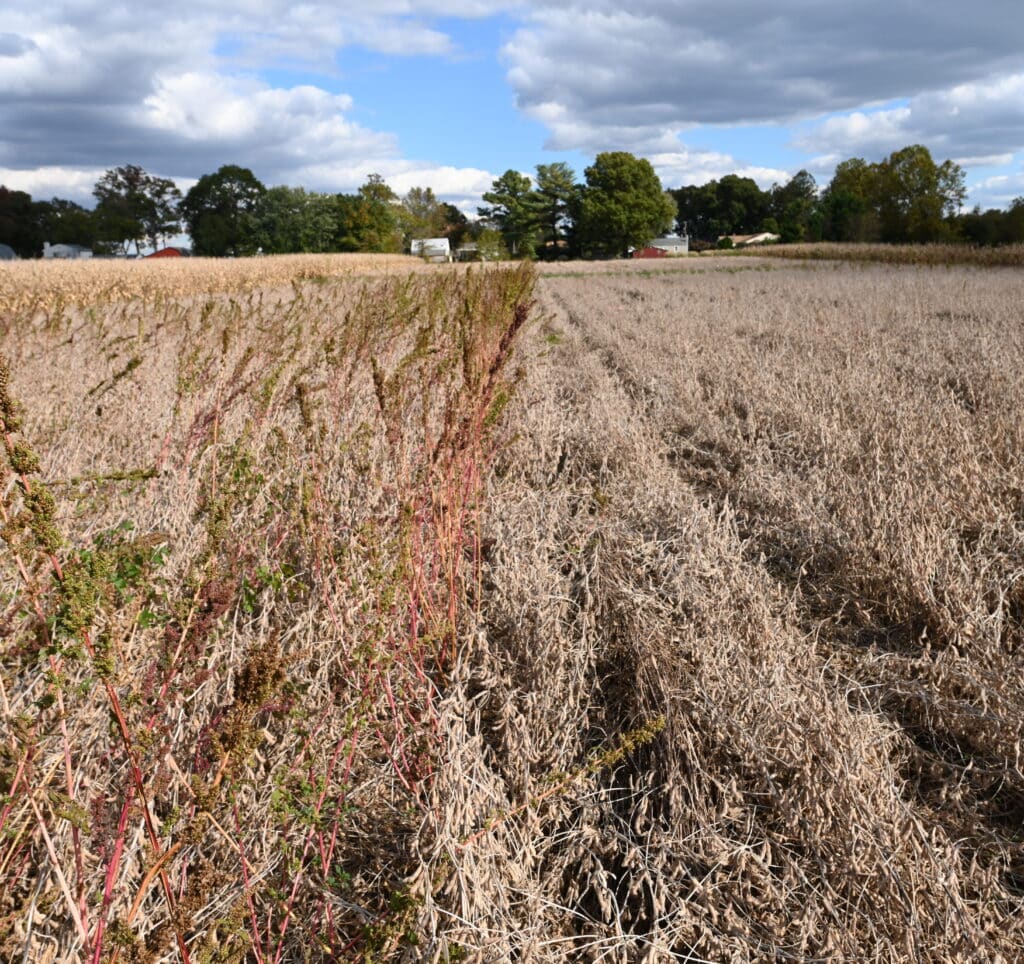
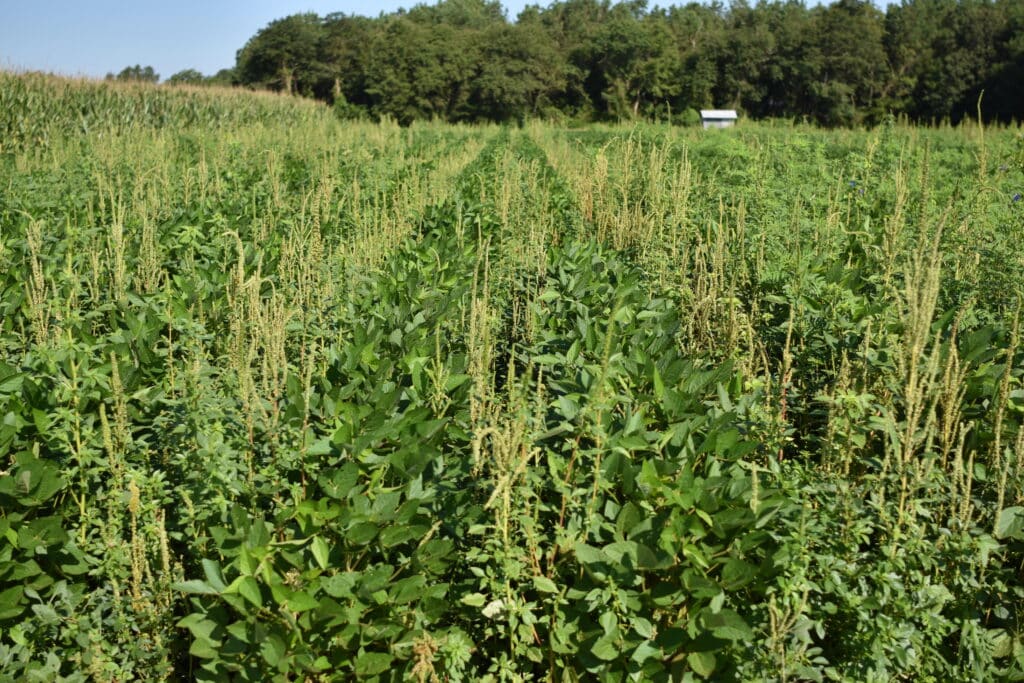
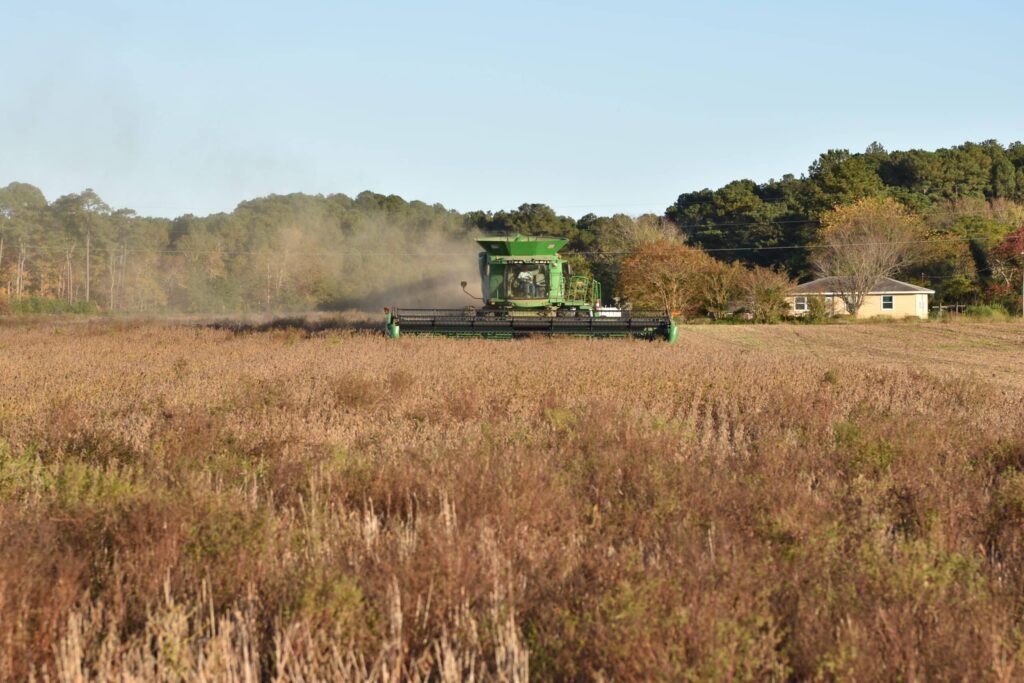
Harvest Weed Seed Control (HWSC) is the practice of capturing and managing weed seeds with harvest operations. At harvest time, combines can unintentionally turn into weed seed spreaders, due to weed escapes in the field that have produced seeds. If these weeds stand above the cutter bar, they can enter the combine during harvest. Most weed seeds exit the combine via chaff material. The combine then spreads these seeds behind it in the field in the chaff residues, creating a wider distribution of weeds for subsequent seasons.
Harvest weed seed control tactics disrupt this weed seed dispersion by either destroying, confining, or removing weed seeds that enter the combine during harvest, impacting all seeds, herbicide-resistant weeds and non-resistant weeds alike. Harvest weed seed control can greatly reduce the number of weed seeds, as well as volunteer crop seed, entering a field’s seedbank at the end of the growing season, reducing weed pressure in subsequent seasons. Ultimately, these kinds of management practices act as a backstop for weed control, giving farmers the final say for the season plus getting a jump on next seasons’ weed control.
While harvest weed seed control can be accomplished by a variety of methods, seed impact mills and chaff lining are the most common types in use today.
What are the Primary Systems of Harvest Weed Seed Control?
Chaff Lining:
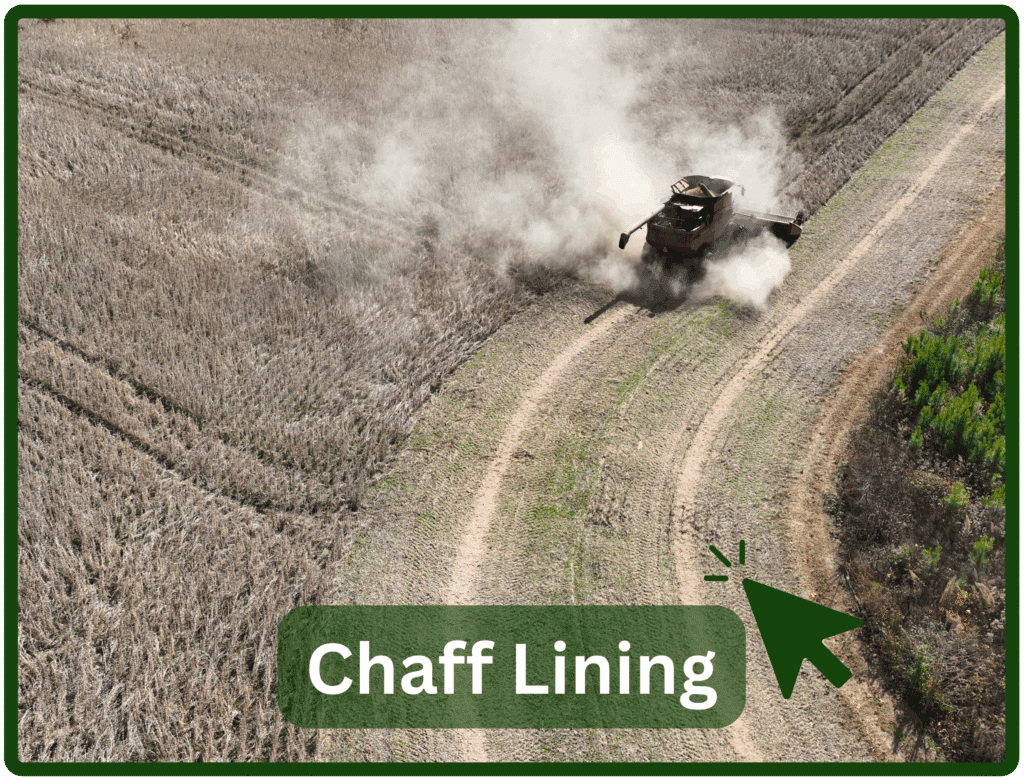
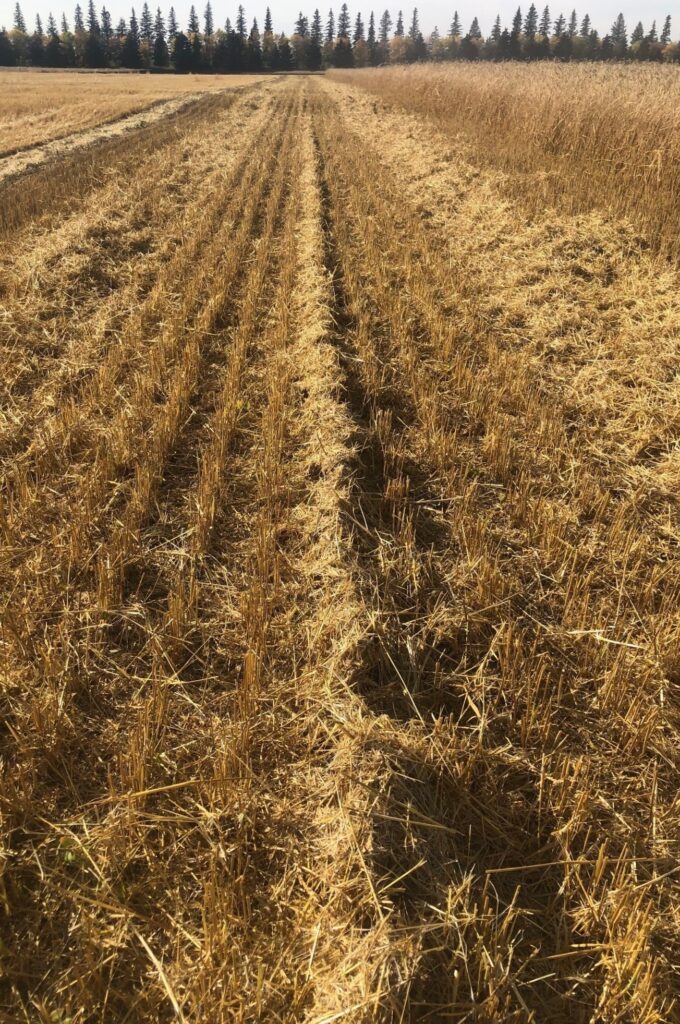
Chaff lining funnels the chaff portion (including weed seeds) into a narrow line behind the combine during harvest and left in place. Straw is still spread out as normal. This practice concentrates weed seeds into the chaff line, (typically 12 to 18 inches wide). In those narrow bands across the field, weed seeds are less competitive than weed seeds spread across an entire field. Weed seed emergence is also often reduced in the chaff line. Chaff lining is a good entry-level harvest weed seed control option due to low upfront costs, the ability to work with any type of combine, and DIY-friendly construction requirements.
Seed Impact Mills:
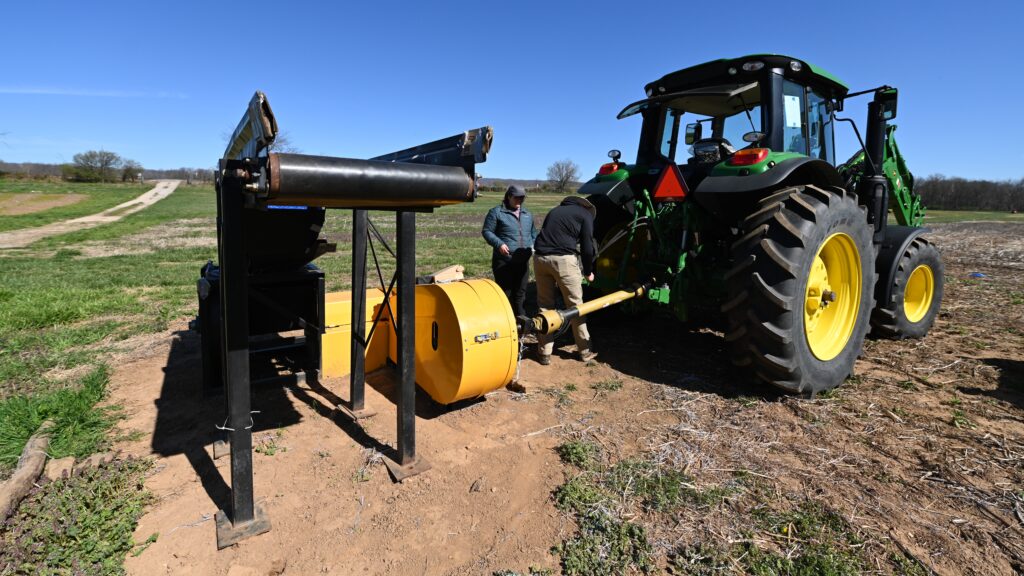
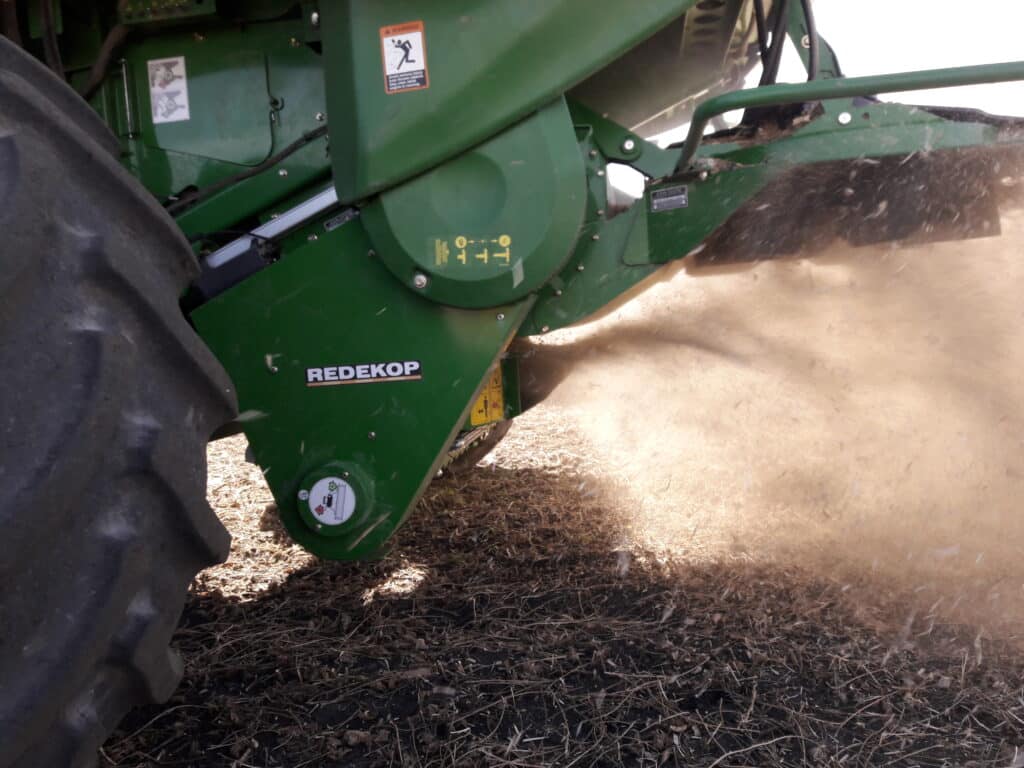
In this method, mills are attached to the back of the combine to crush and process the chaff residue, injuring or destroying any weed seeds within the chaff, before spreading it back across the field. This system returns all residue to the field evenly in a single pass. This technology is usually considered the ultimate form of harvest weed seed control, but it comes with significant upfront costs and requires a Class 8 or larger combine.
Select the buttons below to learn more about seed impact mills and chaff lining.
1. Are there other systems for harvest weed seed control?
There are four other methods of harvest weed seed control in use today, though less common than seed impact mills and chaff lining.
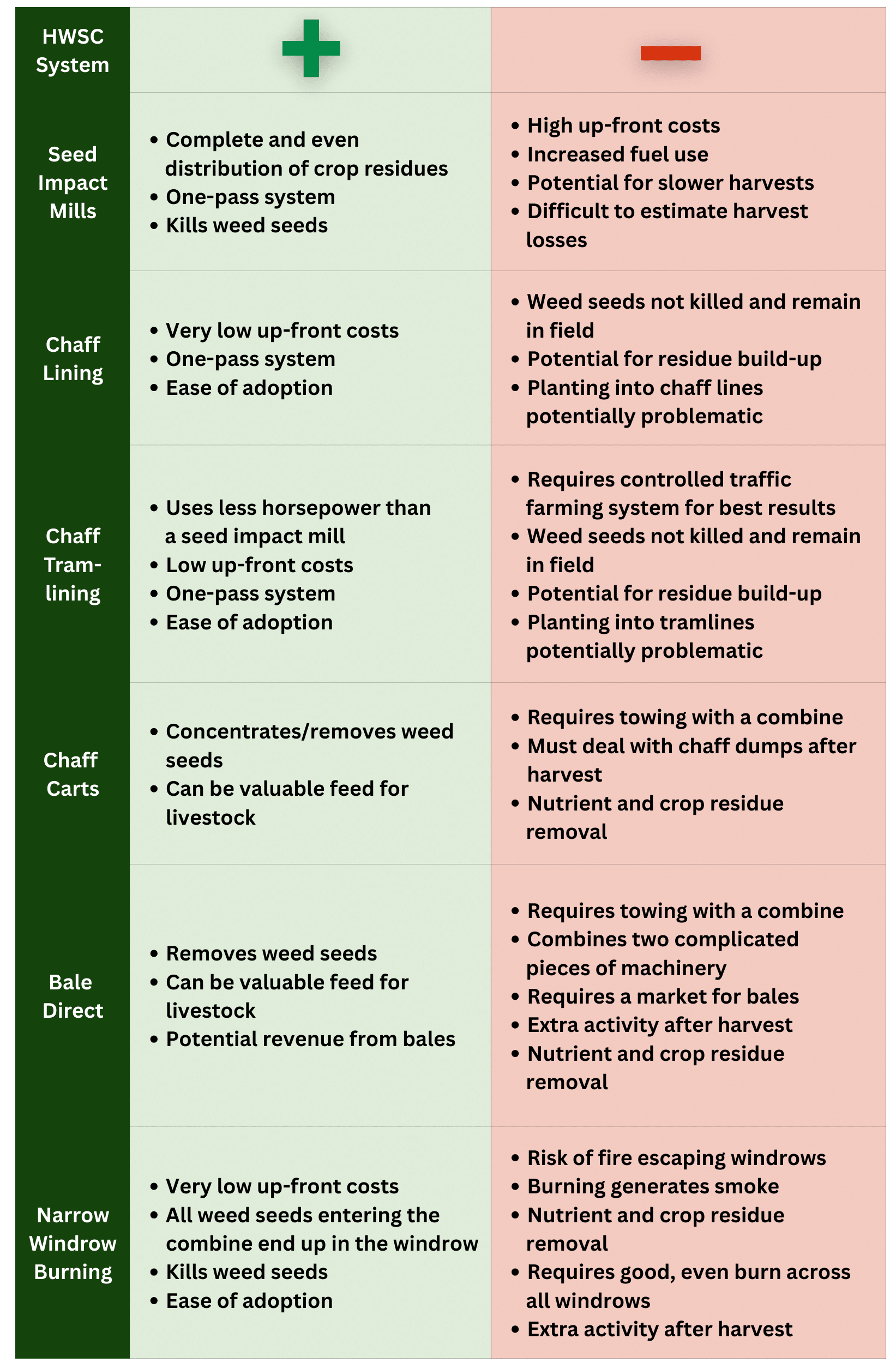
Four of the six HWSC systems—chaff lining, seed impact mills, chaff tramlining, and chaff carts—target only the chaff, whereas bale direct and narrow windrow burning target both the chaff and the straw residues leaving the combine. Many combines require the installation of a baffle to keep the chaff and straw separate. For a quick overview of the pros and cons of each method, see Figure 1.

Chaff Tramlining: Here, chaff is funneled into narrow rows that align with the two wheel tracks of a farmer’s equipment. In a “controlled traffic farming system,” a grower uses only these dedicated wheel tracks—or tramlines—as they move equipment through the field. This reduces overall soil compaction and produces an unfavorable environment for weed seeds within the tramlines, due to factors such as soil compaction and plant injury from equipment.
Chaff Carts: Imported from Canada, chaff carts (sometimes called “chaff wagons”) follow behind a combine and collect chaff harvest materials, where most weed seeds end up. Chaff can be dumped in the field for subsequent management or removed from the field. Chaff can be a valuable feedstuff for livestock.
Bale Direct: A baler is attached directly to the combine, which bales chaff and straw residues as well as weed seeds in the harvest residues. If a market exists for them, the bales can be sold for bedding or livestock feed.
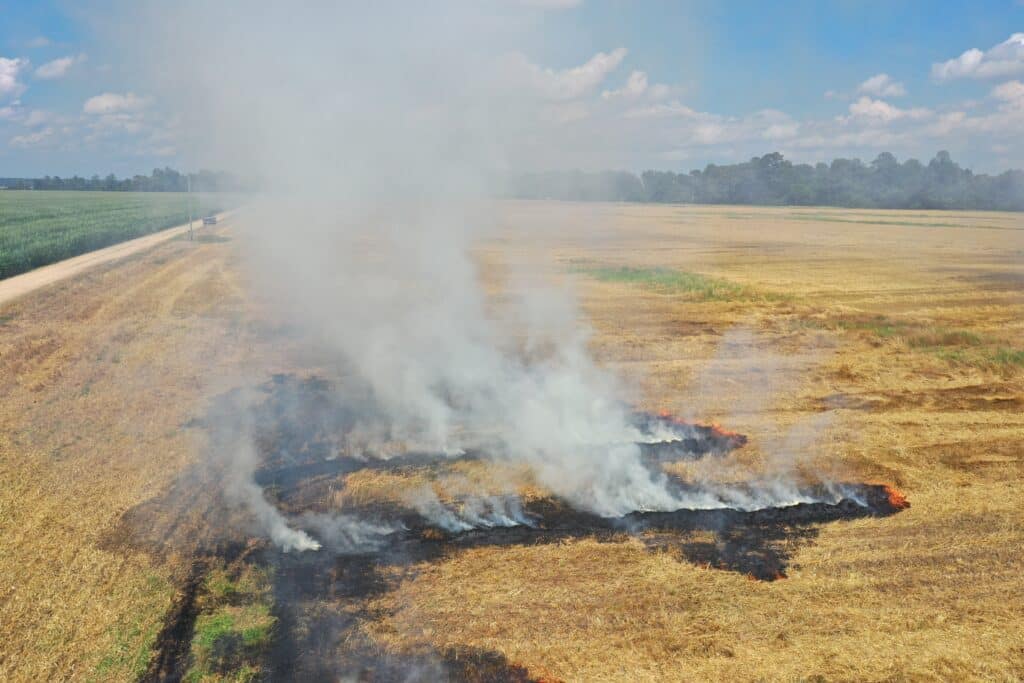
Narrow Windrow Burning: In this method, all harvest residues—including chaff, straw, and weed seeds contained within them—are funneled into a narrow row, where weed seeds can be destroyed by burning. This method has proven effective at destroying weed seeds, but comes with significant fire risks and other trade-offs to soil health. Local burning regulations may also exist.
Watch this video clip of narrow windrow burning:
2. Which weeds are best controlled by harvest weed seed control?
For harvest weed seed control to be effective, seeds must be retained on the weed plant at harvest. Seeds on the ground or lower than the cutter bar cannot be controlled with these methods. The timing of weeds’ seed drop can vary by species, region, and even season to season. But in general, upright annual broadleaf weeds are the best targets, followed by annual grasses. While harvest weed seed control methods do not control perennial structures such as tubers and rhizomes, they can help reduce the spread of perennial weeds by their seed. Lastly, we don’t know how well wind-dispersed seeds, such as horseweed, are captured by the combine. See the following table for a breakdown of soybean and wheat weeds by their seed retention at harvest, how long their seeds remain viable in the seedbank, and their overall harvest weed seed control potential (Figure 2).

3. What crops are best suited for harvest weed seed control?
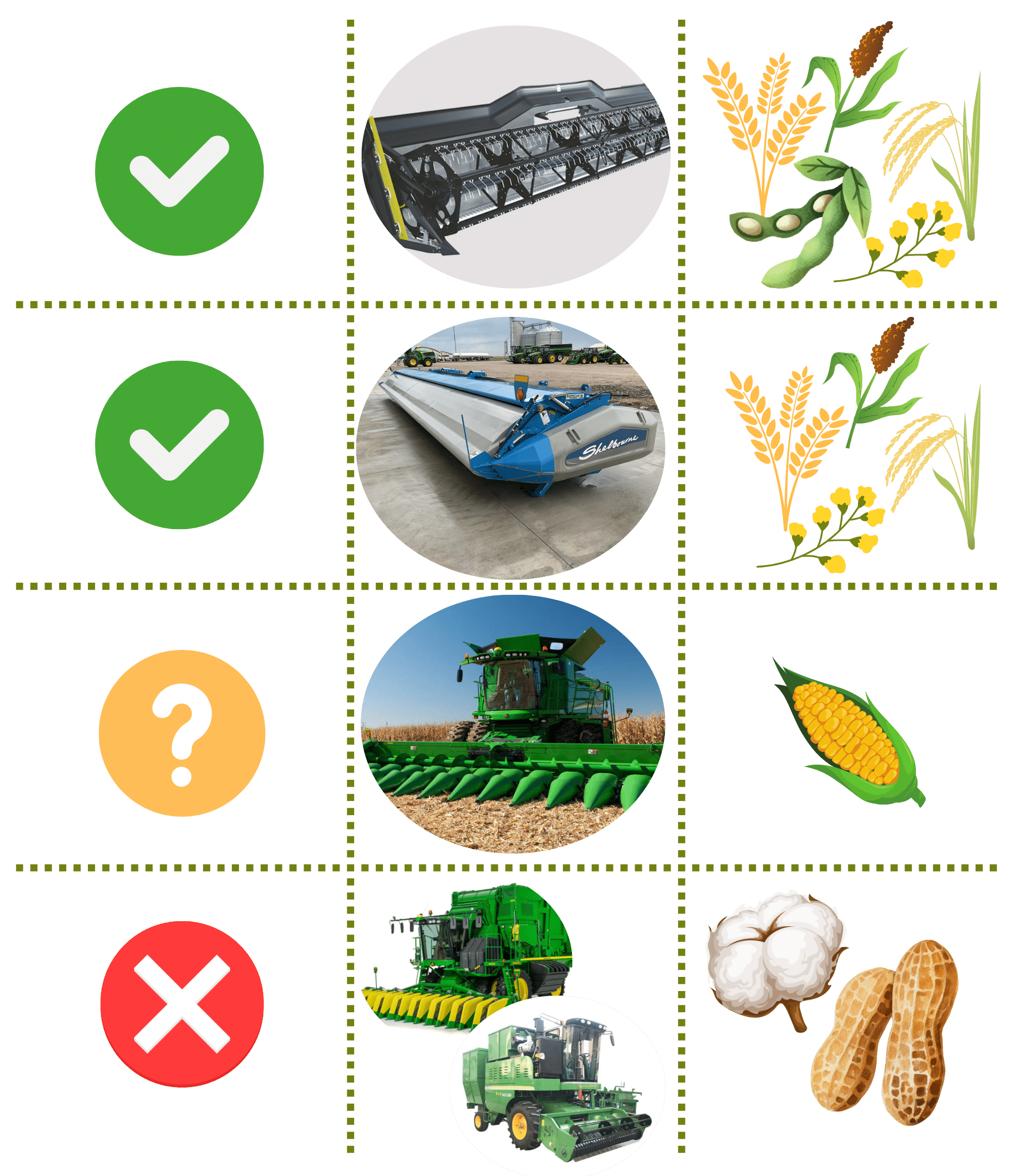
In general, harvest weed seed control technology relies on the likelihood of weed seeds making it into and through a combine during harvest. As a result, crops where HWSC methods work best tend to be grain crops harvested by combine headers that maximize the capture of weed seeds (see Figure 3).
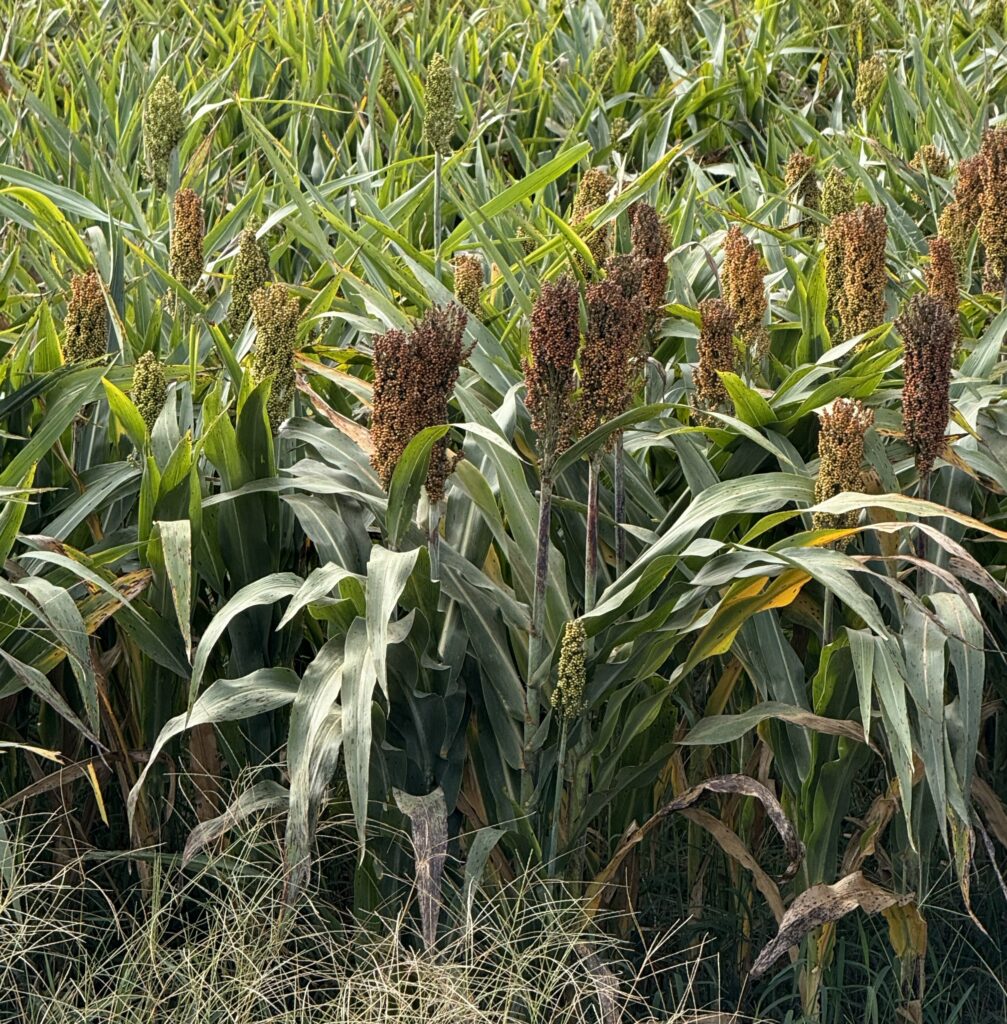
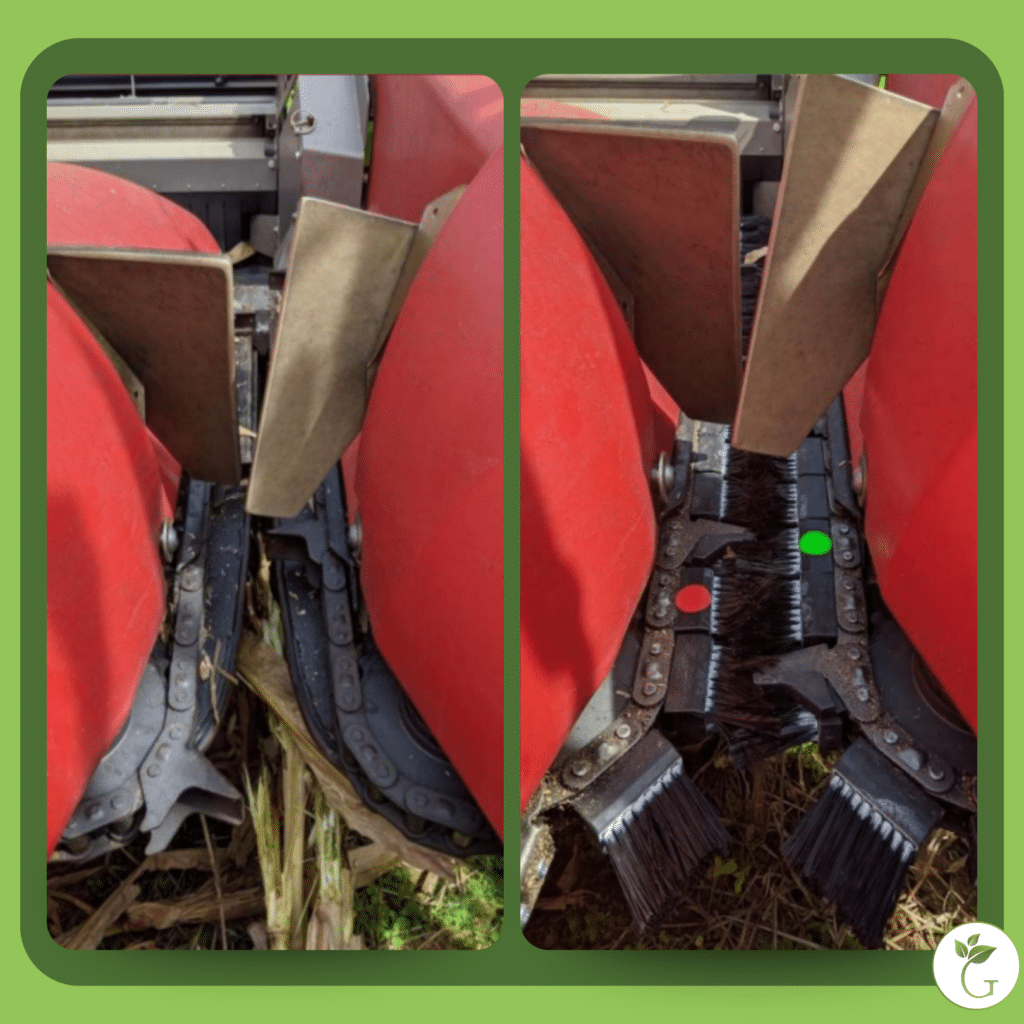
Small grains such as wheat, soybeans, canola, rice, sorghum, and dry beans—typically harvested with platform headers (also called draper or grain headers)—have proven to be good candidates for harvest weed seed control. Likewise, stripper headers have proven adept at capturing weed seeds. Although less research exists on corn harvest weed seed capture, recent findings led by the University of Missouri and Virginia Tech suggest that weed seed capture with corn headers is variable and significantly lower than with platform or stripper headers, though it can be improved with certain header modifications. Preliminary findings show that 20% to 80% of weed seeds escape at the corn header and thus are not subjected to HWSC.
Finally, crops harvested with entirely unique harvest equipment—such as cotton and peanuts—are not good candidates for harvest weed seed control methods, due to a lack of compatibility with commercially available HWSC equipment options today. However, researchers from Texas A&M University are analyzing the ability of cotton pickers and strippers to capture weed seeds to aid future exploration of the use of seed impact mills in cotton. Canadian researchers are also evaluating HWSC in potato production.
4. How do you set up a combine for maximum weed seed capture?

Check out these resources to set up your combine. Adjusting your combine for maximum weed seed capture can actually reduce fuel use and reduce grain losses, too.
5. How long does it take for harvest weed seed control to have an effect on my farm?
This question is currently the focus of ongoing research in the U.S. So far, researchers have found that waterhemp in the seed bank has been reduced by 96% to 98% in just two years with seed impact mill use in Missouri. However, while rigid ryegrass density declined every year in Australia, it took five to eight years before fully realizing the potential of HWSC. Other research has seen about a 30% reduction in weed density after one harvest with simulated seed impact mills.
6. How much does HWSC cost?
The cost of harvest weed seed control varies widely by method used.
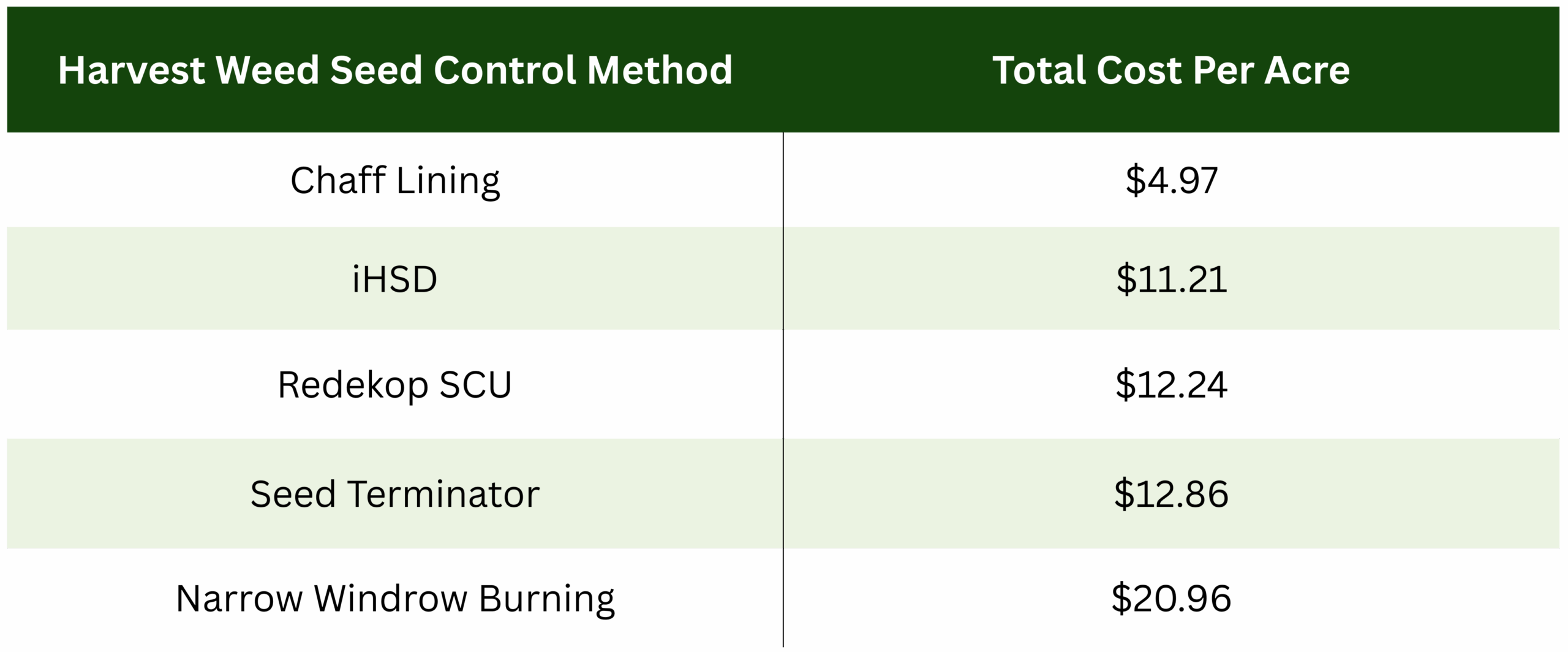
The chart below (Figure 4) provides a general comparison of the cost per acre between the different methods in use today, in U.S. dollars.
Up-front costs can vary substantially—from less than $1,000 for do-it-yourself chaff lining to around $70,000 for a seed impact mill.
You can use this digital calculator, adapted from WeedSmart, to customize the cost of HWSC for your farm.

Bookmark the Herbicide Lookup Tool from Take Action!
New From GROW: Certified Crop Advisor Quizzes
New USDA-Backed Tool Helps Farmers Map Nitrogen Credits from Cover Crops
Palmer Amaranth Plagues Farmers with Herbicide Resistance
Planting Green? You May Need to Adjust Your Residual Herbicide Program.
How Do Deer Repellents and Herbicides Work Together?
How Foliar Nutrients Interact with Weed Control
Pair Cover Crops with Plastic Mulch for Weed Control in Watermelons
Five Tips to Use Spray Drones Effectively
Herbicide Drift Injury May Make Cotton Susceptible to Aphids
Cereal Rye Smothers Weeds Above and Belowground
Planting Green into Cover Crops? Learn Which Soil Residual Herbicides Can Make it to the Ground!
New USDA-Backed Tool Helps Farmers Map Nitrogen Credits from Cover Crops
Planting Green? You May Need to Adjust Your Residual Herbicide Program.
Pair Cover Crops with Plastic Mulch for Weed Control in Watermelons
Cereal Rye Smothers Weeds Above and Belowground
Planting Green into Cover Crops? Learn Which Soil Residual Herbicides Can Make it to the Ground!
Gauge Your Cover Crop Biomass with These Sampling Methods
Farmer Forum Recap: Cover Crop Mixes for Weed Suppression
Researchers Pinpoint When and How to Terminate Cover Crops in the Mid-Atlantic
Join a GROW Farmer Forum on Using Cover Crop Mixes for Weed Suppression
Six Farmer Videos from GROW to Help You Manage Cover Crops

Spring is Coming. Time to Stock Up on GROW’s Weed Management Planners!
How to Juggle Cover Crops, Residual Herbicides, and Moisture to Suppress Weeds in the Semiarid Great Plains
New From GROW: Certified Crop Advisor Quizzes
Palmer Amaranth Plagues Farmers with Herbicide Resistance
Planting Green? You May Need to Adjust Your Residual Herbicide Program.
How Do Deer Repellents and Herbicides Work Together?
Pair Cover Crops with Plastic Mulch for Weed Control in Watermelons
Five Tips to Use Spray Drones Effectively
Herbicide Drift Injury May Make Cotton Susceptible to Aphids
Glyphosate-Resistant Italian Ryegrass in New York: What Growers Need to Know
Use this GROW Tool to Learn How Many Effective Herbicide Modes of Action You Actually Use
Gauge Your Cover Crop Biomass with These Sampling Methods
Researchers Test Novel Weed Electrocution Devices in Row Crops

Battle of the Bots: AI Takes on Weed Management Questions
Bookmark the Herbicide Lookup Tool from Take Action!
New From GROW: Certified Crop Advisor Quizzes
Palmer Amaranth Plagues Farmers with Herbicide Resistance
Pair Cover Crops with Plastic Mulch for Weed Control in Watermelons
Cereal Rye Smothers Weeds Above and Belowground
Glyphosate-Resistant Italian Ryegrass in New York: What Growers Need to Know
Manage Weeds in Early-Planted Soybeans in the Upper Midwest
Use this GROW Tool to Learn How Many Effective Herbicide Modes of Action You Actually Use

Crisis at the Bird Feeder: Palmer and Waterhemp Move West Through Contaminated Seed
Battle of the Bots: AI Takes on Weed Management Questions
Farmers Crown Waterhemp “Worst Weed” at Commodity Classic
Join a GROW Farmer Forum on Using Cover Crop Mixes for Weed Suppression

Seed Impact Mills Tackle Volunteers in Small Grains Fields
GROW’s New Harvest Weed Seed Control Webpage Makes Understanding HWSC Simple
Tame Wild Oats with Early-Maturing Crop Rotations and Harvest Weed Seed Control in the Canadian Prairies
Research Suggests Seed Impact Mills Could Clean Up Cotton Fields
This Harvest Device Catches Corn Kernels and Weed Seeds
Can Chaff Lining Cut Costs and Corral Weeds in the Canadian Prairies?

A Handheld Extension Agent? GROW Researchers Put ExtensionBot to the Test
Seed Impact Mill Pulverizes Problematic Waterhemp in New Study
Weed Management Planner: Order Your Free Prints Now!
Extension and Farmers Greet Weed Control Option with ‘G’day’

GROW Releases New Herbicide Resistance Resource for the Industry
Narrow Windrow Burning for Weed Seed Control is Risky Business
Authors
Michael Flessner, Virginia Tech
Eli Russell, Virginia Tech
Emily Unglesbee, GROW
Editors
Claudio Rubione, GROW
Mark VanGessel, University of Delaware
Reviewers
Breanne Tidemann, Agriculture and Agri-Food Canada
Lovreet Shergill, Colorado State University
Citations
Beam SC, Mirsky S, Cahoon C, Haak D, Flessner M. Harvest weed seed control of Italian ryegrass [Lolium perenne L. ssp. multiflorum (Lam.) Husnot], common ragweed (Ambrosia artemisiifolia L.), and Palmer amaranth (Amaranthus palmeri S. Watson). Weed Technology. 2019;33(4):627-632. https://doi.org/10.1017/wet.2019.46
Davis AS. Weed Seed Pools Concurrent with Corn and Soybean Harvest in Illinois. Weed Science. 2008;56(4):503-508. doi:10.1614/WS-07-195.1
Goplen JJ, Sheaffer CC, Becker RL, et al. Giant Ragweed (Ambrosia trifida) Seed Production and Retention in Soybean and Field Margins. Weed Technology. 2016;30(1):246-253. https://doi.org/10.1614/WT-D-15-00116.1
San Martín C, Thorne ME, Gourlie JA, Lyon DJ, Barroso J. Seed retention of grass weeds at wheat harvest in the Pacific Northwest. Weed Science. 2021;69(2):238-246. https://doi.org/10.1017/wsc.2020.91
Schwartz-Lazaro LM, Green JK, Norsworthy JK. Seed Retention of Palmer amaranth (Amaranthus palmeri) and Barnyardgrass (Echinochloa crus-galli) in Soybean. Weed Technology. 2017;31(4):617-622. https://doi.org/10.1017/wet.2017.25
Schwartz-Lazaro LM, Shergill LS, Evans JA, et al. Seed-shattering phenology at soybean harvest of economically important weeds in multiple regions of the United States. Part 1: Broadleaf species. Weed Science. 2021;69(1):95-103. https://doi.org/10.1017/wsc.2020.80
Schwartz-Lazaro LM, Shergill LS, Evans JA, et al. Seed-shattering phenology at soybean harvest of economically important weeds in multiple regions of the United States. Part 2: Grass species. Weed Science. 2021;69(1):104-110. https://doi.org/10.1017/wsc.2020.79.
Soni N, Nissen SJ, Westra P, Norsworthy JK, Walsh MJ, Gaines TA. Seed retention of winter annual grass weeds at winter wheat harvest maturity shows potential for harvest weed seed control. Weed Technology. 2020;34(2):266-271.https://doi.org/10.1017/wet.2019.108
Tidemann BD, Hall LM, Harker KN, Beckie HJ, Johnson EN, Stevenson FC. Suitability of Wild Oat (Avena fatua), False Cleavers (Galium spurium), and Volunteer Canola (Brassica napus) for Harvest Weed Seed Control in Western Canada. Weed Science. 2017;65(6):769-777. https://doi.org/10.1017/wsc.2020.79
Winans T, Massey R, Schreier H, Bish M, Bradley KW. Harvest weed seed control in soybean with an impact mill. Weed Technology. 2023;37(2):113-122. https://doi.org/10.1017/wet.2023.20
Walsh, M.J., Broster, J.C., Schwartz‐Lazaro, L.M., Norsworthy, J.K., Davis, A.S., Tidemann, B.D., Beckie, H.J., Lyon, D.J., Soni, N., Neve, P. and Bagavathiannan, M.V., 2018. Opportunities and challenges for harvest weed seed control in global cropping systems. Pest Management Science, 74(10), pp.2235-2245. https://doi.org/10.1002/ps.4802
Walsh M, Newman P, Powles S. Targeting Weed Seeds In-Crop: A New Weed Control Paradigm for Global Agriculture. Weed Technology. 2013;27(3):431-436. https://doi.org/10.1614/WT-D-12-00181.1