Chaff Lining
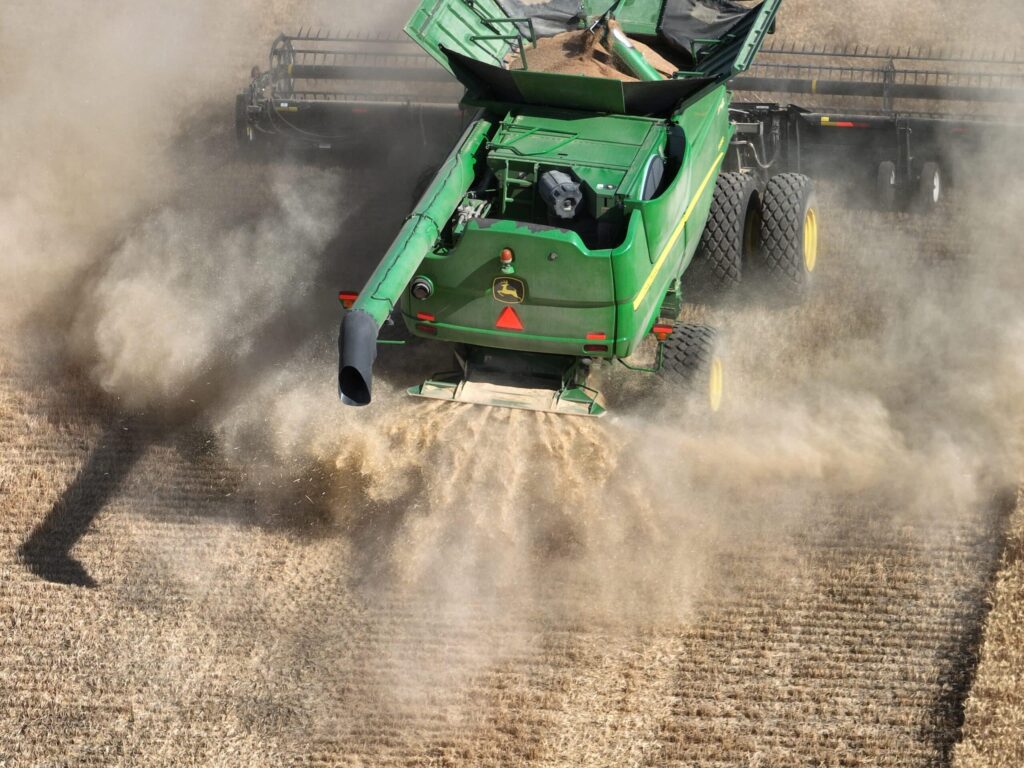
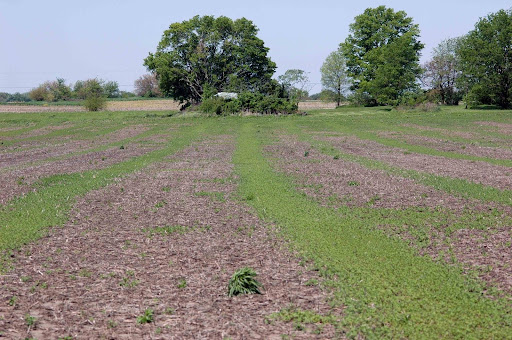
Chaff lining is a harvest weed seed control method that funnels weed seeds into a line behind the combine as it moves through the field, which condenses weed seeds into a narrow row, or chaff line, rather than spreading weed seeds across the field. Chaff lining has low up-front costs and can be a do-it-yourself option, making it the best entry-level harvest weed seed control option. Use the accordions below to learn more details about each chaff lining question.
Watch a short Q&A on chaff lining with Dr. Michael Flessner of Virginia Tech here:
1. How does chaff lining work?
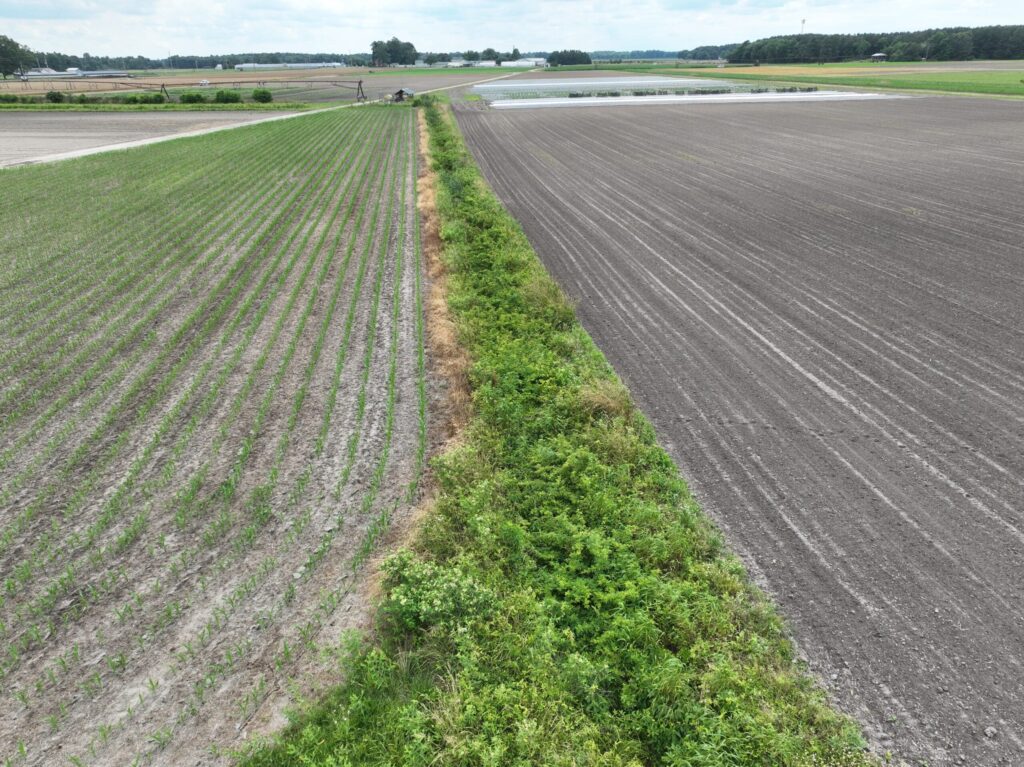
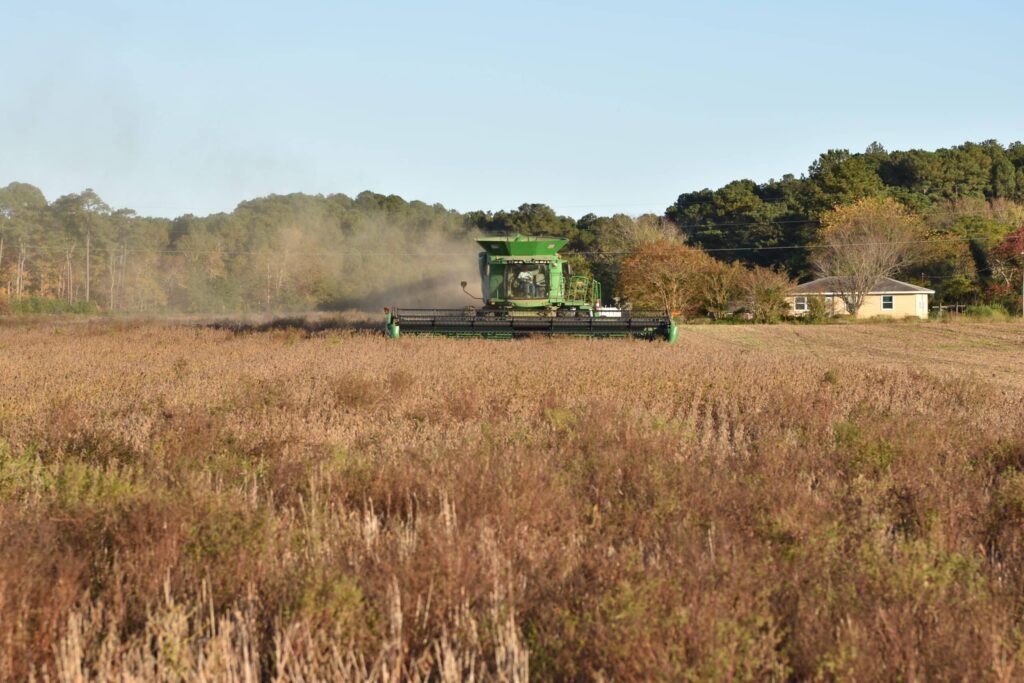
A chute is attached to the back of the combine to channel the chaff (and weed seeds within it) into a funnel that deposits the chaff into a line as the combine travels across the field. This is a one-pass operation, which requires no extra labor. The wider the combine header is, the better it will maximize the condensing effect on weed seeds. Ideally, the chaff line width should be 18 inches wide or less.
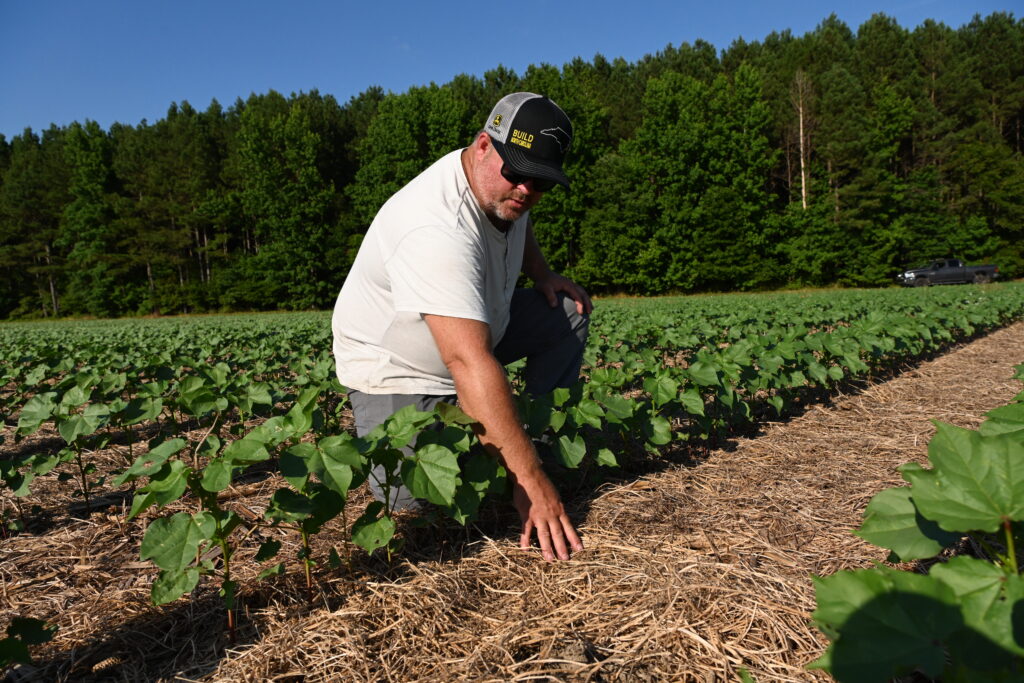
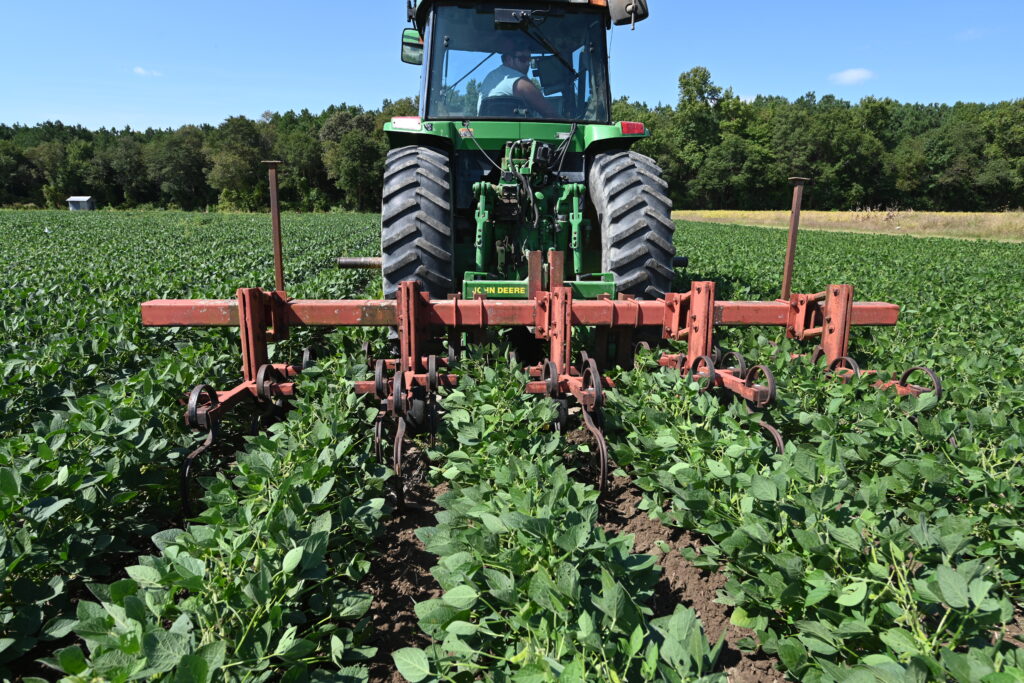
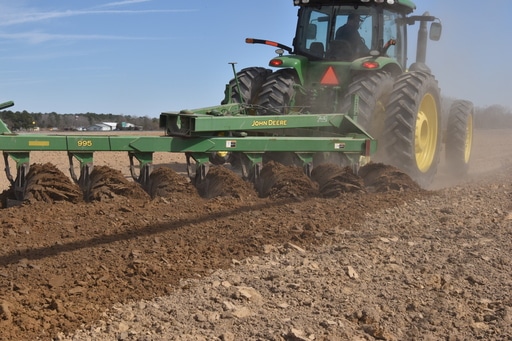
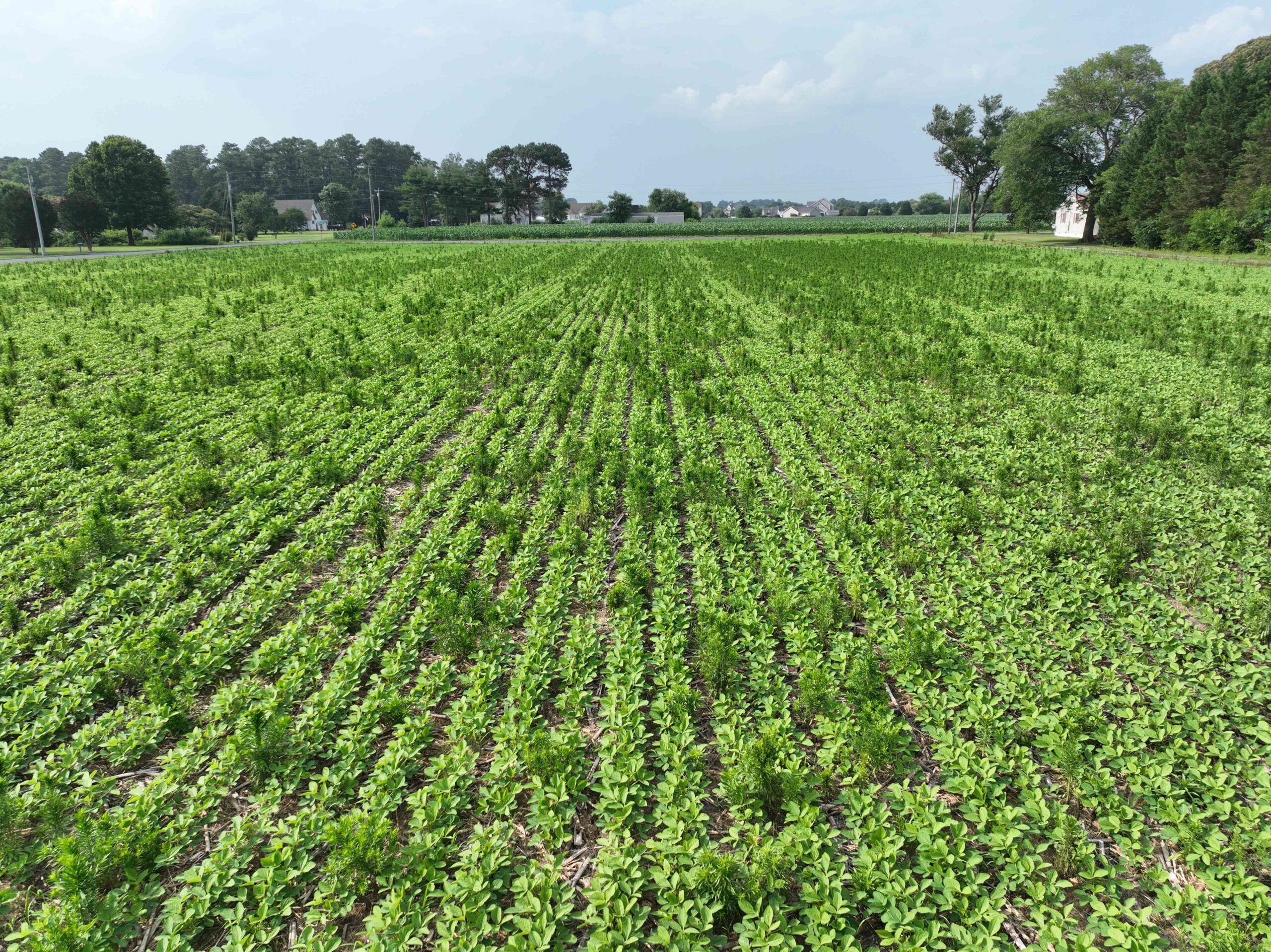
These narrow strips are then left undisturbed during the following growing season. The next year’s crop can be planted as usual, keeping the chaff line between two rows. Chaff lining relies on the mulch effect of the concentrated crop chaff to produce an environment less favorable for weed seed germination and survival. Since chaff lines must remain undisturbed, this practice is not suited for conventionally tilled fields.

2. How does chaff lining affect weeds?
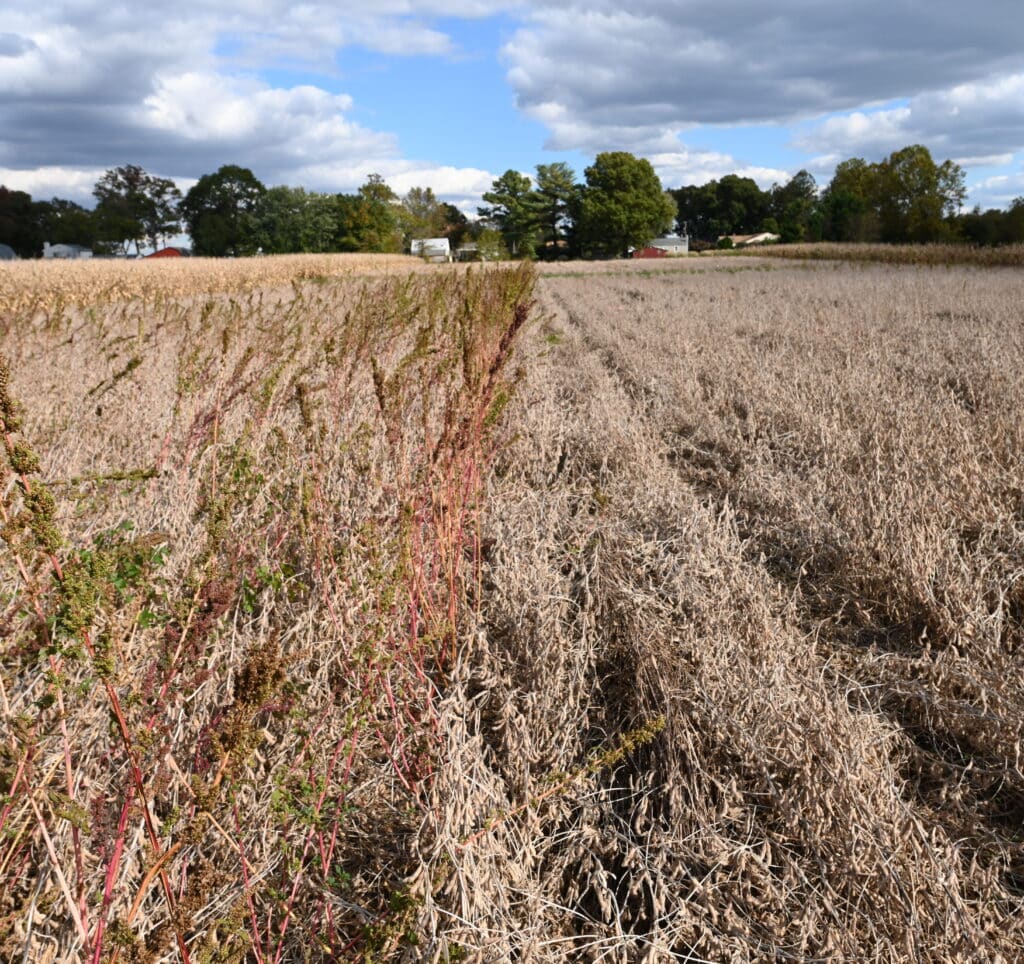
Weed seeds remain viable within the chaff line, so farmers should expect a line of weed seeds in the subsequent season. However, chaff lining can impact weed seeds by concentrating them in the field. One Iowa State study showed that chaff lining concentrated over 99% of waterhemp seeds into just 5% of a field at harvest. This research also showed that weed seed emergence is reduced in chaff lines.
While more research is needed to determine the exact factors at work, reduced emergence may stem from the concentration of the weed seeds leading to increased seed predation from mice,
insects, and other animals. The rotting chaff around the weed seeds may also expose them to more pathogens. Finally, without good seed-to-soil contact, chaff lines may simply reduce seedling survival.
Other research in the Canadian Prairies has reported that while bigger chaff lines reduced weed emergence, other moderate- or low-yield scenarios may insulate weed seeds from cold winter temperatures and actually increase seed survival compared to a conventional harvest.
3. Does chaff lining affect crop emergence?
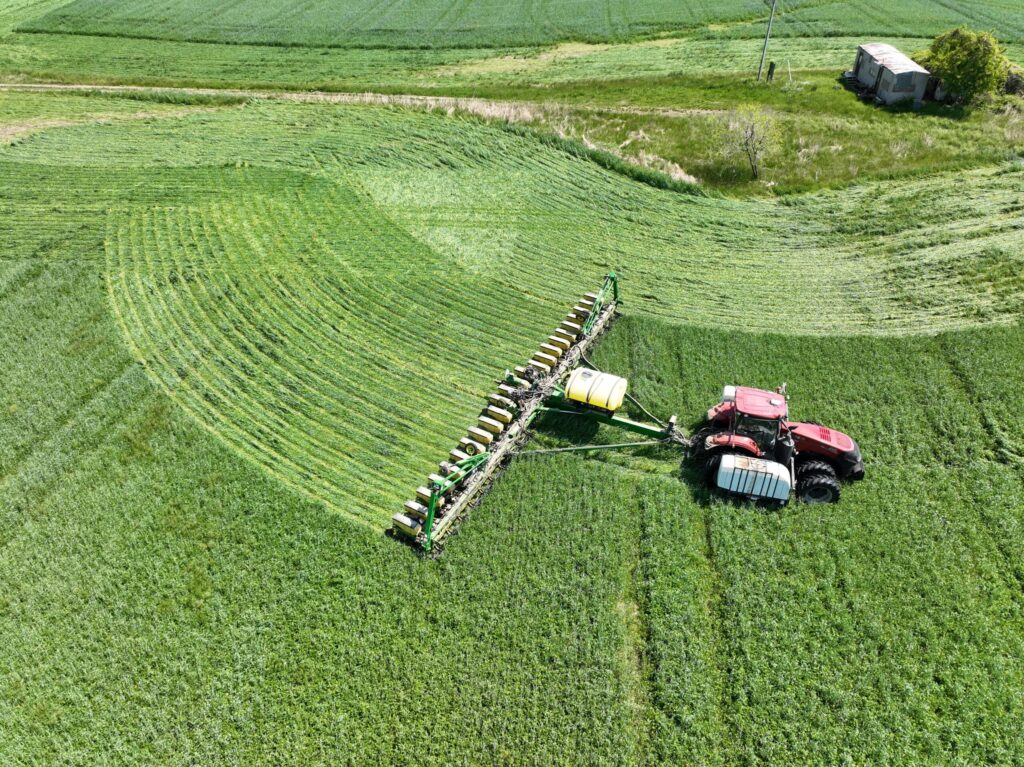
No issues with reduced crop emergence have been reported in winter fallow crop rotations after fall harvest with chaff lining. However, chaff lines can reduce crop emergence in some situations. Wheat chaff lines may reduce double crop soybean emergence if seeded with a drill. Planters with row cleaners should not encounter major issues from the chaff lines. Soybean chaff lines may reduce subsequently drilled cover crop or winter wheat stands, but nitrogen release from the chaff line may offset fewer fall tillers with greater spring growth.
4. How does chaff lining affect combine performance?
It shouldn’t, if your chute is well designed and functioning properly. Chaff lining is a passive system that doesn’t require power from the combine nor impact harvest speed.
5. How do you build a chaff lining chute?
Any combine can be modified for chaff lining. Combine models where the chaff (harvest material that comes off the sieves or shoe) and straw (materials that come out of the rotor) come together prior to spreading will need a baffle to keep these materials separate (Figure 1). Weed seeds exit the combine in the chaff portion, so straw materials can be spread as normal. The baffle directs weed seed–containing chaff into a chute, which creates the chaff line as the combine moves across the field.

Building and installing the baffle is the hardest part of chaff lining modifications. The location of the baffle needs to be about 10 to 12 inches above the sieves and just after the end of the sieves. Ensure that the starting angle of the baffle is about 45 degrees or more. This angle allows any straw material that lands on top to shed off, thus avoiding material buildup and plugging the combine.
As the baffle flows into the funnel, be aware of air flow. The entry and exit of the baffle need to have the same size to avoid creating an area of higher pressure at the funnel entrance. The high pressure may change the airflow, which could cause weed seed to fly up and over the baffle and then be spread across the field, avoiding the chaff lining chute entirely.

Watch this video on how to create a chaff lining chute and install it:
6. How do I manage chaff lines after harvest?
Expect for weeds to emerge in the chaff lines in subsequent seasons, requiring some form of weed control. However, nothing unique or new needs to be done to the chaff line. Most growers manage the field of chaff lines just as they would without chaff lining. Field operations such as herbicide applications can continue as normal.
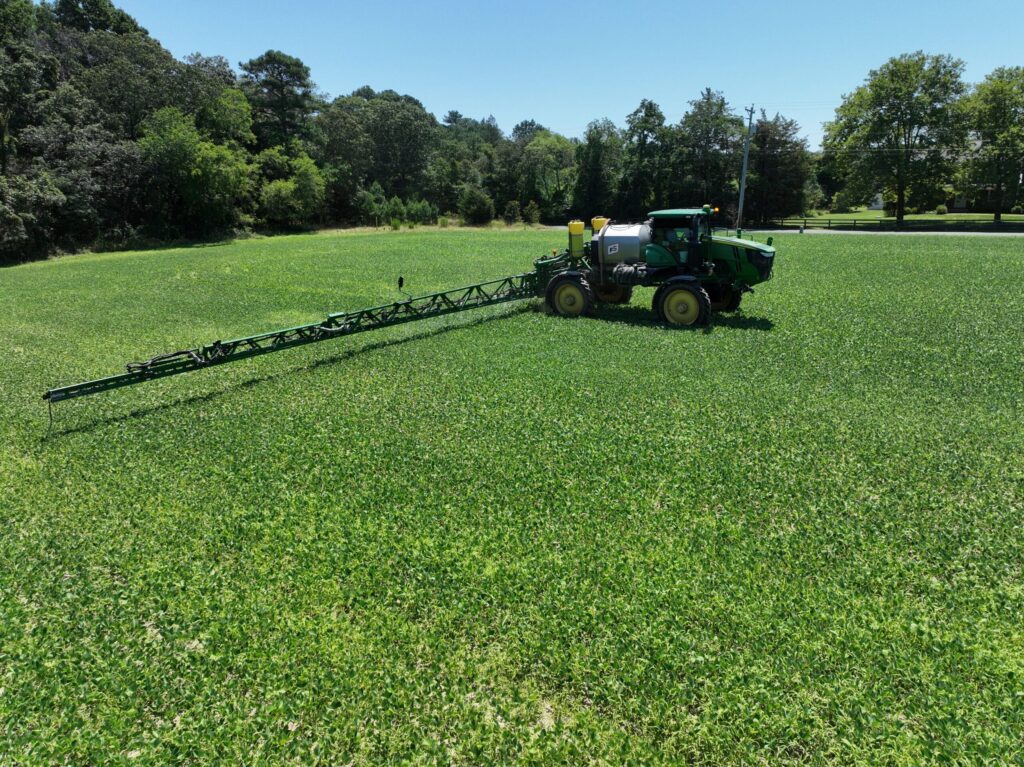
Precision or target sprayers, which use cameras to detect and spray weeds, are a good way to take advantage of weeds corralled into a chaff line. Ongoing research is examining potential for herbicide product savings using these sprayers in chaff-lined fields.
Ideally, every harvest places the chaff line on top of the previous harvest’s chaff line, as would be done in controlled traffic farming. Since weed seeds can remain viable and germinate for several years, putting each season’s chaff lines in the same spot avoids rows of weed seeds from different harvests.
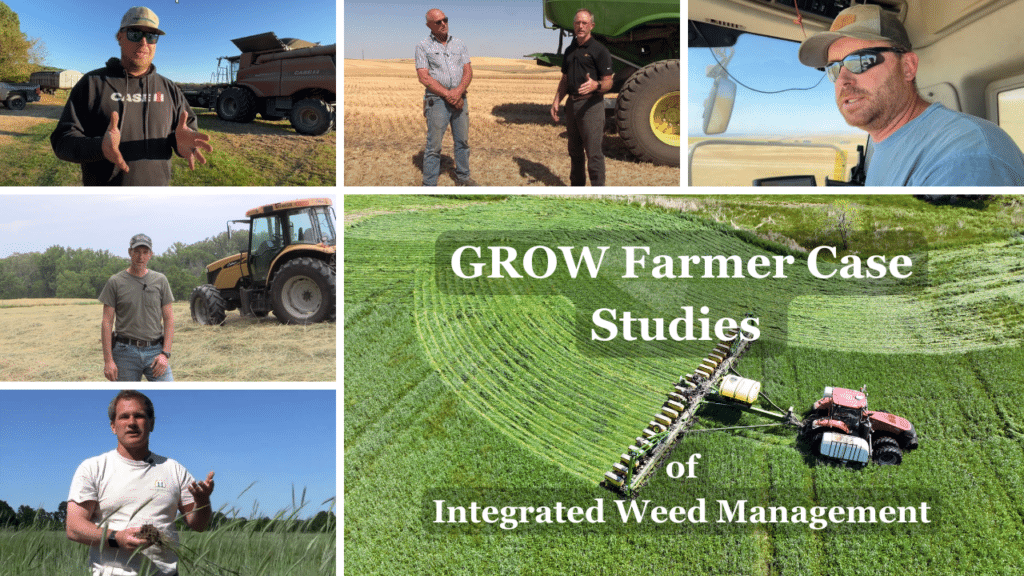
Check out these farmers’ experiences:
For an expanded overview of all harvest weed seed control methods, return to the Harvest Weed Seed Control page.
Authors
Michael Flessner, Virginia Tech
Eli Russell, Virginia Tech
Emily Unglesbee, GROW
Editors
Claudio Rubione, GROW
Mark VanGessel, University of Delaware
Reviewers
Breanne Tidemann, Agriculture and Agri-Food Canada
Lovreet Shergill, Colorado State University
Citations
Bennett AJ, Yadav R, Jha P. Using soybean chaff lining to manage waterhemp (Amaranthus tuberculatus) in a soybean–corn rotation. Weed Science. 2023;71(4):395-402. doi:10.1017/wsc.2023.34 https://doi.org/10.1017/wsc.2023.34
Tidemann BD, Harker KN, Shirtliffe S, Willenborg C, Johnson E, Gulden R, Lupwayi NZ, Turkington TK, Stephens EC, Blackshaw RE, Geddes CM, Kubota H, Semach G, Mulenga A, Gampe C, Michielsen L, Reid P, Sroka E and Zuidhof J (2023) Using integrated weed management systems to manage herbicide-resistant weeds in the Canadian Prairies. Front. Agron. 5:1304741. https://doi.org/10.3389/fagro.2023.1304741