Row crop farmers might someday have more than one way to shock their weeds into submission.
Currently, row crop farmers interested in weed electrocution are limited to a type of technology called shock-discharge units, which can only zap weeds that grow above the crop canopy–restricting weed electrocution to tall weed escapes. Researchers at Cornell and Texas A&M are now investigating if farmers could also use another form of the technology called continuous-contact weed electrocution. These systems, which are currently being used in orchards, industrial, and urban settings, use electrified mats or strips to continuously shock weeds.
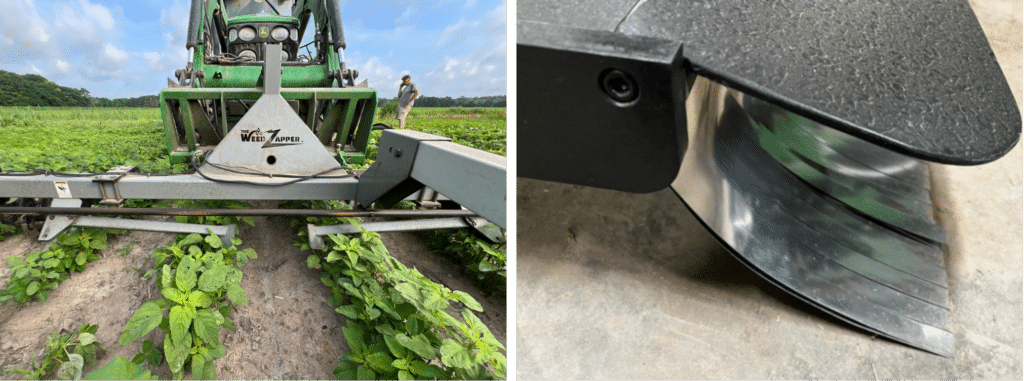
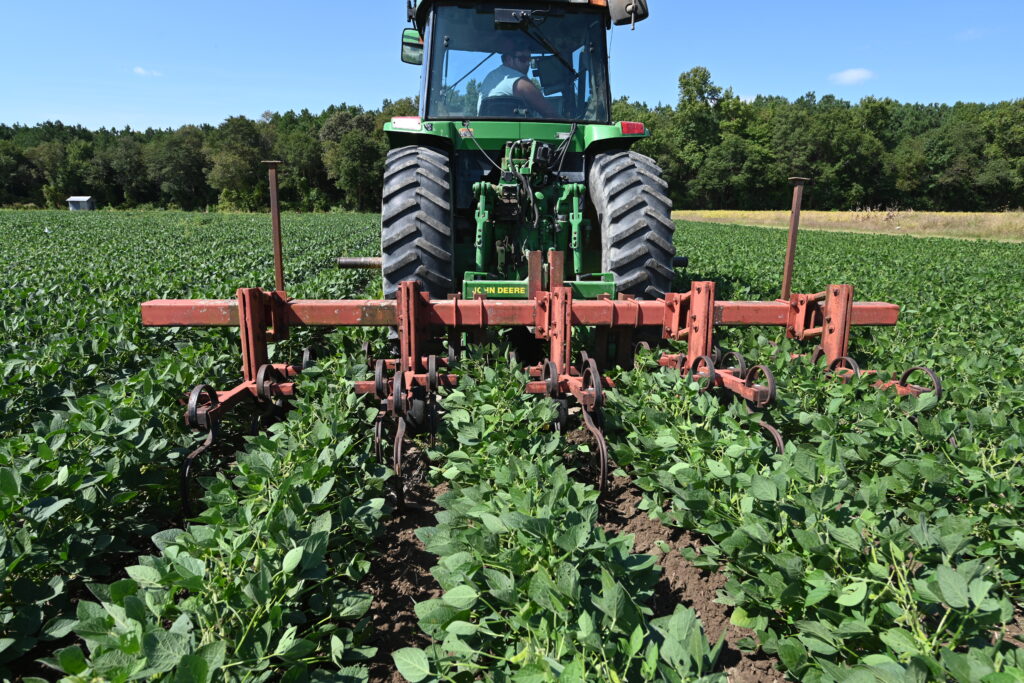
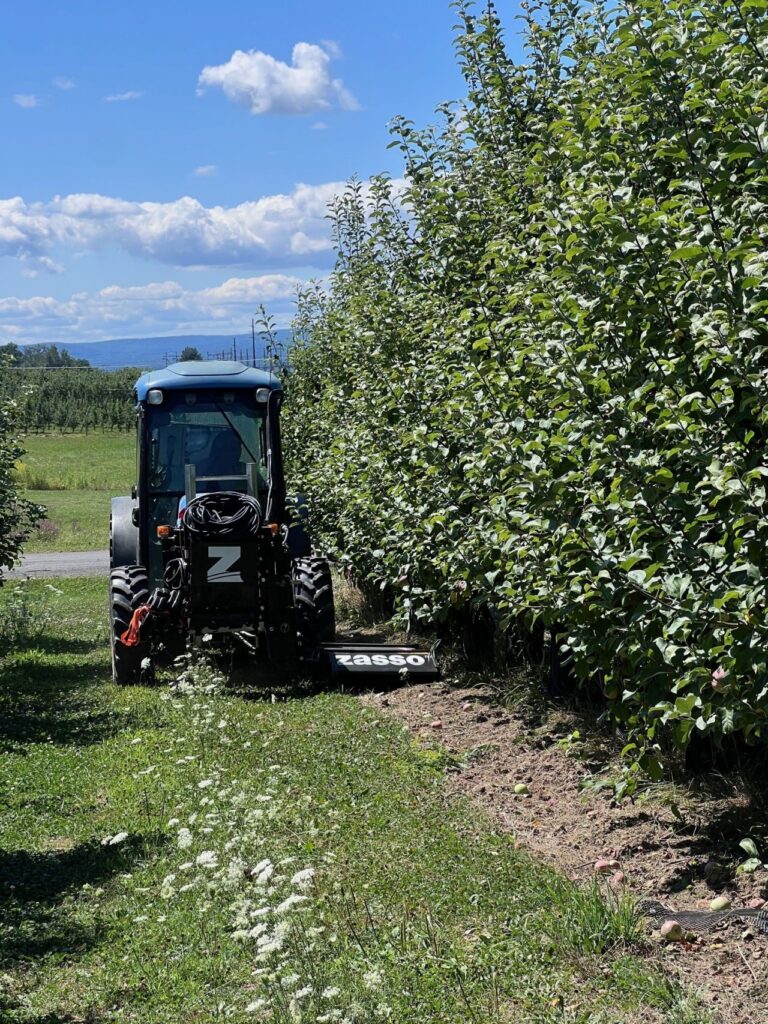
Continuous-contact units are not designed to operate between agronomic crop rows; however, the Cornell study demonstrated that continuous-contact units like the Zasso could effectively control weeds adjacent to corn and soybean rows. Meanwhile, the Texas A&M research went a step further and tested an experimental unit modified to actually fit in row crops.
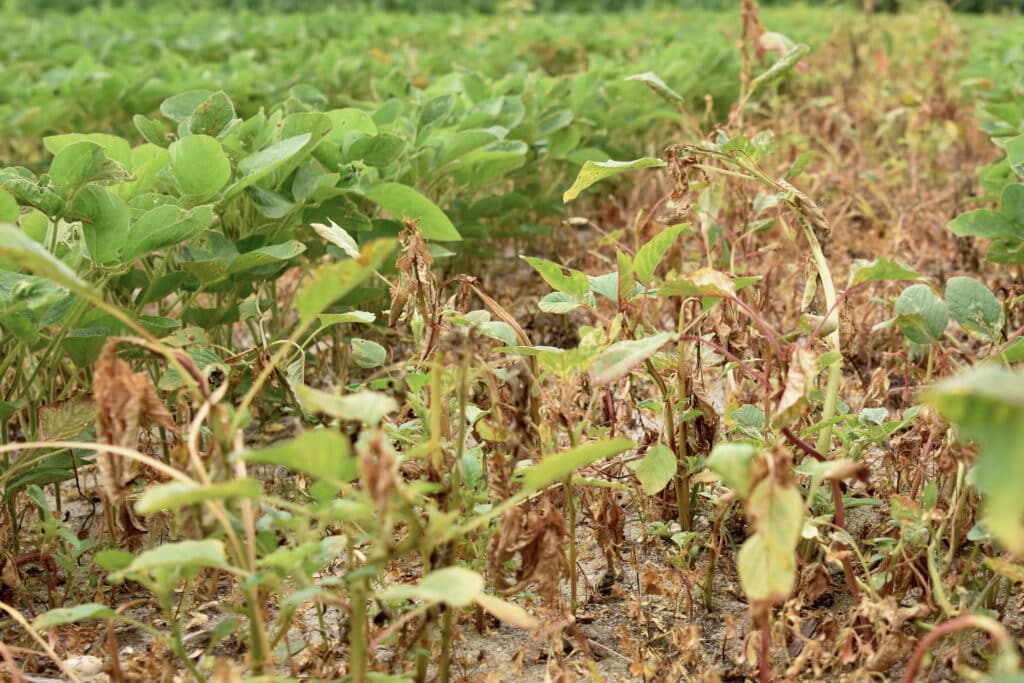
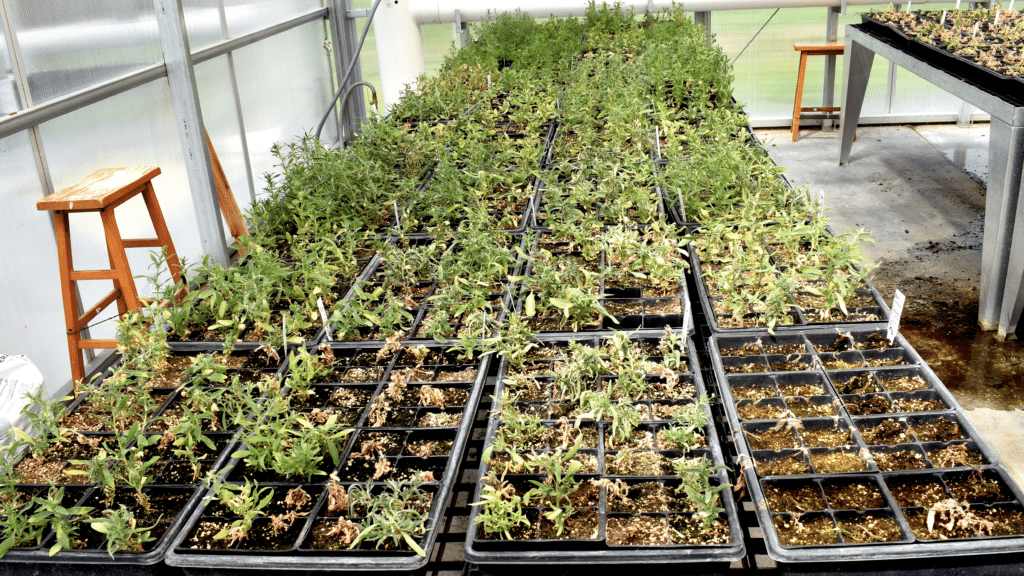
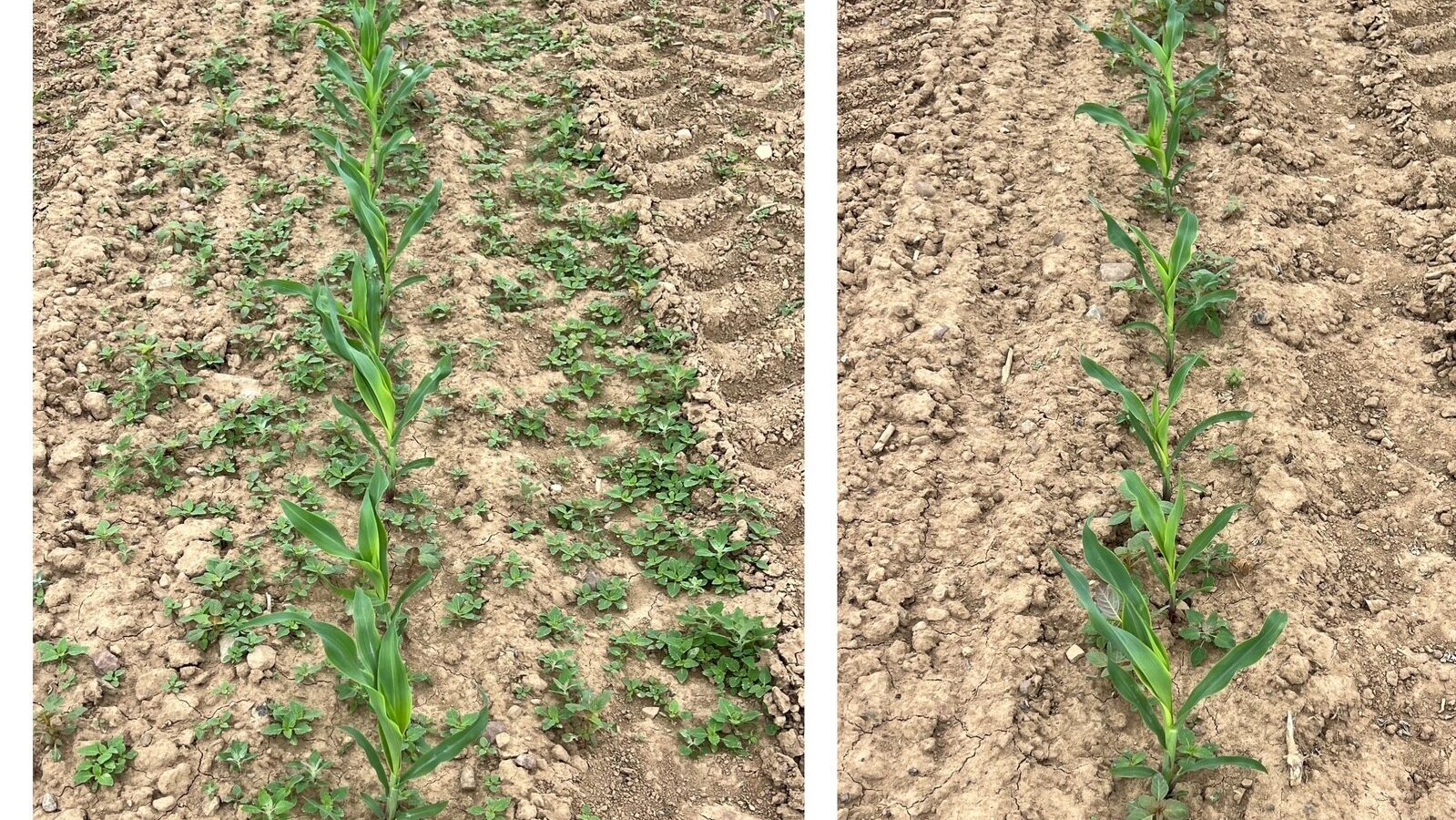
The researchers found that continuous-contact weed electrocution eliminates broadleaves with one pass and grasses with two passes between rows without injuring the crop, but weeds persist inside the crop rows. The findings indicate that this type of electrocution could eventually be another weed control tactic up farmers’ sleeves – if companies adapt it to row crop production systems.
To Shock…Or Not to Shock Row Crops?
In 2019, when New York farmers started asking Cornell’s Dr. Lynn Sosnoskie about weed electrocution due to increasing herbicide resistance and limited weed control options, she knew she had to investigate this weed control method.
Some row crop farmers already use shock-discharge units like the Weed Zapper. However, because this unit requires a height difference between the weeds and cash crops, weeds have already started competing with the crops by the time they are electrocuted.
(Hear more about what farmers and researchers think about weed electrocution in this GROW Farmer Forum, this news article on how electrocution affects soil health, and this article about how weed electrocution compares to other mechanical weed control methods.)
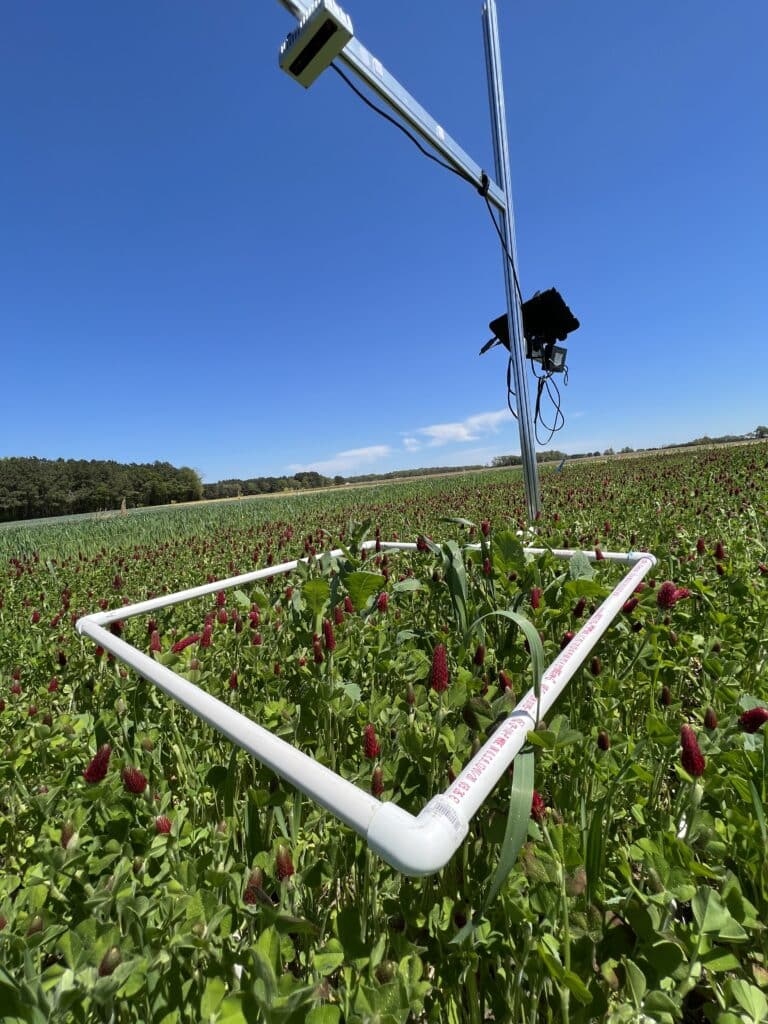
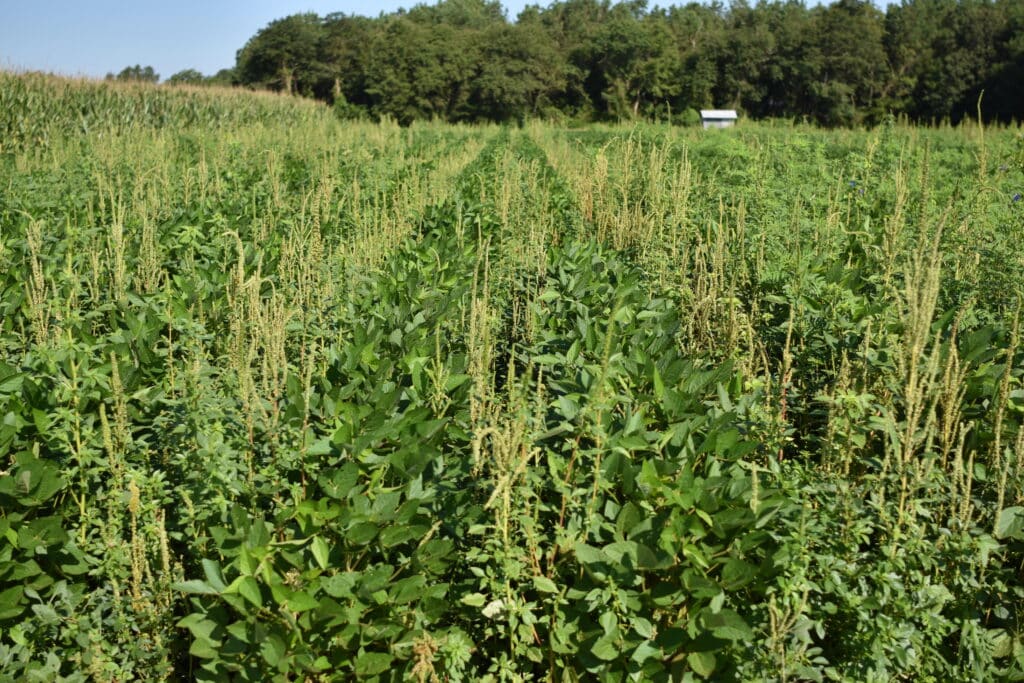
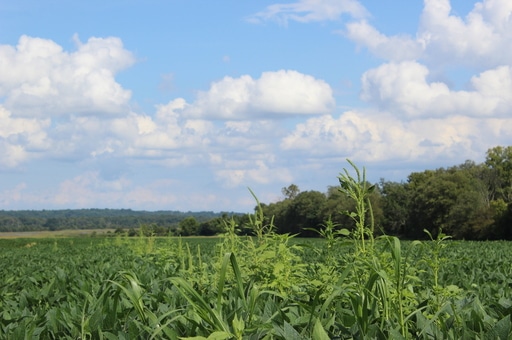
In contrast, continuous-contact units could be used to target weeds as they grow, potentially giving farmers more weed control power than spark-discharge units. Luckily, Sosnoskie already had a continuous-contact unit on hand from previous weed electrocution research she conducted in apples, grapes and hops. Her proof-of-concept study focused around one central idea: Could continuous-contact tech be used adjacent to corn and soybean rows to control broadleaves such as common lambsquarters, ragweed and pigweed species, without causing crop injury?
Sosnoskie’s lab planted the corn and soybean rows 10 feet apart to accommodate the Zasso E Coffee unit that farmers use in orchards – and run the units much more slowly than is typical in row crop fieldwork.
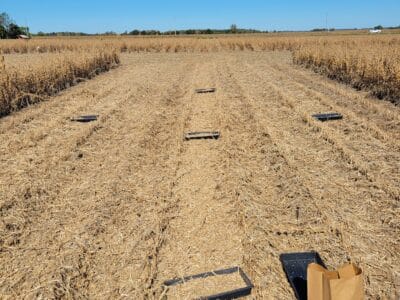
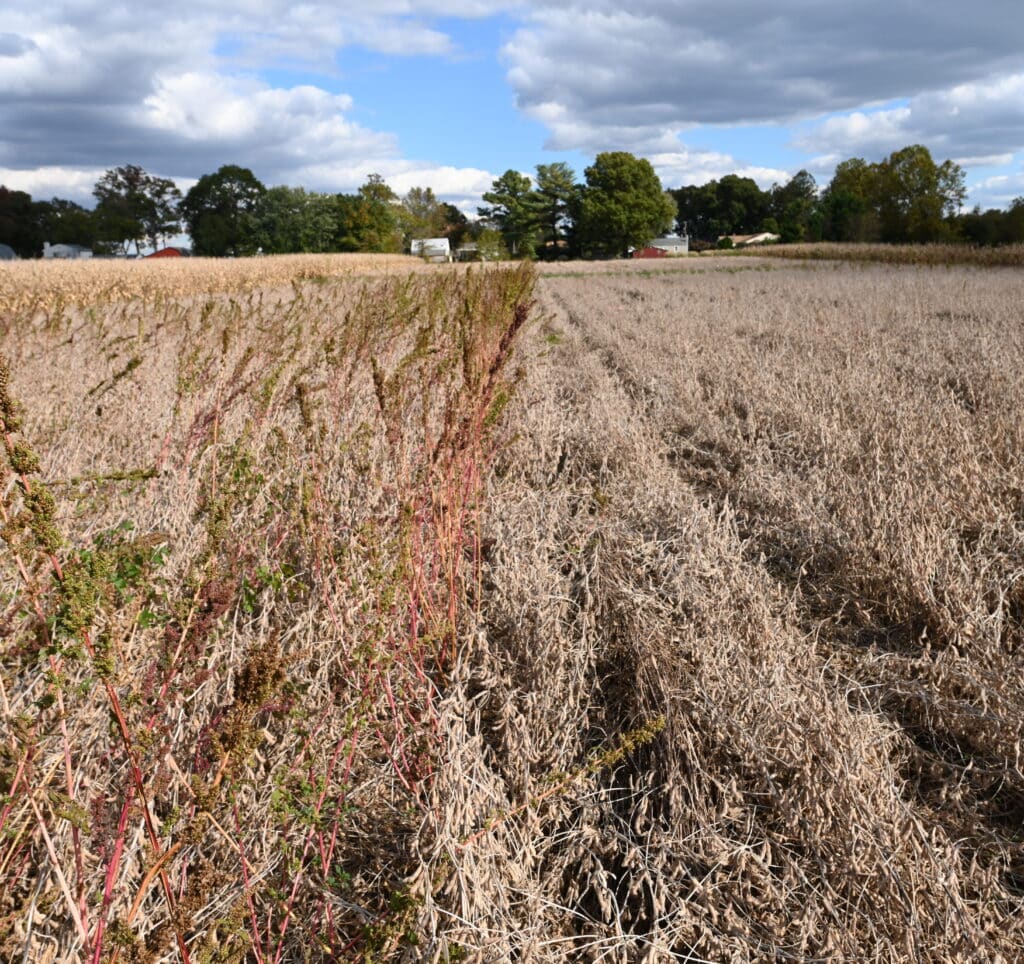
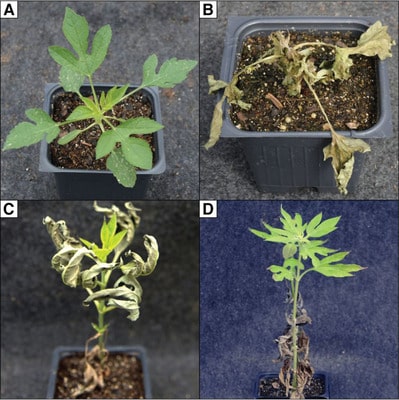
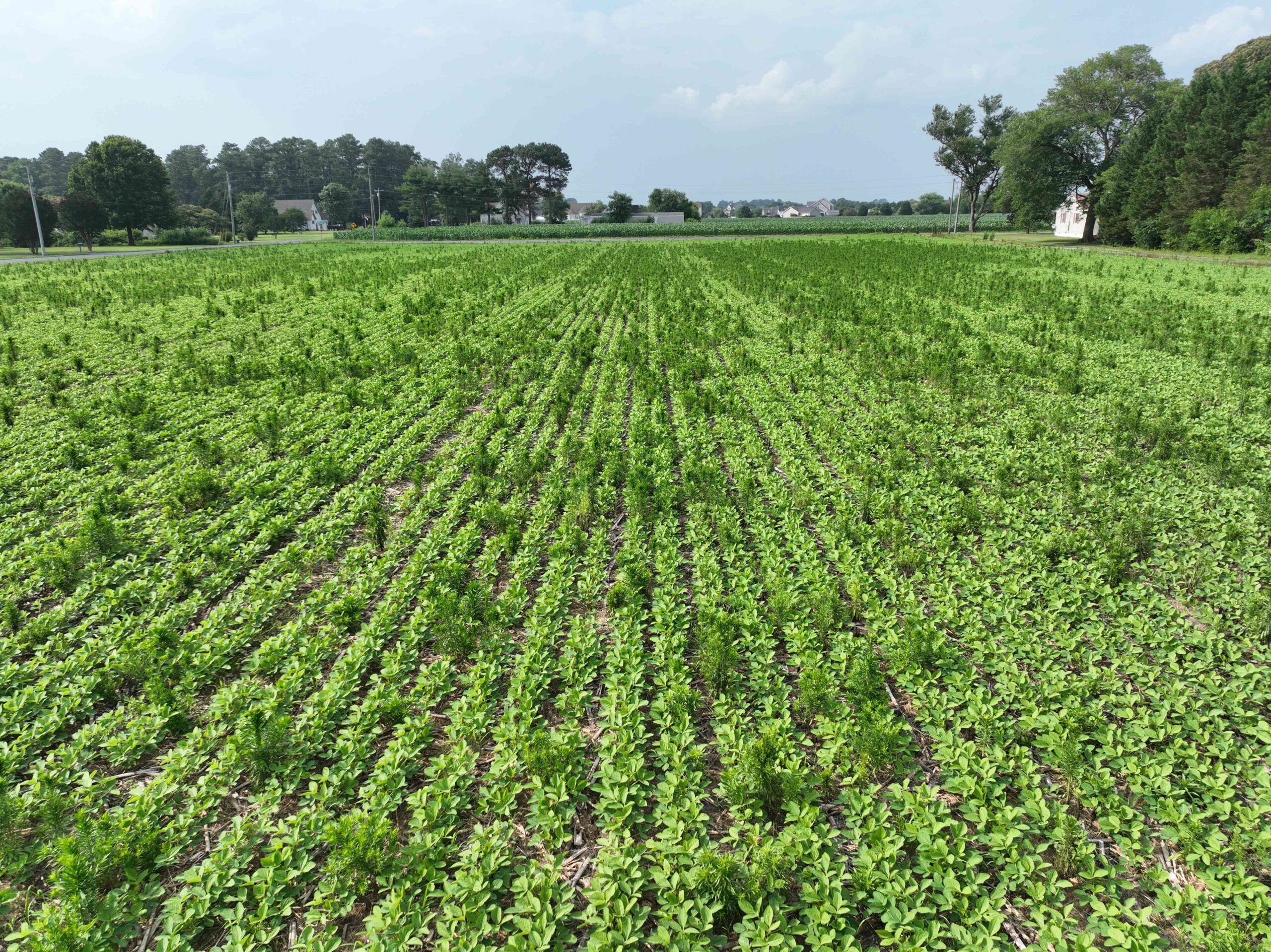
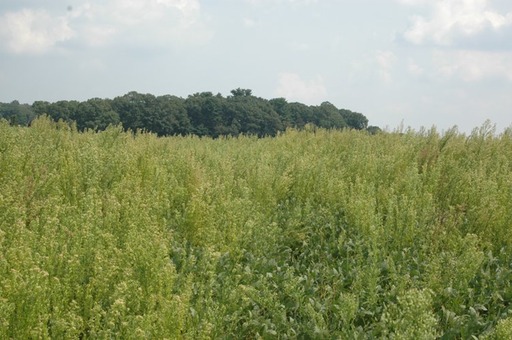
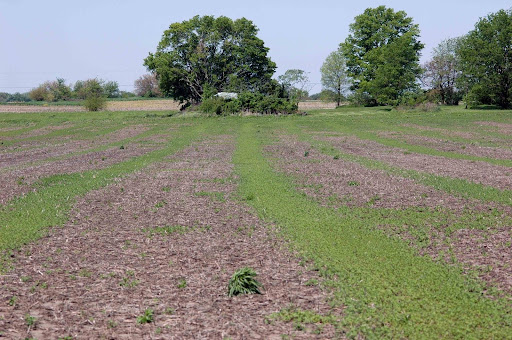
Sosnoskie’s lab used a single pass with the Zasso unit inching along at 1.3 miles per hour to shock weeds when the corn and soybeans were at the V1 to V3 growth stage. Her work revealed that weed electrocution substantially reduced the amount of weeds between rows, but it didn’t affect weeds hiding in the crop rows. That isn’t necessarily a bad thing, though. Sosnoskie also found that using weed electrocution resulted in a higher crop biomass than not using any weed control treatment at all.
“It wasn’t perfect,” Sosnoskie says. “But it did work.”
Her lab’s 2026 research will investigate how electrical weeding pairs with other strategies for in-row weed control. This initial study was only meant to see if weed electrocution is a viable option for reducing weeds between row crop rows. How will a unit developed specifically for row crops operate?
Innovating the Zasso Specifically for Row Crops
Further South, Texas A&M graduate student Ryan Hamberg’s ongoing work with an experimental Zasso unit aligns with Sosnoskie’s findings.
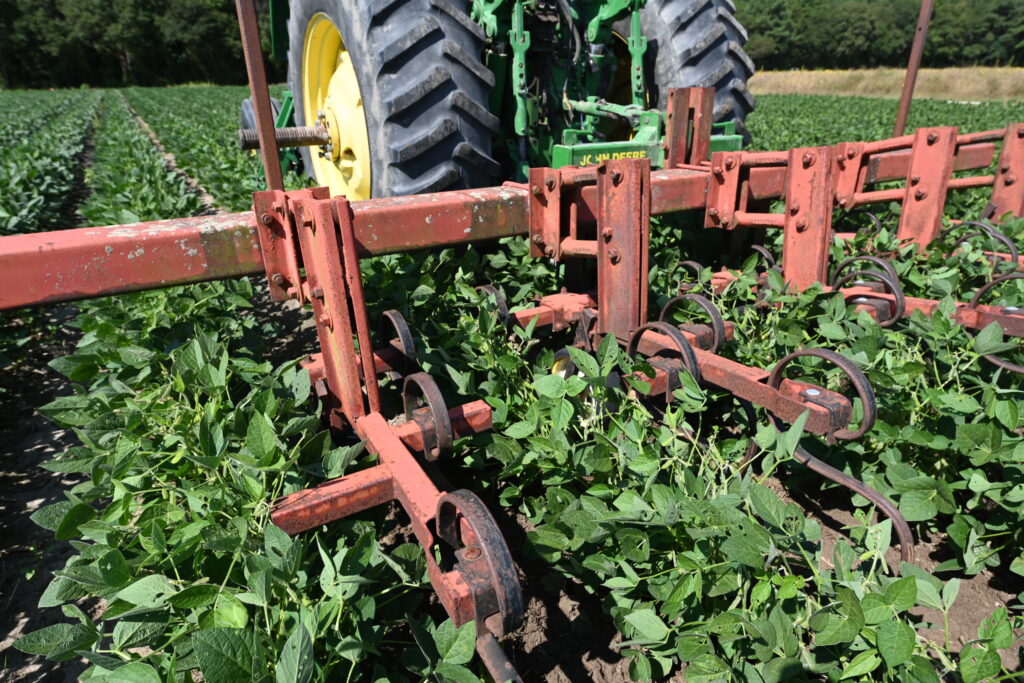
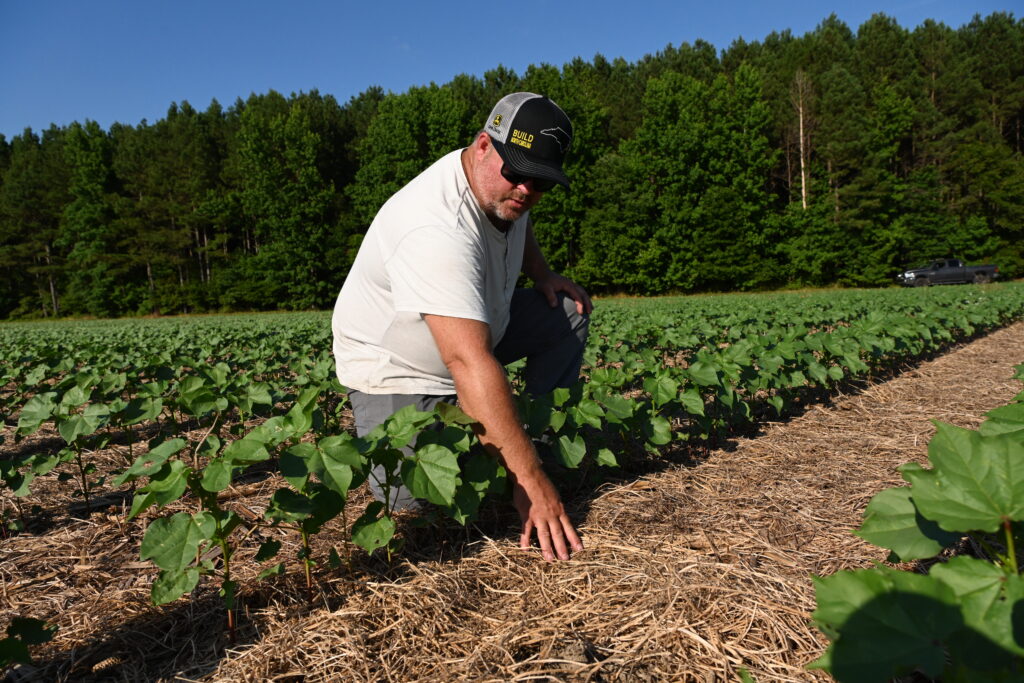
Hamberg and his advisor, Dr. Muthukumar Bagavathiannan, worked directly with Zasso’s engineers to create a continuous-contact unit capable of operating in row crops. Over the span of several months, the teams collaborated to create an electrical weeder with shielded electrodes spanning 32 inches and covering two crop rows.
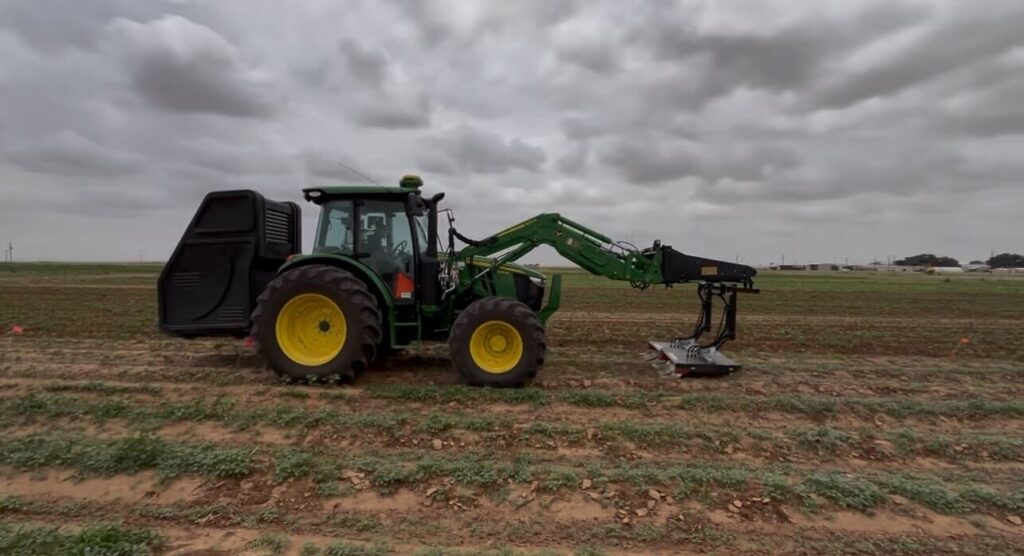
The electrodes are designed to fit inside of Texas’ 40-inch cotton rows, but Hamberg notes that many row crops have even smaller row spacing. Hamberg timed each pass to the typical herbicide application timing in cotton. The first weed electrocution pass occurred when the cotton plants were at the four-leaf stage, coinciding with an early-postemergent herbicide application. The second weed electrocution pass occurred as the cotton developed its first flowers, coinciding with a mid-to-late postemergent herbicide application.
“We were hoping this interrow electrical weeder could be used as a substitute for tillage,” Hamberg explains.
So far, Hamberg has found that the innovative electrical weeder gives the same (or even better) weed control when compared to inter-row cultivation – a weed control method commonly used in Texas cotton productions.
Annual broadleaves took the brunt of the shock. The Zasso killed these weeds, such as Palmer amaranth, after one pass at four miles per hour with the unit. Likewise, at the Lubbock, TX location in collaboration with Dr. Peter Dotray and PhD student Megan Singletary, researchers achieved near-perfect control of 3- to 4-inch Palmer amaranth, even at extremely high densities in the rows.
Annual grasses, though, were a bit more shock-resistant, especially when they were around the four-inch growth stage. Hamberg had to conduct two slower passes (0.8 miles per hour) to kill these weeds.
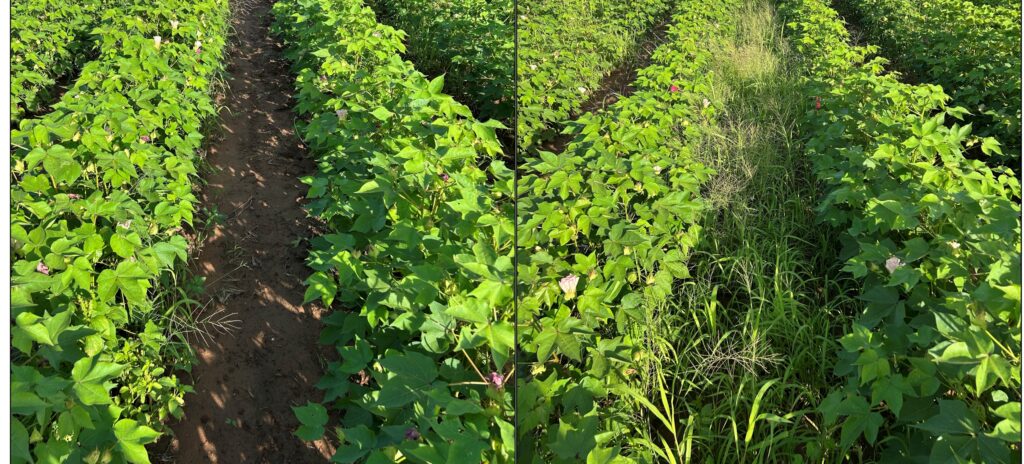
Similar to Sosnoskie’s research, Hamberg also notes that weed electrocution didn’t touch weeds hiding inside the crop rows. Both researchers emphasize that a different weed control tactic, such as targeted herbicide applications, will be needed to suppress those intra-row weeds.
From corn and soybeans in New York to cotton in Texas, both researchers report little-to-no cash crop damage from their separate studies. Cash crop damage only occurred after the machine electrode directly touched the cash crop, something that Sosnoskie and Hamberg chalk up to driver error, and that Bagavathiannan says tractors enabled with GPS should avoid.
Altogether, the findings indicate that adapting continuous-contact weed electrocution units for row crops is an ongoing, yet possible, weed control venture.
Explore GROW’s weed electrocution webpage for more information on this weed control tactic, and listen to farmers talk about using weed electrocution in this GROW Farmer Forum.
Article by Amy Sullivan, GROW; Header and feature photo by Lynn Sosnoskie, Cornell University.