Cover crop management is complex, but two recent studies could help clarify two important management factors for mid-Atlantic farmers: when and how to terminate cover crops in the spring.
Penn State researchers found that delaying cover crop termination and planting green helps retain soil moisture and can maximize early-planted soybean yields, according to Dr. Daniela Carrijo.
And University of Maryland researchers found that no combination of different herbicides and roll-crimping had any effect on cover crop residue decomposition speed, meaning most farmers will see season-long benefits as long as they aim for a late-terminated cereal rye cover crop, says then-University of Maryland grad student Dr. Cara Peterson. Both studies aim to take a few cover crop management concerns off farmers’ plates.
Cover Crop Biomass Blankets Soil, Affecting Soybean Yield and Soil Moisture
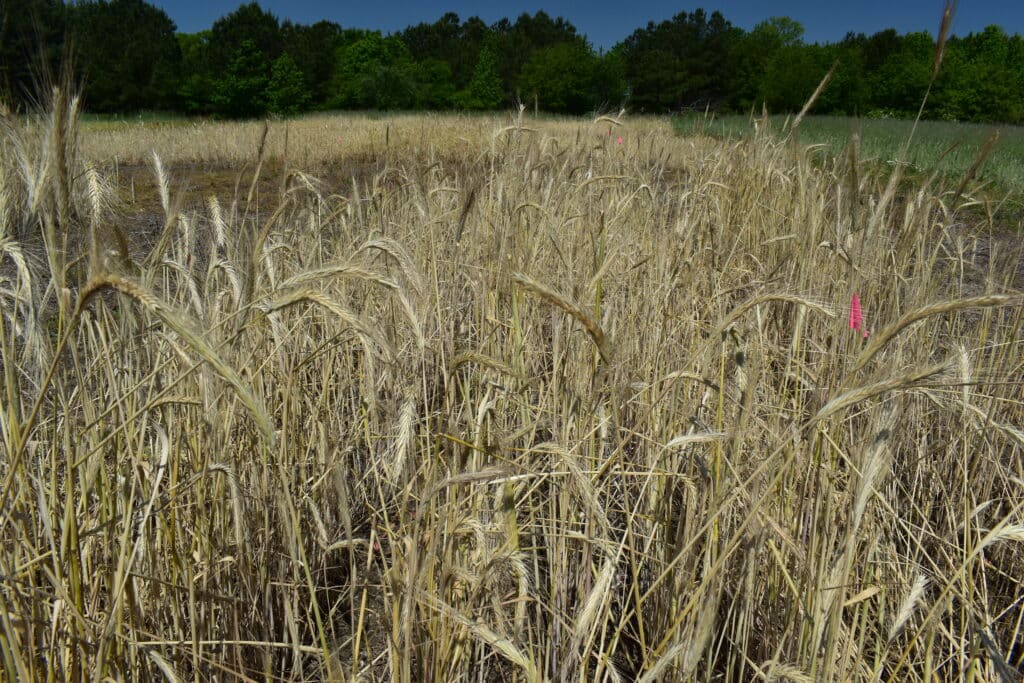
Maximizing cover crop biomass is well established as the best way to maximize weed suppression and other cover crop benefits. For farmers in rain-fed production areas like Pennsylvania, those biomass-based benefits could also trap soil moisture for cash crops to use.
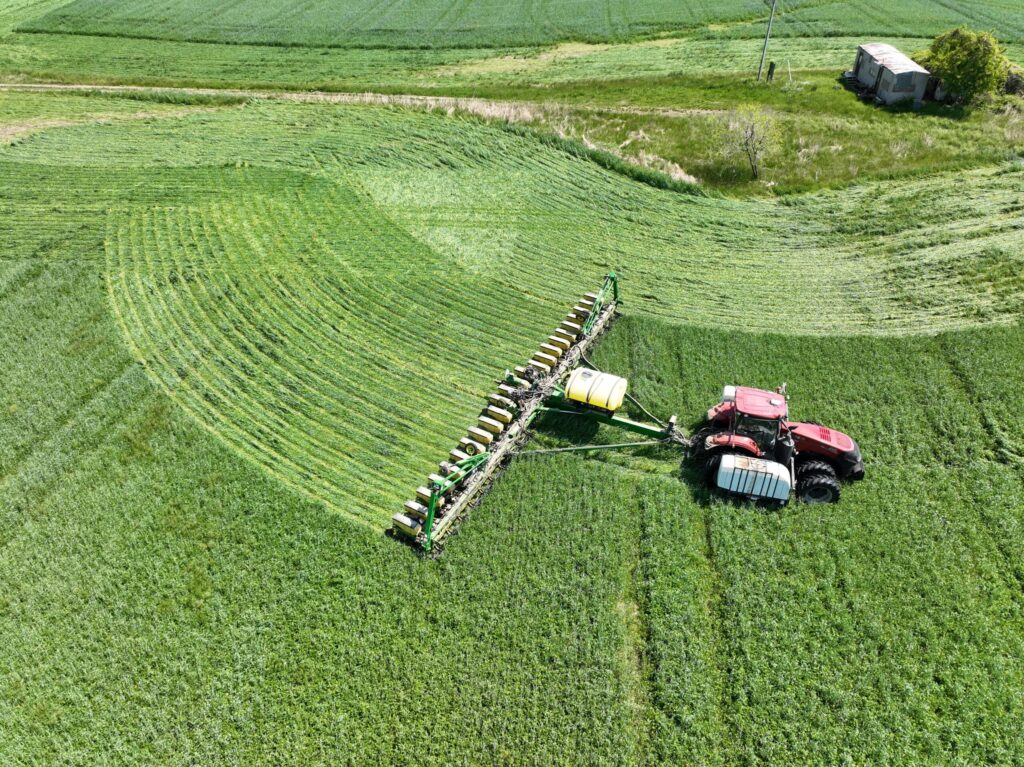
But getting more biomass often means pushing cover crop planting dates back, which can interfere with fall harvests. What if farmers instead delayed cover crop termination and planted their cash crop directly into the cover crop, a practice called planting green?
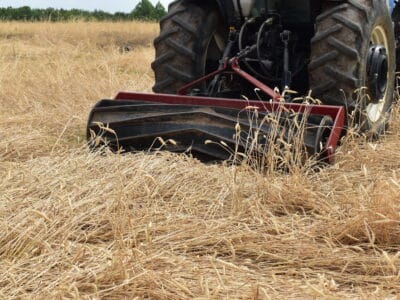
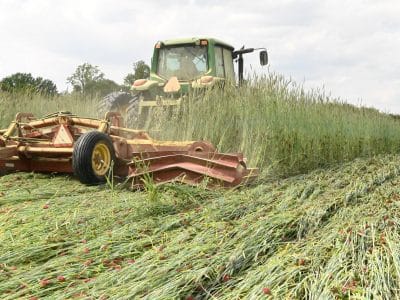
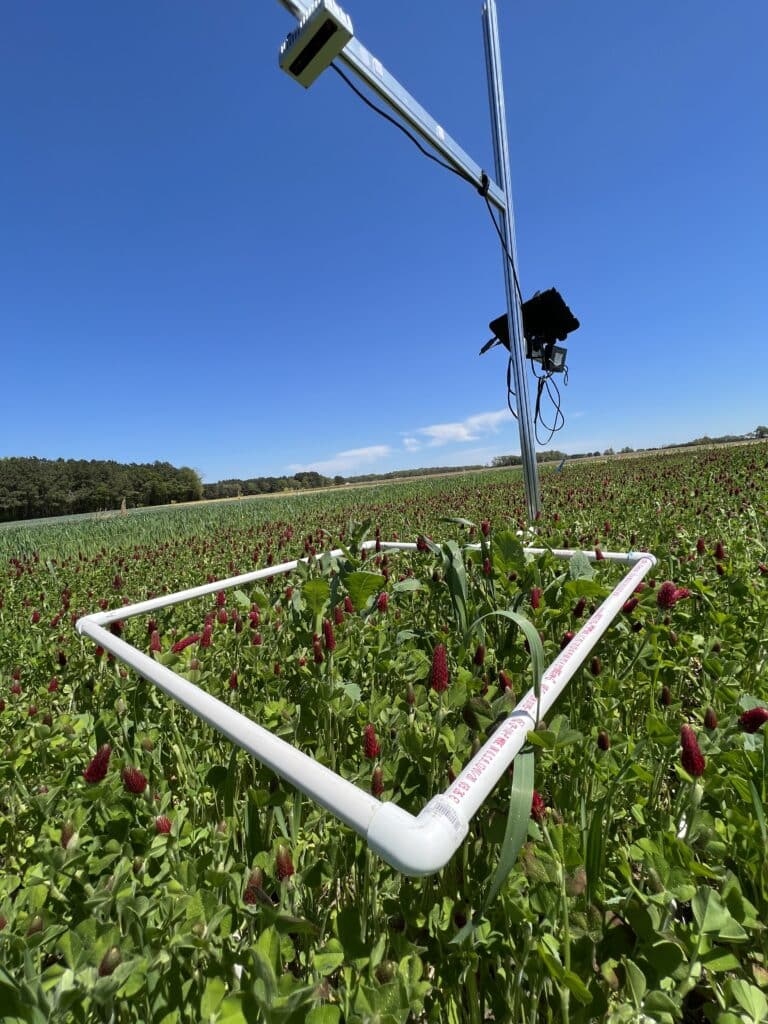
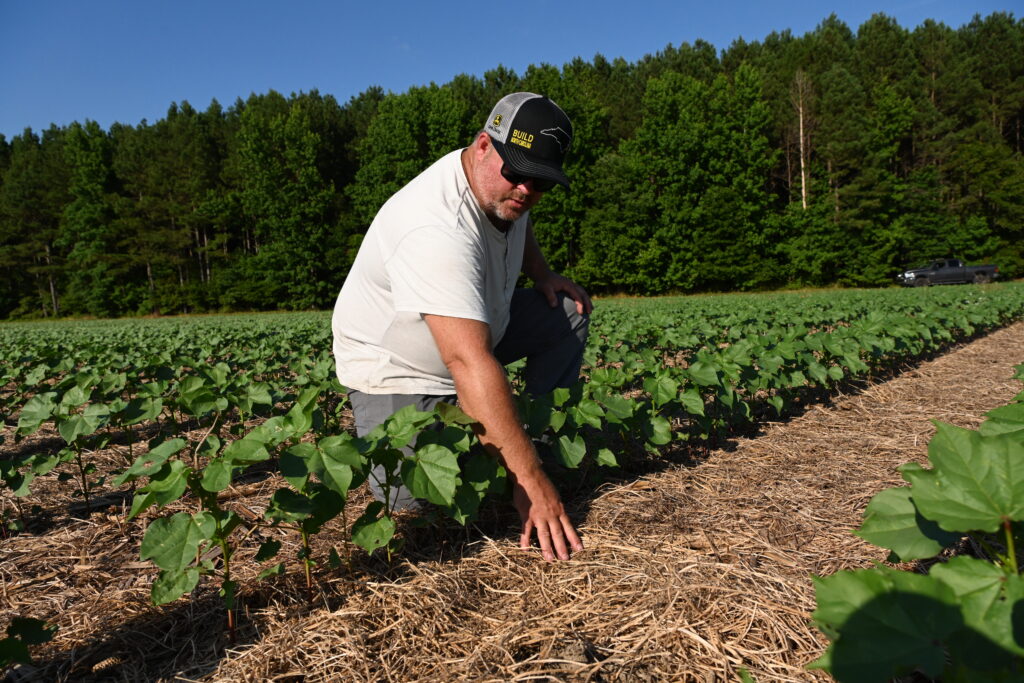
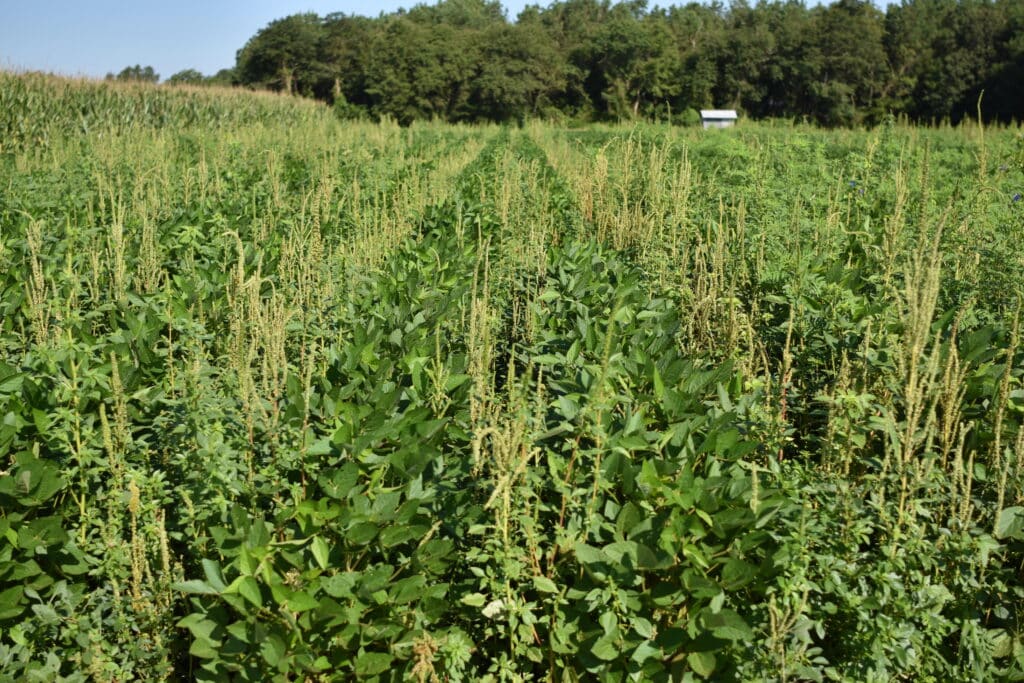
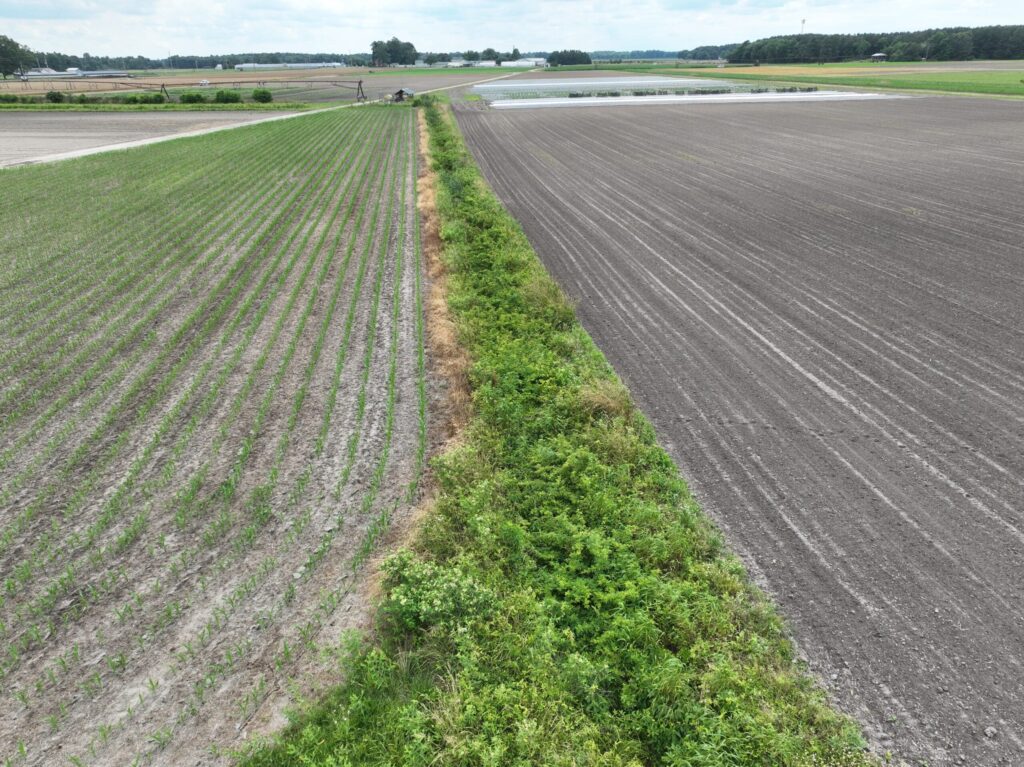
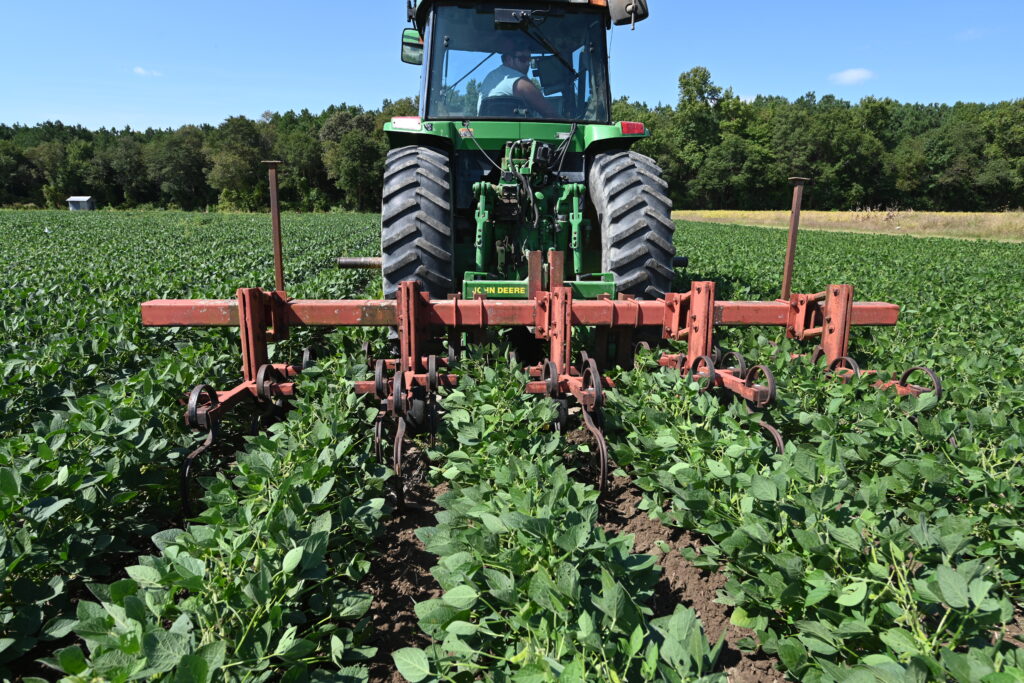
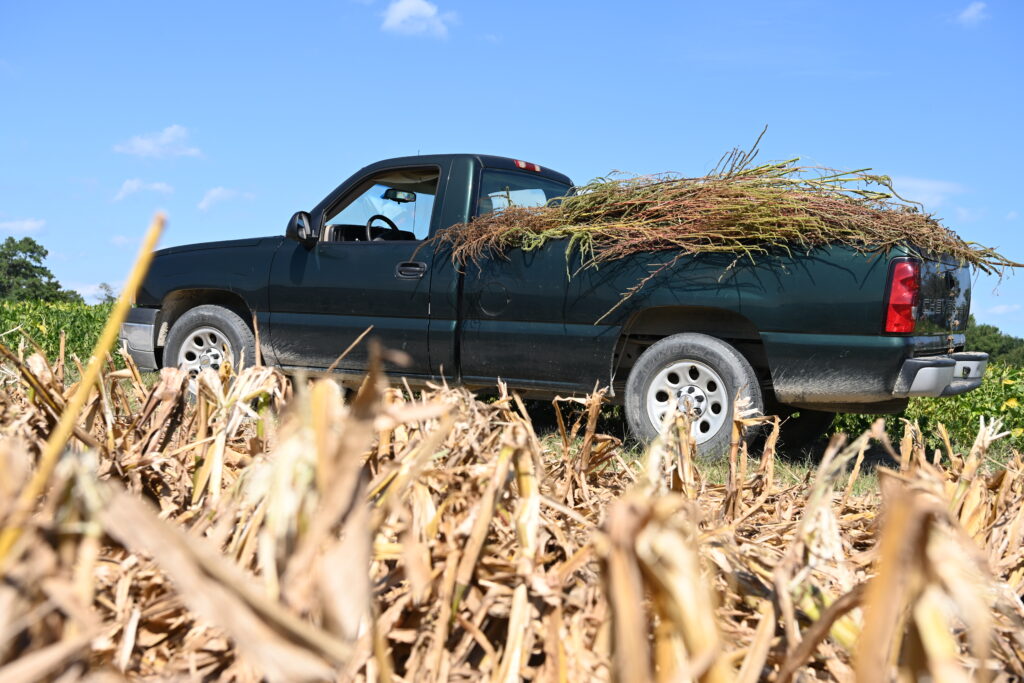
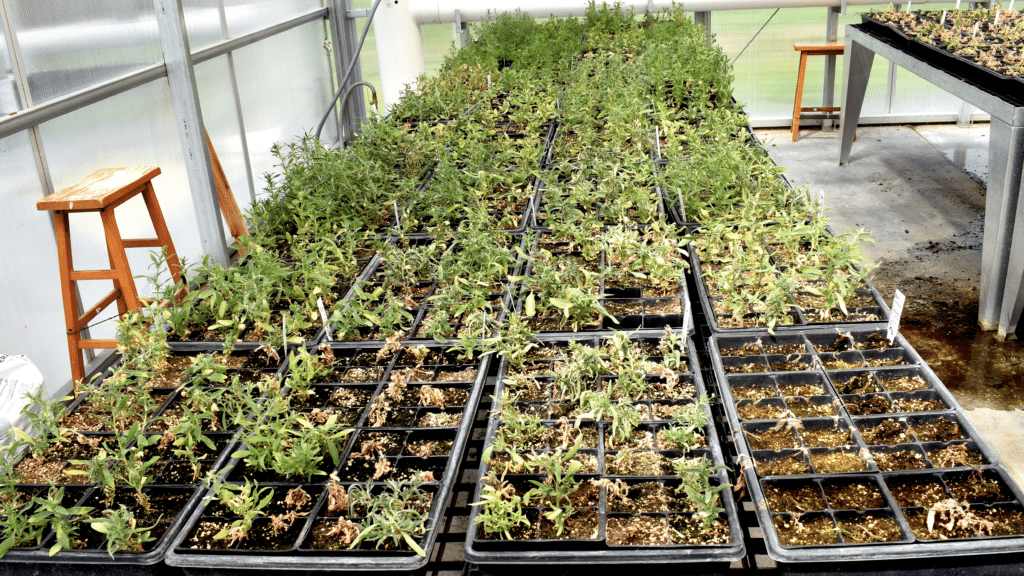
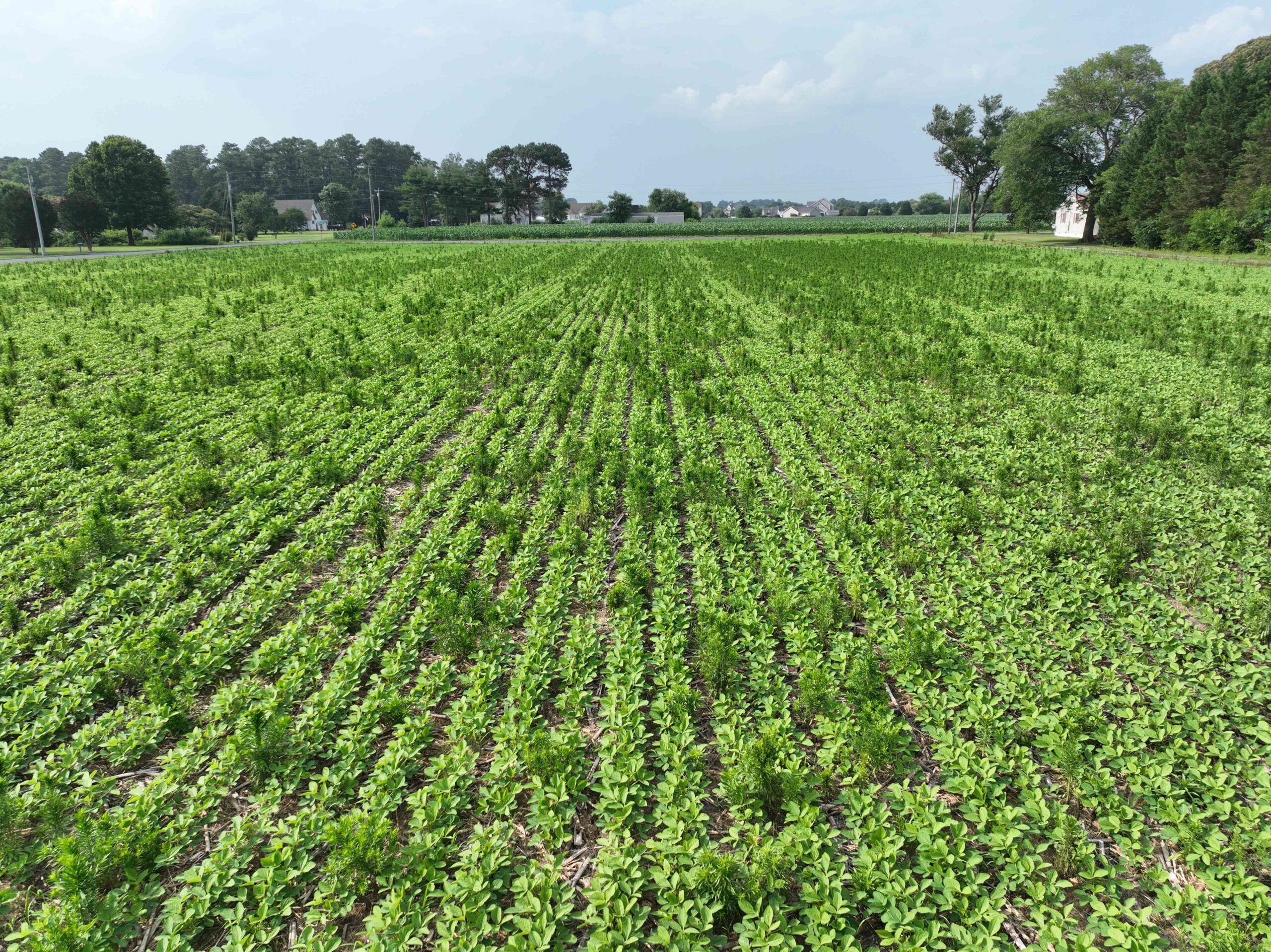
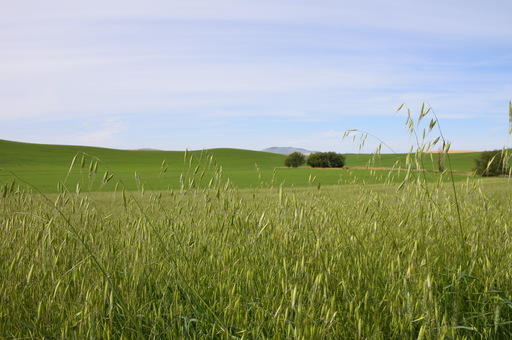
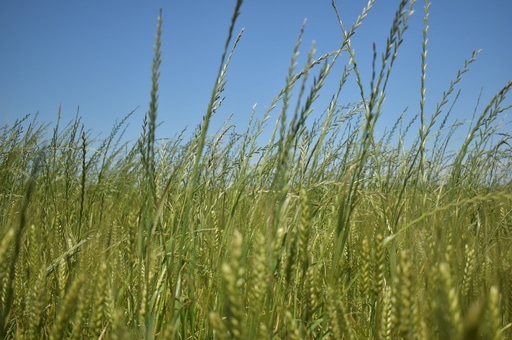
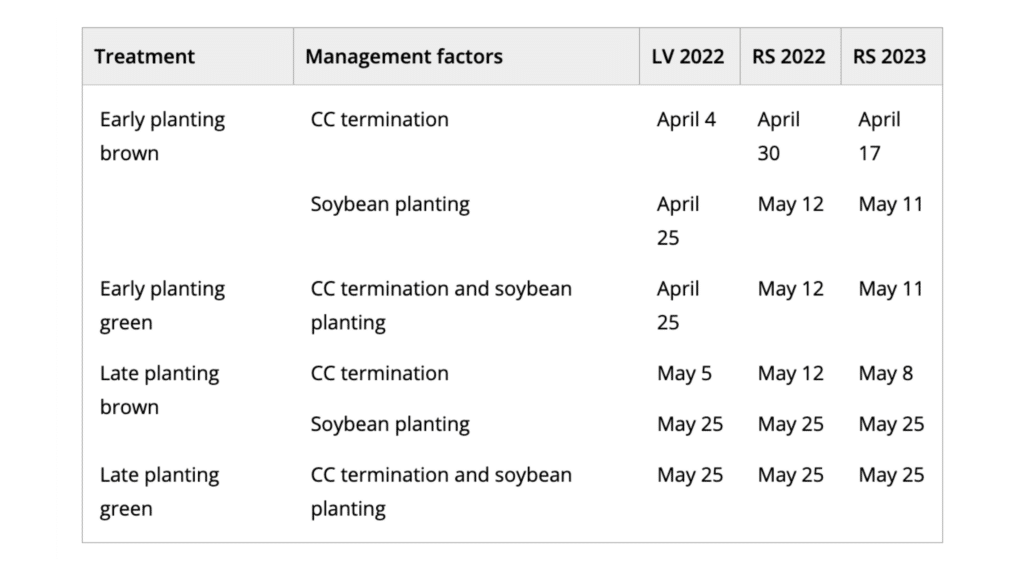
Carrijo tested four research plots with cereal rye and triticale monoculture cover crops: early- and late-planted soybeans in terminated cover crops (planting brown), and early- and late-planted soybeans in living, roll-crimped cover crops (planting green).
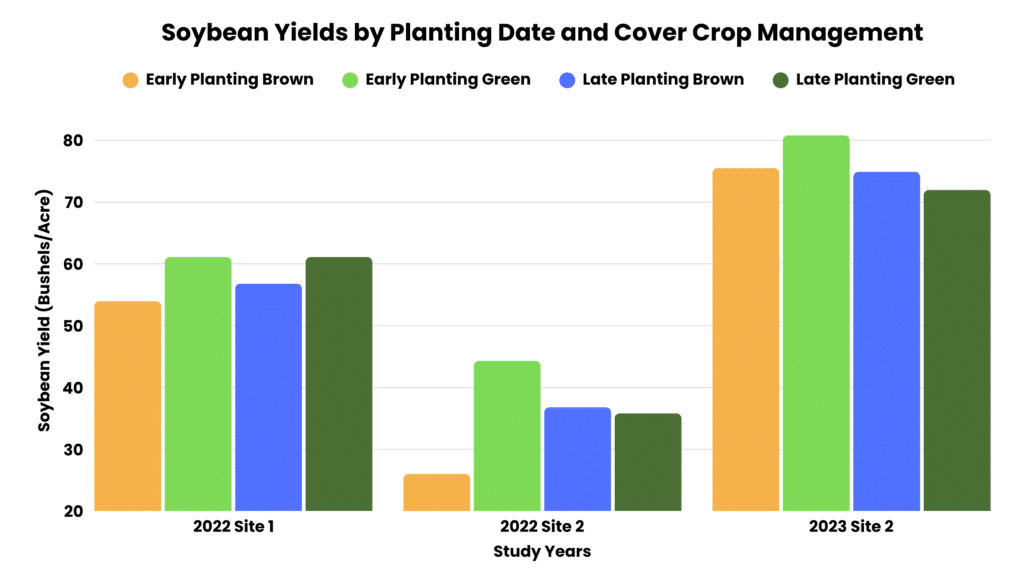
Across three field trials, planting soybeans early into living cover crops always resulted in the highest yields–as much as 70% higher yields when compared to a terminated cover crop, Carrijo found.
“The later the cover crop was terminated, the less the soybeans were water stressed,” Carrijo explains.
The reason boils down to biomass: Living, late-terminated cover crops produced more biomass (around 1,500 pounds per acre), which blankets and traps moisture inside the soil for the soybeans. Early-terminated cover crops often had little biomass (around 400 pounds per acre) and couldn’t trap soil moisture well.
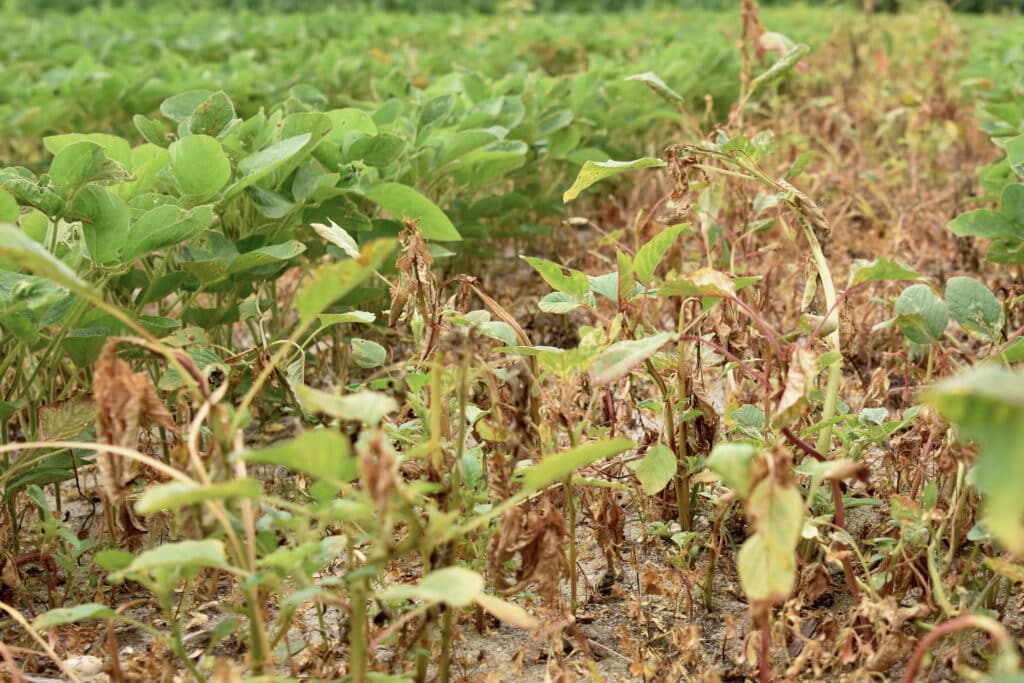
But cover crops won’t always help contain soil moisture, Carrijo notes. Cover crops will absorb soil moisture during the spring as it grows. That water absorption could be beneficial in very wet springs…or potentially delay cash crop emergence in dry springs.
Carrijo recalled that one study year had a particularly dry spring where cover crops drained the soil’s moisture and delayed late-planted soybean emergence by an additional two weeks. But, Carrijo also notes that crop’s yield ultimately went unaffected by the delay, likely because it was counteracted by the benefit of moisture retention later in the season. In years with severe spring drought, though, cover crops could take soil moisture and stunt cash crop growth and yields, she cautioned.
How Herbicides and Roll Crimping Affect the Cover Crop Blanket
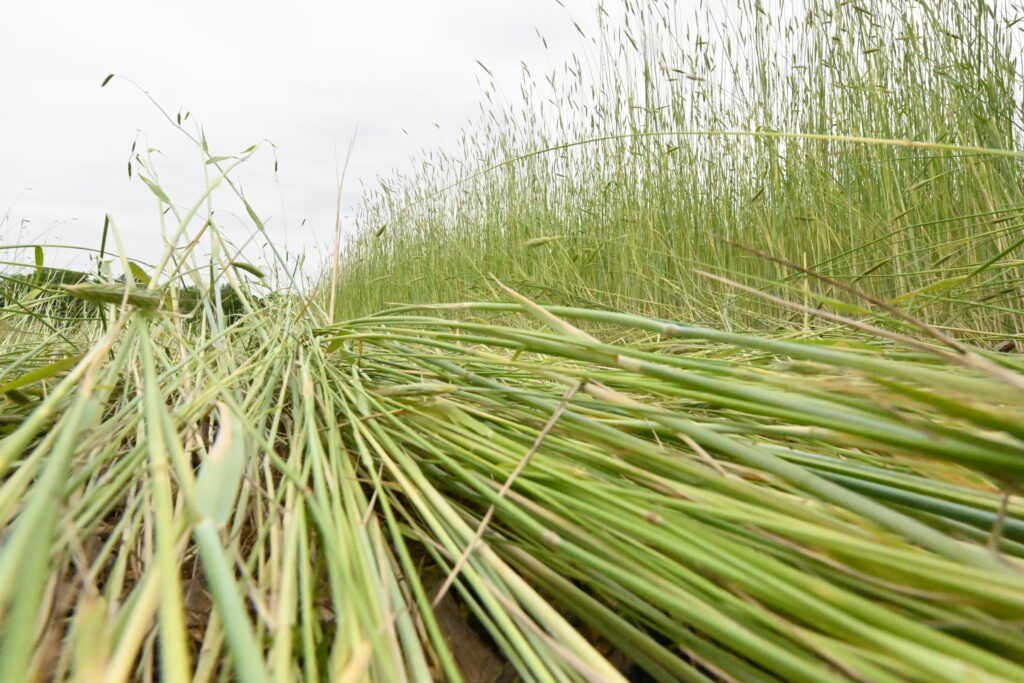
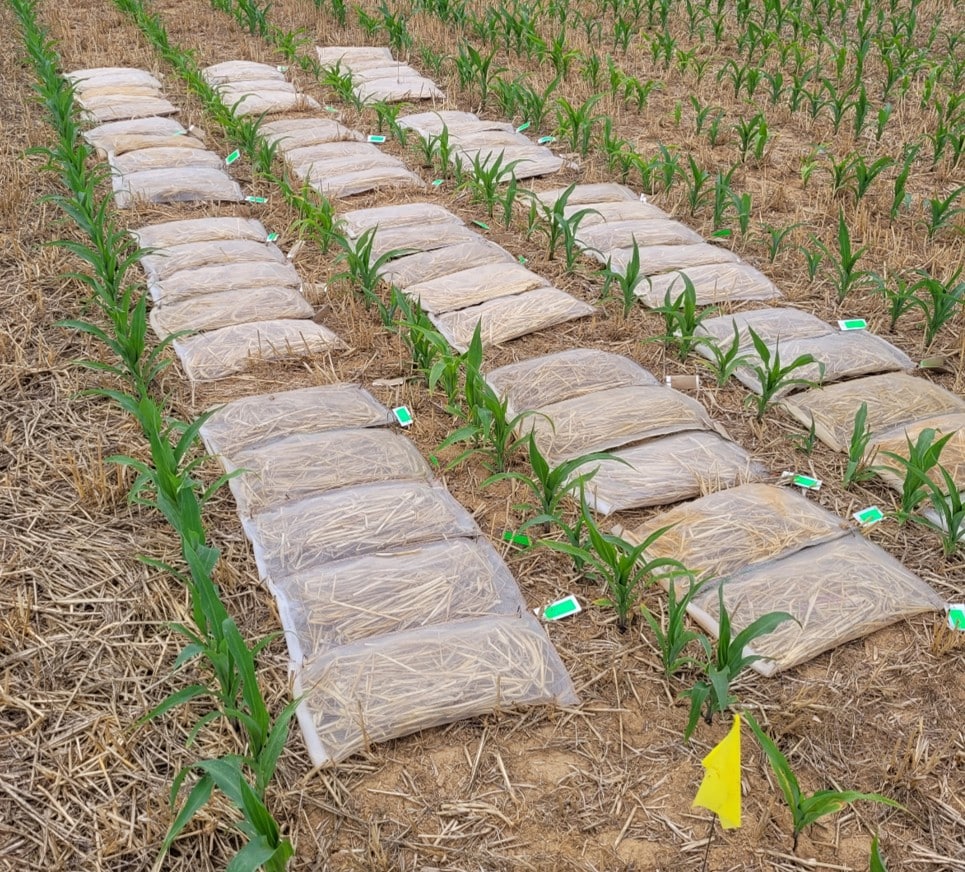
But what happens after farmers do finally terminate their cover crops? Over in Maryland, Dr. Cara Peterson studied how herbicides and roll crimping might hasten that cover crop’s decomposition in the field.
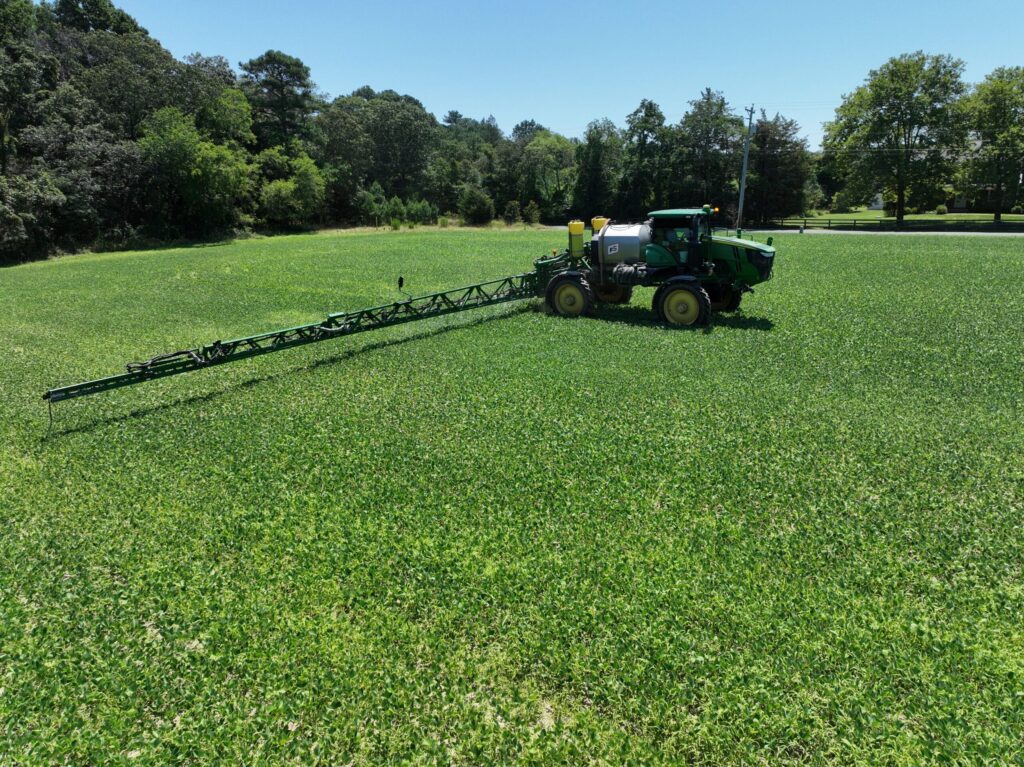
Peterson terminated a cereal rye cover crop using glyphosate or paraquat, two broad-spectrum herbicides that control plants in different ways. Glyphosate kills plants over several days, and sometimes weeks, by moving throughout the plant’s water transport system and stopping cells from working. Paraquat causes plant cell damage and death in just a few days.
Peterson wondered if the different herbicide death rates could also influence how quickly cereal rye decomposes. She also evaluated if roll crimping the sprayed cover crop helped that cover crop decompose even more quickly.
Peterson’s work revealed little-to-no difference between glyphosate and paraquat cover crop decomposition speed. Similarly, roll crimping had little effect on cereal rye decomposition speed when compared to cereal rye left standing, even between different soil types. Her work suggests that any of these cover crop termination methods will result in long lasting cover crop residues with high-biomass grass cover crops in the mid-Atlantic.
“There’s all these factors that farmers have to consider when choosing which herbicide program works for them,” Peterson notes. “So it’s a bit of a relief that this is one piece [farmers] don’t have to consider with a late-killed grass cover crop.”
Together, both studies offer handy information for mid-Atlantic farmers juggling cover crop termination management decisions.
Explore GROW’s website for more information on cover crop management and termination.
Article by Amy Sullivan, GROW; Header and feature photo by Claudio Rubione, GROW.