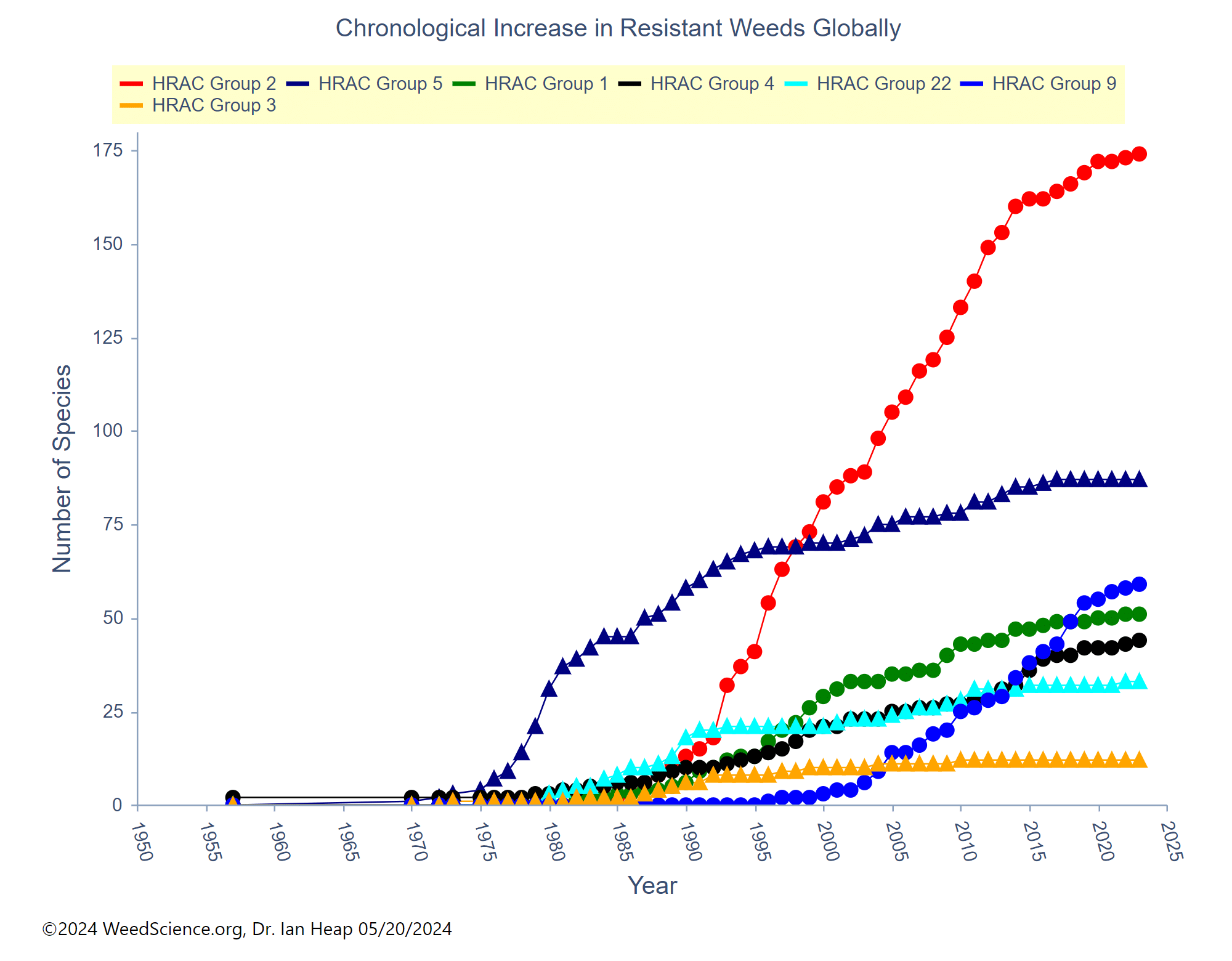
Two crucial factors are limiting weed control options and pushing no-till farmers in the Central Great Plains into a corner: herbicide resistance and water availability. That squeeze led Cornell University and Kansas State University researchers down a three-year path researching how cover crops and residual herbicides can suppress weeds, protect grain sorghum yields, and influence financial returns for farmers.
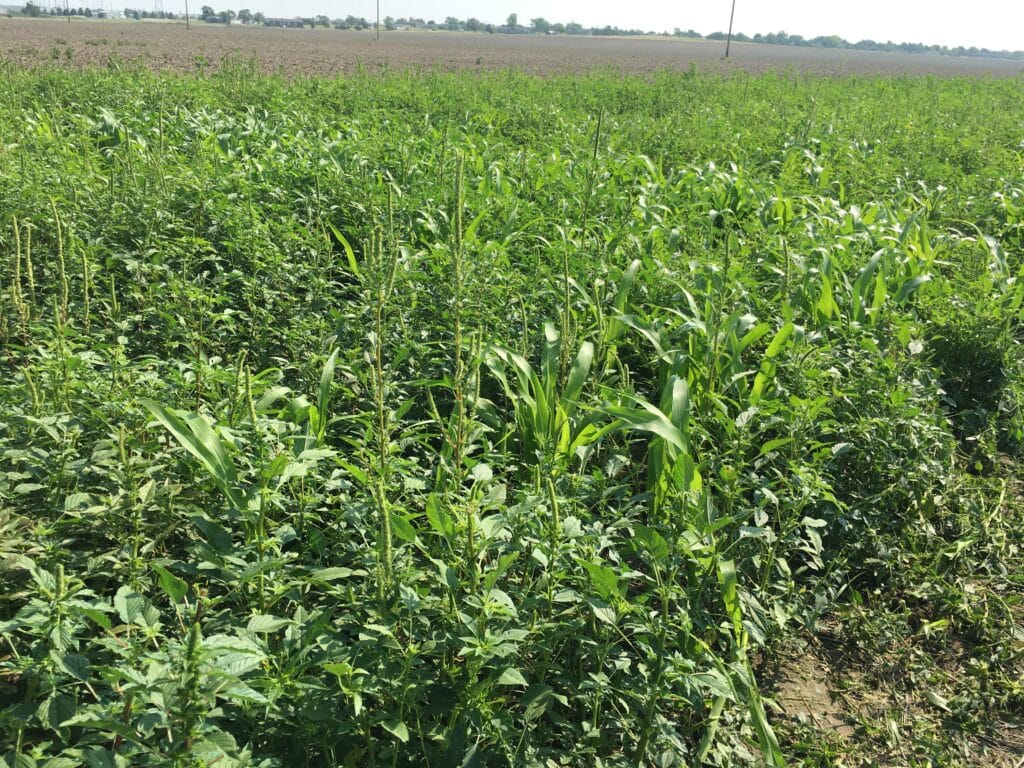
The resulting study found that fall-planted cover crops terminated with a combination of glyphosate, acetochlor, and atrazine reduced up to 81% of weeds on average, according to Dr. Vipan Kumar (formerly at Kansas State, now at Cornell) and his former Kansas State Ph.D. student Dr. Sachin Dhanda. But that cover crop regime could come at a steep financial cost to farmers when rain is limited and the following sorghum yields are low.
Fall-Planted Cover Crops Pummel Weeds
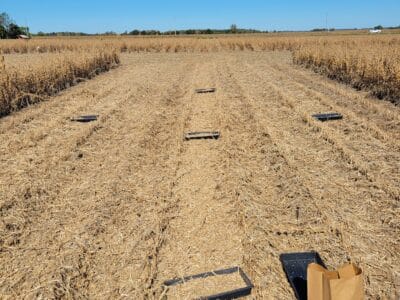
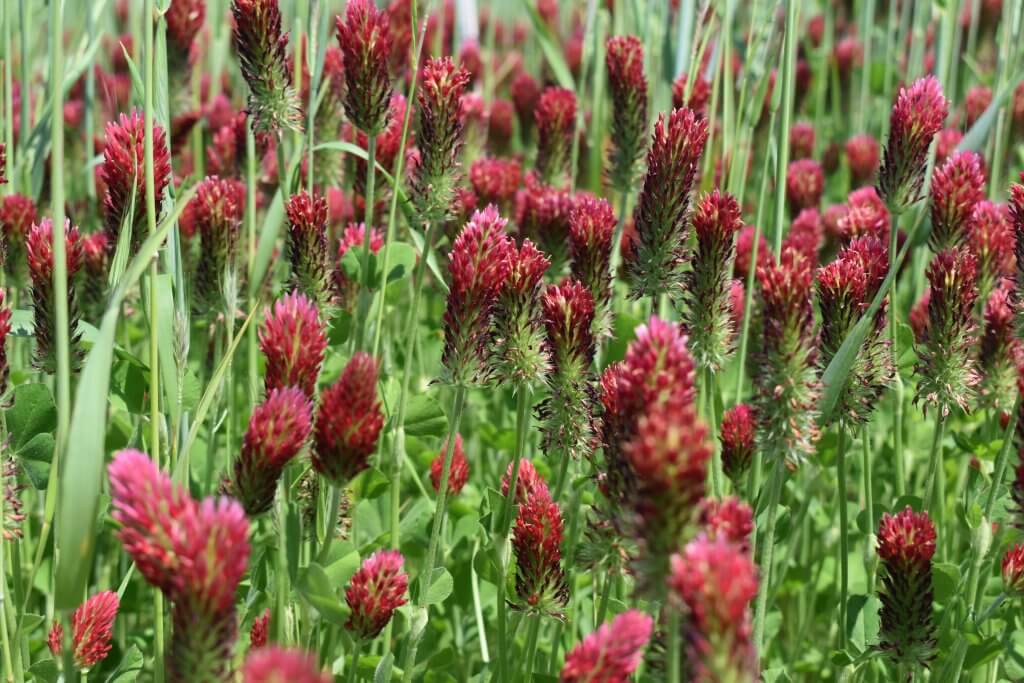
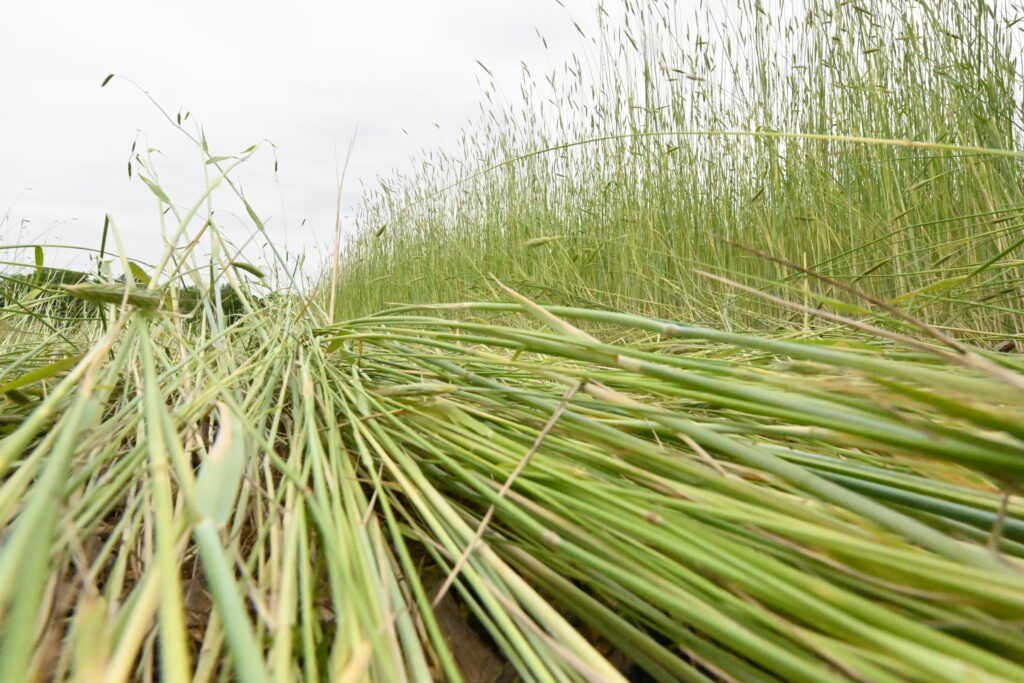
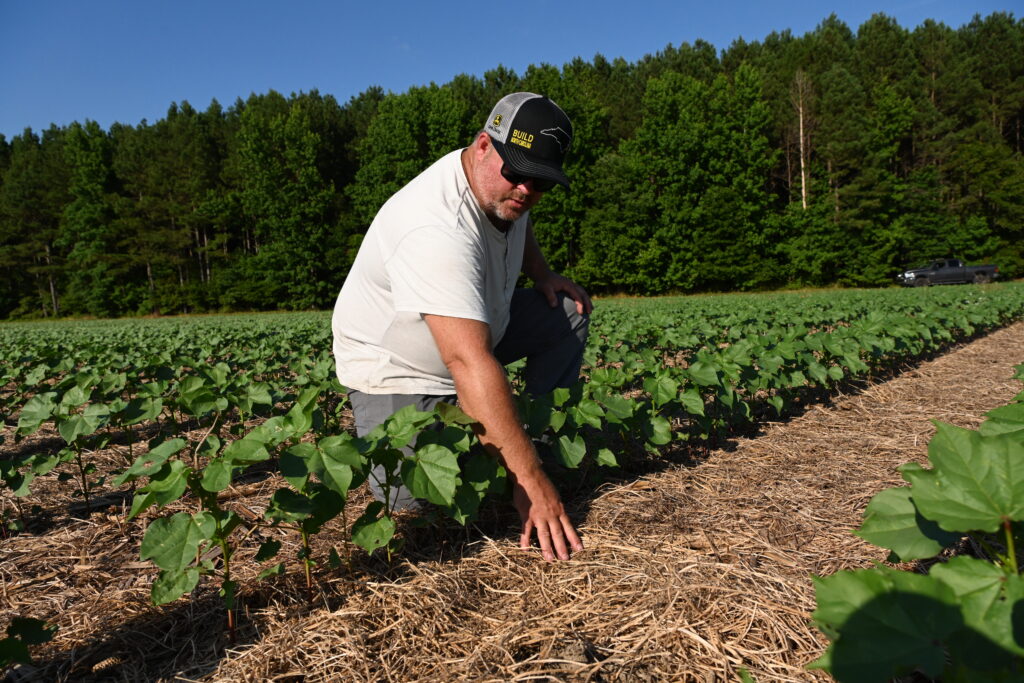
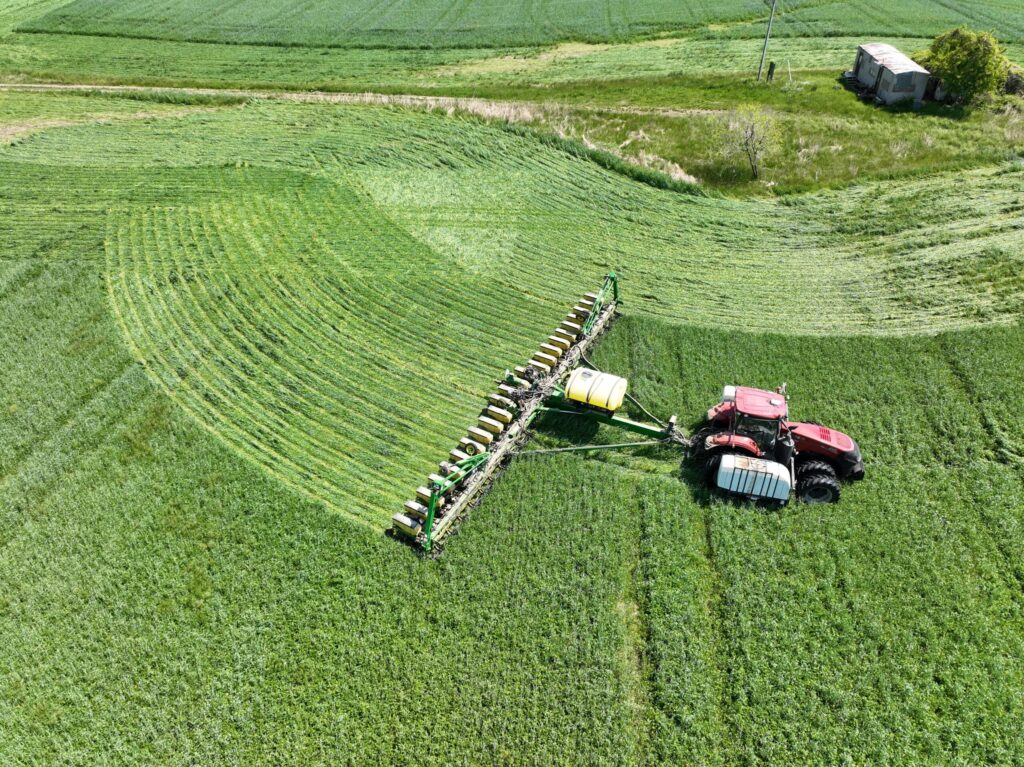
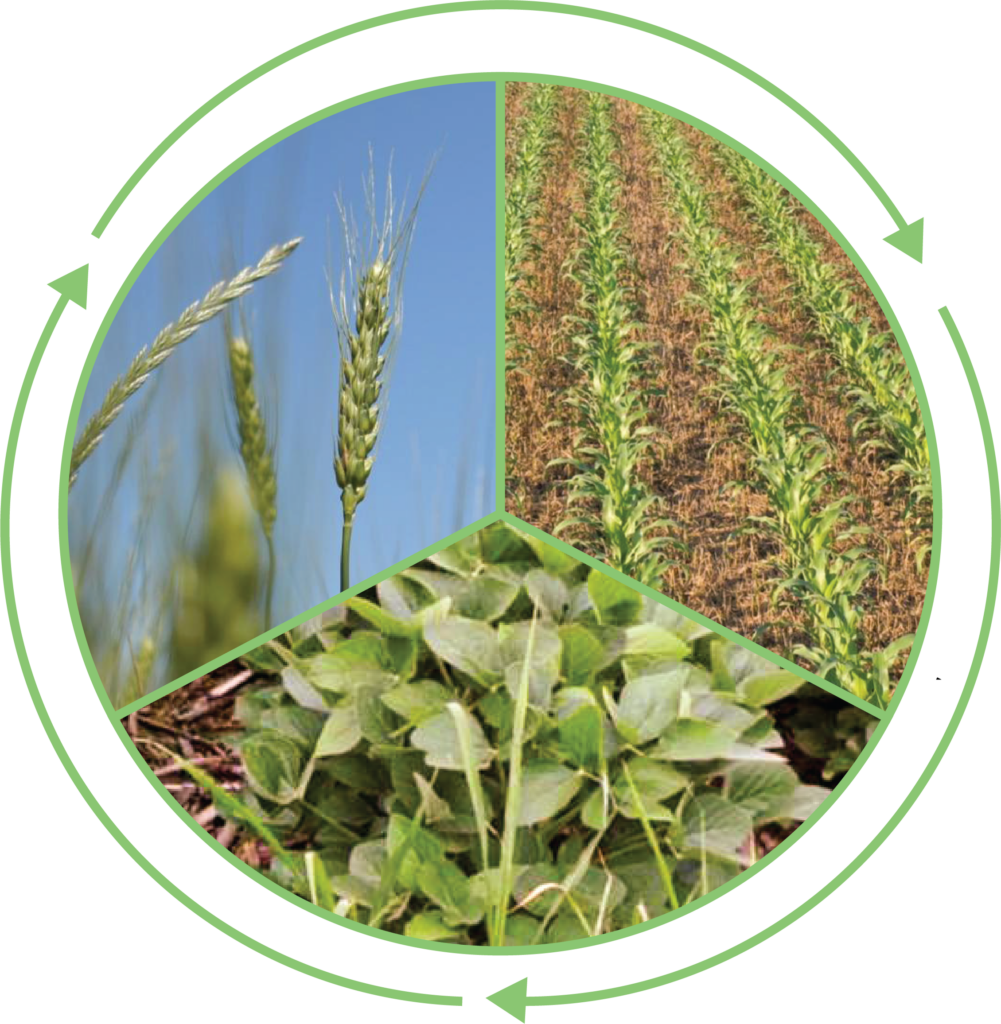
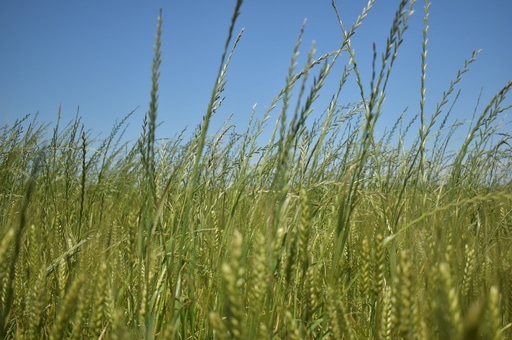
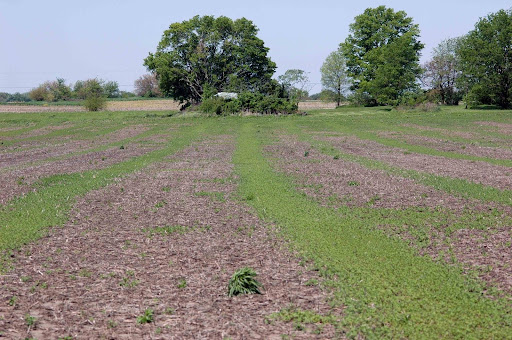
Dhanda teamed up winter triticale (60%), winter peas (30%), canola (5%) and radish (5%) for his fall-planted cover crop mixture. Researchers drilled that mixture into wheat stubble each fall in a wheat-sorghum-fallow rotation, and terminated it each May at the triticale heading stage before planting sorghum.
“Cereal rye is the number one cover crop for weed suppression, but we couldn’t use cereal rye because we are in a wheat-based cropping system, and cereal rye volunteers can become problematic weeds in wheat,” Dhanda explains. “And we wanted to explore other [cover crop] benefits as well.”
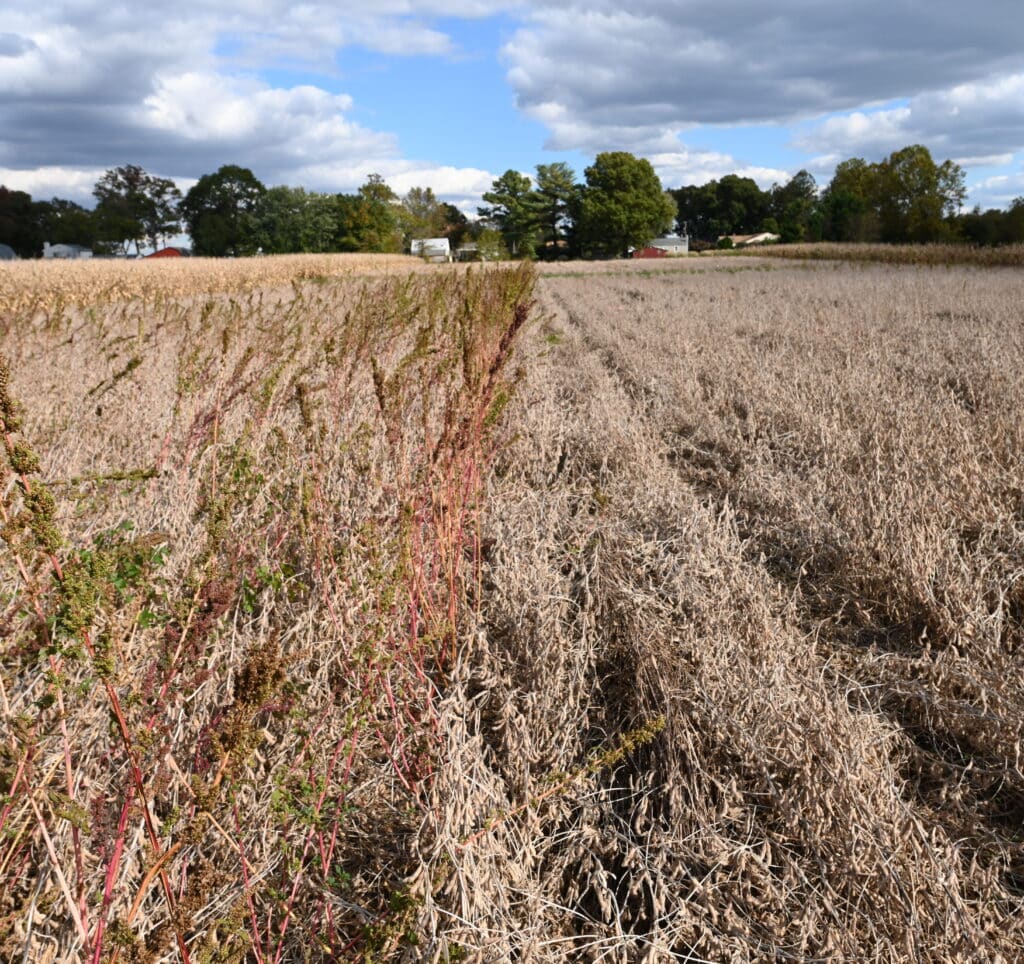
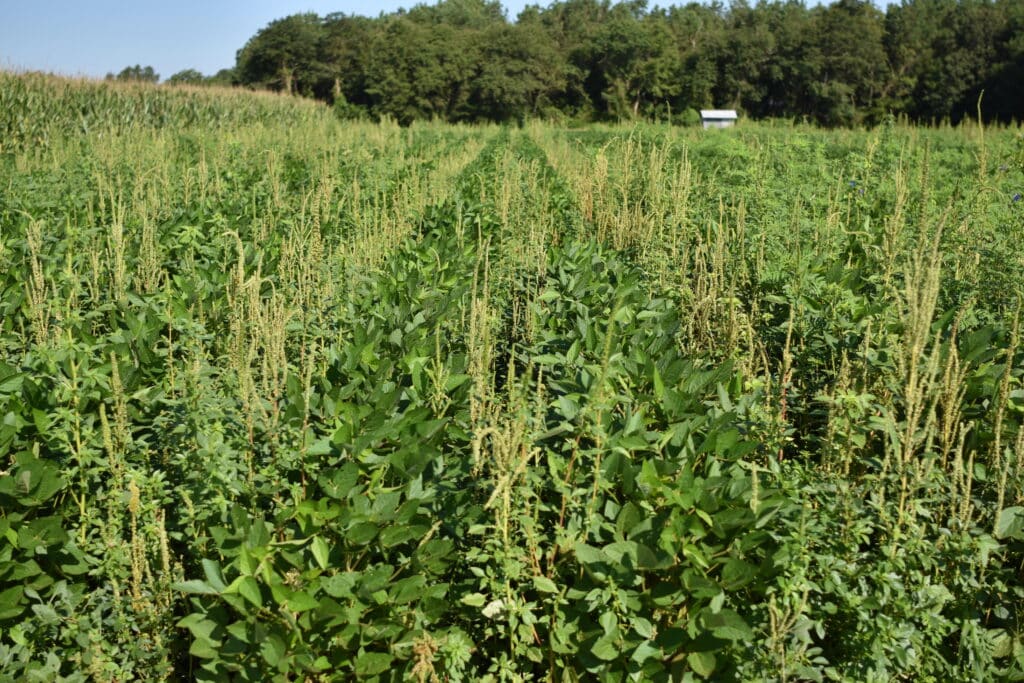
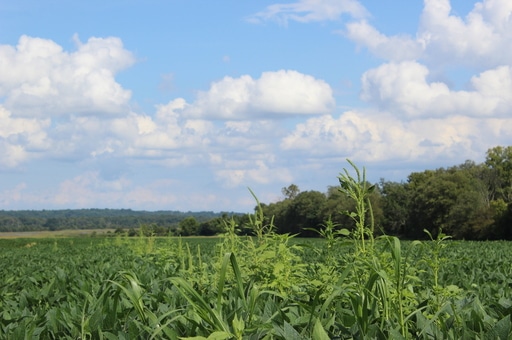
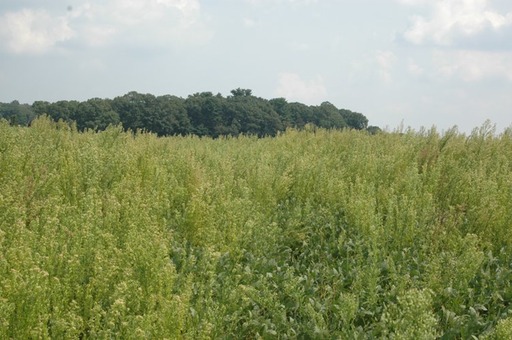
In the 2021 growing season, Dhanda says that the fall-planted cover crops alone reduced Palmer amaranth – the field’s dominant weed – by up to 95% before termination. Terminating those cover crops with glyphosate, atrazine, and acetochlor suppressed 50% of weeds in the field up to 120 days after termination, compared to plots using herbicides alone (without cover crops).
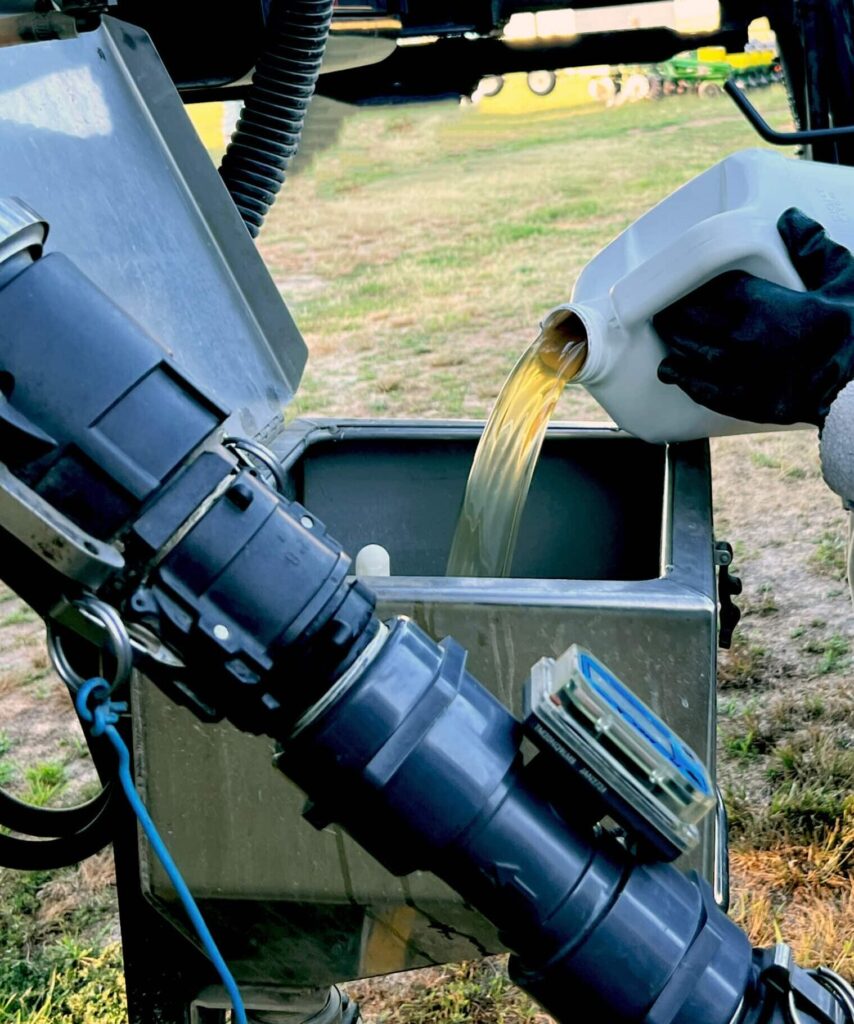
At 30 days after planting in the 2022 growing season, fall-planted cover crops terminated with glyphosate along with residual herbicides suppressed weeds by 92% compared to herbicides alone. This growing season highlighted the need for residual herbicides, Dhanda says. Terminating the cover crops with glyphosate alone resulted in 21 more weeds per square meter than when residual herbicides were added during termination. Cover crops suppress weeds with their biomass, but residual herbicides keep the fields clean for the rest of the season.
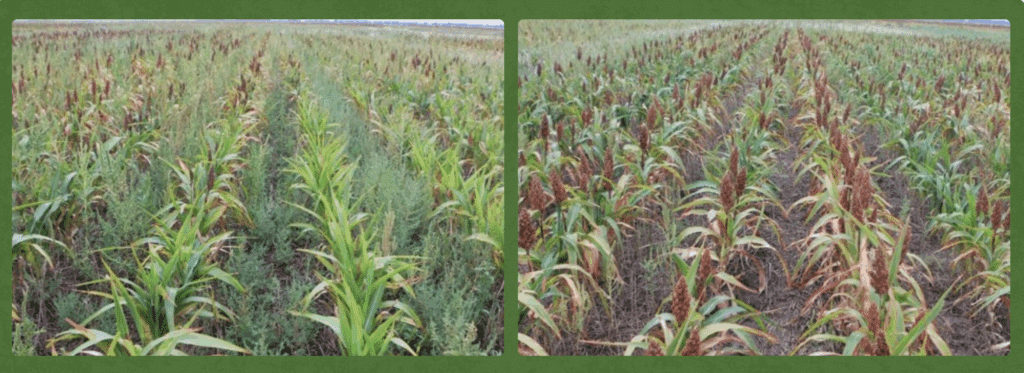
In the 2023 growing season, fall-planted cover crops terminated with residual herbicides decimated weeds. No weeds germinated within 30 days after cover crop termination. Cover crops and residual herbicides reduced weeds by 70% up to four months after termination when compared to the nontreated (no cover crops and no herbicides) plot.
Residual herbicides alone achieved similar weed control to cover crops paired with residual herbicides across all three study years, but Dhanda warns against reaching for just the premix. Herbicide resistance in the Central Great Plains has already narrowed what farmers can use in their fields, and cover crop benefits extend beyond just weed control. Plus, a cover crop biomass of just 1,222 pounds per acre on average was enough to achieve the weed control observed in this study.
The repeated use of cover crops and residual herbicides affects more than just the weeds that pop up in the field that year. Dhanda theorizes that the soil’s weed seedbank likely decreased over time and added to the overall weed reduction seen each year.
Sorghum Yields After Fall-Planted Cover Crops
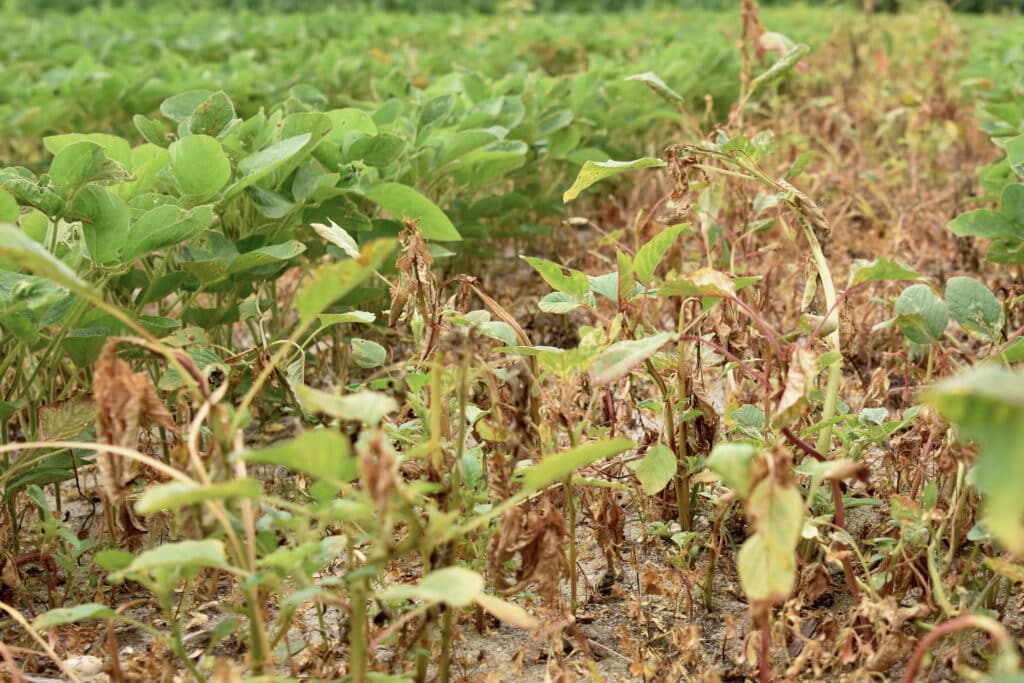
Fall-planted cover crops tackle weeds, but they can also strain soil moisture in dry years, stressing the sorghum plants and reducing yields, Dhanda emphasizes.
“If farmers feel that they are getting good moisture, then they should definitely go with cover crops,” Dhanda says. “If it is really dry, they shouldn’t go with the cover crop because that can impact their yields.”
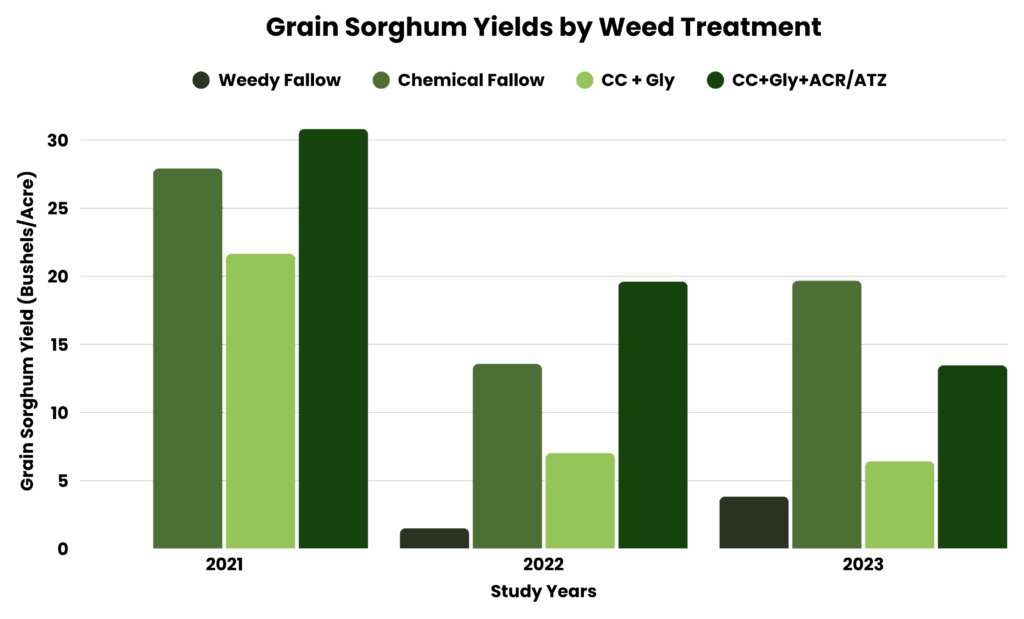
Grain sorghum yields after cover crops and residual herbicides ranged from 13.4 to 30.8 bushels per acre in Dhanda’s study, and moisture was the biggest factor in those swings.
Fall-planted cover crops and residual herbicides didn’t impact grain sorghum yields in 2021 thanks to adequate rainfall. But drought plagued the 2022 growing season and most of the season’s rain came just as the grain sorghum was about to flower, ultimately stressing the crop. That stress resulted in a grain sorghum yield of 19.6 bushels per acre, compared to 30.8 bushels per acre in 2021.
Similarly, the grain sorghum in 2023 was stressed after little rainfall replenished the soil moisture used by the fall-planted cover crops. That year’s crop stress resulted in a grain sorghum yield of just 13.4 bushels per acre.
Making Gains or Losing Bucks?
Fall-planted cover crops terminated with residual herbicides could result in more money returning to farmers’ wallets from reduced weed pressure, but the costs of cover crop seed or low sorghum yields can offset those returns, Dhanda notes.
Dhanda estimates that farmers need a grain sorghum yield of at least 29.7 bushels per acre to break even after using fall-planted cover crops terminated by glyphosate and residual herbicides. The 2021 growing season, for example, resulted in 30.8 bushels per acre, and an economic return of $26.57 per acre. But the 2022 season brought in a yield of 19.6 bushels per acre and an economic loss of $46.56 per acre.
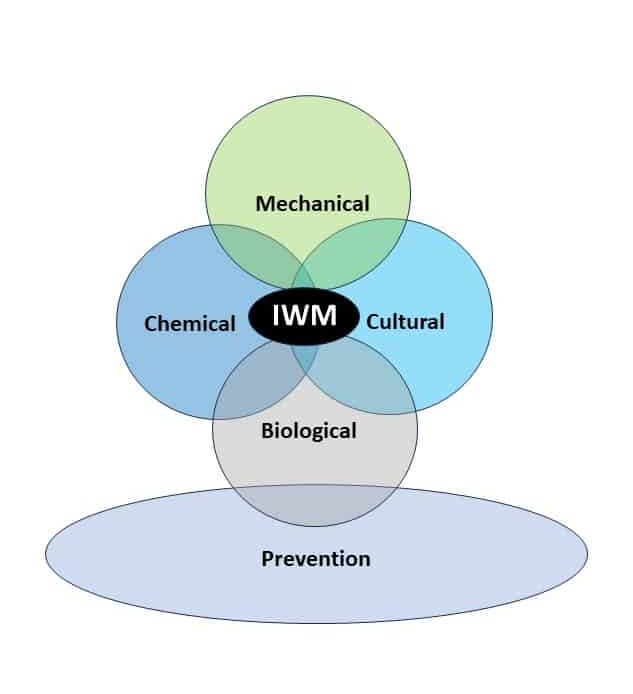
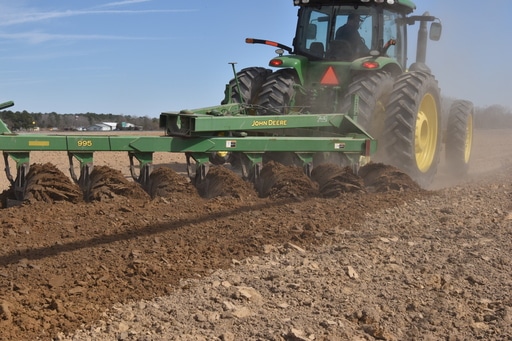
Cover crops and residual herbicides can certainly tackle weeds in sorghum production, but they are just one weed-suppressing route that farmers can take. Dhanda emphasizes the importance of having flexible weed control methods ready to be deployed in dry years. For farmers in the Central Great Plains that could mean using occasional or strategic tillage, practicing harvest weed seed control methods such as seed impact mills and chaff lining, and adjusting row spacing to help suppress the weeds in your sorghum fields.
“We really need to integrate other tools in combination with cover crops to get cost-effective and sustainable weed control in dryland wheat-sorghum-fallow rotation,” Dhanda concludes.
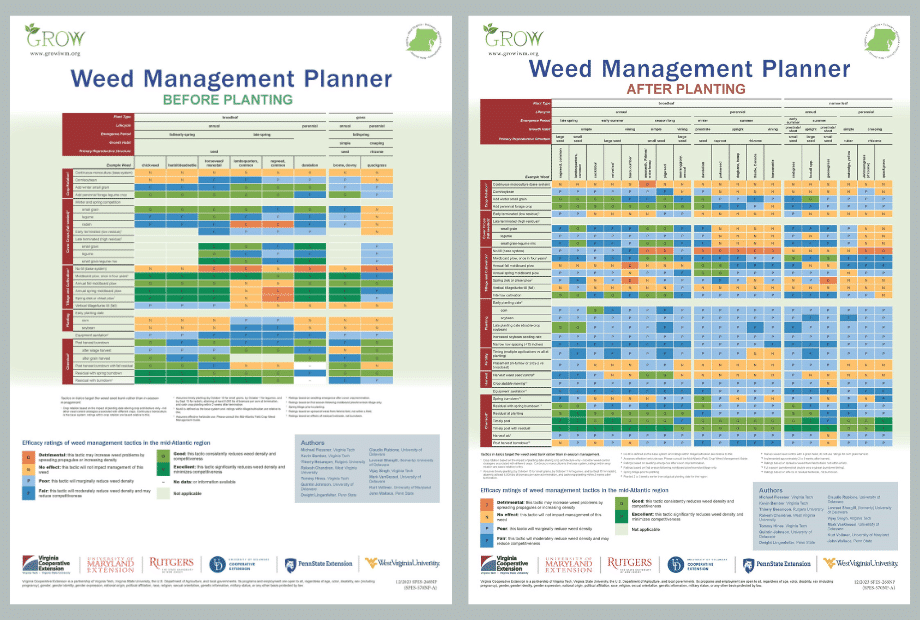
Explore GROW’s website for more information about integrated weed management and managing cover crops, as well as terminating them.
Article, header, and feature photo by Amy Sullivan, GROW.