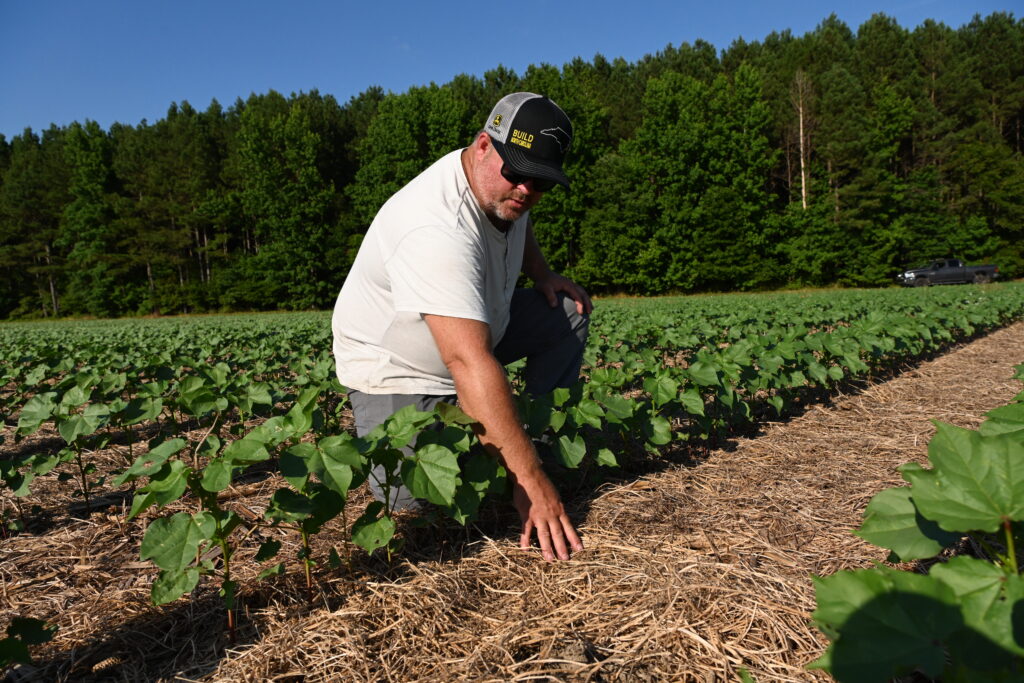
When weather lets you plant your soybeans early, you might be left wondering how your weed control and crop yield fares as a result. Michigan State researchers examined these very factors, as well as row spacing, to provide some steadfast tips in helping your early-planted soybeans thrive against weeds.
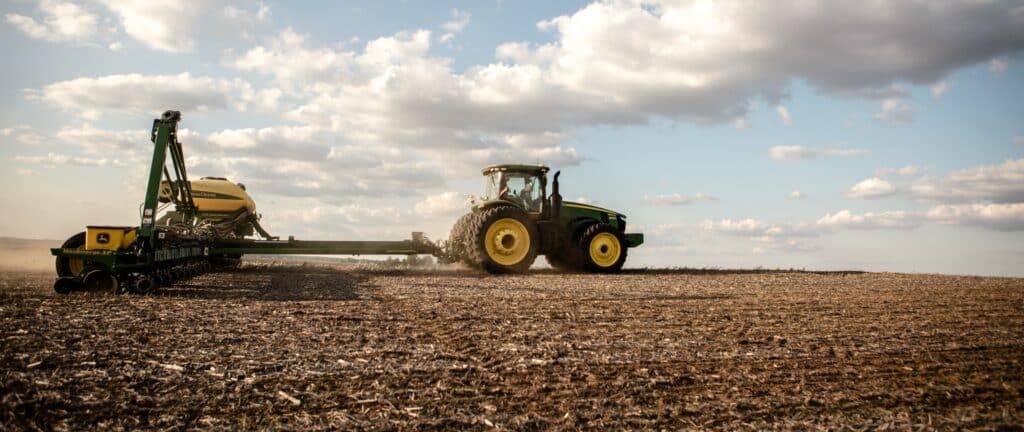
Upper-Midwestern farmers can rest assured that soybean planting date doesn’t negatively affect yield when they’ve got their weeds under control, and the key to that control is using a preemergent and postemergent herbicide program. And while narrow rows can almost halve weeds in the field, a thorough herbicide program will completely knock weeds out of the park, according to Michigan State’s Dr. Christy Sprague.
“We’re recommending a two-pass program [for early-planted soybeans], so not any different than what we recommend for our typical planting time,” Sprague says.
Controlling Weeds When Planting Early
Harsh spring freezes are becoming uncommon in the Upper Midwest. The changing weather opens a window for soybean farmers to plant as much as two weeks earlier than normal, even if that means their soybeans will take a bit more time to grow because of the cooler temperatures.
“If you feel that the weather is conducive to it, get those beans in the ground because they can sit there for a while and not be negatively impacted,” Sprague advises.
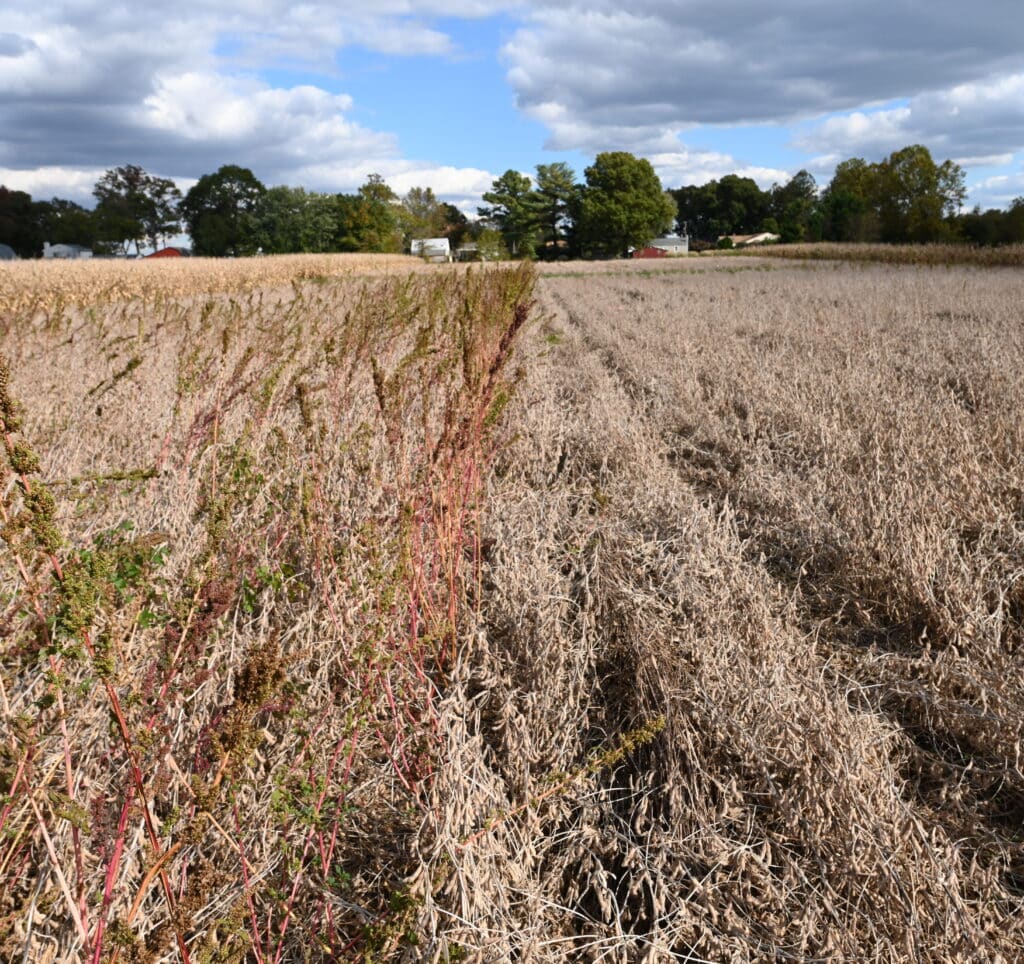
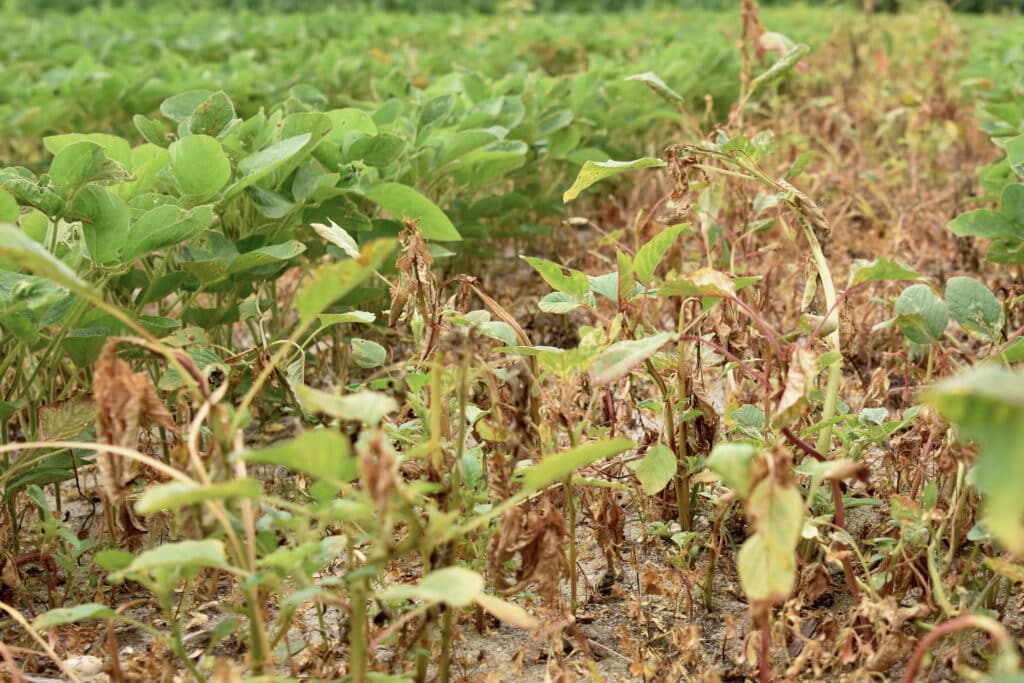
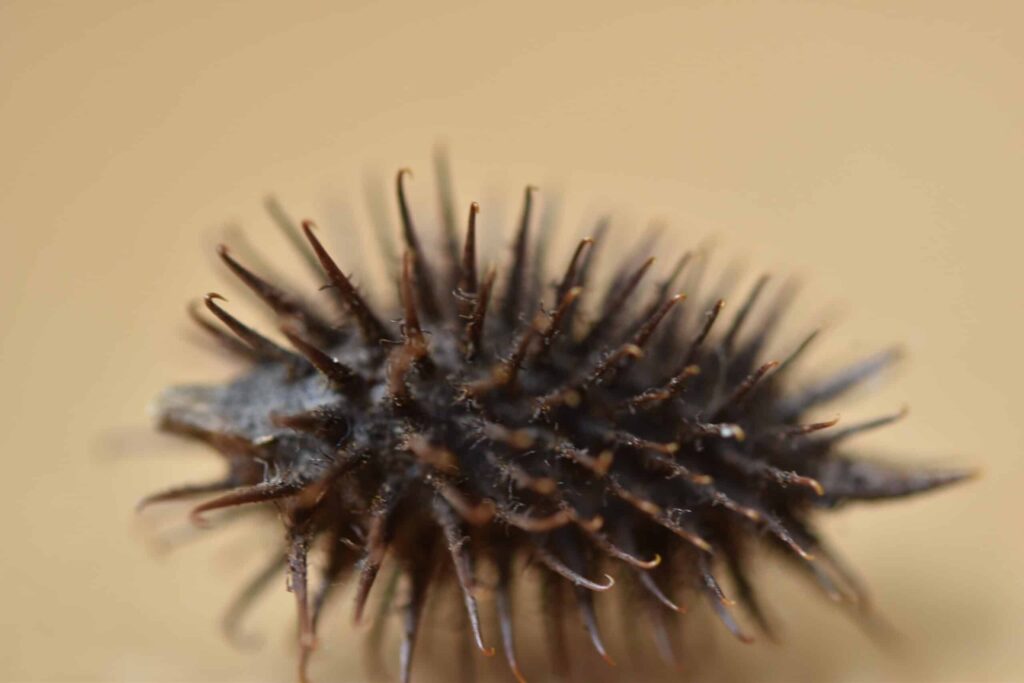
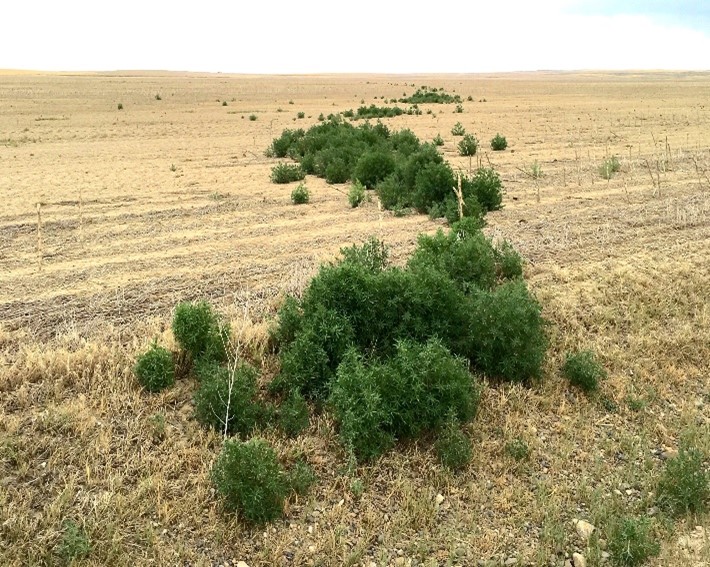
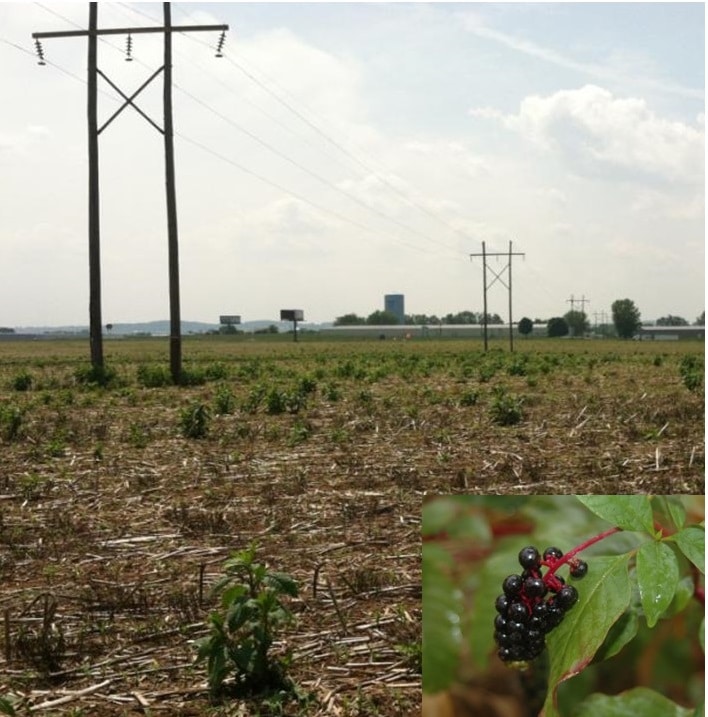
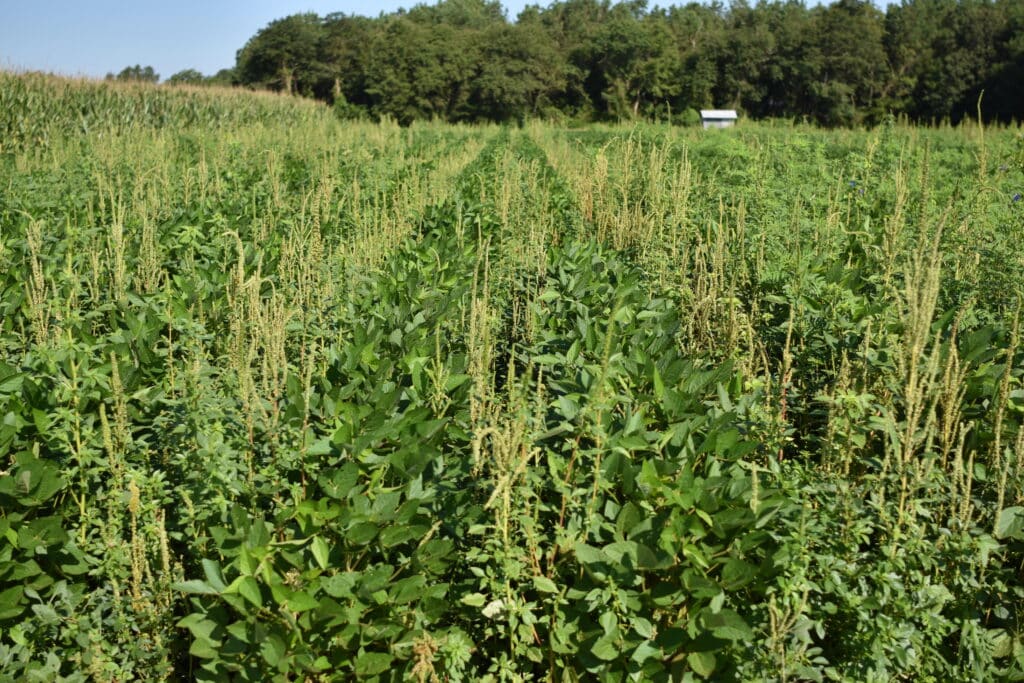
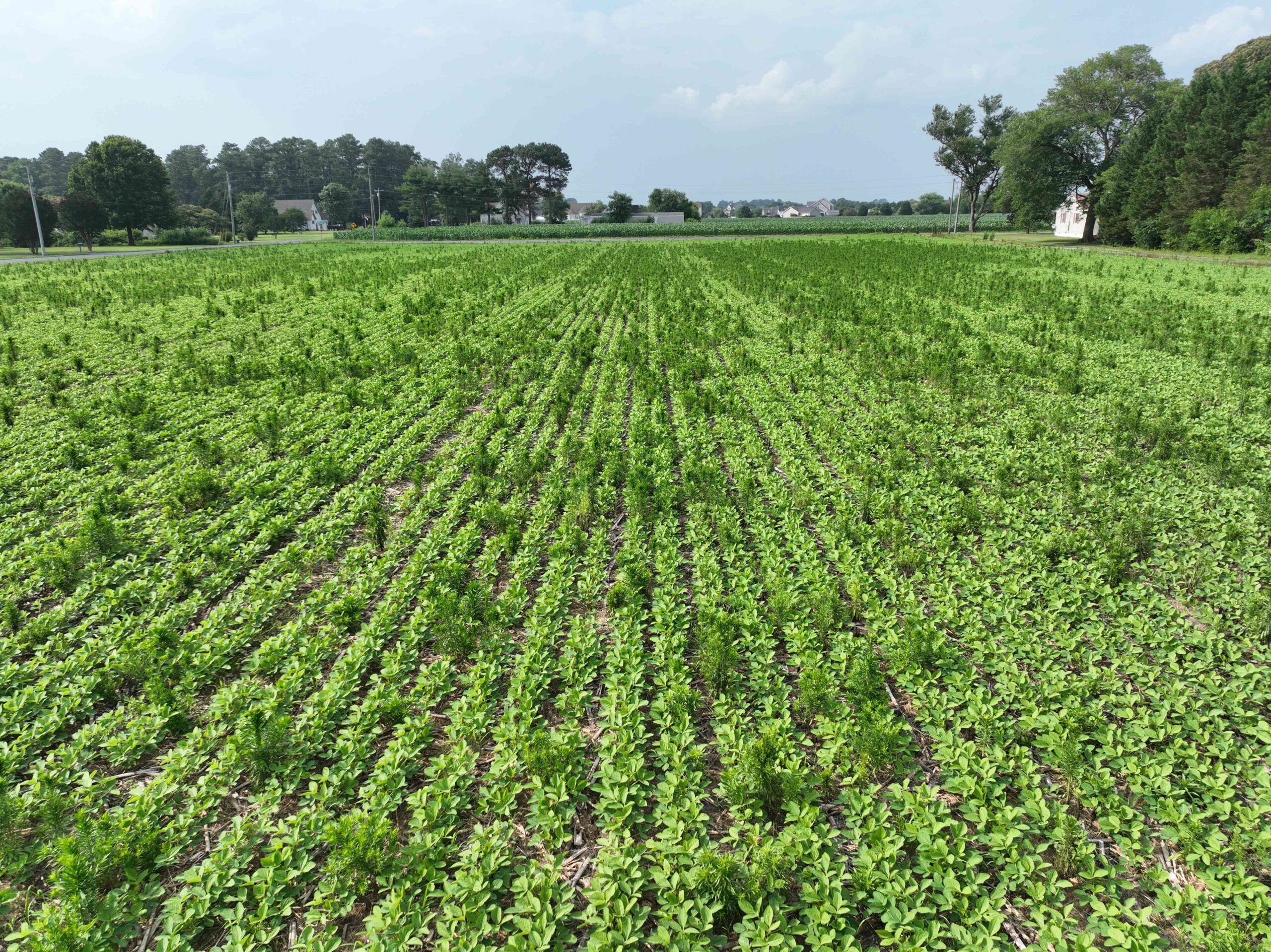
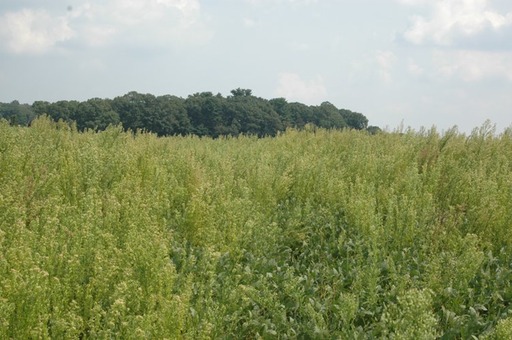
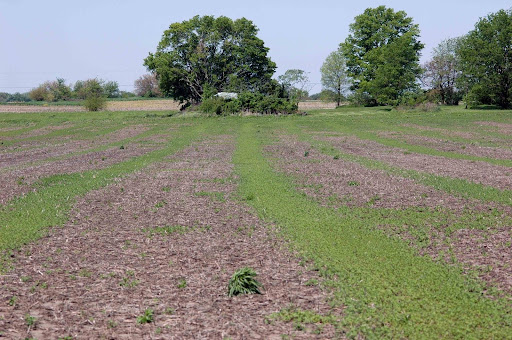
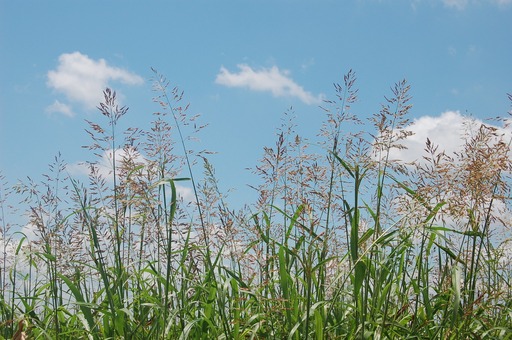
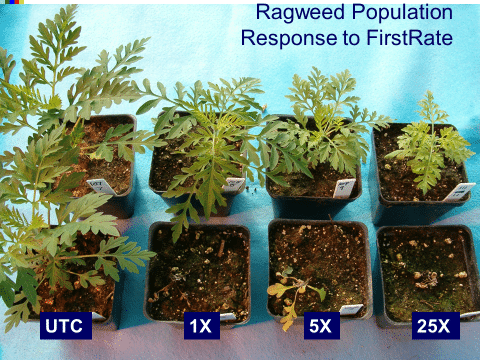
But there’s one problem: Earlier soybean planting could result in more weeds compared to planting soybeans in the usual window, because farmers can’t use a preplant burndown or tillage to target early spring weeds emerging in the soybeans. In Michigan, those weeds include annual grasses such as giant foxtail and barnyardgrass, common lambsquarters, common ragweed, and pigweeds such as Powell amaranth.
“When you plant earlier, you’re going to have more weeds, so it’s important that you have a really good weed management plan,” Sprague says.
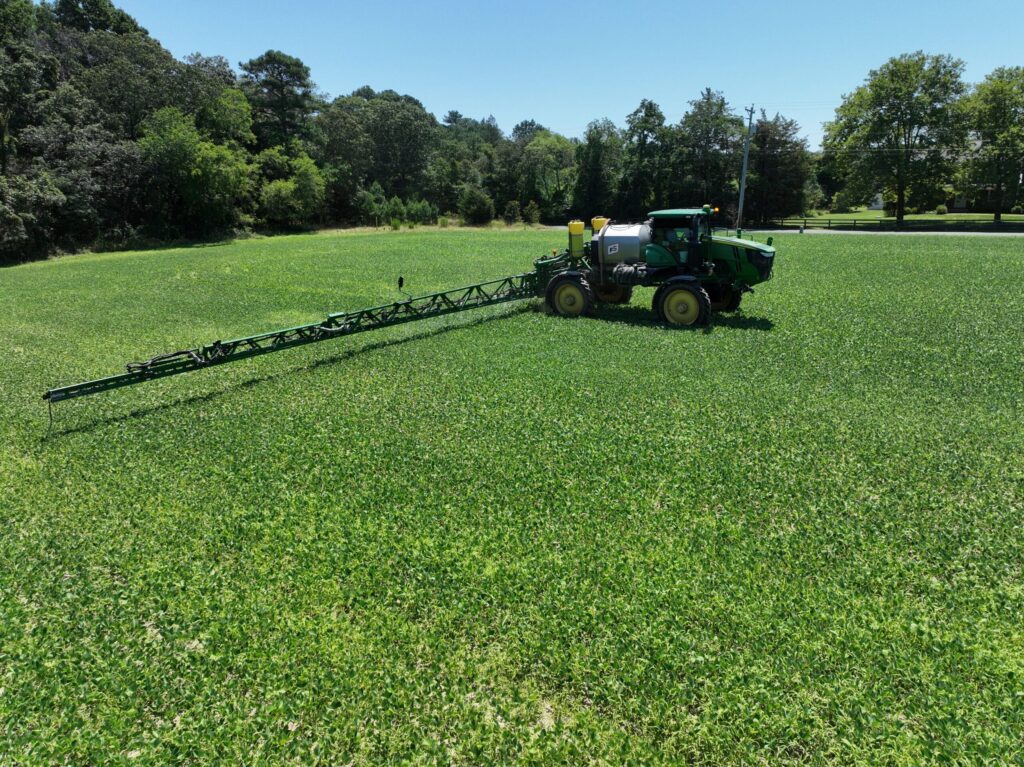
Planting earlier also means that farmers will need to spray earlier, Sprague cautions. Pair those earlier herbicide applications with overlapping and residual herbicides to ensure season-long control, even if you’re getting to the fields a few weeks earlier than normal.
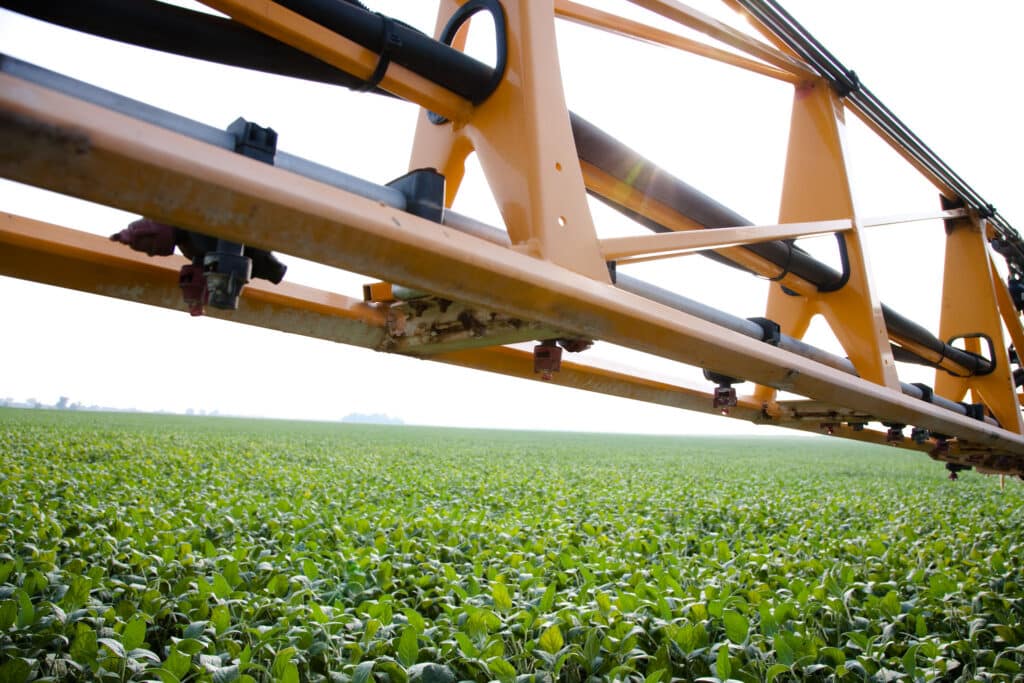
Weed suppression, yields, and economic returns for early-planted soybeans and soybeans planted at the normal time were neck-and-neck in plots treated with preemergence and postemergence herbicide applications. But using any other herbicide treatment (such as only a preemergent application) resulted in more weeds and lower yields for early-planted soybeans when compared to soybeans planted at the typical time.
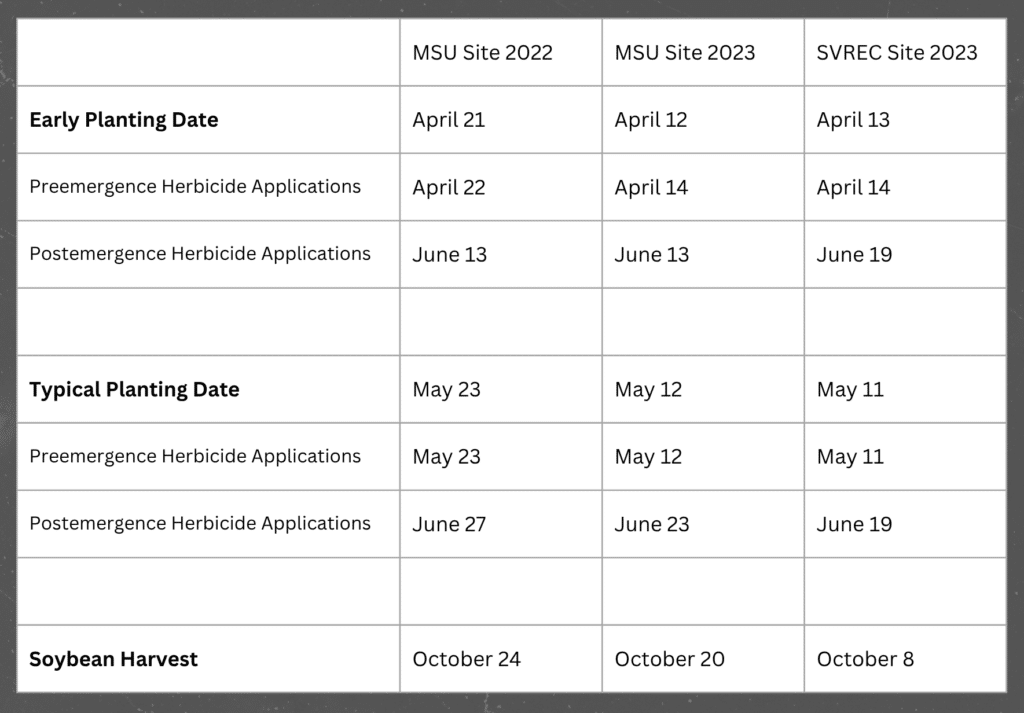
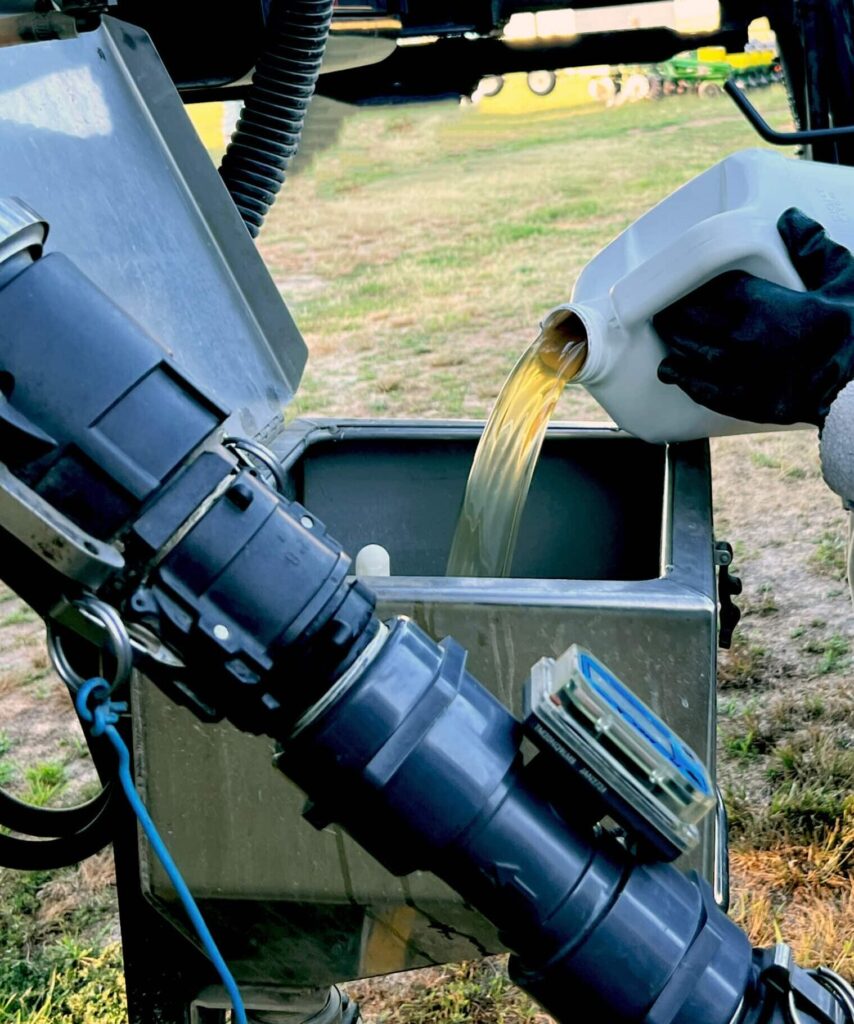
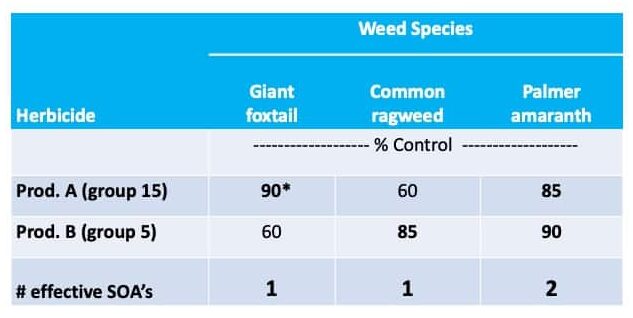
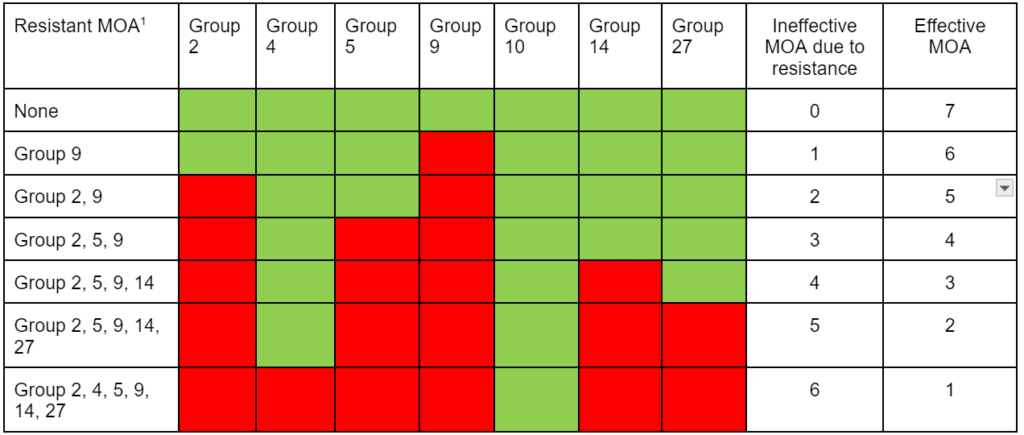
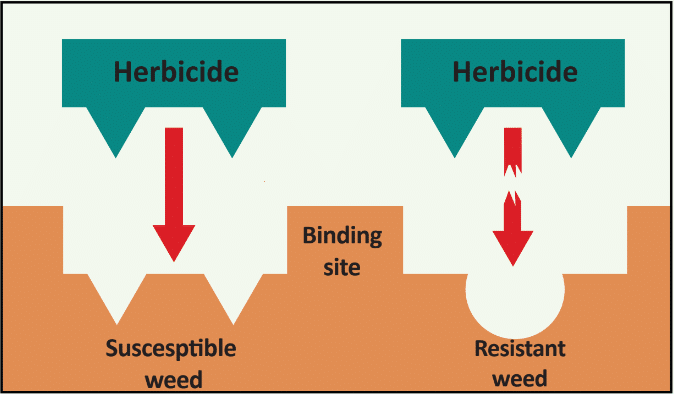
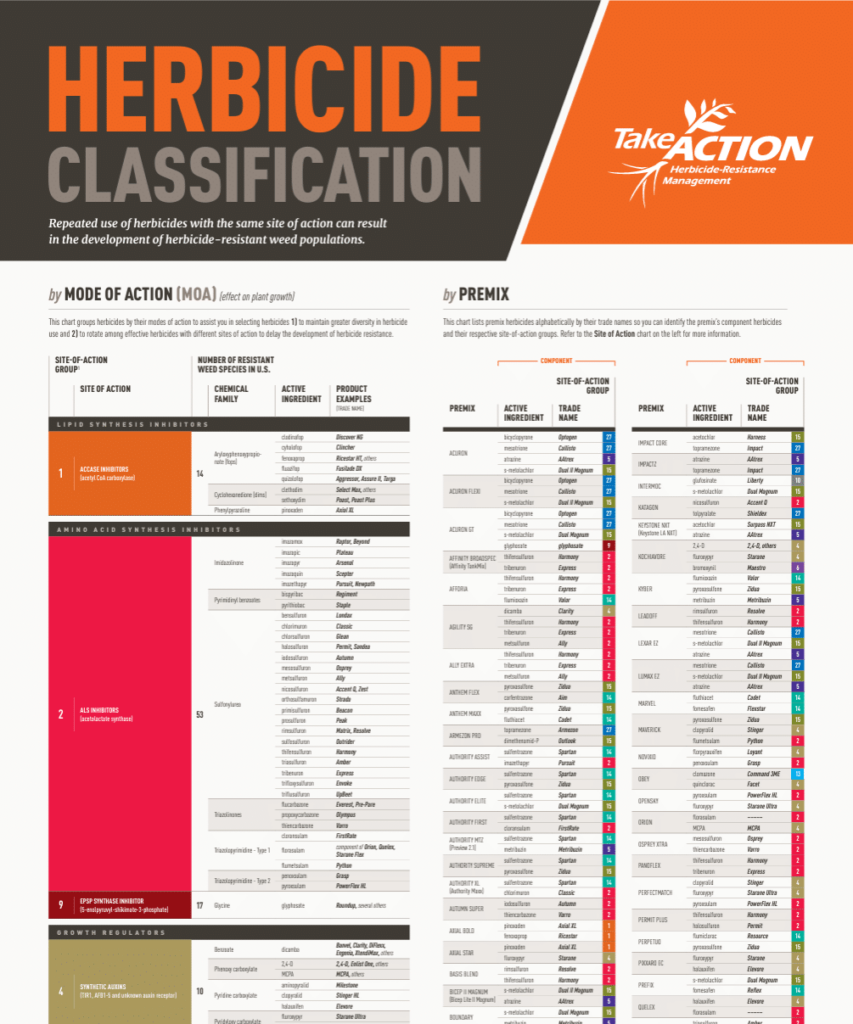
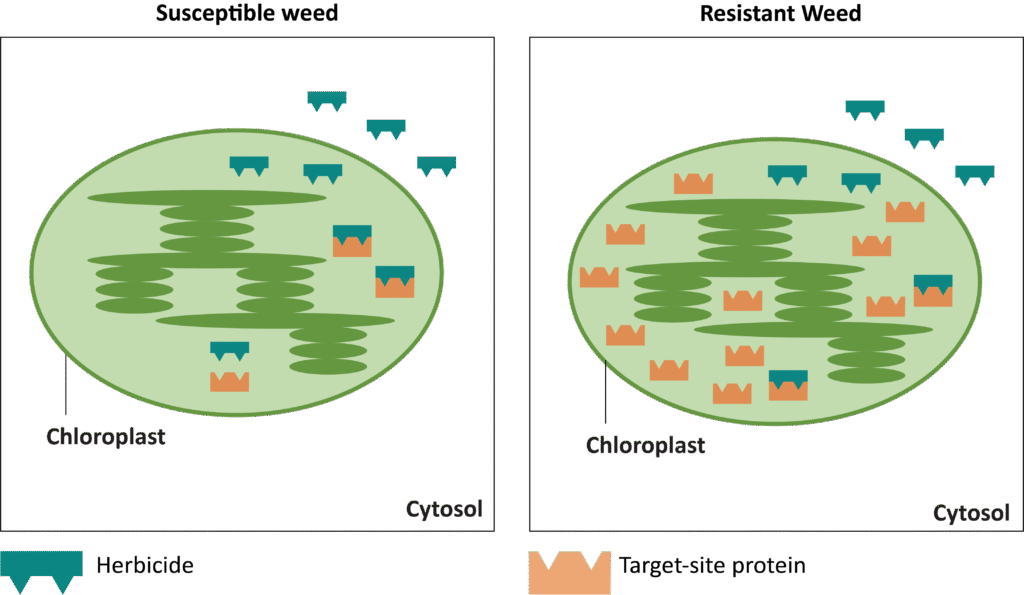
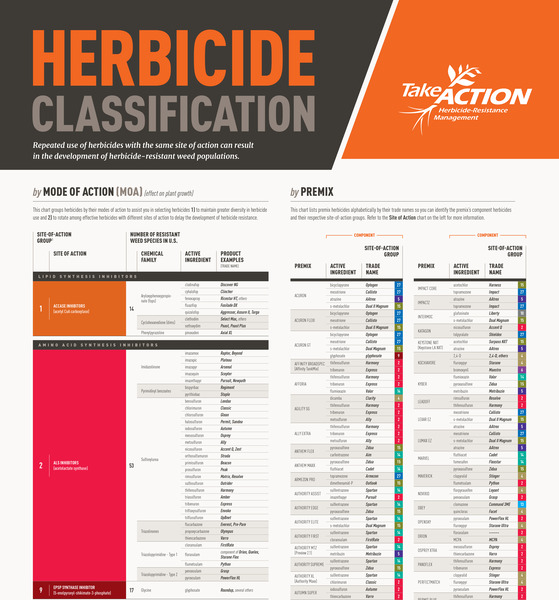
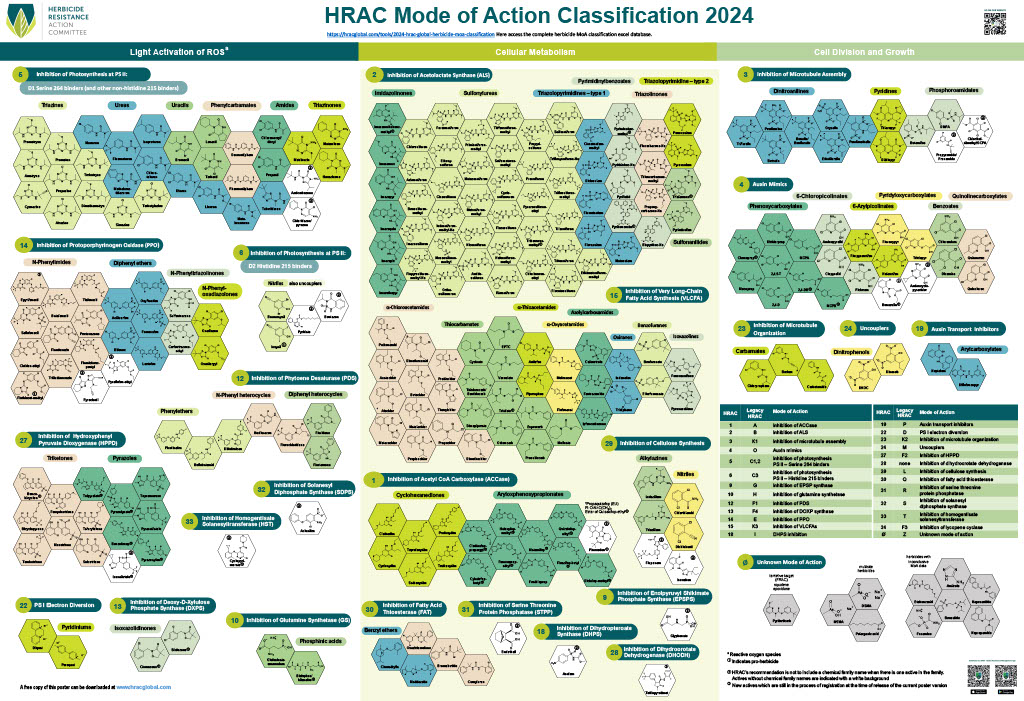
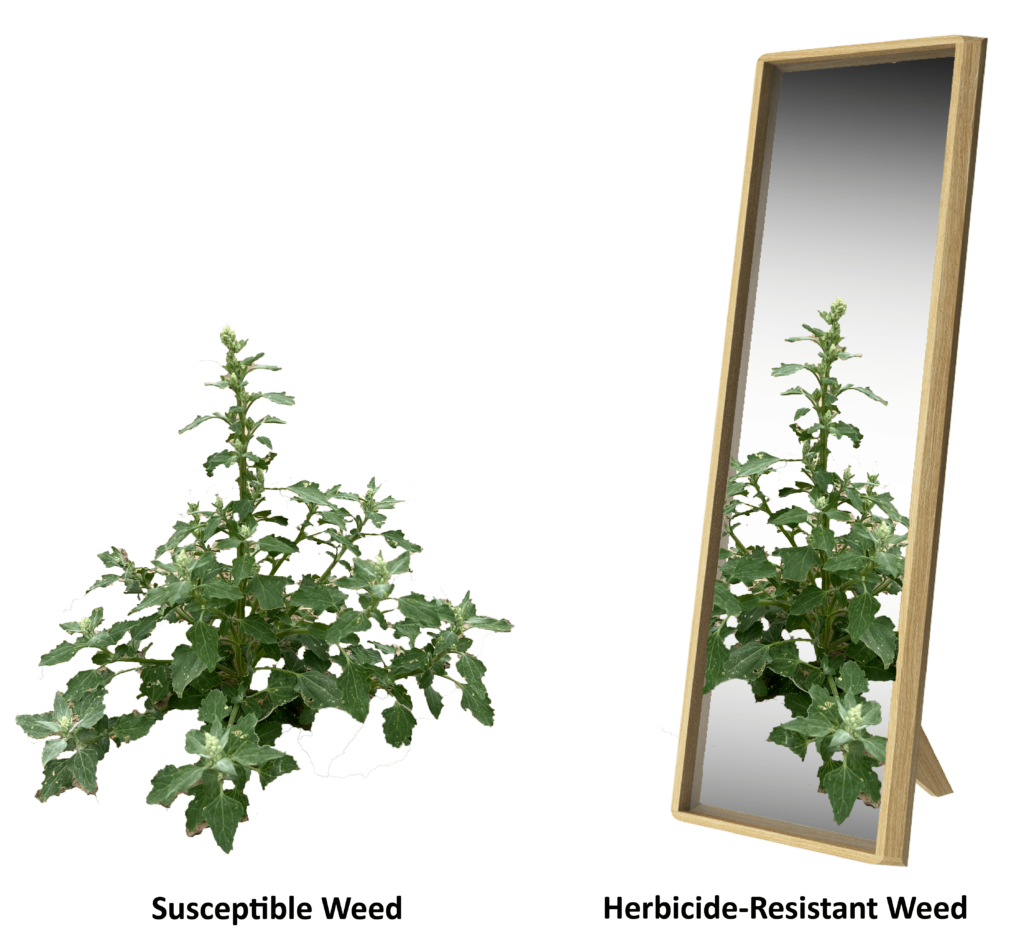
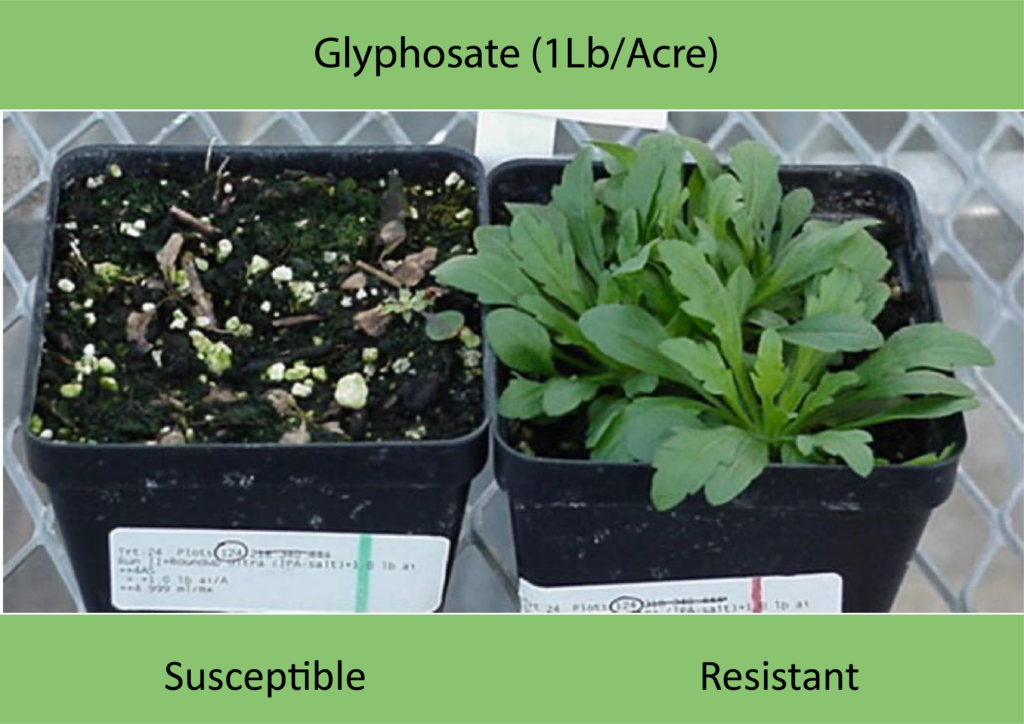
Sprague applied metribuzin and S-metolachlor for this study’s preemergent herbicide program, and glyphosate with 2,4-D choline for the postemergent application in Enlist E3 soybean. But remember that the weeds in your fields could be herbicide resistant! Farmers can use the Soy Checkoff’s Take Action Herbicide Classification Chart (developed and updated by Sprague herself) to rotate and mix multiple effective herbicide modes of action to fight herbicide resistance and conquer the weeds sprouting in their early-planted soybeans.
Spague’s research emphasizes that farmers must rely on a residual preemergent herbicide followed by a postemergent herbicide to suppress spring weeds running amok in their soybean fields. But could other weed control methods, such as row spacing, also help suppress weeds?
Row Spacing for Weed Control and Yield
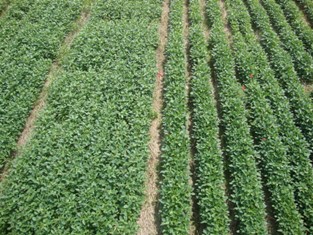
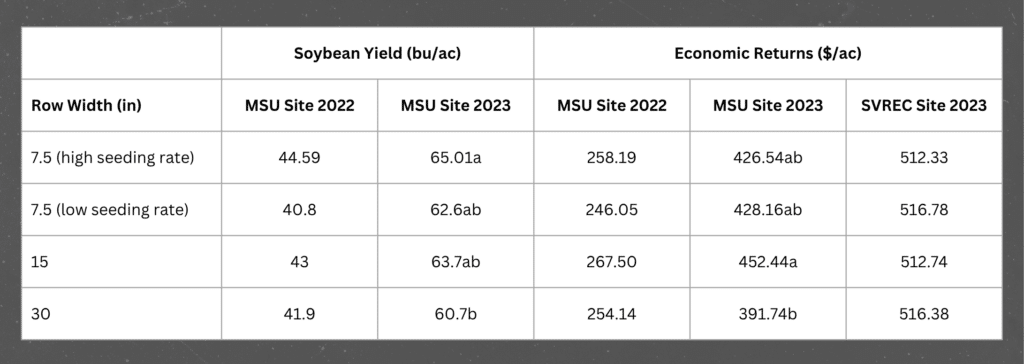
Row spacing is a handy, low-tech way of preserving your crop and fighting off weeds. And since planting early can disrupt typical preplant herbicide applications, row spacing could prove itself useful for weed control in early-planted soybeans. In this study, Sprague tested 7.5-inch row spacing against 15-inch and 30-inch rows, all planted at the same seeding rate.
She found that soybeans planted in rows 7.5 inches apart reduced weeds up to 47% more compared to 30-inch rows, but Sprague also notes that an early preemergent herbicide application provided 95% to 100% weed control, regardless of row spacing.
The 7.5-inch rows were also at the mercy of soil crusting after heavy spring rains, which reduced soybean stands to a measly 29% at best. Soybean stands in the 15-inch and 30-inch rows weren’t affected by soil crusting, possibly because soybean seeds are closer together in rows with wider spacing, which can help the seeds more easily push through the soil together, according to Sprague.
As a result, Sprague found that narrow row spacing didn’t always lead to increased yields in this study, potentially due to slow canopy closure from the reduced stands. She recommends planting soybeans early and in narrow rows only if the forecasts predict rising temperatures and no heavy rains, to avoid soil crusting.
Sprague also added another factor to her row spacing research: soybeans planted in rows 7.5 inches apart and seeded at either approximately 150,000 seeds per acre (reduced seeding rate) or approximately 200,000 seeds per acre. “Traditionally, as we go to narrower rows, we usually increase [seed] populations,” Sprague explains.
She found that soybean yield was 7% higher with the higher seeding rate and smaller row spacing when compared to the normal seeding rate in 30-inch rows.
However, combining the high seeding rate and narrow row spacing with the necessary preemergent and postemergent herbicide program cost almost $35 dollars per acre more than any other treatment (based on June 2023 Midwest ag supplier price sheets). That increased input cost doesn’t always mean that farmers will see more money returning to their wallets – the returns ranged from a $4 loss to a $34 profit when compared to normal soybean seeding rates and row spacing (at $10 per bushel).
Sprague’s findings don’t just apply to Michigan; they’re true for farmers looking to plant soybeans early in the entire Upper Midwest. The key to a successful season with few weeds relies on using a residual preemergent and postemergent herbicide program, regardless of planting date or row width, Sprague says.
Explore GROW and Take Action’s website for more information on cultural weed control strategies and herbicide management, to find weed control factsheets, and to order the 2026 Herbicide Classification Chart.
Article by Amy Sullivan, GROW; Header and feature photo by the United Soybean Board; article funded in-part by the United Soybean Board.