Even the pickiest eaters can be persuaded to try new things when food is scarce, and soybean cyst nematode (SCN) is no exception.
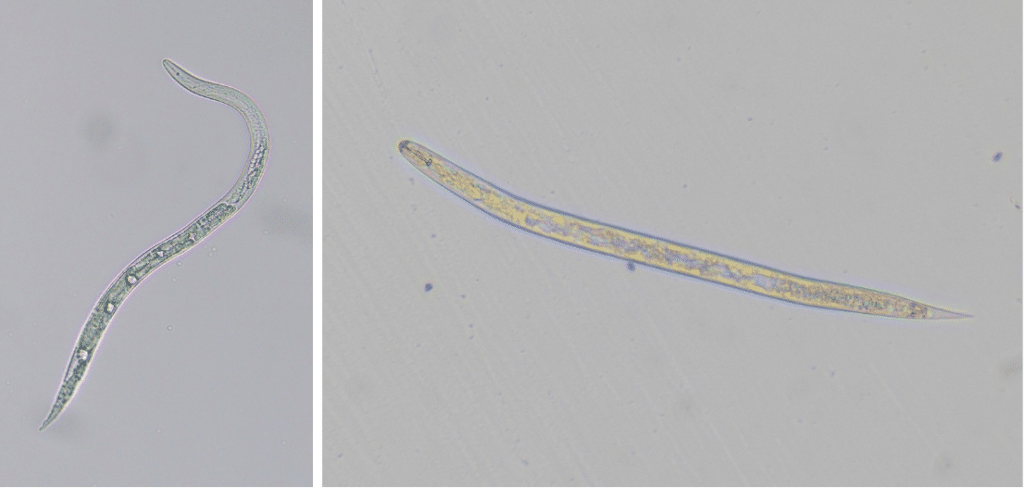
This costly, widespread pest of soybeans can make a meal of certain winter annual weeds and is even known to nibble on certain legume species of cover crops. And if temperatures stay above 50 degrees F, soybean cyst nematodes can even reproduce on those roots, biding their time until a fresh springtime buffet of soybean plants is served up by the planter.
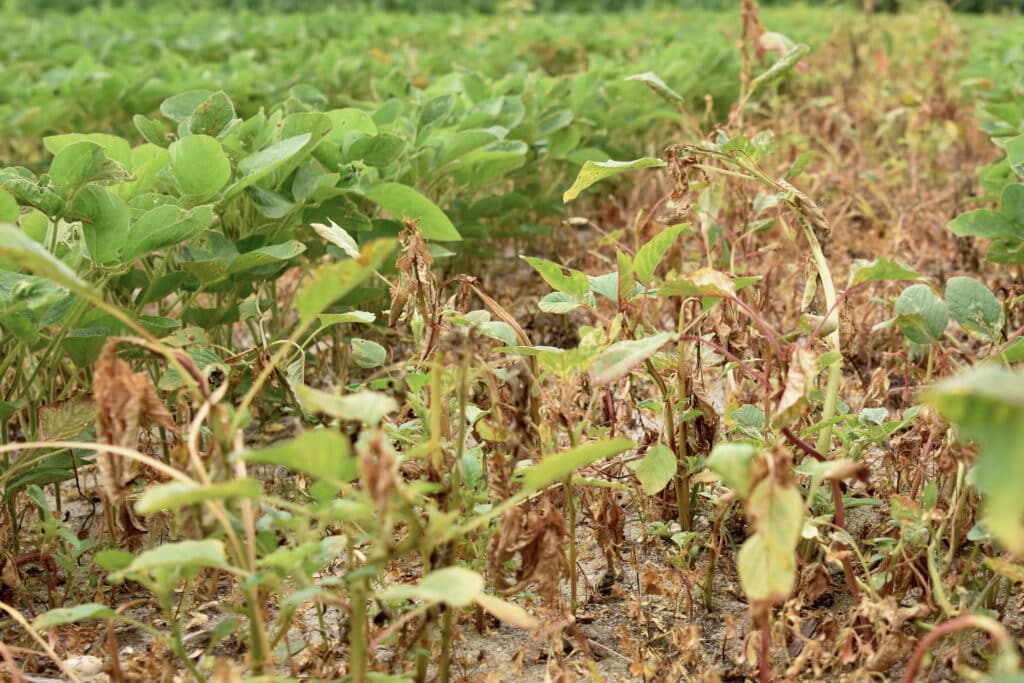
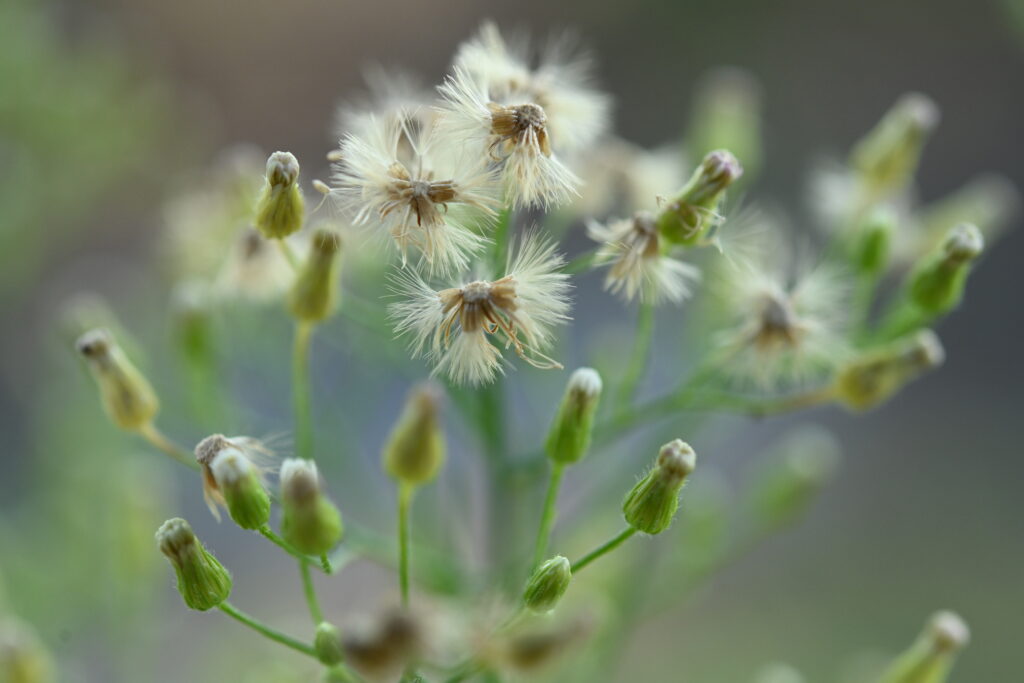
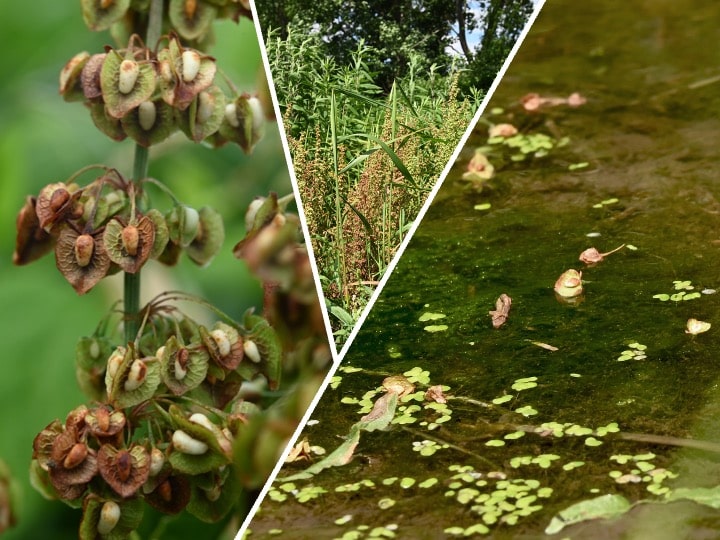
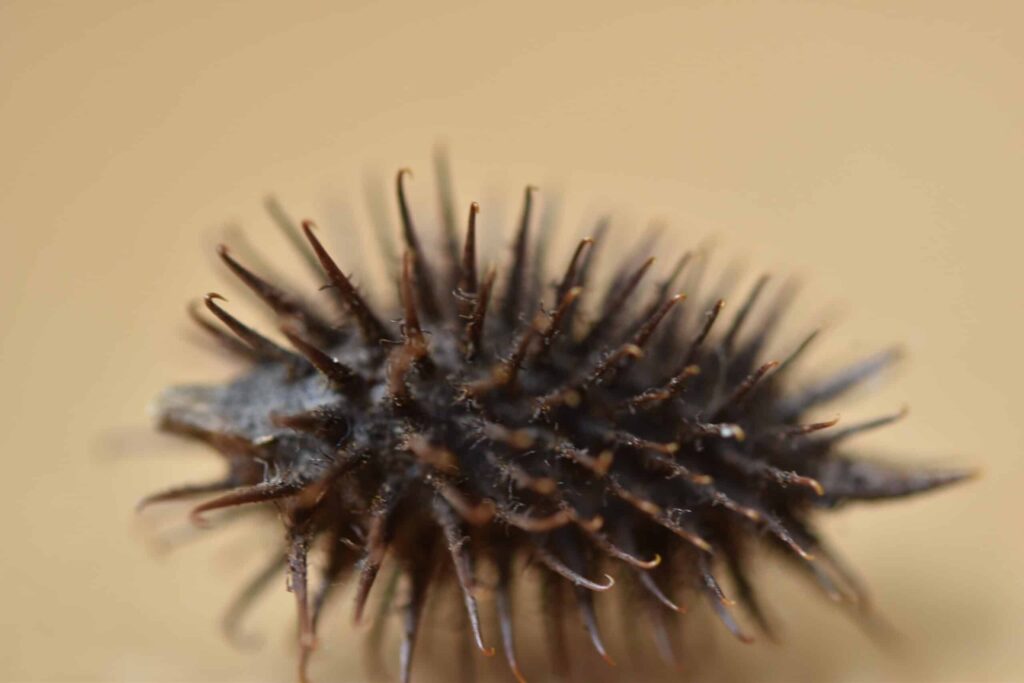
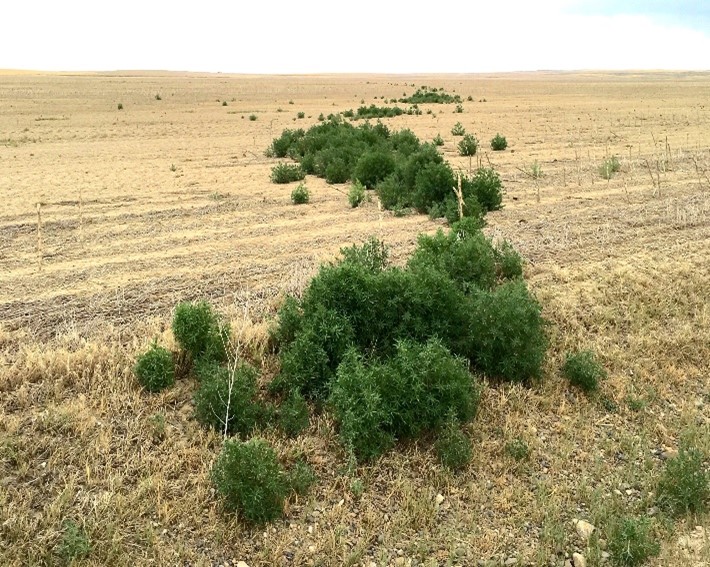
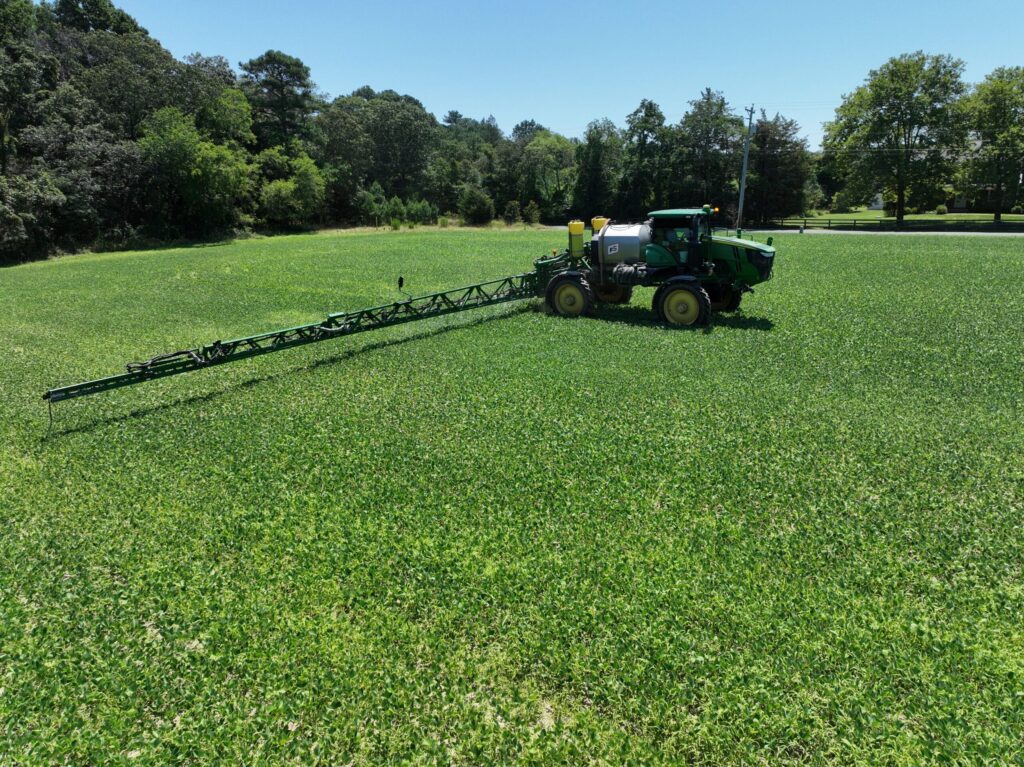
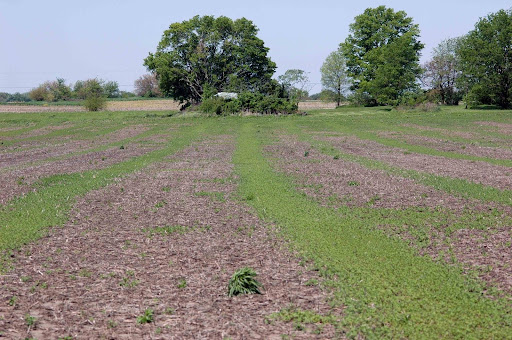
Timely fall and spring herbicide applications for winter annual weeds such as purple deadnettle, henbit and field pennycress can help keep those parasites hungry and homeless, researchers say.
The research on cover crops is less straightforward, but for growers with major SCN or other nematode infestations, it might be worth digging into your cover crop species mix and examining the risks.
An Appetite for Winter Annual Weeds
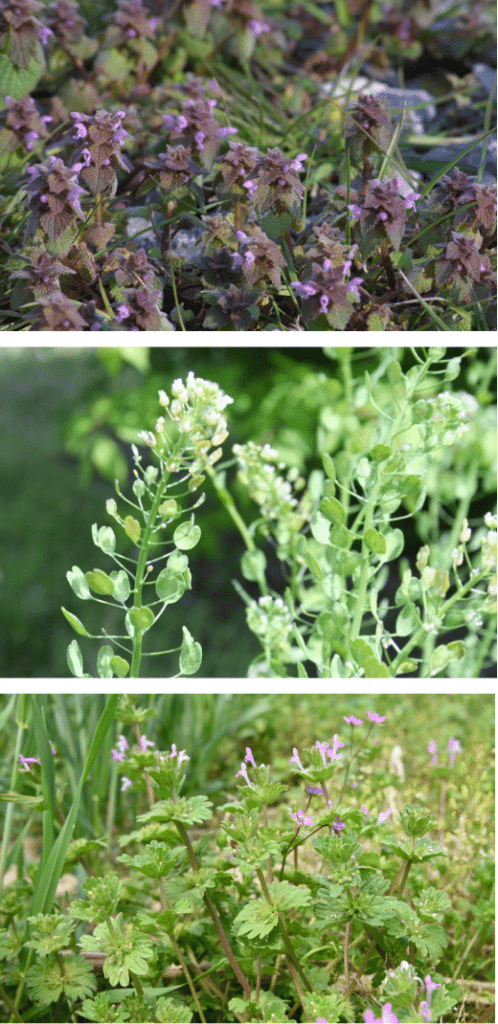
We know the soybean cyst nematode has a fondness for winter annual weed species, thanks to a series of seminal studies by Midwestern researchers at Purdue and Ohio State in the early 2000s.
They found that soybean cyst nematodes infected and reproduced successfully on purple deadnettle, henbit, and field pennycress. They could also be found on the roots of chickweed, bittercress and shepherd’s purse, though in smaller numbers. More recent research from NC State has also identified the summer annual weed velvetleaf as a potential host for SCN.
One of the best ways to manage the soybean cyst nematode is to starve it of its preferred plant host, often via crop rotation to corn or small grains, explains Iowa State Extension nematologist Dr. Gregory Tylka. So this appetite for early-emerging winter annual weeds is particularly concerning, since they are likely to be present in fields when SCN’s preferred soybean hosts are not, and could help the root-feeding pest survive and even increase over time.
Nematode activity slows and fully stops in freezing winter soil conditions, but these root parasites can still be busy eating and reproducing if temperatures remain above 50 degrees, Tylka explains. “So there can be an overlap between the temperatures required for nematode activity and for a growing winter annual weed,” he says.
Research suggests that weeds are not a primary contributor to SCN survival, but fall herbicide applications may still be a worthwhile additional step to lower your risk, weed scientists say. Timely spring burndowns and pre-plant herbicide applications with residuals are also a worthwhile practice, the Purdue researchers note.
“So far, studies suggest that winter annual weeds are most vulnerable to SCN parasitism in the early fall and late spring,” they write. “Therefore, controlling winter annual weeds at harvest and prior to planting may disrupt the SCN life cycle, and may prevent nematode population densities from increasing due to winter annual weeds.”
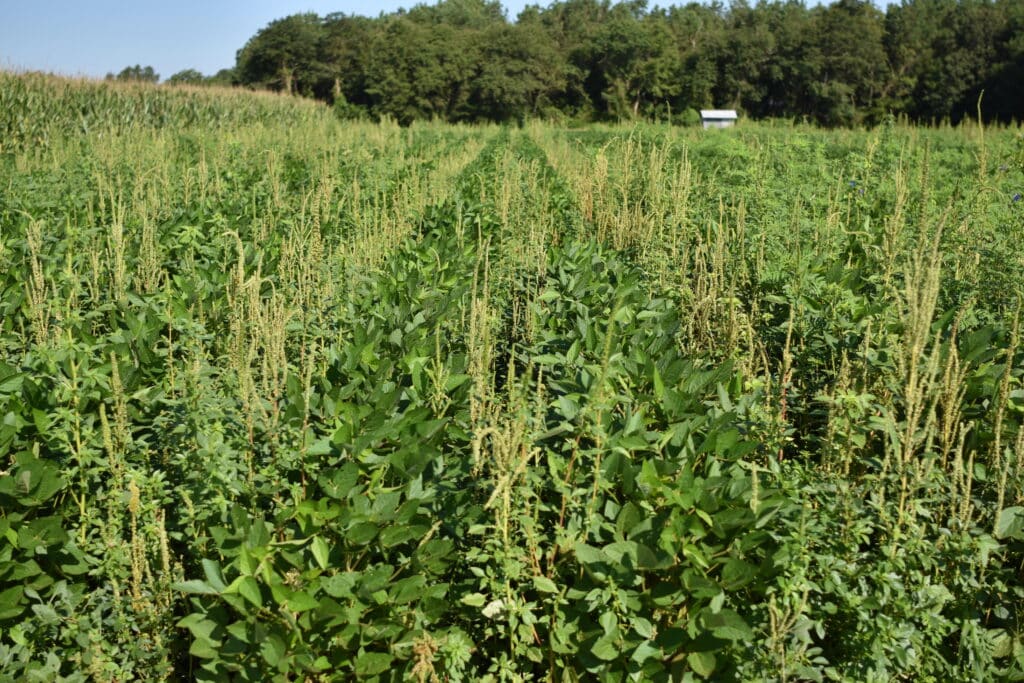
Good weed control is especially crucial for growers battling other species of nematodes, such as Southern root-knot nematodes or a new, invasive species called the guava root-knot nematode, says North Carolina State University Extension nematologist Dr. Adrienne Gorny. While not as widespread as SCN, these nematode species have much broader tastes and can readily reproduce on a much larger list of winter and summer annual weeds, including Palmer amaranth, lambsquarter, certain morningglories, and purslane, Gorny notes
“We tend to see root-knot nematodes carrying over on weeds, season to season, more so than soybean cyst nematodes,” she says.
Cover Crops: Less Risk, but Tread Carefully
The research on soybean cyst nematode’s appetite for cover crop species isn’t as clearcut. Gorny’s research at NC State did find a limited number of popular legumes such as hairy vetch and cowpea, as well as oilseed radish, that could be hosts for SCN.
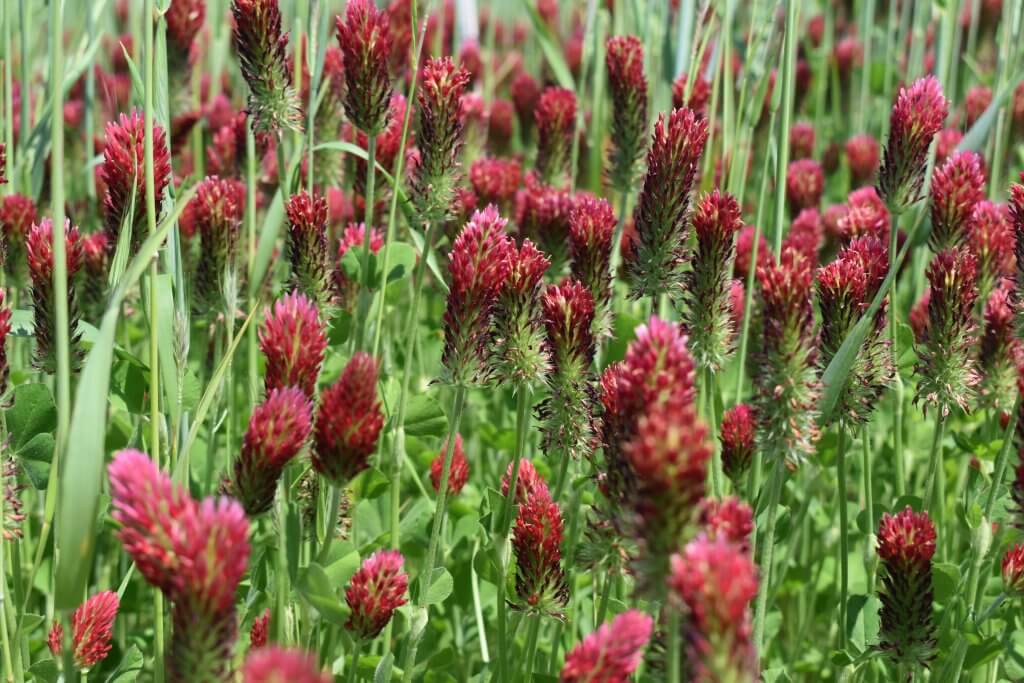
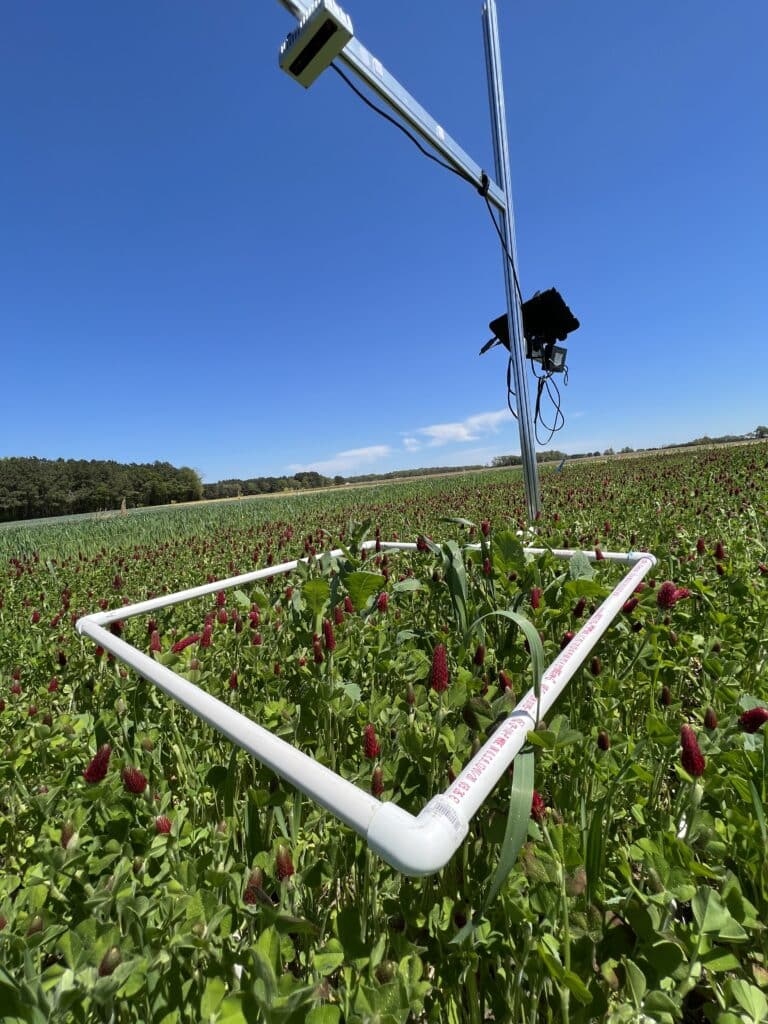
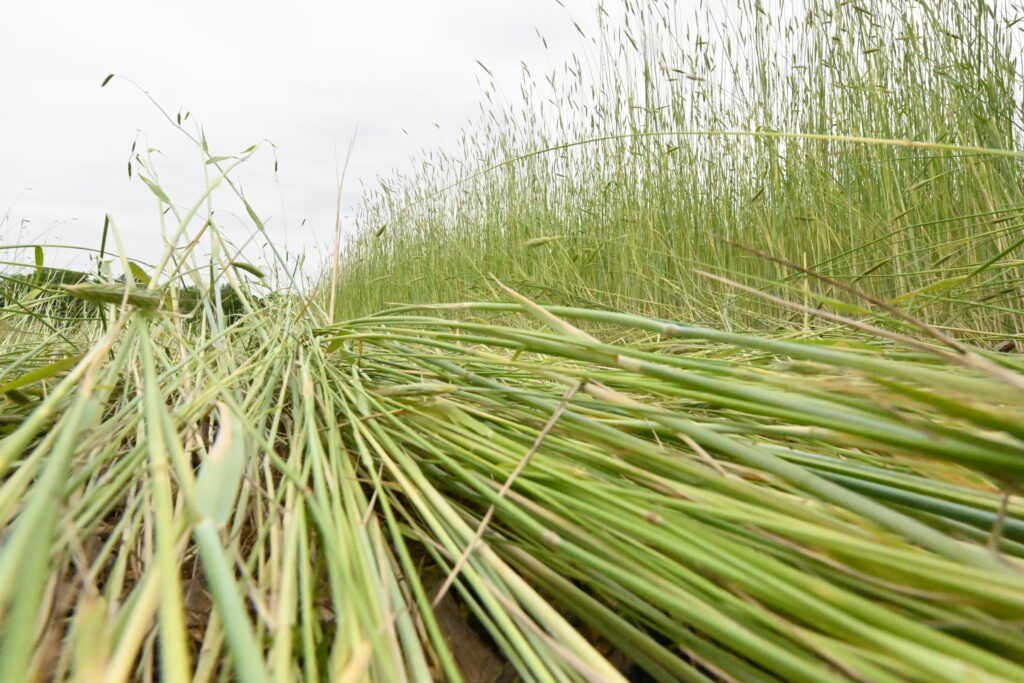
But she also found that most of the tested cover crop species did not appeal to the soybean cyst nematode, which makes them useful for breaking that green bridge for SCN. Those include wheat, oats, mustard, sunnhemp, field pea, velvet bean, flax, alfalfa, and crimson clover.
(That ratio looks quite different for Southern root-knot nematodes, given that it feeds on a broader range of plants and thus cover crops, Gorny notes. See the full chart here).
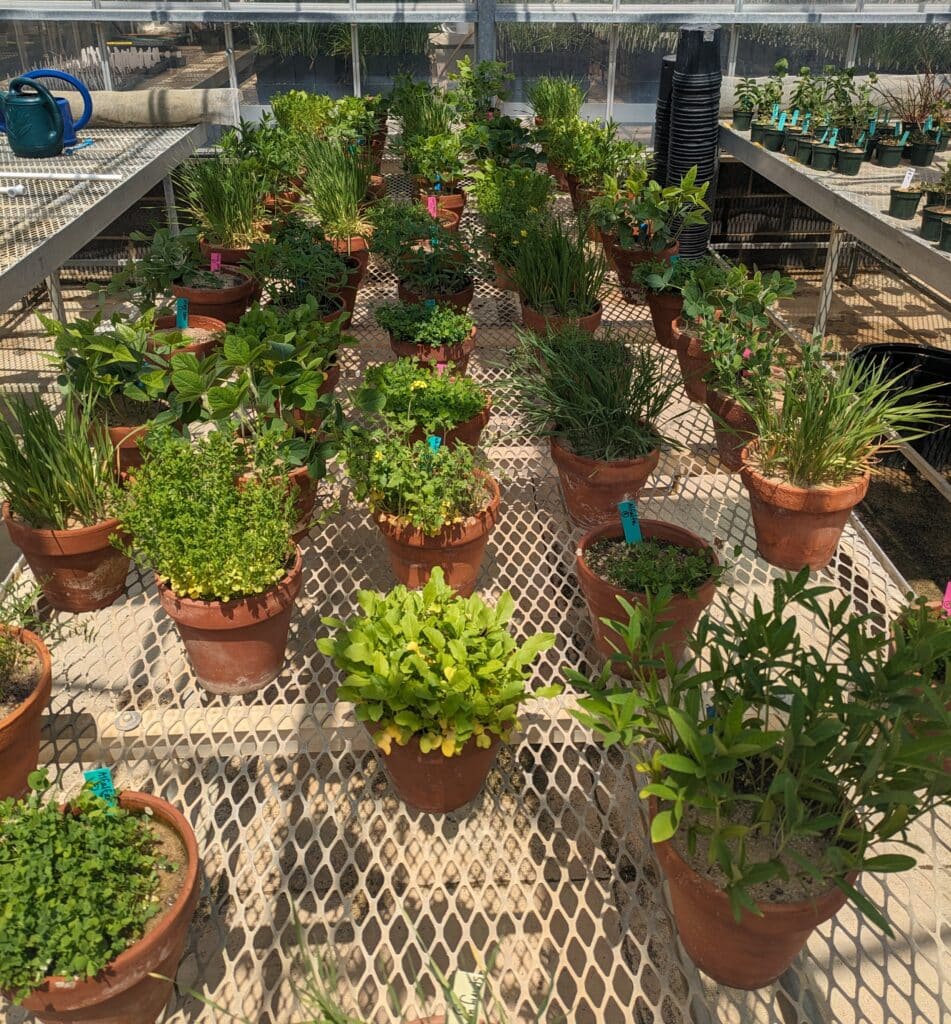
Keep in mind that cover crops can be valuable weed suppressors, and could theoretically smother out weeds that are known hosts for nematodes, Gorny notes. And since they often provide a host of ecological services to farmers, from erosion control to soil health, she rarely cautions farmers to prioritize nematode management over these cover crop benefits, given the smaller risk they pose to increasing nematode numbers.
But growers with severe or growing SCN infestations would be wise to pick their cover crop species carefully, and take care to avoid some known nematode-hosting species, such as pennycress, Tylka cautions.
“If you have choices of cover crops and you have SCN, don’t pick a cover crop that is a known host of SCN; otherwise you’re crossing your fingers that it might not have enough time to reproduce, which is a seasonal risk,” he explains.
And remember – you can never be sure you do not have SCN without a soil test, both Gorny and Tylka warn.
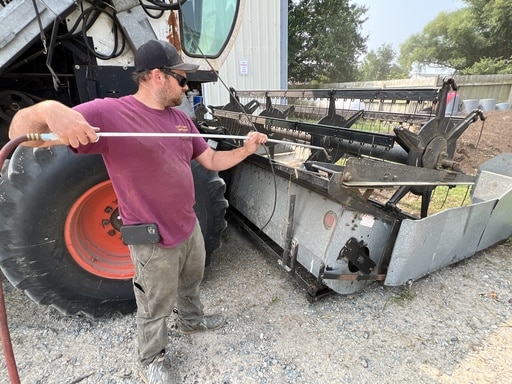
“It’s capable of spreading not only on field equipment and via flooding, but even via windblown soil,” Tylka explains. “And it doesn’t cause a lot of symptoms early on, so if you haven’t tested, you really don’t know for sure. Think of it like clogged arteries – just having a heartbeat isn’t evidence that you don’t have them!”
Learn more about soybean cyst nematode management here, and Southern root-knot nematode here. You can also find the SCN Coalition’s new guides to four different types of nematodes here.
Visit GROW’s webpage on managing cover crops here, and learn more about winter annual weeds here.
Article and feature photo graphic by Emily Unglesbee, GROW; header photo by Virginia Tech Weed ID Guide