Stellaria media (L.) Vill.
Also known as: starwort, winter-weed, starweed, satin flower, and chickenwort
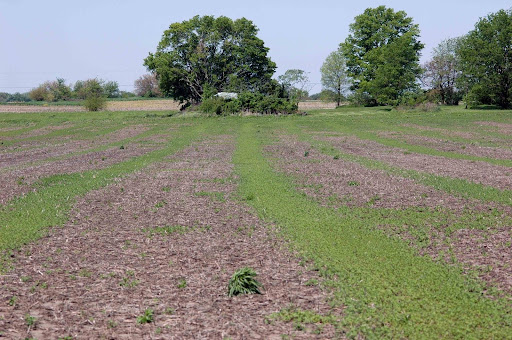
Common chickweed is a winter annual broadleaf weed that usually emerges in fall or early spring and can overwinter as a small rosette. Depending on location, common chickweed can germinate and emerge throughout the summer months with adequate moisture and cooler temperatures. Chickweed forms dense mats that grow close to the ground in cool and moist conditions. This weed is well adapted to reduced or no-till systems, shaded areas, and fields where soil moisture and crop residue remain on the surface. It commonly occurs in crops such as wheat, barley, alfalfa and other hay crops, and early spring vegetables. It is also a problem in orchards, pastures, turf, and landscape settings. Common chickweed responds to available nitrogen remaining in the fall with lush plant growth. Common chickweed spreads primarily by seed, which can be easily transported in soil, manure and farm equipment. Dense chickweed infestations can interfere with crop establishment and slow early-season growth. Because the plants can produce seed before most spring field operations, they can contribute to continued infestations in subsequent years.
Identifying Features
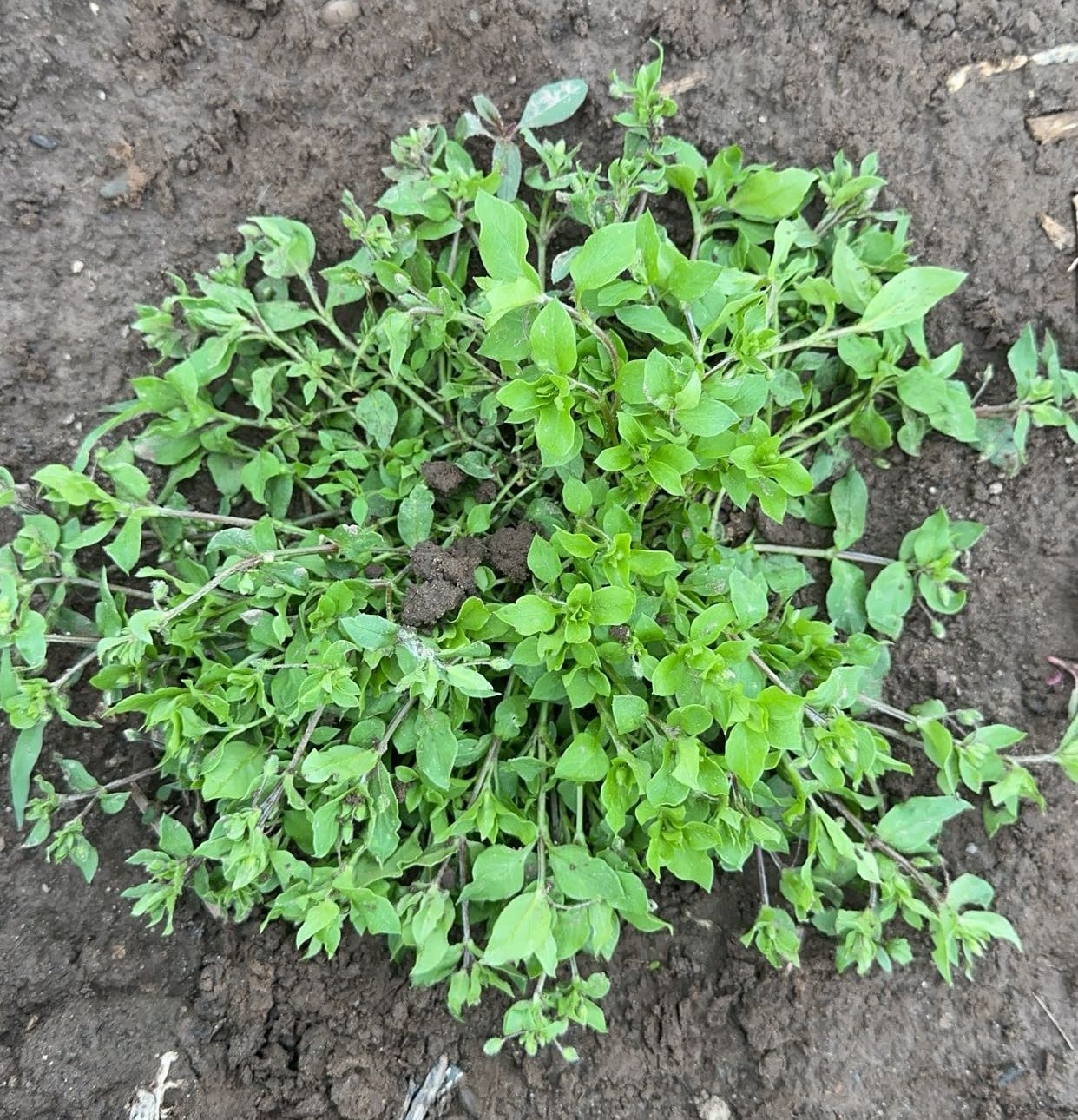
Common chickweed begins as a small, light-green seedling with smooth, oval cotyledons. The first few leaves are opposite on the stem, and are rounded to egg-shaped with a point at the tip. Leaf petioles (stalks) are roughly half as long as the leaf blade. Branching generally starts at the 5 leaf-pair stage. Stems are thin and grow close to the soil surface. Stem color ranges from light green to reddish-purple. Leaves are light green oval-shaped and cup slightly upward at the midvein.
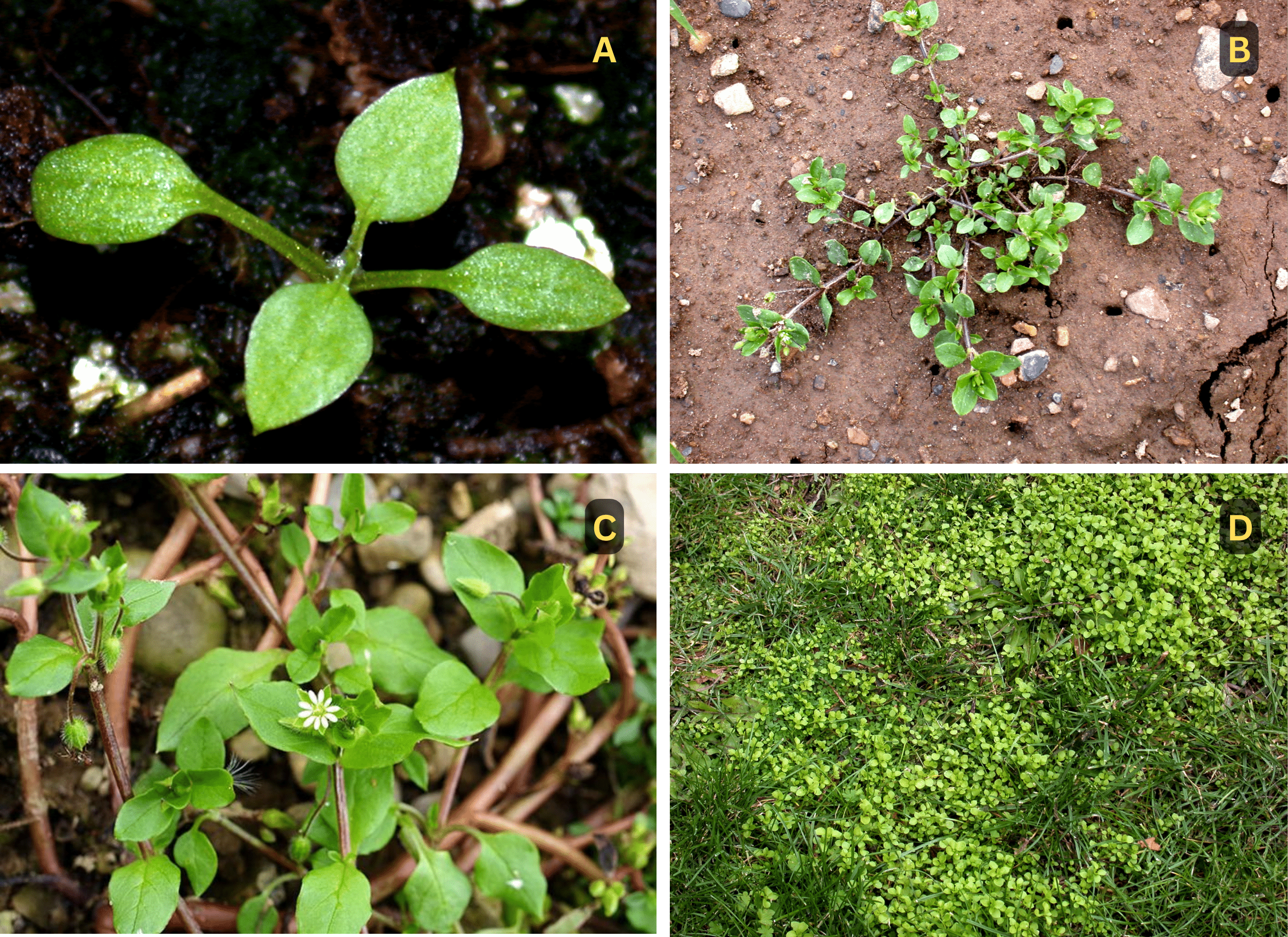
Common chickweed gradually spreads outward to form dense foliage. The prostrate stems can reach up to 20 inches in length. A characteristic feature for identifying common chickweed in the field is the single row of fine white hairs located along one side of the stem. Mouseear chickweed (Cerastium vulgatum) is very similar in appearance and growth habit, however unlike common chickweed, this species is perennial and is densely covered with hairs at all growth stages. Jagged chickweed (Holosteum umbellatum) also resembles common chickweed but differs in its flowering structure. It has flowers on upright stalks, and the petal tips are jagged instead of deeply lobed.
When soil moisture is adequate, the stems can also root at the nodes and expand further. Plants produce small, white, star-shaped flowers. Each flower has five deeply lobed petals, which can make them appear as though there are ten petals, along with five light green sepals. Common chickweed is one of the first species to flower in the spring, capable of completing its life cycle early in the season before most fieldwork begins.
Seed Production
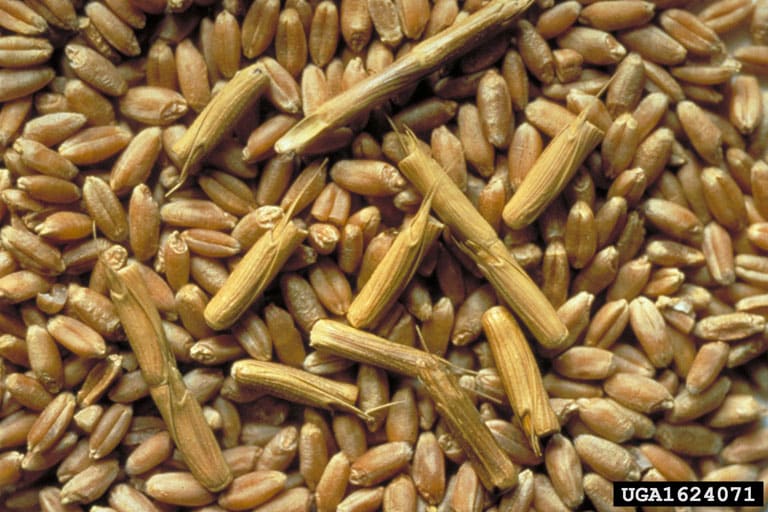
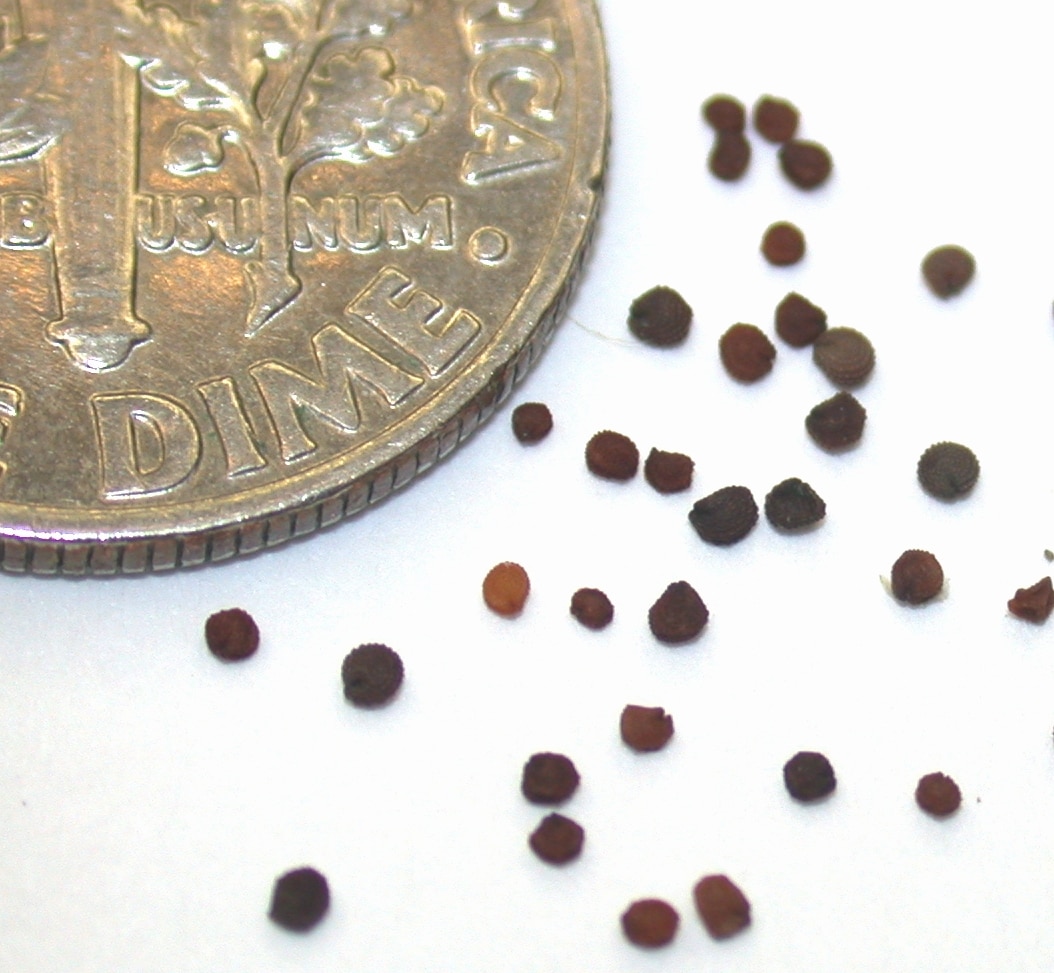
Common chickweed produces seed in early spring, often before spring tillage or planting operations. Fruits have small seed capsules containing 8-10 tiny reddish-brown seeds. Most of the plants produce 500 to 3,000 seeds, while larger plants can produce up to 13,000 to 15,000 seeds. Freshly produced seeds are generally dormant and require a warm period of after-ripening before they can germinate. Seed longevity can vary depending on soil conditions. In tilled soils, seedbank declines range from 34% to 60% per year. However, undisturbed soils show a slower decline of 19% to 30% per year. Seed germination is strongly stimulated by light. This causes a new flush of emergence after surface soil disturbance. Most seeds fall near the parent plant but can be spread when soil is moved by equipment, livestock, or other means of transport. Common chickweed is highly tolerant to shade and can set seed under extremely low light conditions. This allows seed production to continue beneath crop residue, cover crops, and dense canopies.
Herbicide Resistance
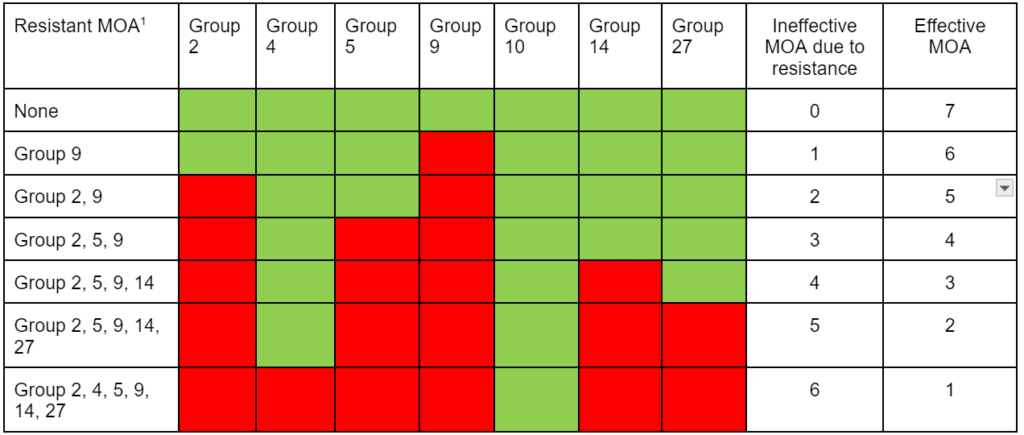
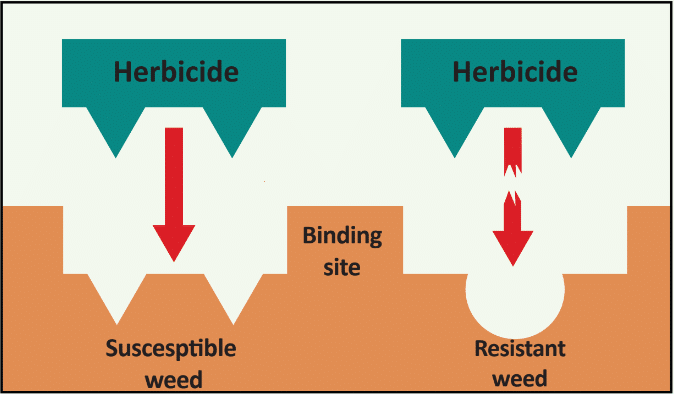
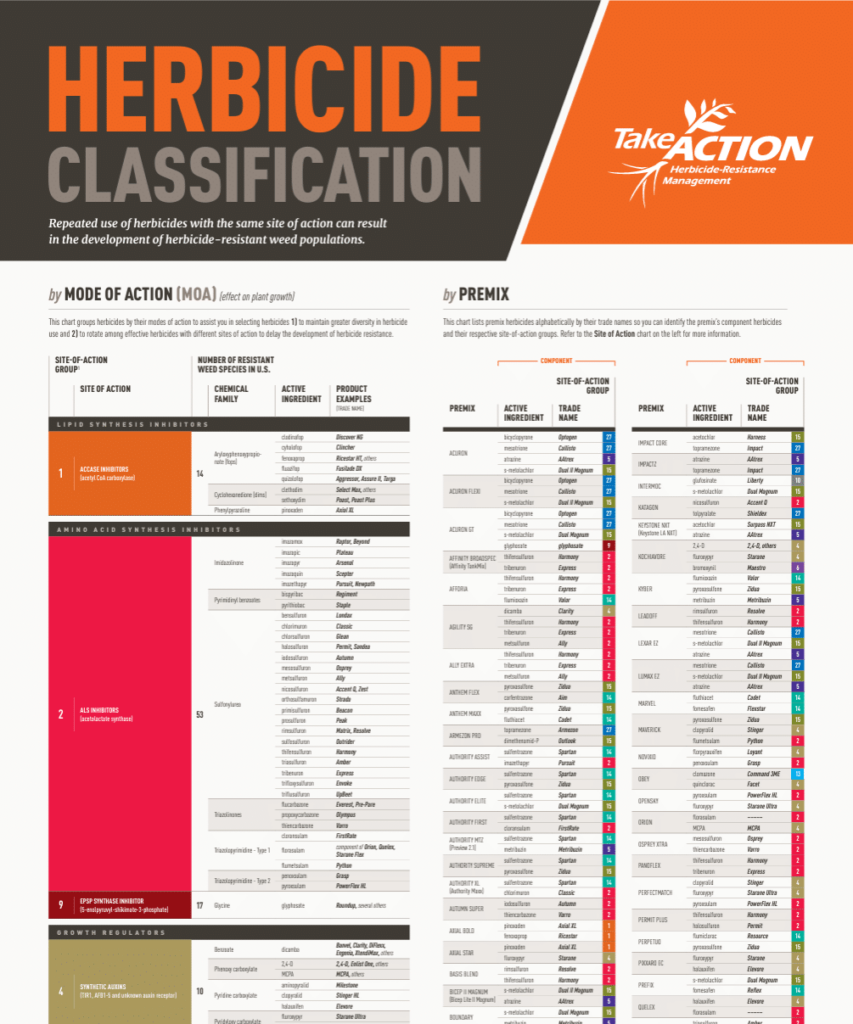
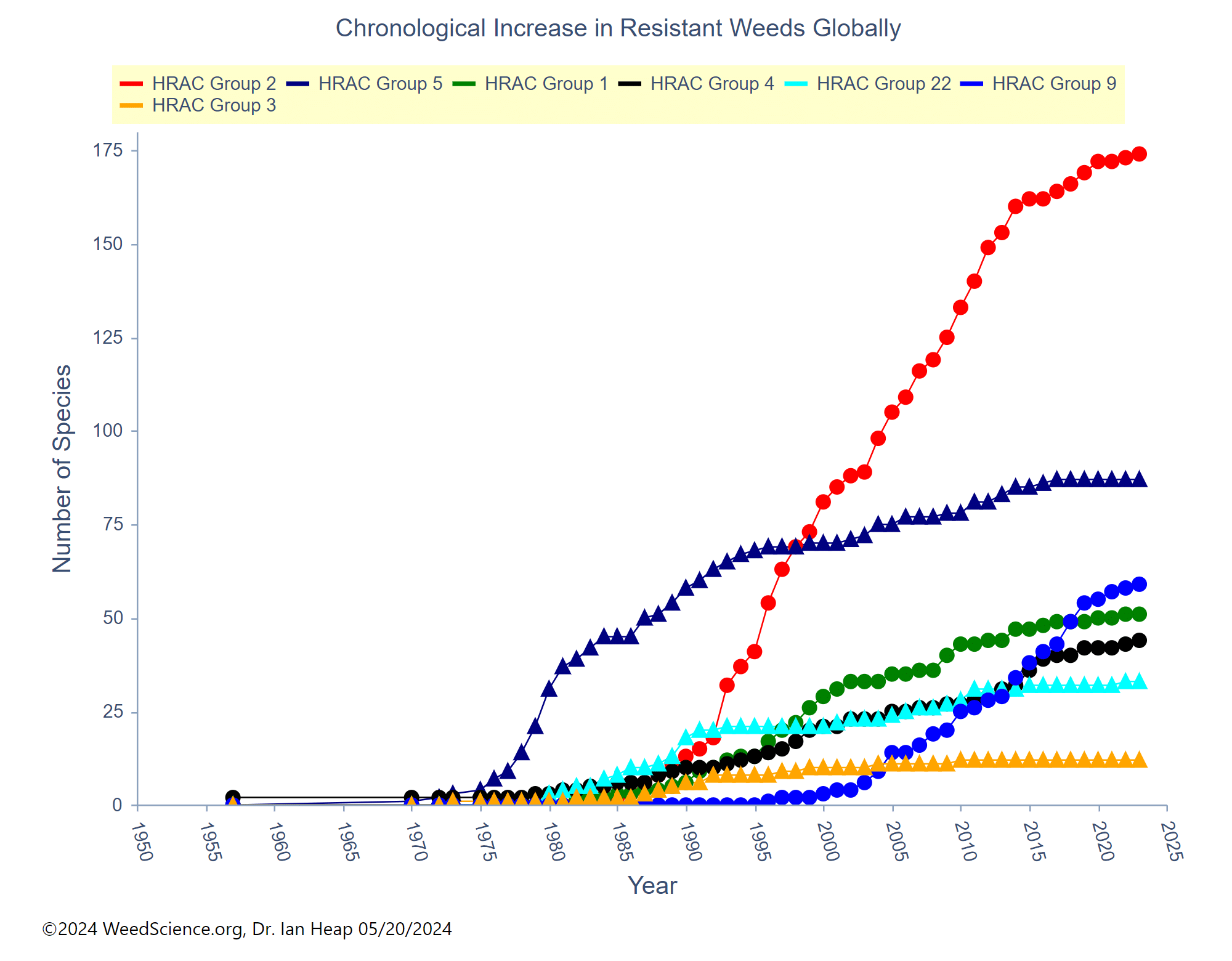
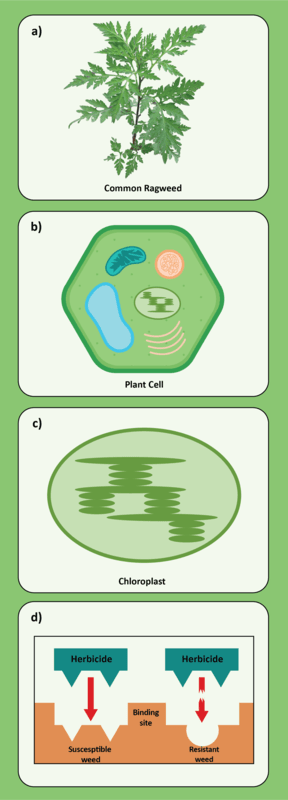
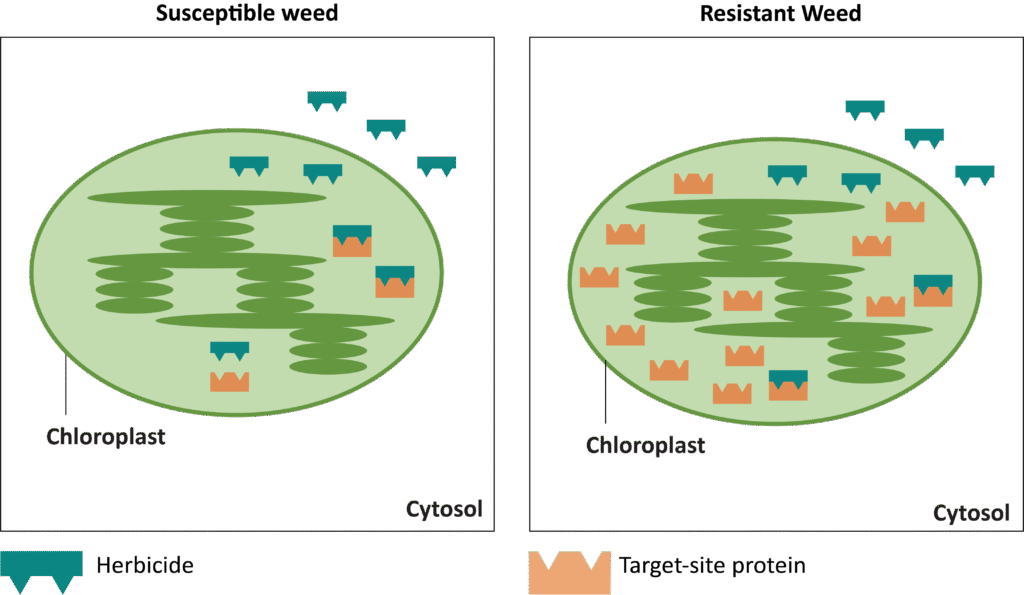
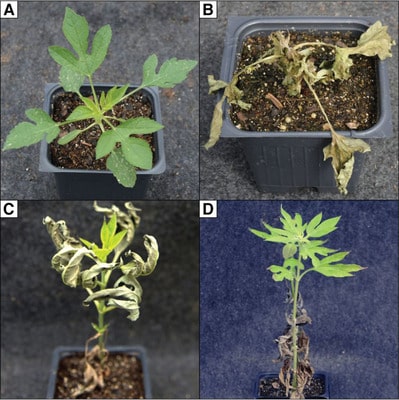
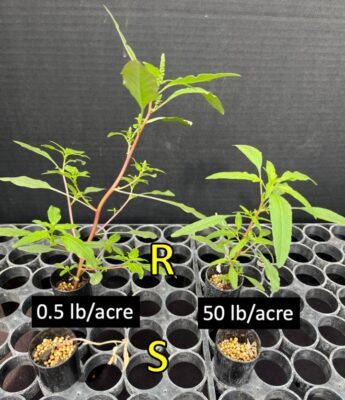
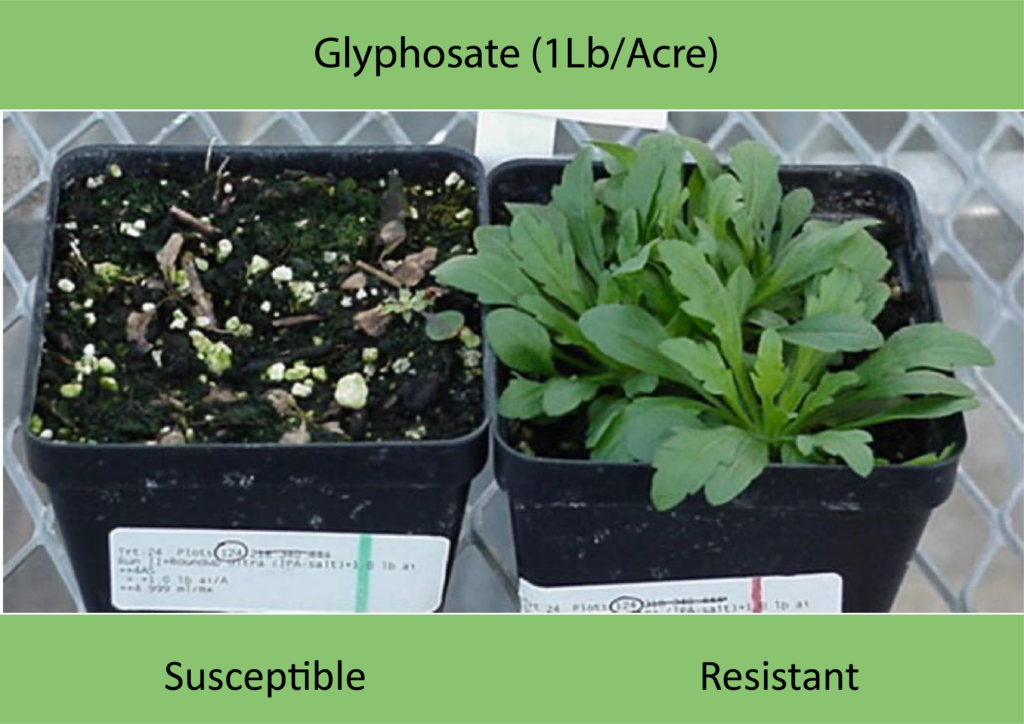
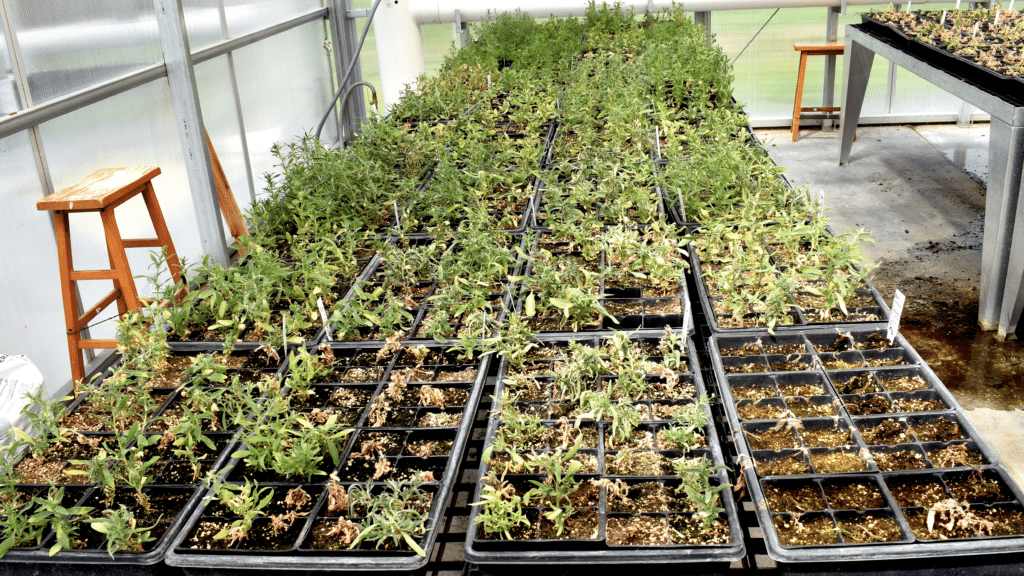
Common chickweed has evolved resistance to ALS (acetolactate synthase)-inhibiting herbicides (WSSA Group 2) in multiple small-grain producing regions of the United States and Canada. Resistance has been documented in wheat, triticale, spring barley, and alfalfa production systems. Confirmed cases include populations from Virginia (2008), Pennsylvania (2010), Maryland (2009), Delaware (2012), Kentucky (2013), and California (2022). These populations exhibit cross-resistance within Group 2, meaning resistant biotypes are no longer effectively controlled by several ALS-inhibiting herbicides commonly used in cereal and forage systems.
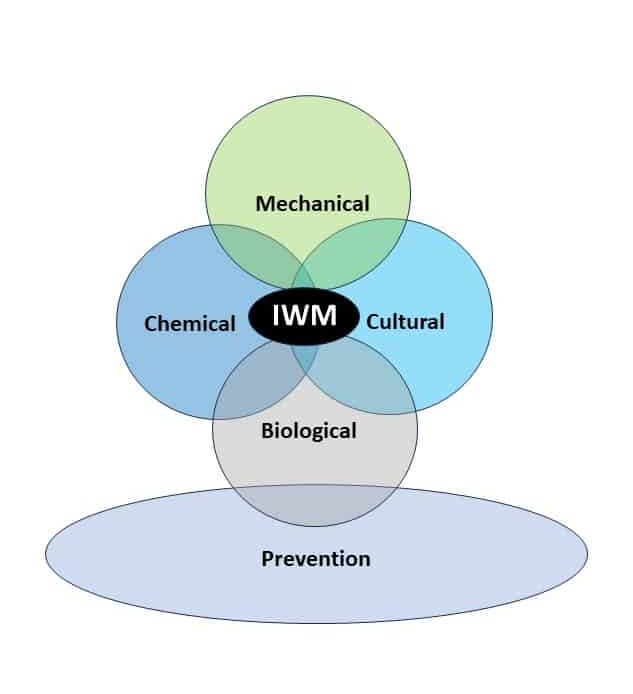
Integrated Weed Management
Cover Crops
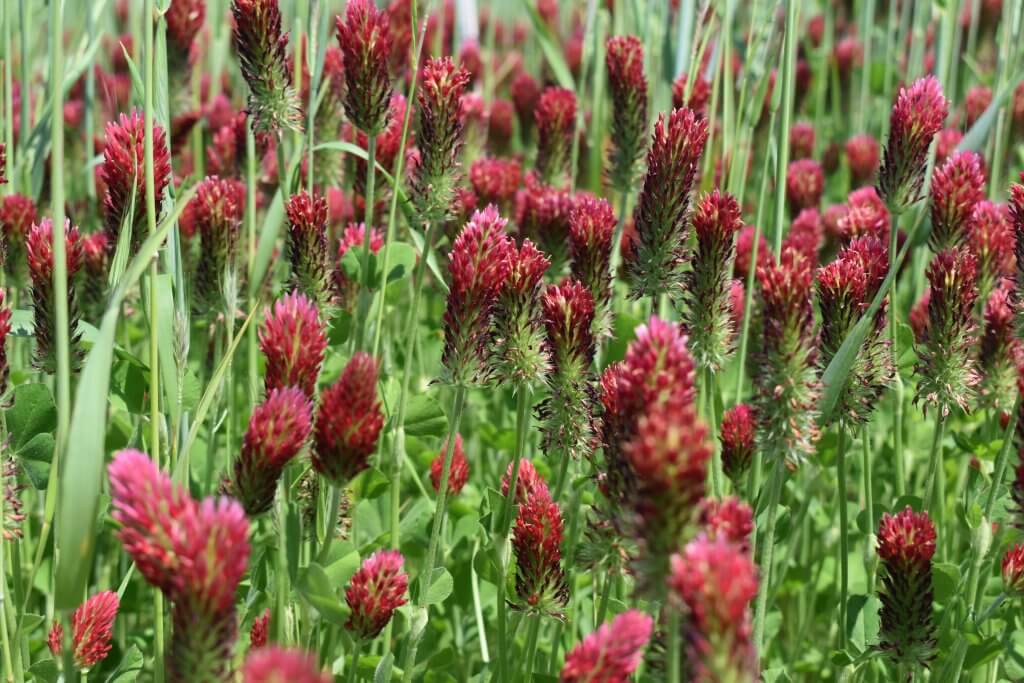
Fall-seeded small grain cover crops can provide strong suppression through winter and early spring if common chickweed emergence occurs after cover crop seeding. Where chickweed is already present at planting, a burndown herbicide application will improve cover crop establishment and prevent early competition. If legumes are seeded in a field with emerging common chickweed, the cover crop can become overwhelmed and reduce establishment and biomass production. Legume covers provide moderate weed suppression, whereas mixtures with cereals are more competitive. Delaying cover crop termination can increase shading and reduce secondary spring emergence.
Crop Rotation
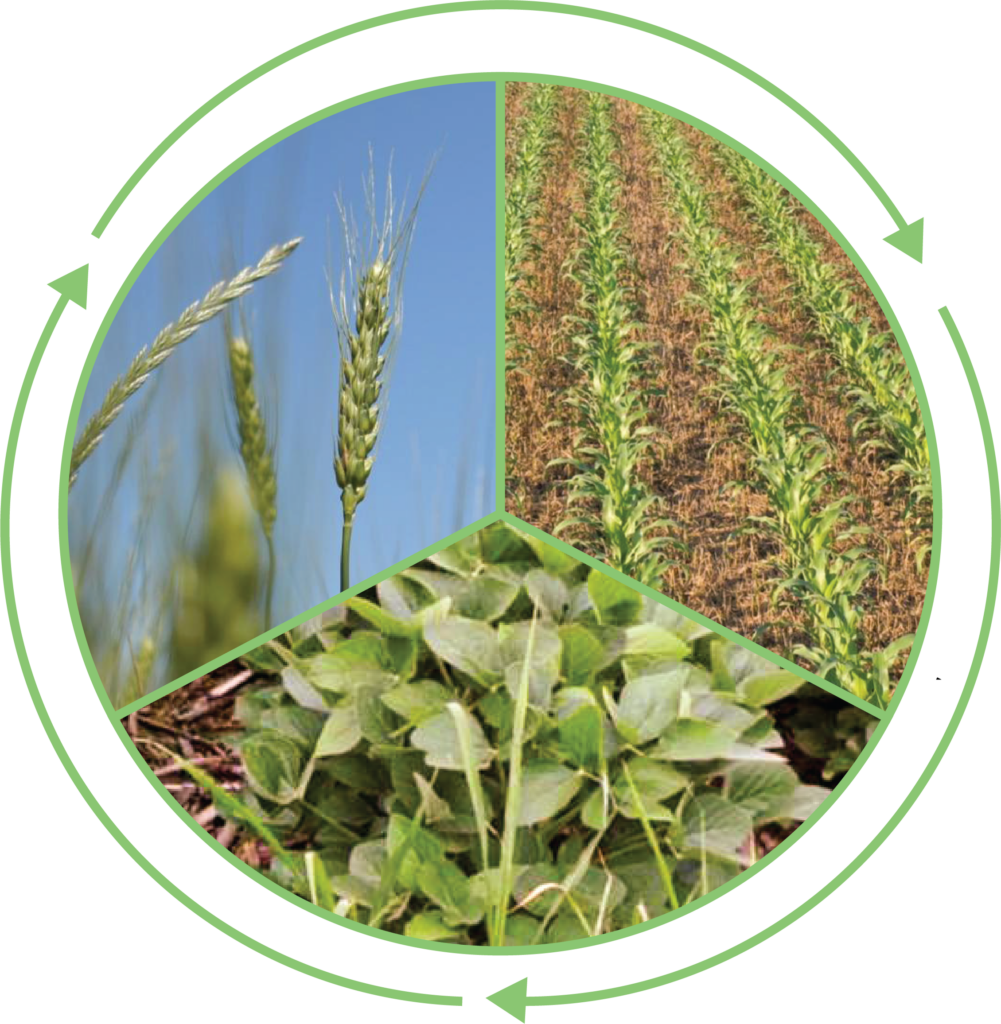
Incorporating winter small grains (such as rye, wheat or barley) or perennial forage legume crops (such as clover or alfalfa) into crop rotations can reduce chickweed pressure by creating a dense, competitive groundcover during its main emergence period, which disrupts its cool-season niche. This is dependent on common chickweed not being emerged at time of seeding. Common chickweed is typically not problematic for summer annual row crops such as corn and soybean assuming it is managed prior to crop establishment.
Prevention
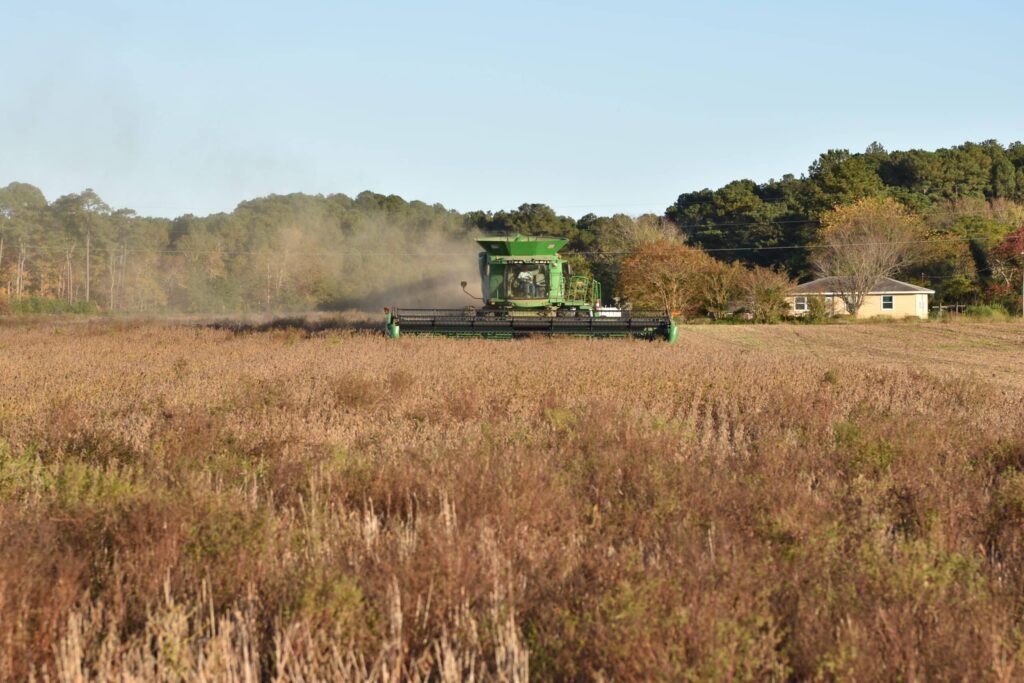
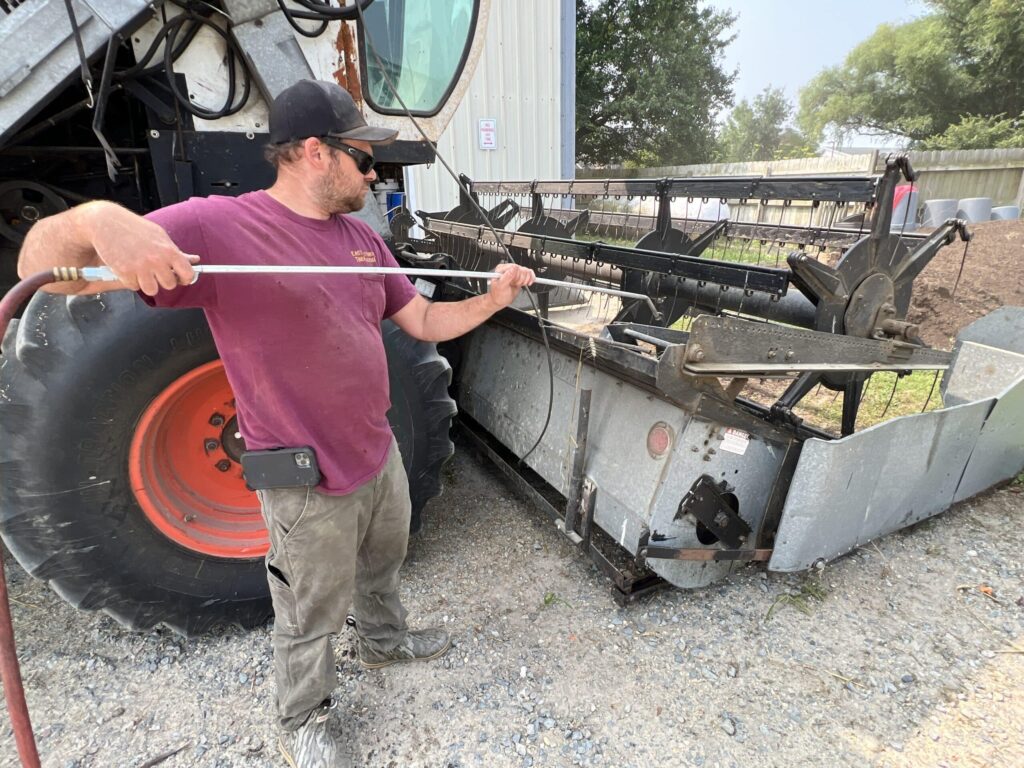
Remove soil from tillage tools, planters, and harvest equipment to prevent seed movement. Pay attention to wet fields, feedlots, and areas where chickweed forms mats. Moist, dense residues favor chickweed unless combined with competitive cover crops or timely spring operations.
Tillage
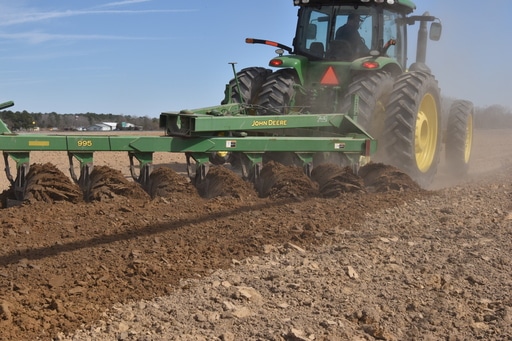
Primary tillage: Plowing kills emerged plants and can bury overwintered seedlings providing strong suppression of fall- and winter-established chickweed plants.
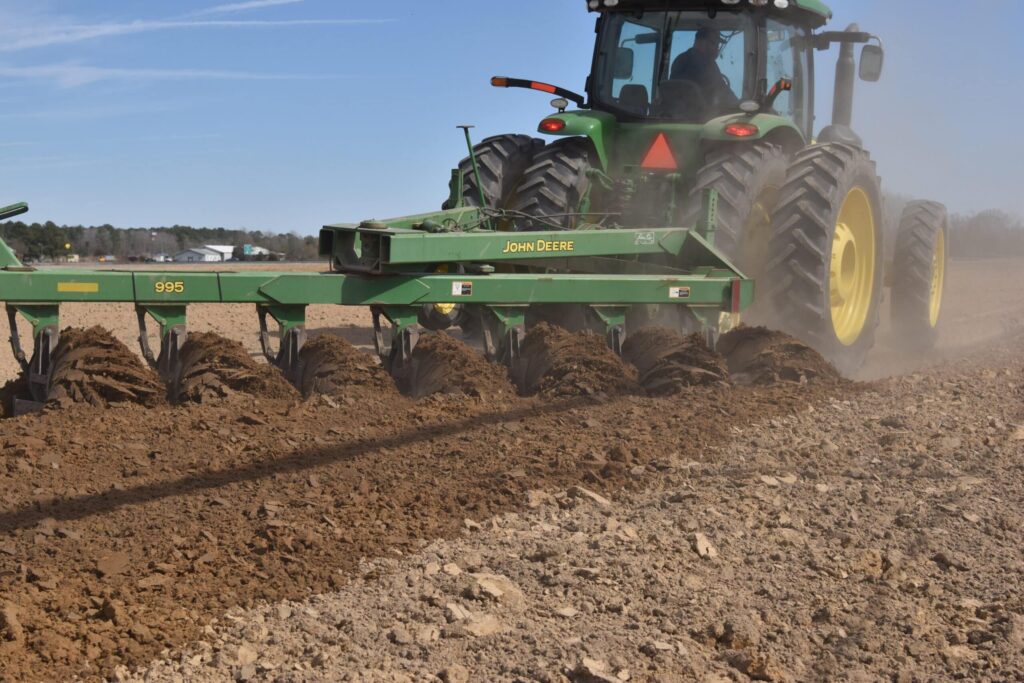
Vertical tillage: Vertical tillage tools, including turbo tillers, are used mainly for residue management and seedbed preparation rather than weed control. Because they lightly disturb the soil surface, it can bring on a new flush of common chickweed emergence. For that reason, they should not be relied upon as a primary tactic for chickweed management.
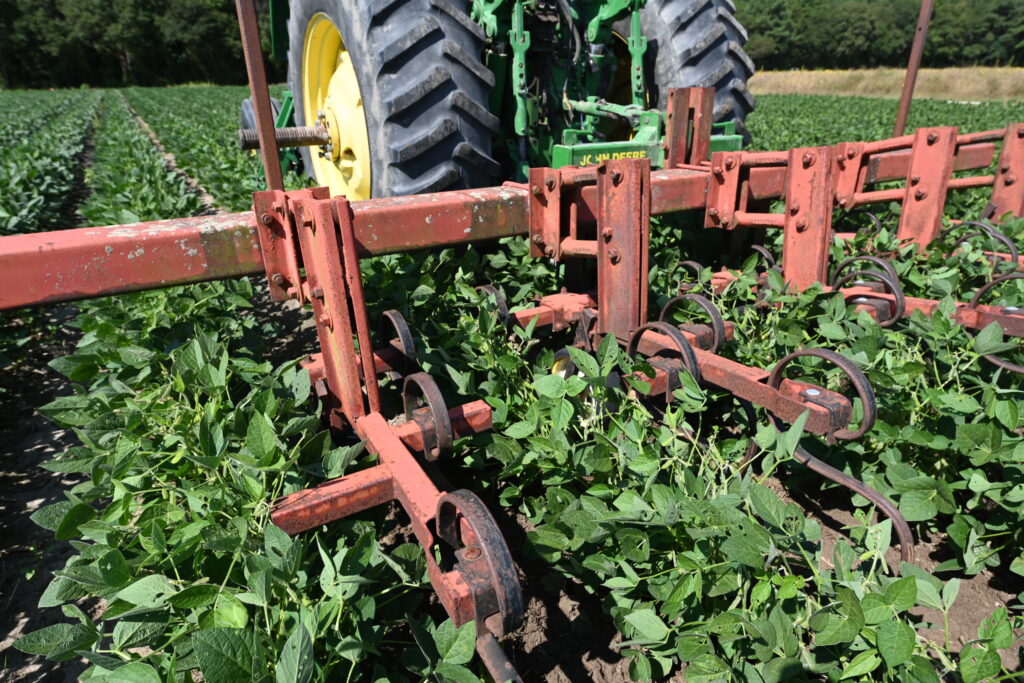
Sequential operations: Because emergence may continue during extended cool periods, multiple shallow tillage passes before planting may be needed.
Herbicide Control Options
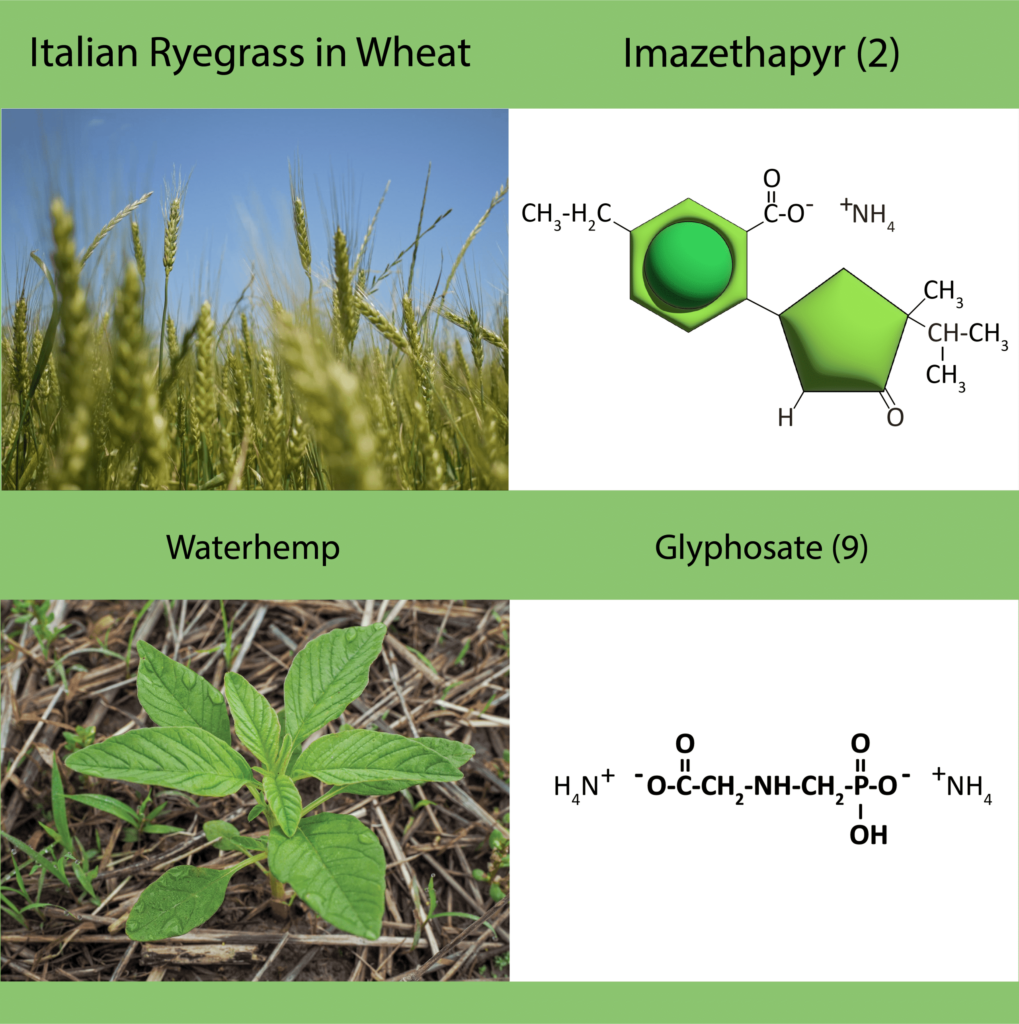
Pre-plant burndown (no-till systems): In no-till systems, common chickweed should be controlled prior to planting using a burndown herbicide program. Glyphosate (Group 9) and paraquat (Group 22) are commonly used options, with paraquat often providing more consistent control of dense chickweed mats. Saflufenacil (Group 14) can also be effective, particularly when tank-mixed with glyphosate for improved control.
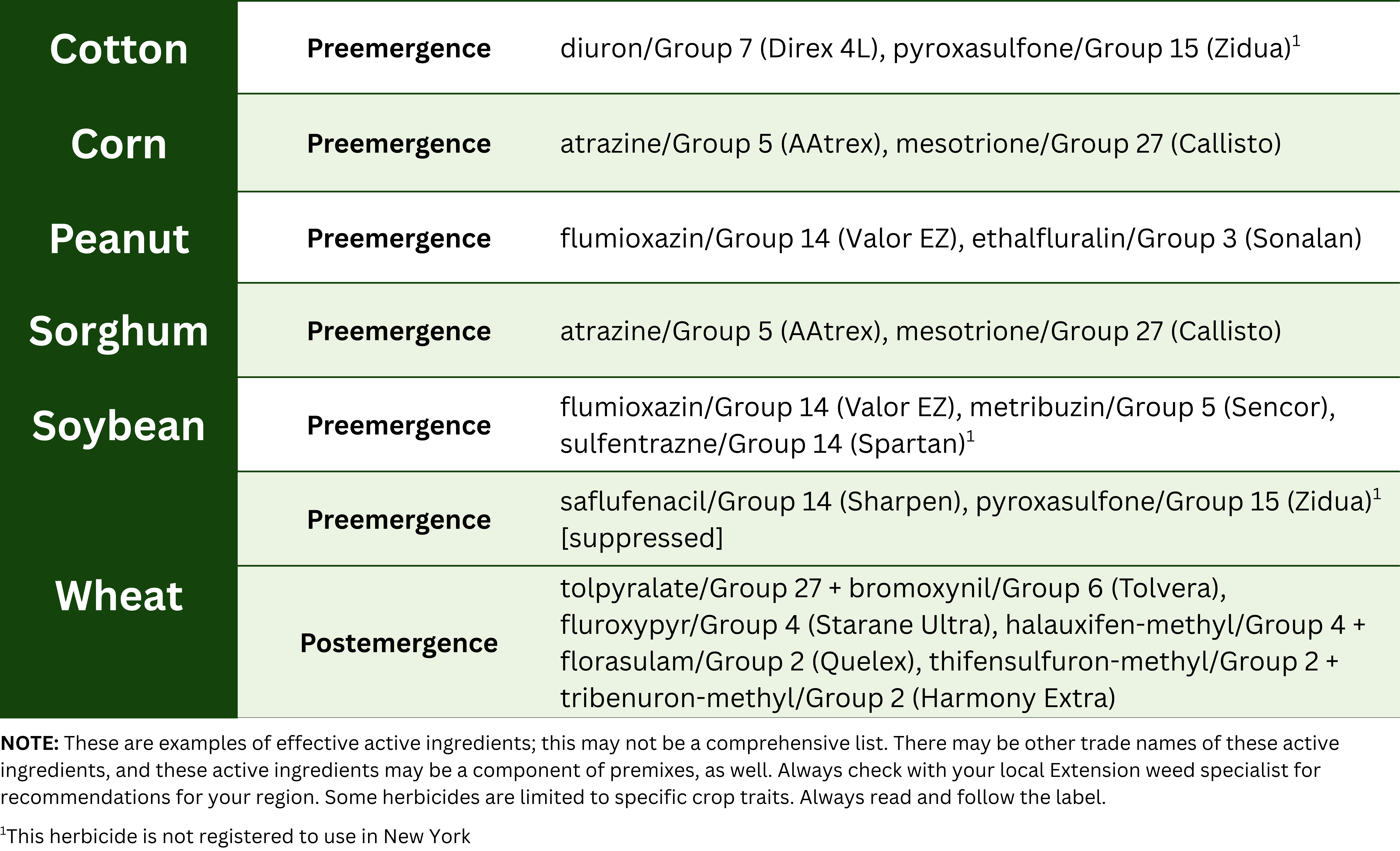
The following table includes some labeled herbicide options which can provide 80% or more control of common chickweed. Every application timing is specific to the crop. Always check herbicide labels or consult with your local Extension weed specialist.
Resources
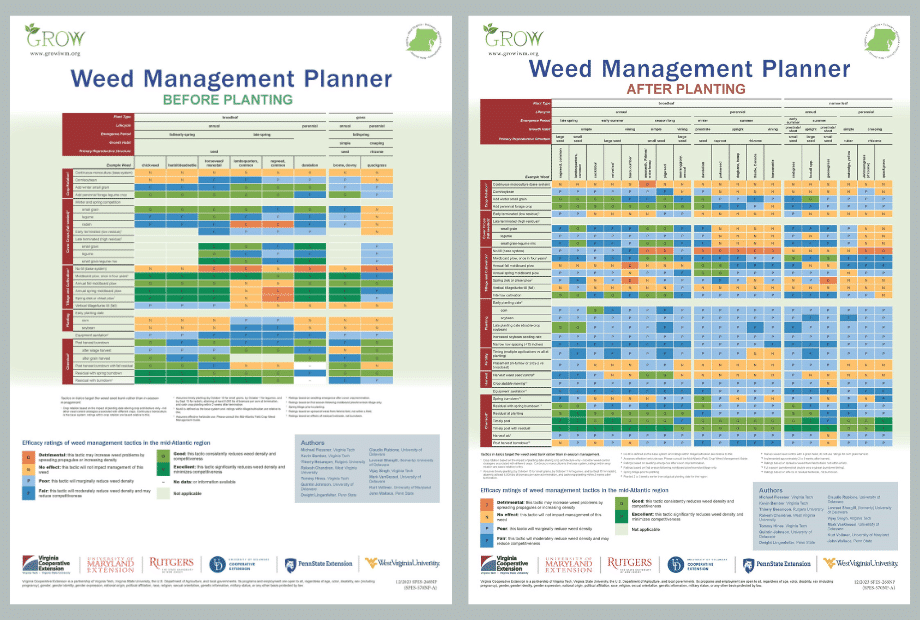
GROW’s Weed Management Planner. https://growiwm.org/the-weed-management-planner/
Heap I (2025) The International Herbicide-Resistant Weed Database www.weedscience.org Accessed: December 2, 2025
Mohler, C. L., Teasdale, J. R., & DiTommaso, A. (2021). Manage weeds on your farm: a guide to ecological strategies. Sustainable Agriculture Research and Education. 239-242; https://www.sare.org/resources/manage-weeds-on-your-farm/
Cornell University Weed profiles – Common chickweed.
https://cals.cornell.edu/weed-science/weed-profiles/common-chickweed
Cornell University’s Turfgrass and Landscape Weed ID app.
https://turfweeds.cals.cornell.edu/plants
Citations
Baskin, J. M., and C. C. Baskin. 1976. High temperature requirement for after ripening in seeds of winter annuals. New Phytologist 77:619-624
Defelice, M. S. 2004. Common chickweed, Stellaria media (L.) Vill. – “Mere Chicken Feed?” Weed Technology 18:193–200
Hill, E. C., K. A. Renner, and C. L. Sprague. 2014. Henbit (Lamium amplexicaule), common chickweed (Stellaria media), shepherd’s-purse (Capsella bursa-pastoris), and field pennycress (Thlaspi arvense): Fecundity, seed dispersal, dormancy, and emergence. Weed Science 62:97-106
Lutman, P. J. W. 2002. Estimation of seed production by Stellaria media, Sinapis arvensis and Tripleurospermum inodorum in arable crops. Weed Research 42:359-369
Pacanoski, Z. (2024). Stellaria media (L.) Vill. (common chickweed)-strong or weak competitor in the autumn and early-spring sown crops? Acta herbologica, 33(2), 77-89
Roberts, H. A., and P. A. Feast. 1973. Emergence and longevity of seeds of annual weeds in cultivated and undisturbed soil. Journal of Applied Ecology 10:133-143
Sobey, D. G. 1981. Biological flora of the British Isles. Stellaria media (L) Vill. Journal of Ecology 69:311-335
Wilson, B. J., K. J. Wright, and R. C. Butler. 1993. The effect of different frequencies of harrowing in the autumn or spring on winter wheat, and on control of Stellaria media (L.), Galium aparine L., and Brassica napus L. Weed Research 33:501-506
Author
Preetaman Bajwa, Cornell University
Editors
Vipan Kumar, Cornell University
Emily Unglesbee, GROW
Michael Flessner, Virginia Tech
John Wallace, Penn State University
Mark VanGessel, University of Delaware
William Curran, Penn State (emeritus)