Sometimes aiming for two birds with one stone just means you miss twice.
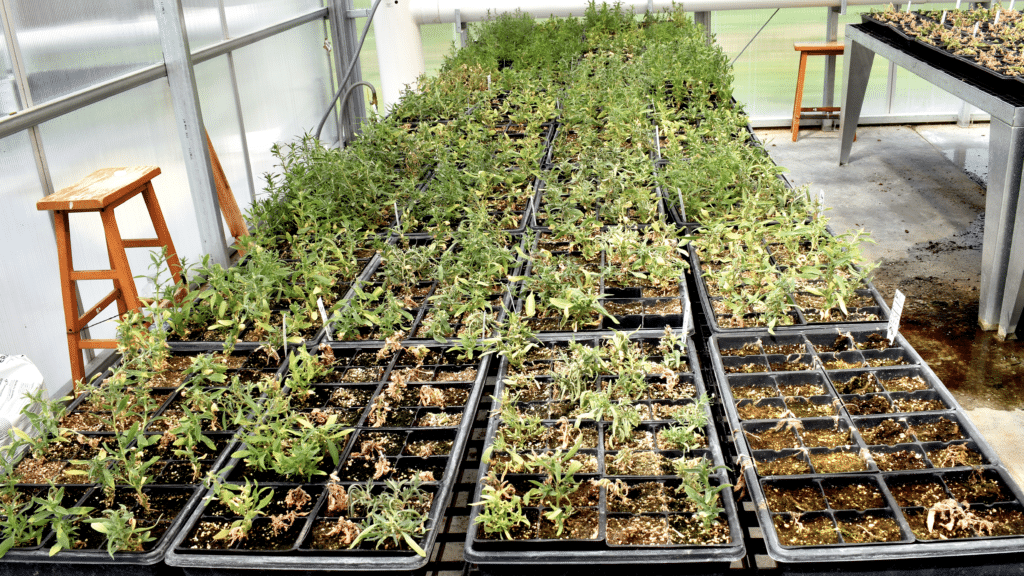
Case in point: Farmers looking to save time and money by spraying contact broadleaf herbicides alongside systemic grass herbicides could find that their grass weeds still stand tall afterward. At issue is herbicide antagonism, a phenomenon wherein tank-mixing multiple herbicides results in worse weed control than each herbicide would have produced when sprayed alone. It’s a rising problem in controlling grass weeds, experts say.
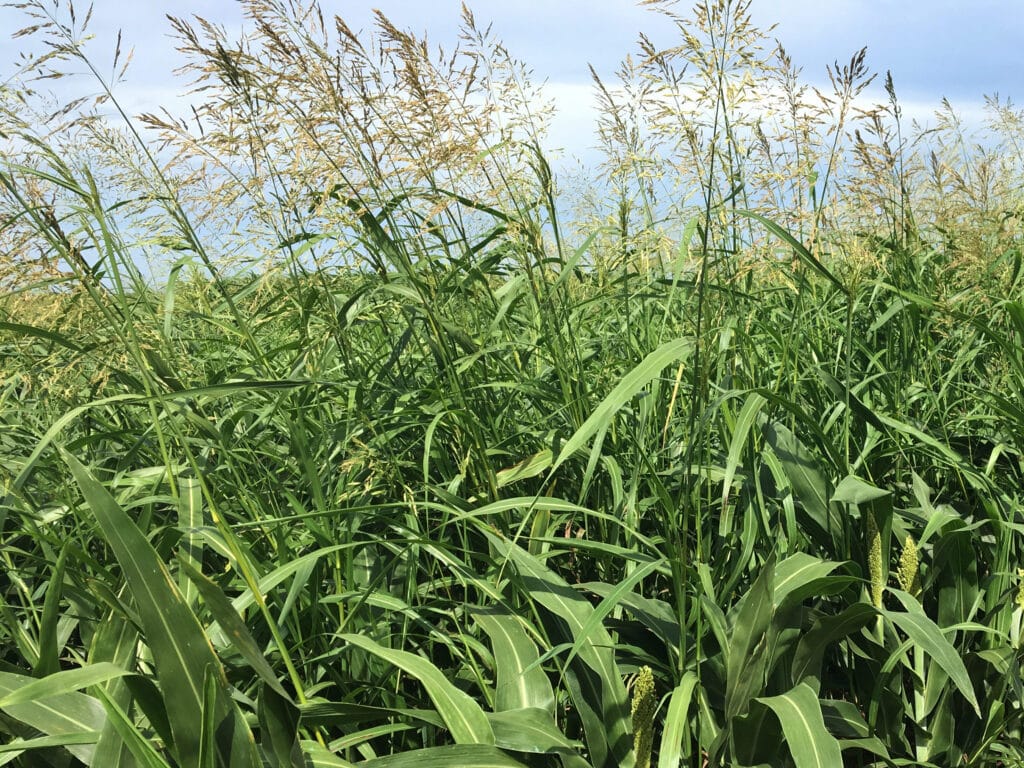
Farmers can avoid herbicide antagonism by separating postemergence grass and broadleaf herbicide applications or researching a tank mix before trying it in the field, according to University of Georgia Extension weed specialist Dr. Eric Prostko and North Carolina State Extension weed specialist Dr. Charlie Cahoon.
“We’ve known about antagonism for a really long time,” Prostko notes. “But it’s a very common problem today because of the need to reduce trips over the field and to ultimately save money.”
Understanding Herbicide Antagonism
“Antagonism can happen in the tank or in the field,” Prostko explains.
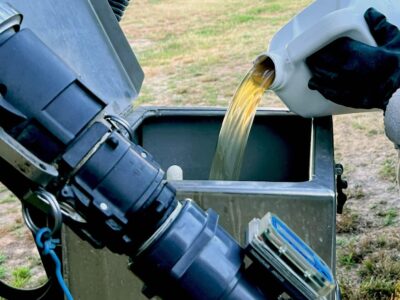
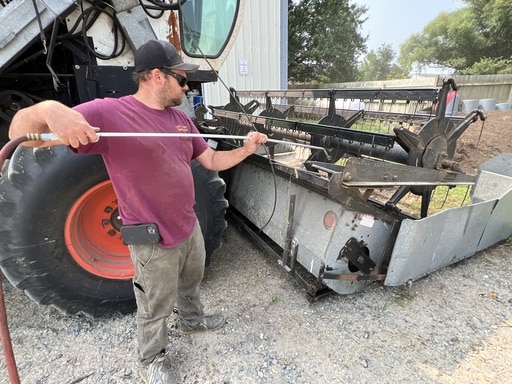
In the tank, herbicides (and other pesticide products) that don’t mesh well can create a sludge that clogs the sprayer and requires cleaning before any spraying happens.
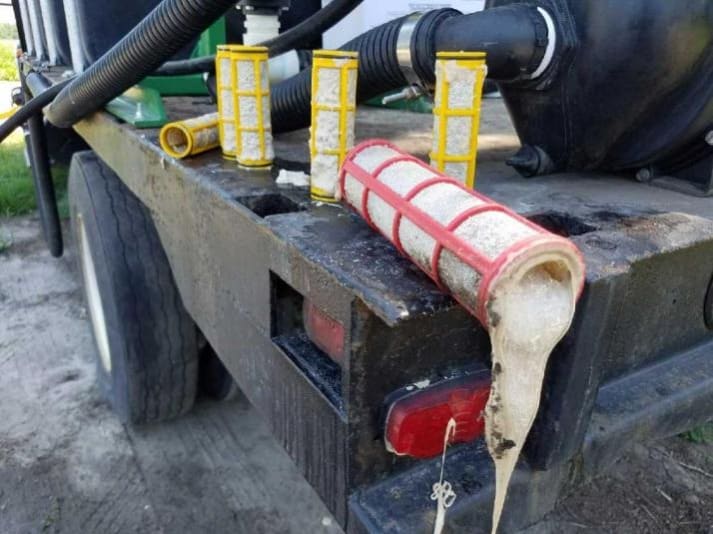
But even if a tank mix flows through the sprayer, spraying broadleaf herbicides with grass herbicides could result in sub-par grass weed control in the field. The cause is likely because contact broadleaf herbicides prevent systemic grass herbicides from properly entering the grasses and moving throughout the plant, Prostko says.
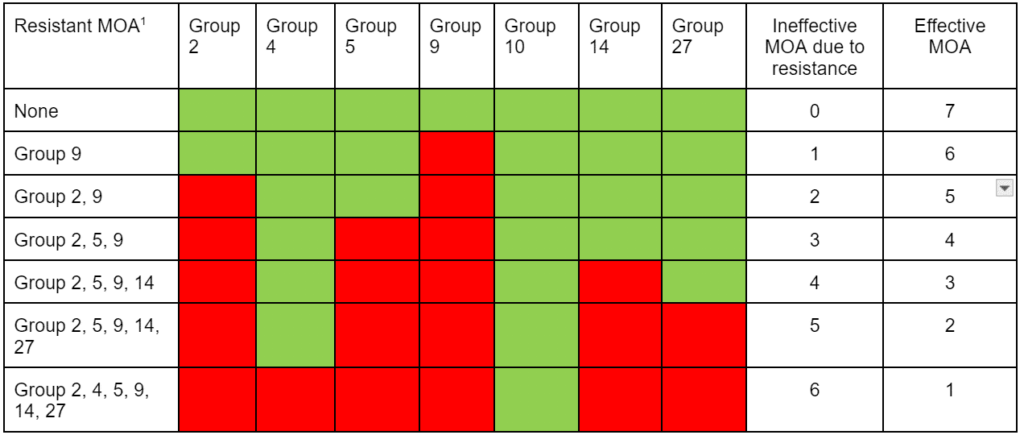
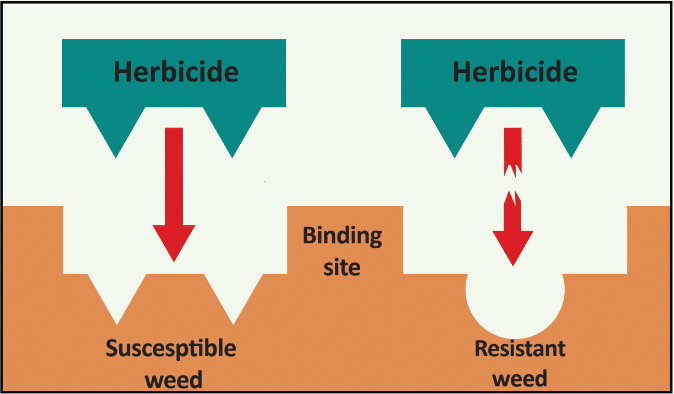
Prostko and Cahoon both note that herbicide antagonism could, in theory, lead to herbicide resistance since it exposes grass weeds to non-lethal doses of herbicides. However, more research is needed to better understand the mechanisms behind herbicide antagonism, and the risks it poses to increasing herbicide resistance.
How to Combat Herbicide Antagonism
Many different factors influence herbicide antagonism, but herbicide application timing, separating postemergence passes, drought, and tank mixes are four of the most critical factors that farmers should consider.
1. Get Into the Field Early

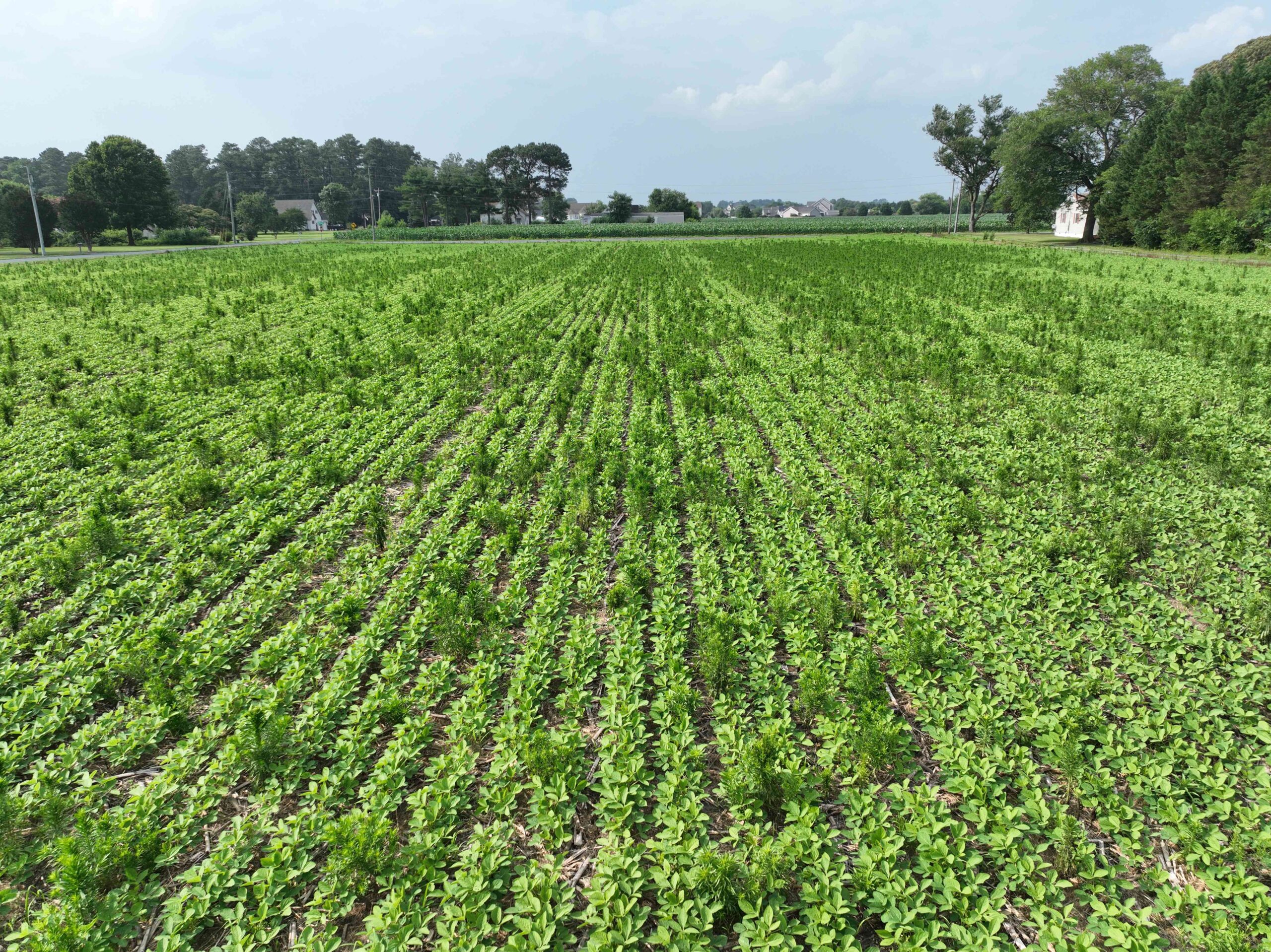
Getting into the field with a soil residual preemergence application will suppress weeds early in the season – but make sure that residual targets both broadleaf and grass weeds. A residual preemergence program that doesn’t target grass weeds gives those grasses a chance to grow to an uncontrollable size before postemergence applications.
“The best way to mitigate POST issues is by having a great PRE,” Cahoon says.
Farmers should also apply their postemergence herbicides early to target small weeds. Prostko emphasizes that farmers should ideally tackle weeds before they get more than four inches tall. Herbicides can struggle to control large, mature weeds – and that’s before considering the reduced weed control from antagonistic tank mixes.
2. Know that Drought Increases Antagonism
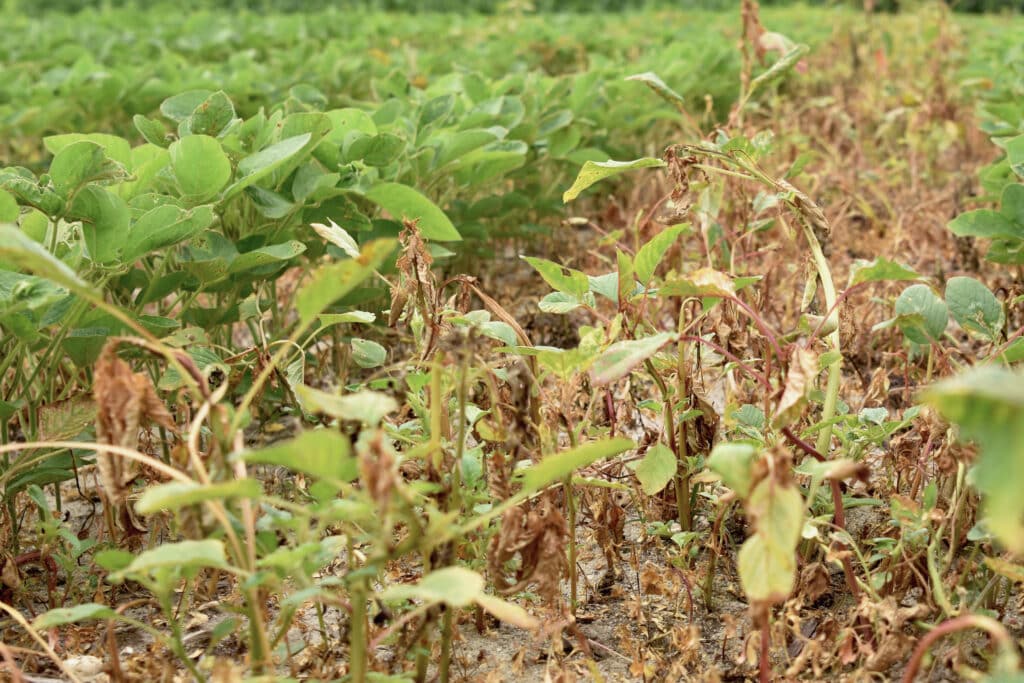
Targeting weeds early also helps grass weed control in drought years, Cahoon and Prostko note. Drought can have an effect on several processes including herbicide adsorption (when molecules adhere to the leaf surface) and translocation, a process where plants circulate substances throughout their tissues. Grass weeds that aren’t growing in a drought will not absorb and circulate a systemic herbicide, meaning that herbicide will not be able to kill that weed.
“Drought greatly exacerbates the issue of antagonism,” Cahoon emphasizes.
3. Separate Broadleaf and Grass Herbicide Postemergence Applications
Prostko advises farmers to consider separating their postemergence applications of broadleaf and grass herbicides to avoid potential antagonism. Farmers who spray a grass herbicide first should wait three days before returning to the field armed with their broadleaf herbicides. If farmers spray broadleaf herbicides first, then they should extend that time frame to between five and seven days before spraying their grass herbicides.
Cahoon and Prostko both note that increasing the grass herbicide rate in a broadleaf-grass herbicide tank mix (while remaining within the on-label range) can sometimes overcome antagonism. But the pair warn that the increased grass herbicide rate won’t always work, especially if growers are targeting large grasses.
4. Know Your Tank Mixes’ Antagonism Risk
Since Prostko and Cahoon understand that farmers aren’t always able to spray multiple times, they also suggest farmers weigh the herbicide antagonism odds before making the call.
The antagonism risk of a tank mix varies depending on the products in use, when farmers spray them, and which weeds they are targeting. So which tank mixes cause herbicide antagonism? Well, there are many potential troublesome tank mixes, Prostko says.
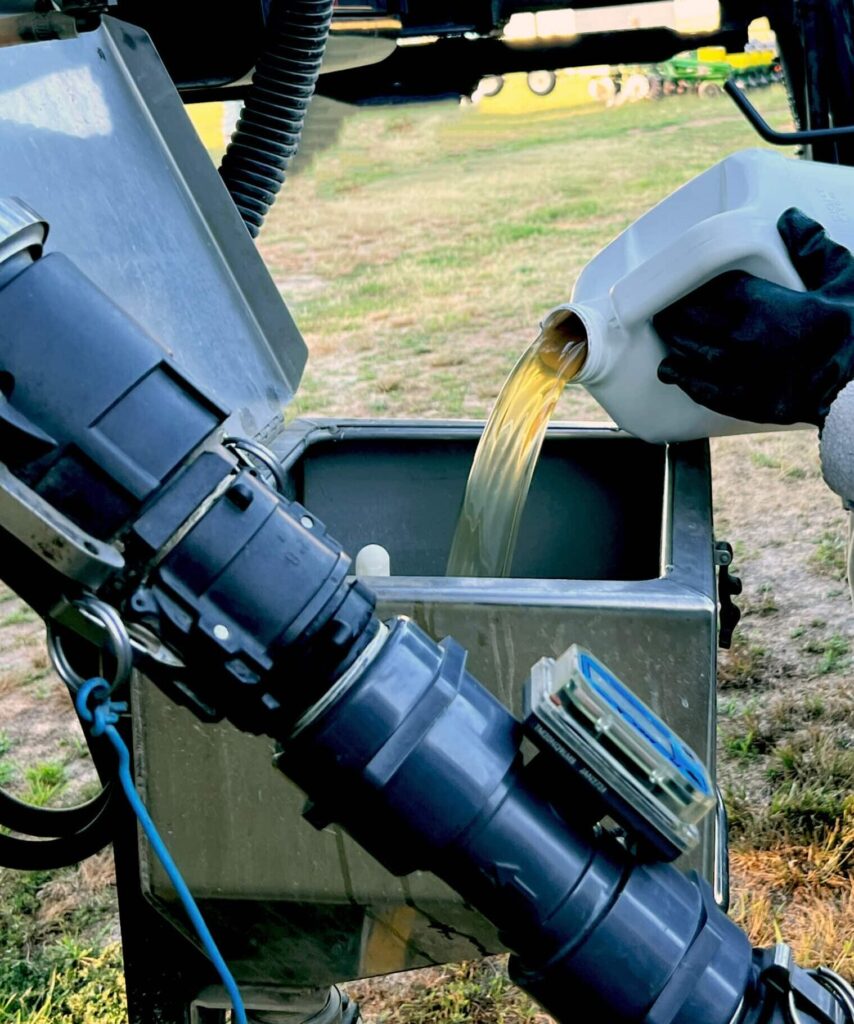
For example, Prostko has warned farmers that 2,4-DB tank-mixed with clethodim (Select) can cause an 8% to 15% reduction in grass control about 50% of the time.
Similarly, Prostko has also told his farmers that mixing clethodim (Select) with imazapic (Cadre) can result in a 10% to 25% reduction in grass control.
“The best thing we can do is make growers aware [of the herbicide antagonism risks],” Prostko says. “Then they can make their own decision whether that’s something they are willing to risk.”
And know that there are even more tank mix possibilities that haven’t been tested for antagonism. Prostko has seen tank mixes that contain as many as seven different products. Farmers commonly tank mix herbicides, fungicides, and insecticides, and that’s not considering fertilizers, adjuvants, or biologicals.
Before a farmer starts adding products to the tank, Prostko and Cahoon encourage them to read the product labels for any tank mixing instructions and to give their local Extension weed specialist (or even ag retailer) a call. These experts will have experience with common tank mixes for the area, and they might even be able to test out a tank mix’s compatibility before a farmer puts it in their sprayer tank.
“It’s important for growers to check with whoever they work with and get as much information as they can about the potential pitfalls of tank mixes,” Prostko concludes. “And proceed with caution when you’re tank mixing multiple products.”
And know that many factors contributing to herbicide antagonism compound on each other, Cahoon and Prostko note. Not spraying a preemergence residual herbicide results in germinating grass weeds, then antagonistic tank mixes and drought can result in tall, uncontrollable grass weeds.
“Be proactive, not reactive,” Cahoon encourages.
Which Grasses are Prone to Antagonism?
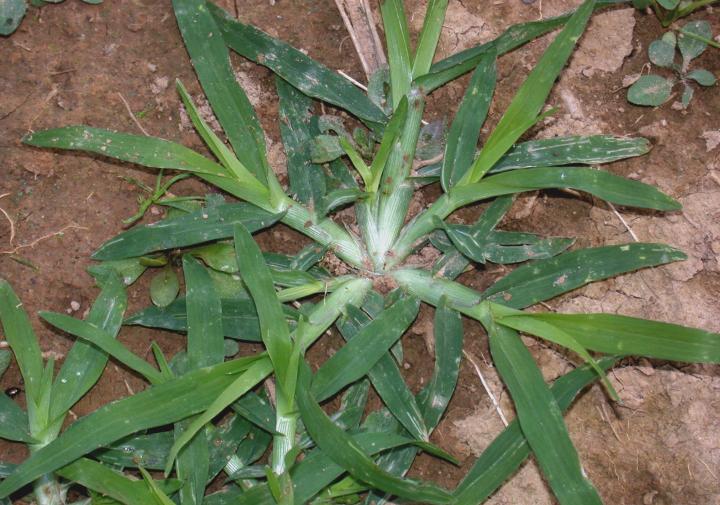
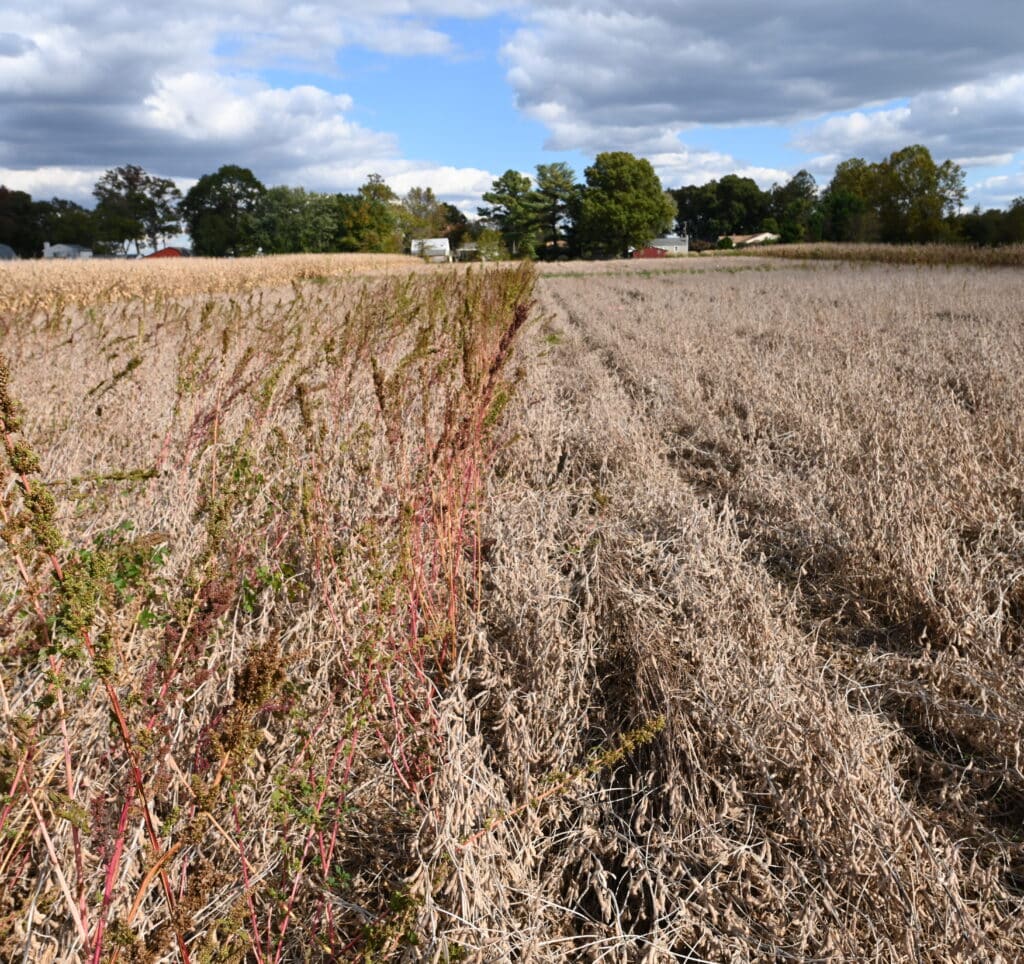
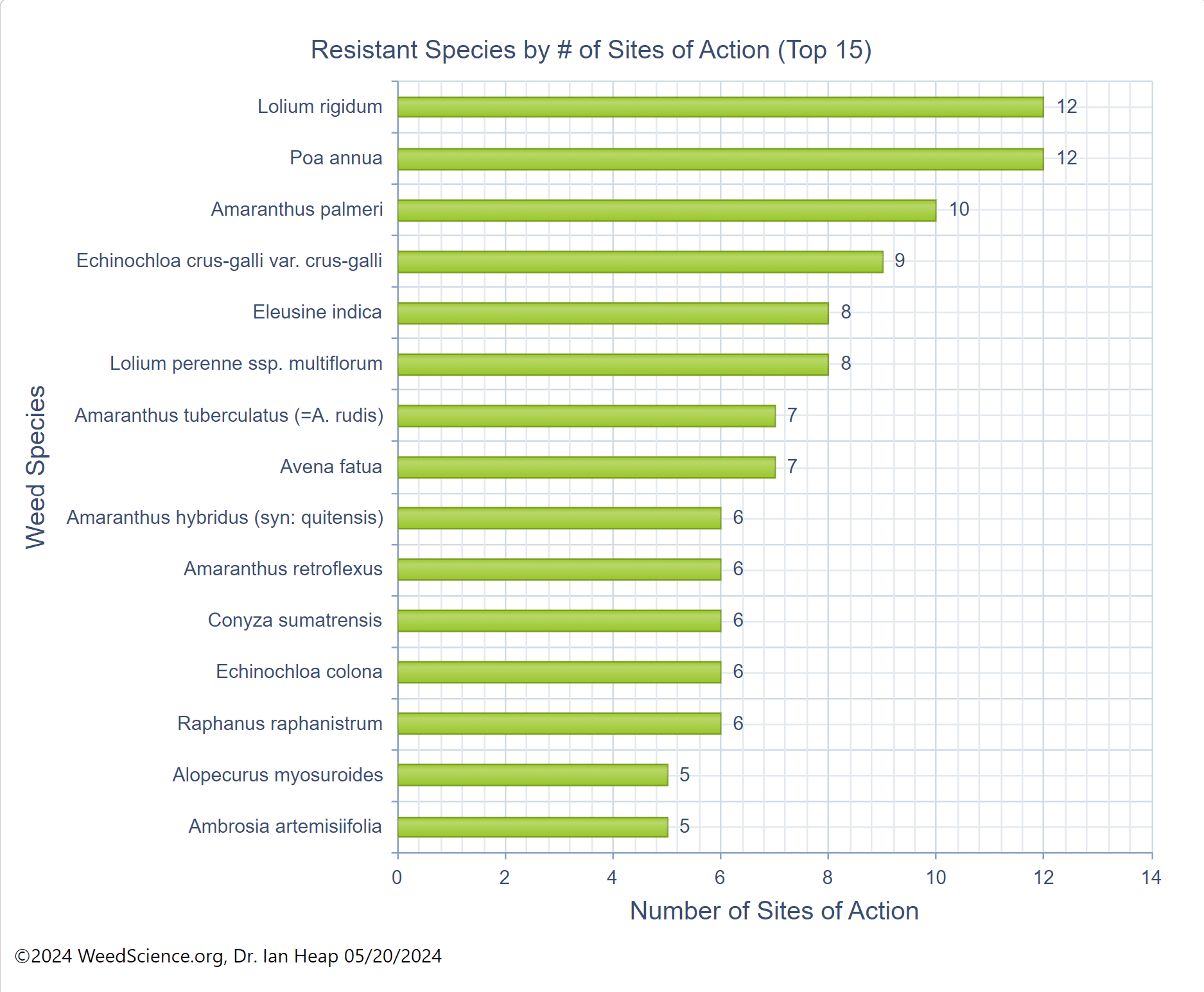
Grass weeds are not equally affected by herbicide antagonism. Goosegrass, broadleaf signalgrass, junglerice, Italian ryegrass, and Texas panicum are just a few species that are especially prone to antagonistic tank mixes.
“Goosegrass is public enemy number one for antagonism right now in the South,” Prostko remarks.
Cahoon has even noticed a trend during his time as an Extension weed specialist: grasses that are tough to control with glyphosate alone seem especially prone to herbicide antagonism when glyphosate is tank-mixed with a product such as dicamba or 2,4-D.
Cahoon also foresees antagonism becoming even more common as more crops with herbicide-resistant traits hit the market.
“As we continue to add herbicide-resistant traits to crops, we’re going to have the ability to make more tank mixes, and we’re going to figure out the species where we have [antagonism] problems,” Cahoon explains
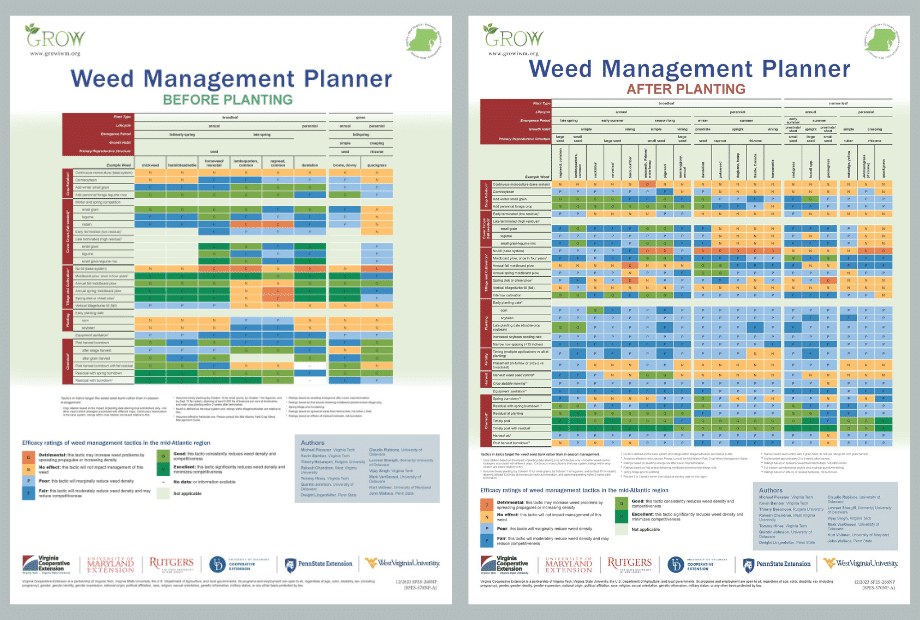
Explore GROW’s website for more information about herbicide management practices and herbicide-resistant weeds.
Article by Amy Sullivan, GROW; Header and feature photo by Claudio Rubione, GROW.