Weeds might seem like the perfect opponent, popping up in fields no matter what management tactic you try. But Cornell’s new weed-killing playbook can provide the intel you need to finally target your weeds’ greatest vulnerabilities.
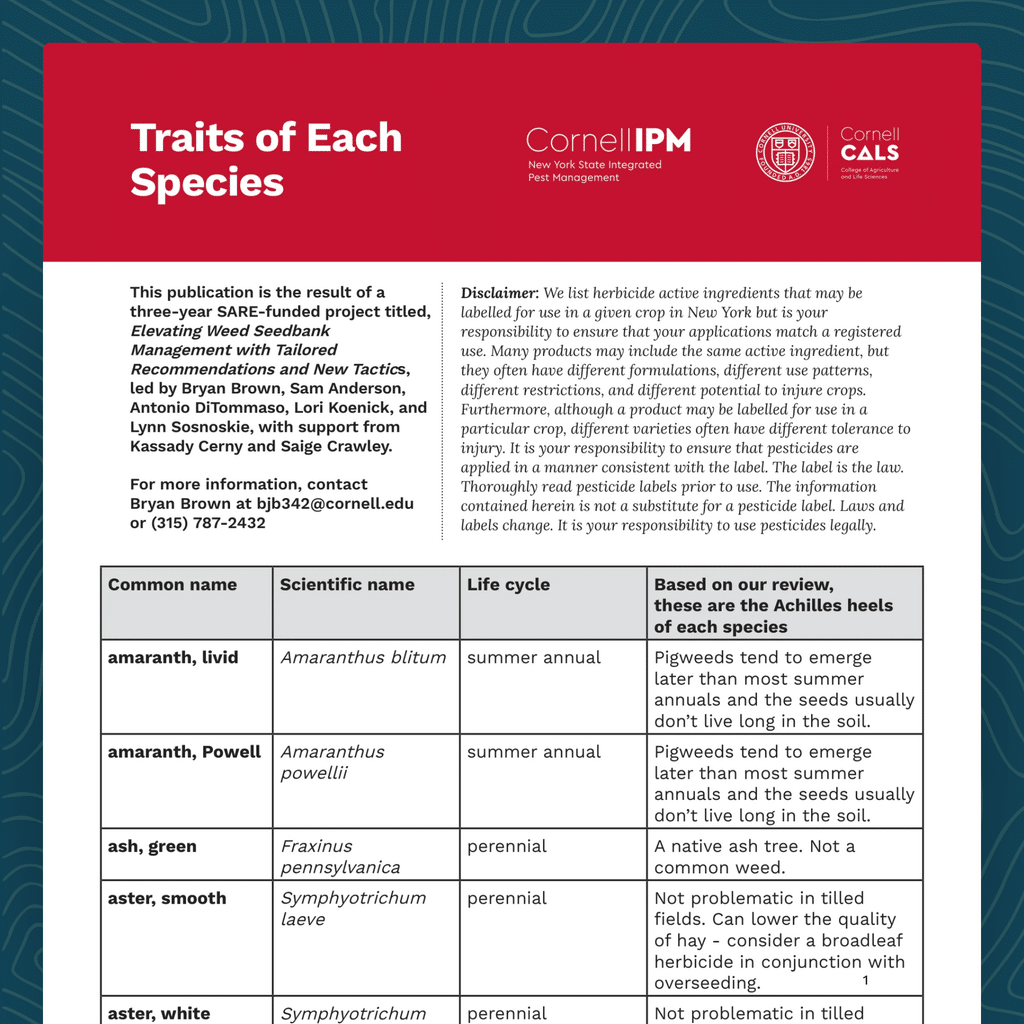
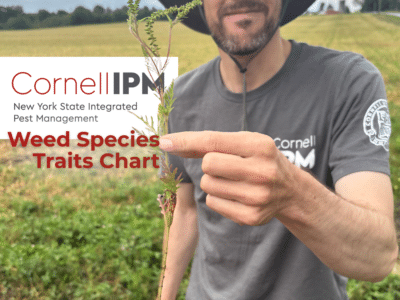
The guide features a weed species trait chart that spans 209 weeds and describes each weed’s strategic weakness – dubbed their “Achilles’ heel.” Created by a team of Cornell researchers headed by weed management specialist Dr. Bryan Brown, the guide covers weeds found in row crops, specialty crops, turfgrass, orchards, vineyards, pastures, and even natural environments.
This strategic weed playbook not only unveils a weed’s largest vulnerabilities, but it can also reveal certain management practices that have helped that species prosper on your farm.
A Peek Into the Guide
Brown’s chart is a part of a larger three-year SARE project on weed seedbanks and seedbank management. Brown worked with 51 farms across the state of New York to analyze each operation’s weed seedbank. The Cornell team then delivered tailored seedbank management recommendations to each of those farmers. Every plant listed in the guide was found on at least one of those 51 farms.
Understanding the chart is simple. Brown details each weed’s common name, scientific name, and lifecycle, followed by at least one sentence describing that weed’s most notable vulnerability.
“A lot of weeds are generalists and are good at surviving a lot of different control tactics,” Brown says. “If there was anything that stuck out to us that made [one weed] different from another species, we thought about how we could target that to get better control.”
Weed height, emergence period, seed depth emergence, and tolerance (or intolerance) to shade are all examples of weed traits that Brown pinpointed as potential Achilles’ heels.
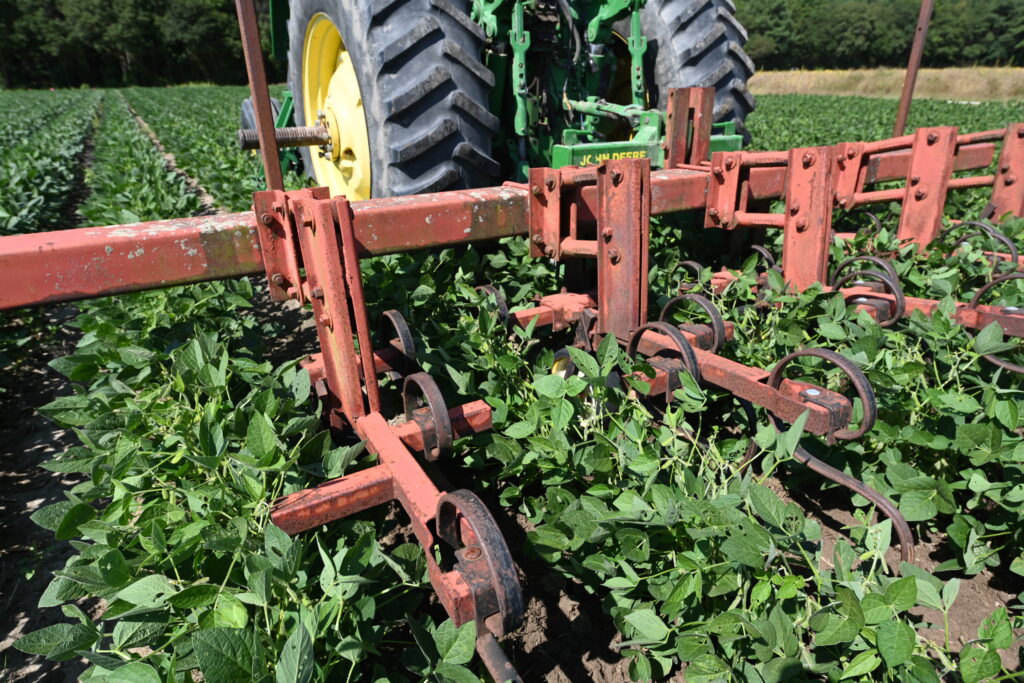
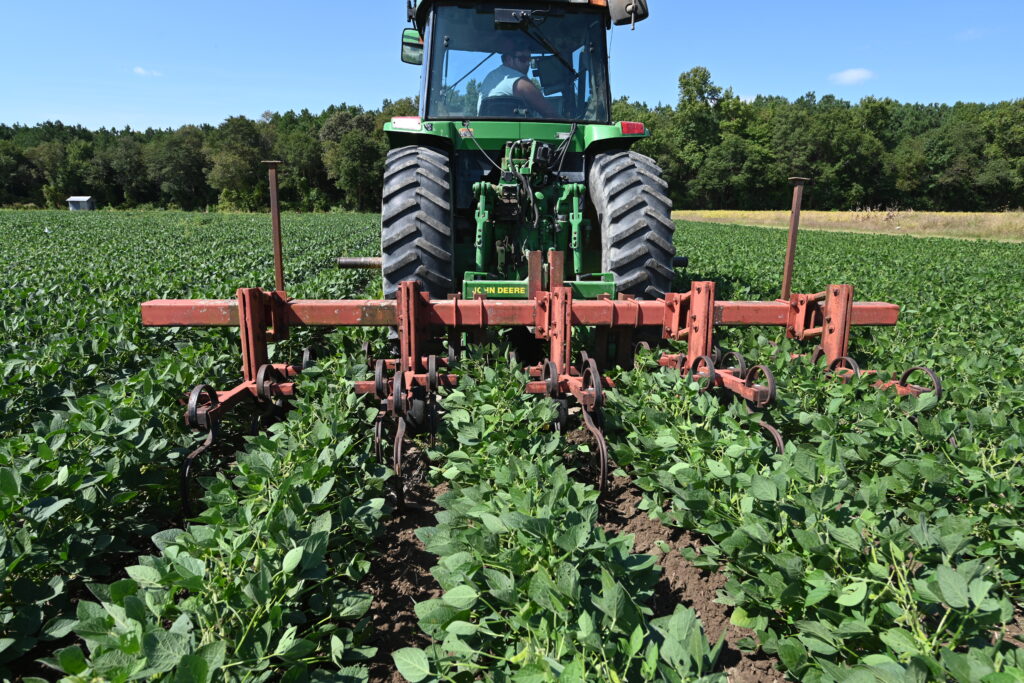
The chart’s “Achilles’ Heel” column sometimes notes how certain weed control tactics will help weeds survive. For instance, the Cornell team found that common chickweed and common purslane often troubled organic operations which relied on tillage and cultivation. The reason? These two weeds readily re-root themselves, allowing these weeds to survive while other weeds died.
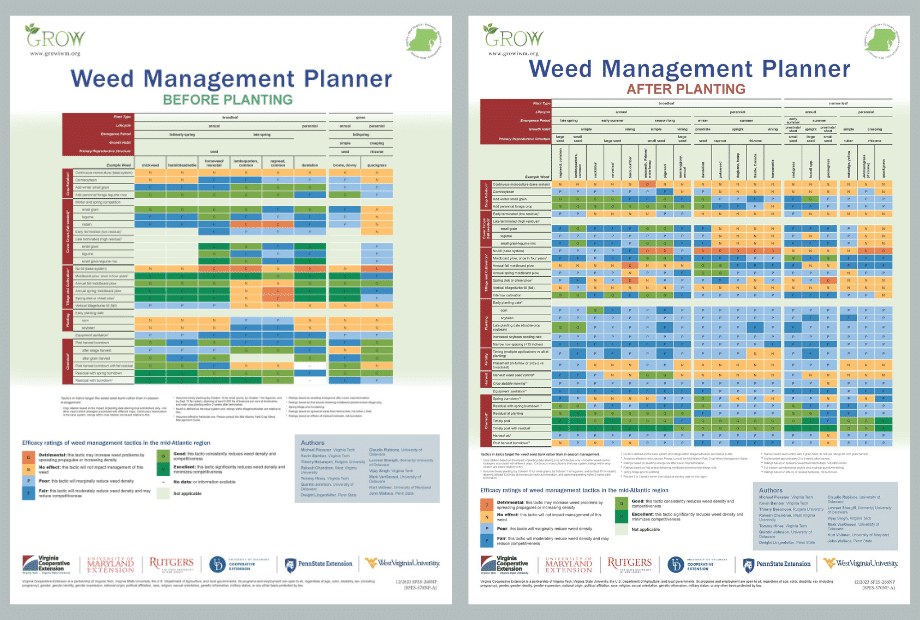
(For a similar, quick-view guide that shows how common farm management tactics affect individual weeds, see GROW’s Weed Management Planner.)
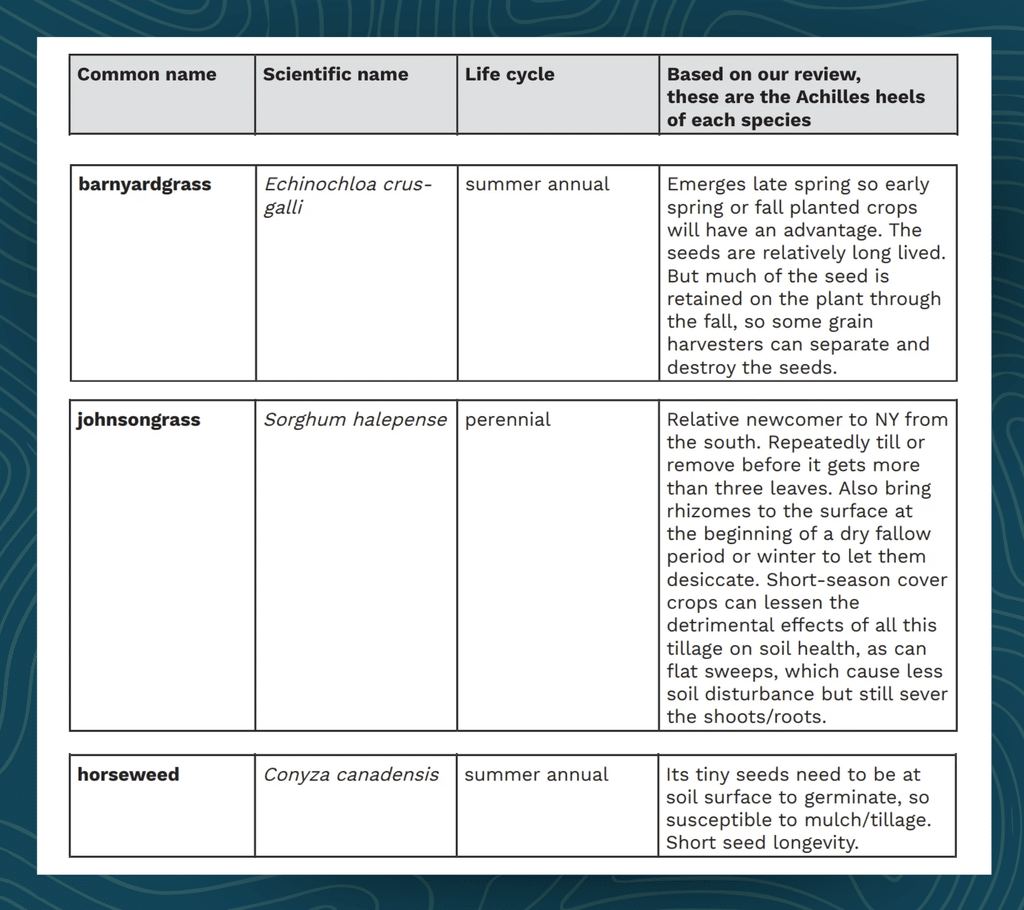
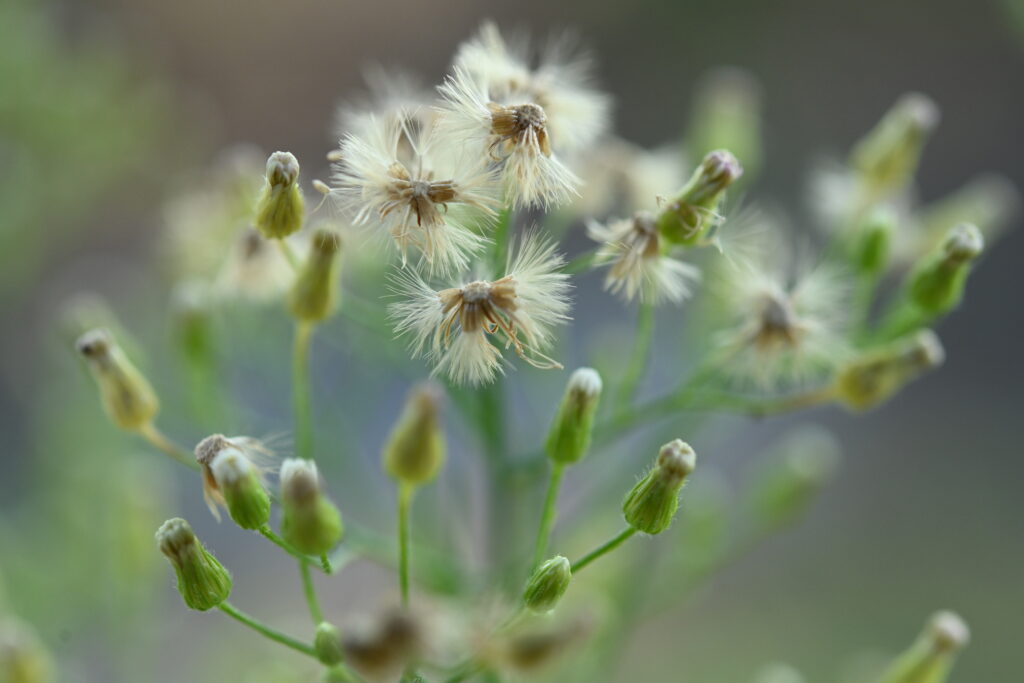
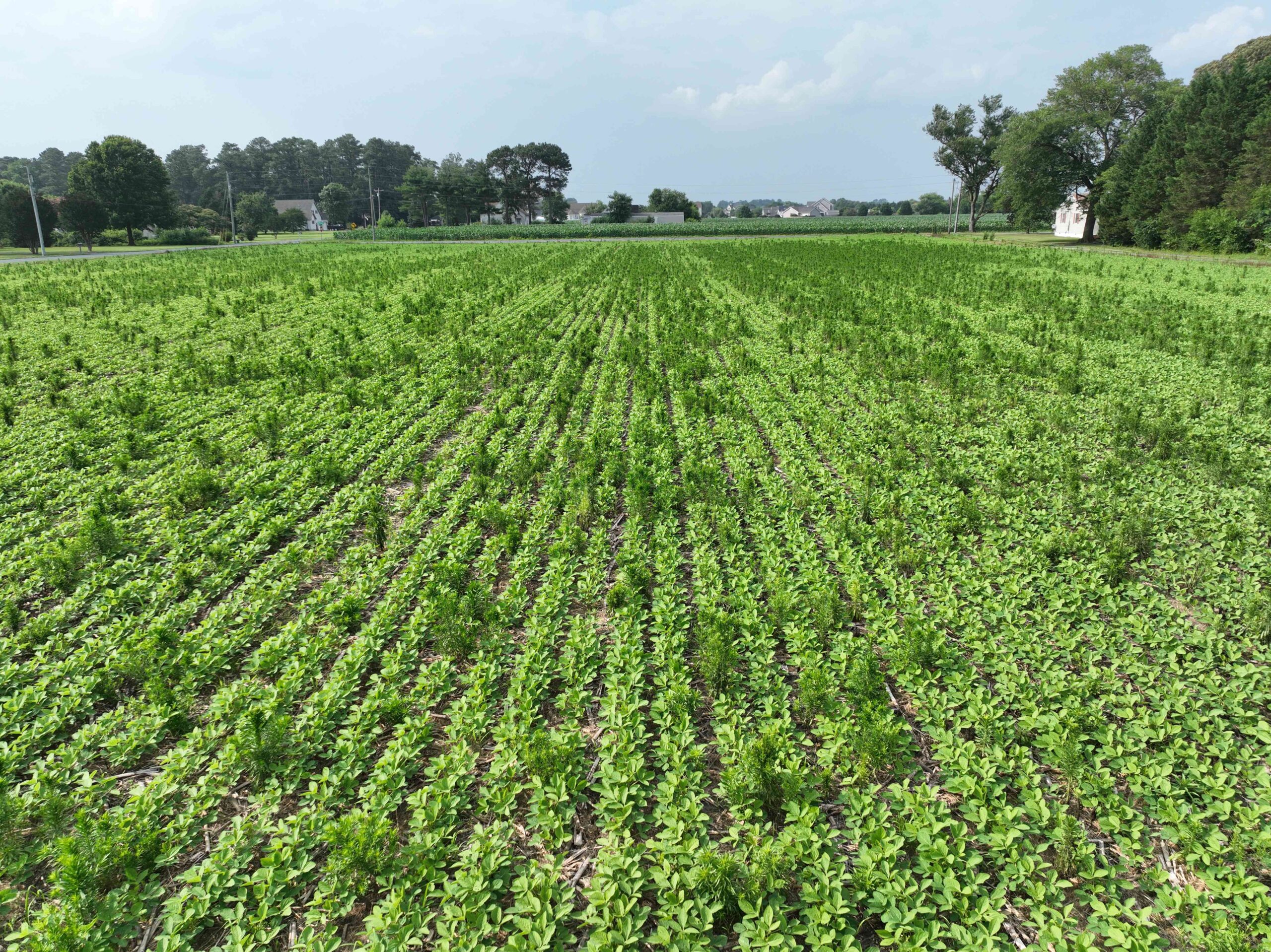
While the guide only details the weeds found on those 51 New York farms, Brown says that at least half the charted weed species are common nuisances nationwide. Troublesome weeds such as horseweed (marestail), barnyardgrass, waterhemp, and common ragweed all found their way into the chart.
Weed Management Considerations, Courtesy of Cornell’s Guide
Brown’s original chart had nearly 20 columns detailing plant characteristics. The revised chart focuses in on only the most essential weed intel for users.
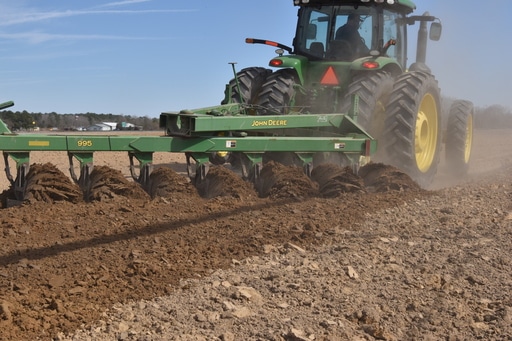
One trait that made the cut was each weed species’ life cycle, Brown says. His weed seedbank research uncovered that the farms that used tillage tended to have more annuals while no-till farms had more perennials. That discovery provided a few critical management considerations for growers, all centered around life cycle.
For example, perennials invest a lot of energy into growing their root systems even while they are small plants, Brown says. Controlling perennials while they are very young is key to halting these plants before they distribute reproductive roots underground. That also means that many perennials are most susceptible to systemic herbicides later in the season, before winter, when they are drawing resources down into their roots for survival. Meanwhile, annuals put a lot of energy into producing seed heads later in the growing season, so farmers have a bit more time to suppress these weeds before they are dropping viable seeds into the field. Early management of annual weeds is still critical because young weeds are more susceptible to control tactics.
Ultimately, if you want to see a long-term reduction in your weed populations, you need to control weeds before they go to seed. Even just a few years of consistent weed control can decrease a farm’s weed seedbank substantially, Brown says. That’s due to each weed species’ half life – the time it takes half the weed seeds in the soil die off, often fewer than two years.
“For example, if you’re able to not let a weed called galinsoga go to seed for a year, you’ll have half as much of it next year,” Brown explains. “I think that can give farmers hope because, otherwise, they’re just thinking that the seeds in the soil accumulate.”
While farmers battle an array of weed species, one or two species usually dominate and shape their management efforts, Brown notes. “If they can learn these weeds’ Achilles’ heels and feel like they have a better handle on that particular species, then that’s fantastic,” he says.
(Read GROW’s story on which weeds Commodity Classic 2026 farmers noted to be their “worst weed” here.)
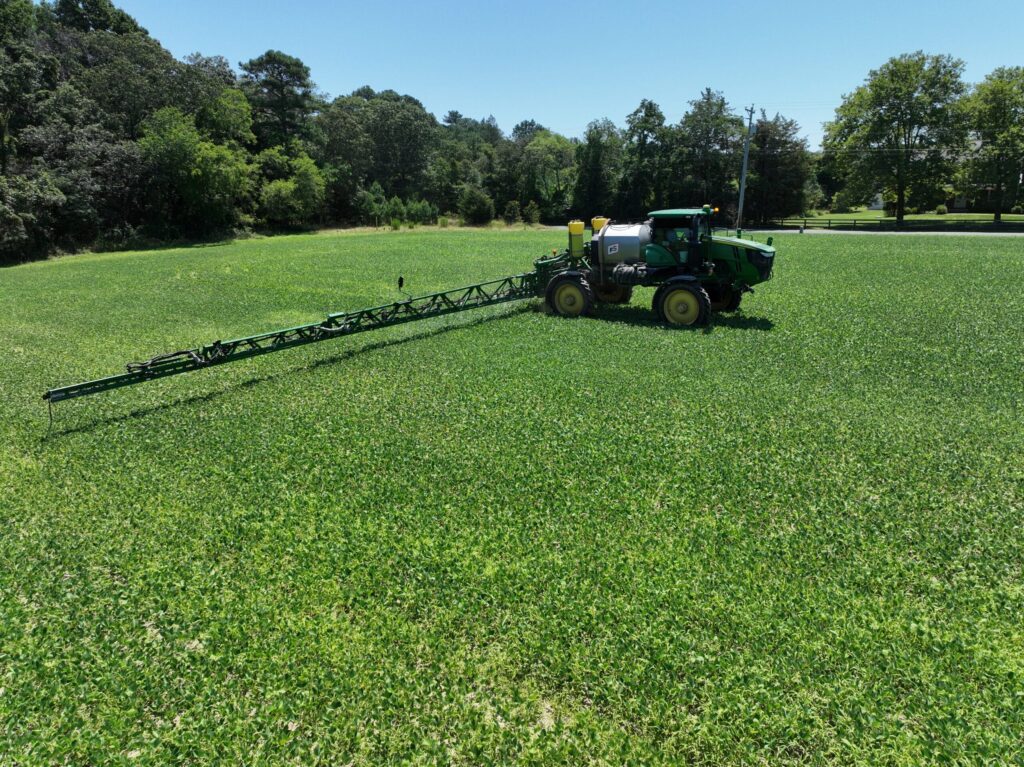
Early feedback about the chart and weed seedbank research is positive, Brown says. At least one of the studied farms has already made plans to incorporate their top weeds’ vulnerabilities into their management routine by shifting their planting time and spraying a residual herbicide for extended control. Brown anticipates that these changes will nearly eliminate the farm’s weed seedbank within four years.
GROW website visitors can now find Cornell’s chart embedded into the Weed Identification page.
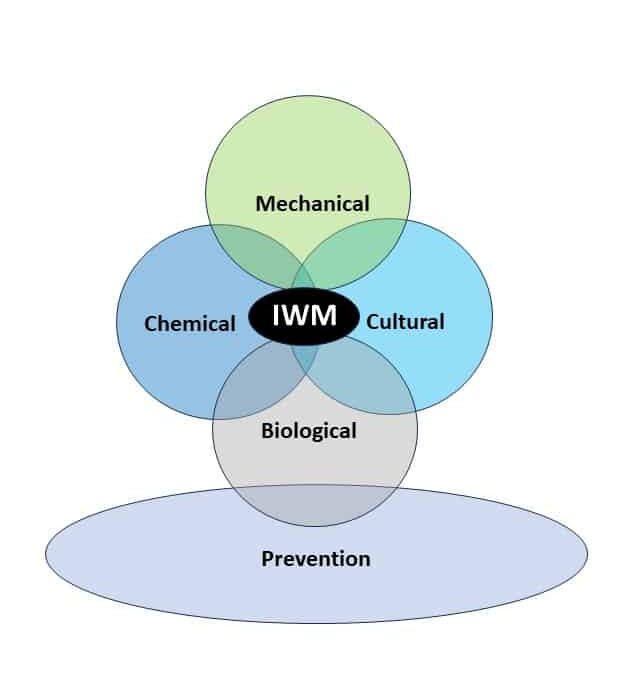
Explore the Cornell team’s SARE findings here, and explore GROW’s website for more information on individual weed species, integrated weed management, and how weed species respond to different management tactics.
Article, header photo, and feature photo graphic by Amy Sullivan, GROW.