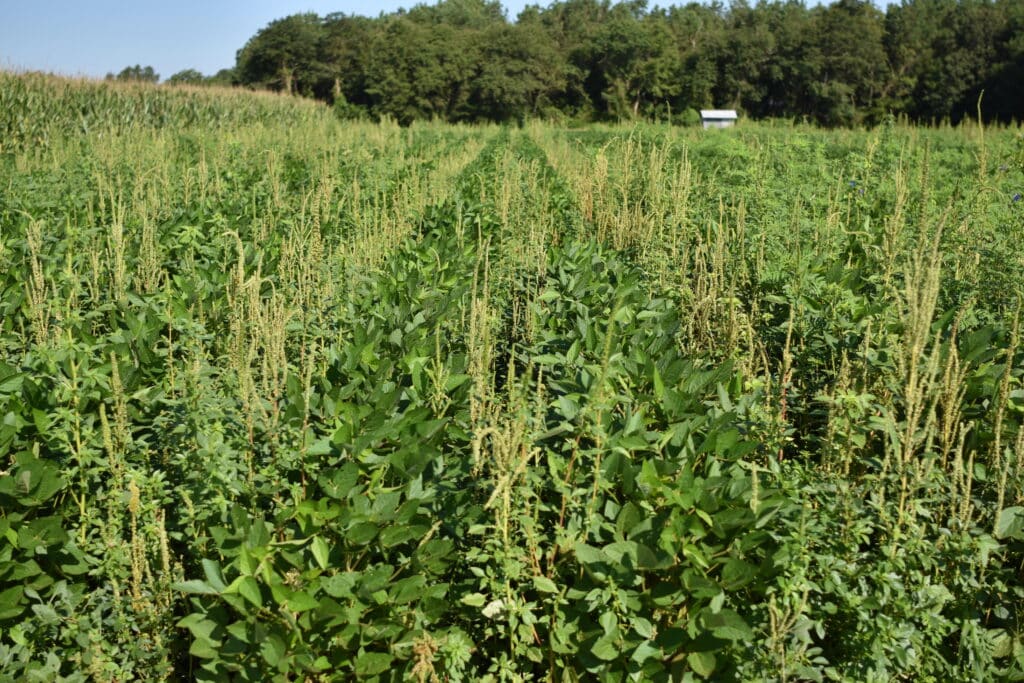
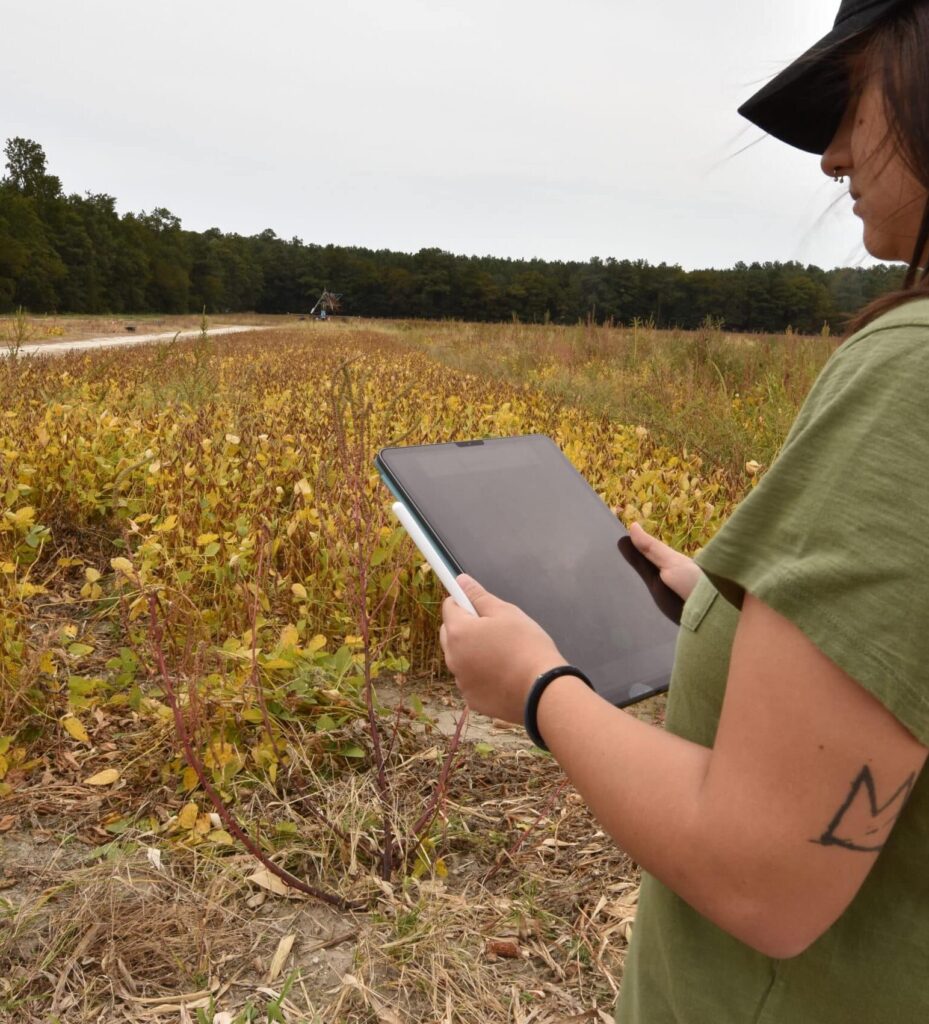
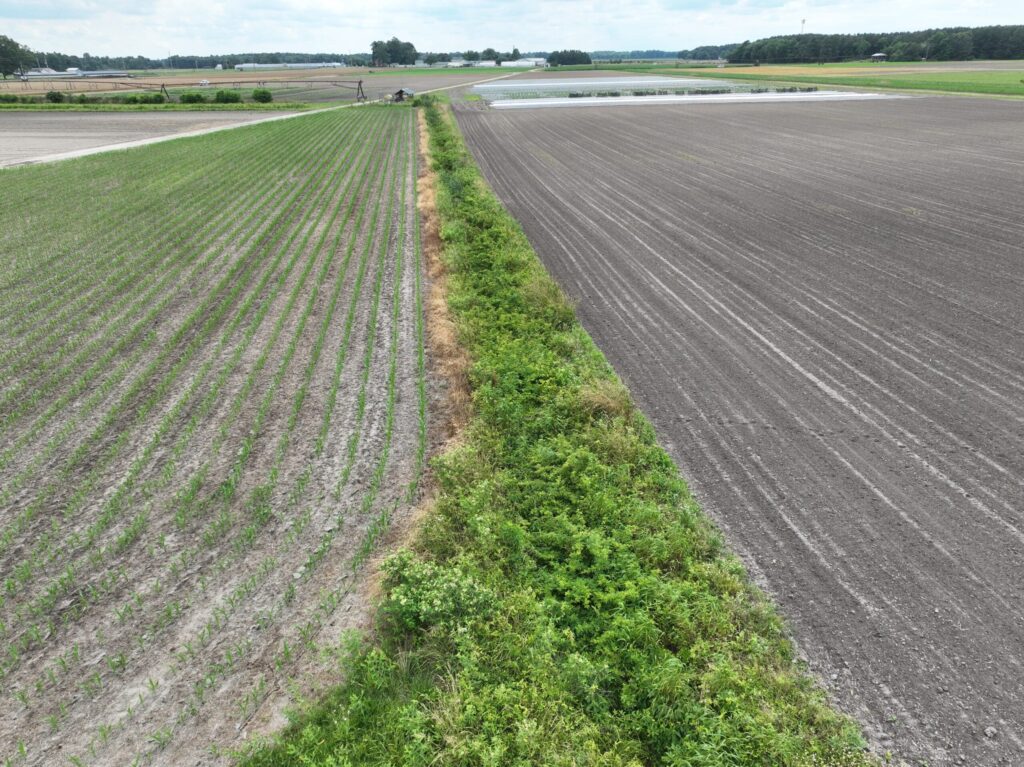
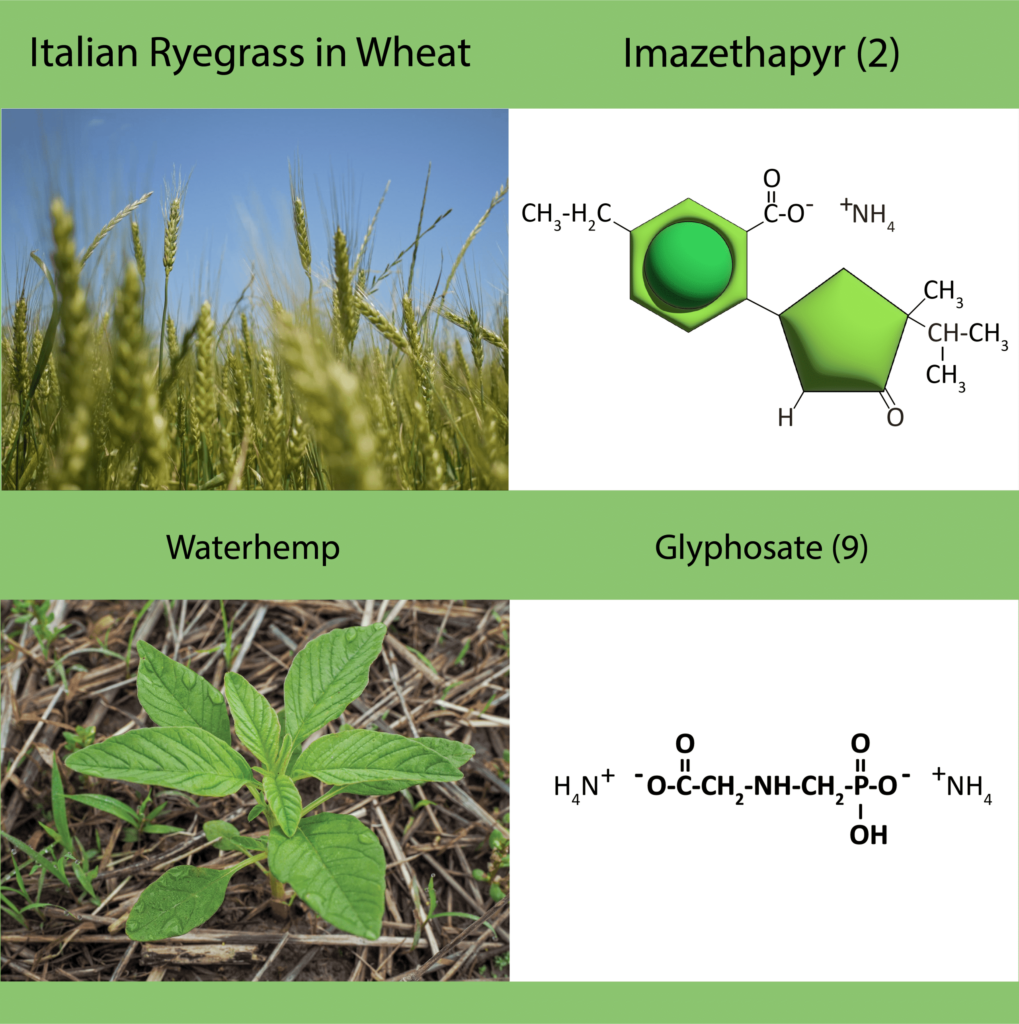
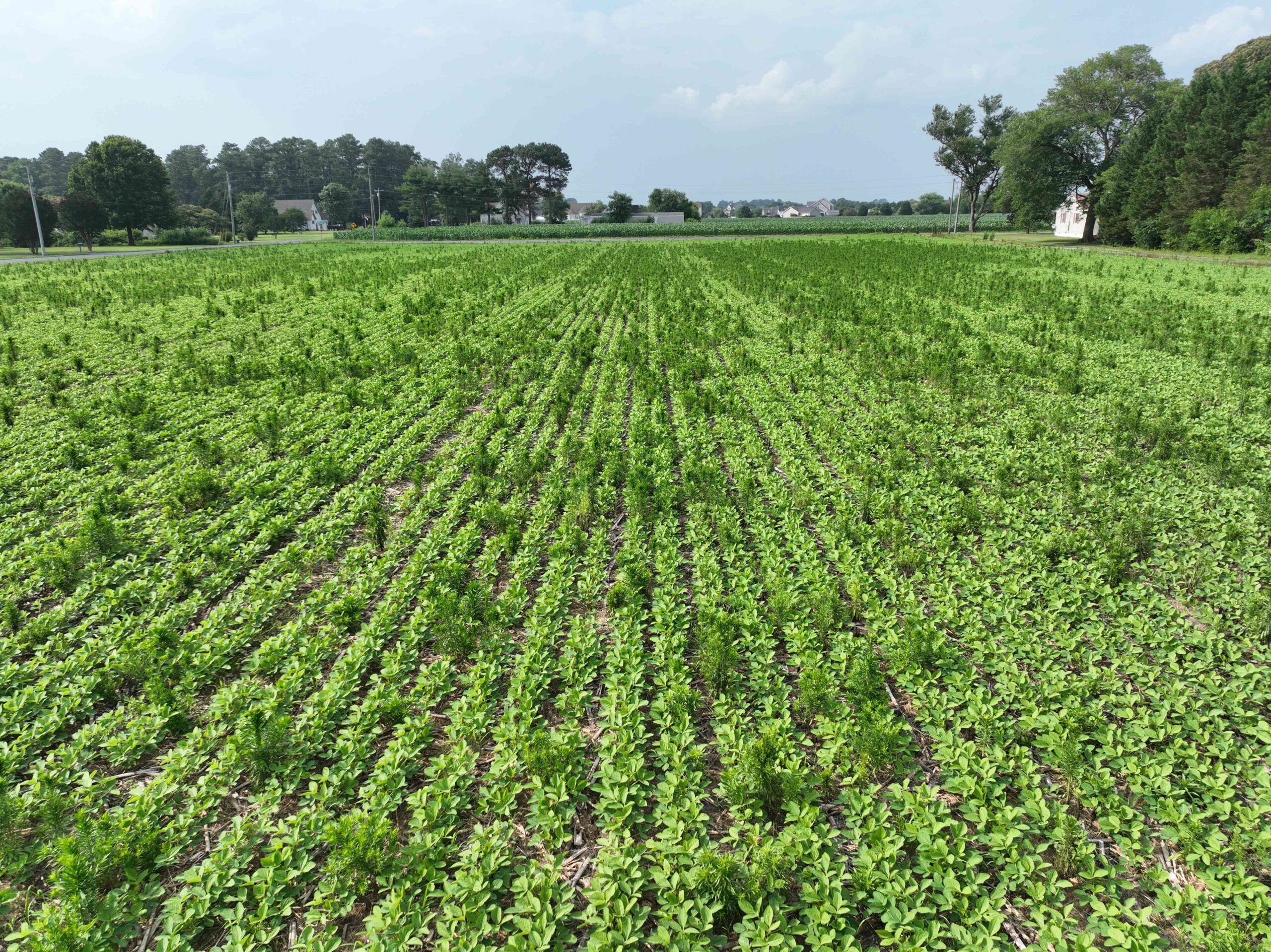
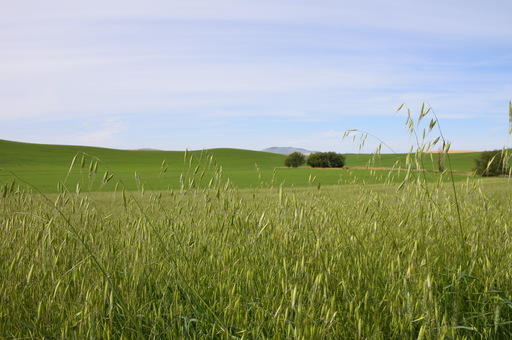
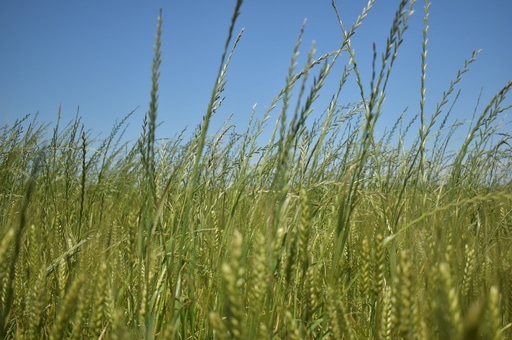
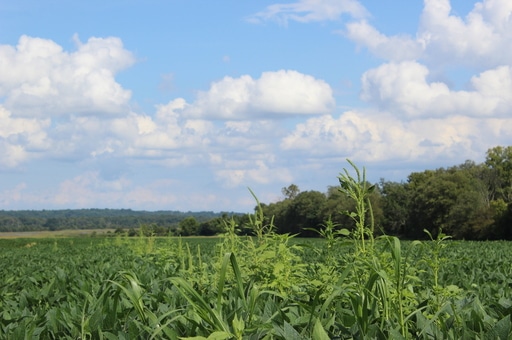
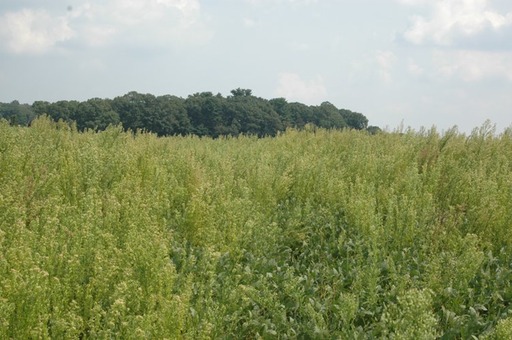
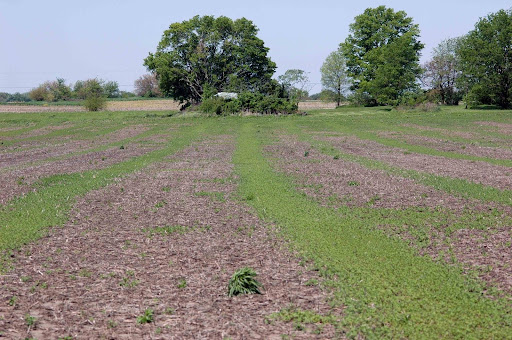
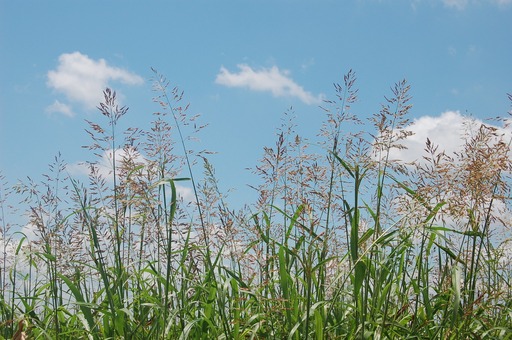
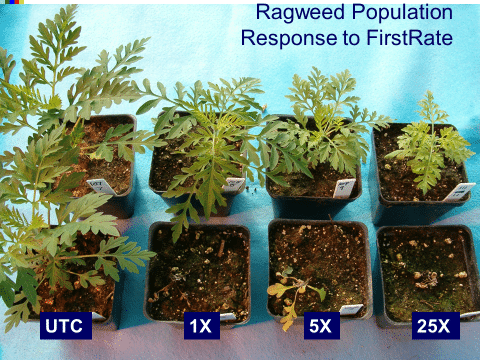
Glyphosate has long been a go-to tool for terminating cover crops and controlling weeds. But in New York, that tool is starting to fail against one familiar species: Italian ryegrass. Researchers at Cornell University have confirmed the first case of glyphosate-resistant Italian ryegrass in the state.
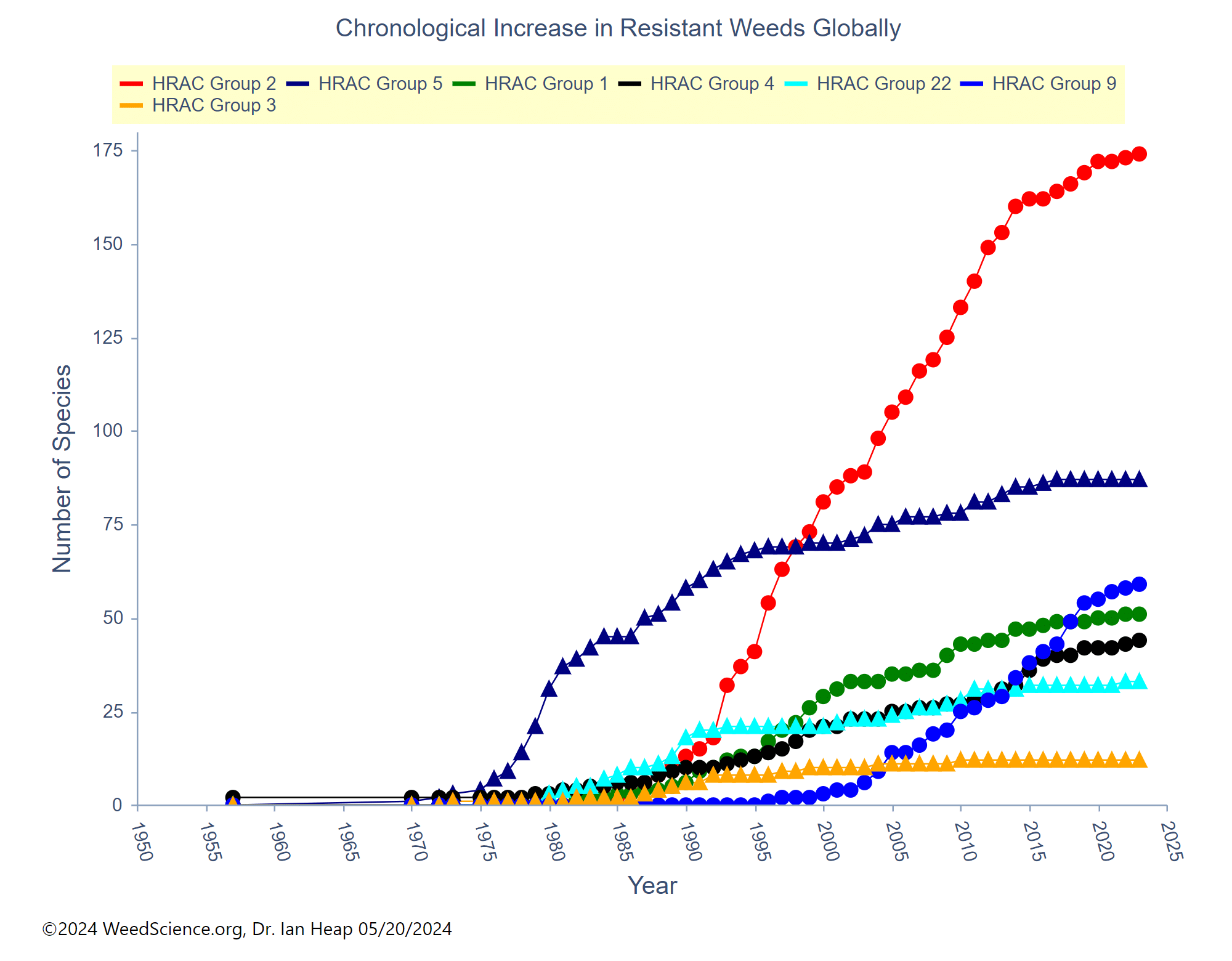
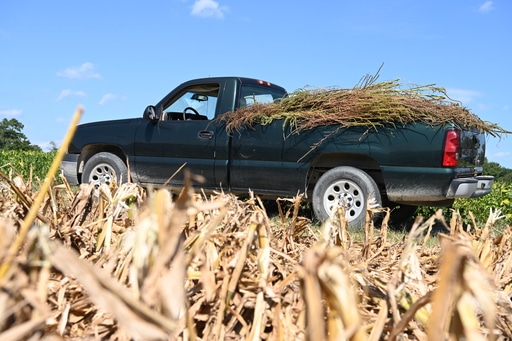
Glyphosate-resistant ryegrass is a common problem in many Southern and Southeastern states, but it’s a new threat for New York farmers. Between 2023 and 2025, growers in western New York observed control failures of Italian ryegrass cover crop after glyphosate applications. Further research confirmed that ryegrass populations had used a clever resistance strategy called gene amplification to escape glyphosate’s effects. Researchers suspect the source may be contaminated cover crop seed.
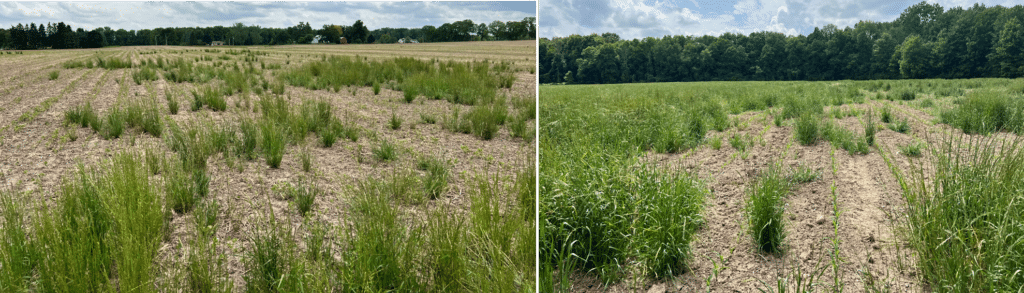
The findings raise concerns for growers who rely on this species as a cover crop. Stewarding alternative herbicides and using integrated weed management strategies will be critical moving forward, researchers warn.
Why Ryegrass?
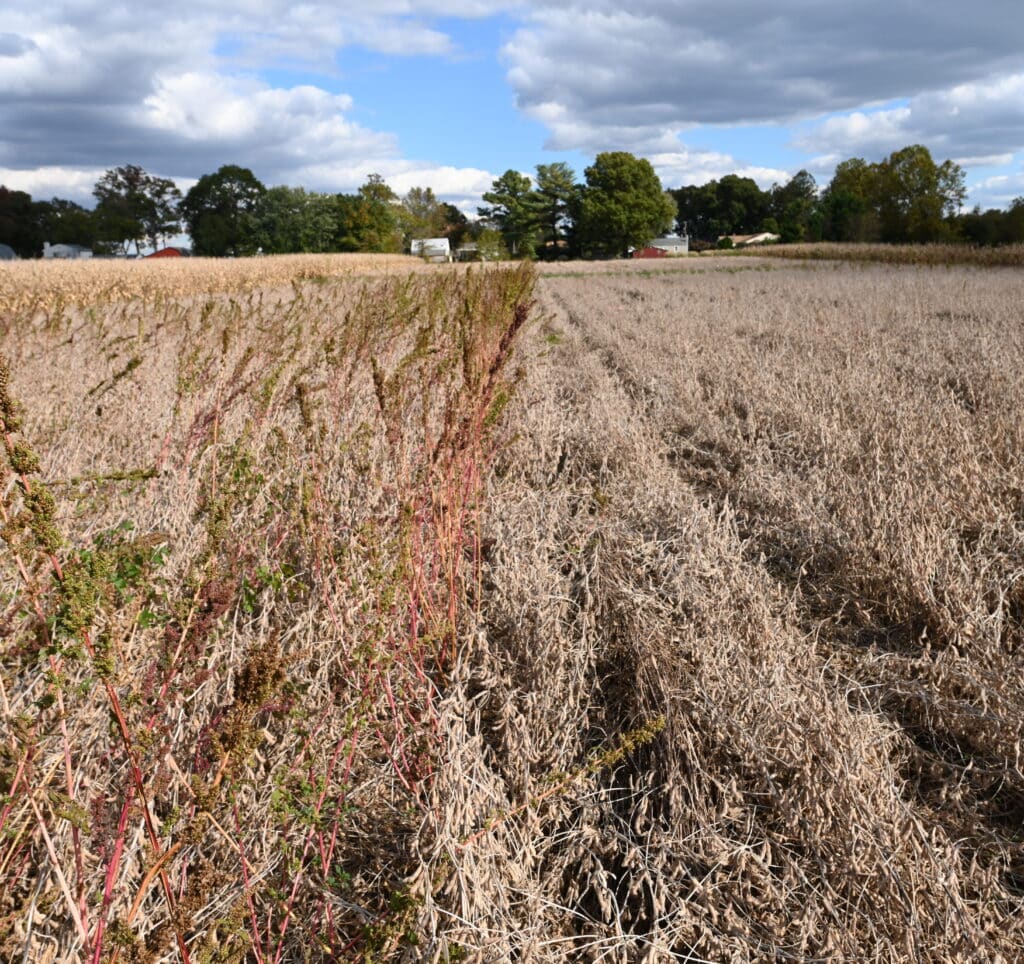
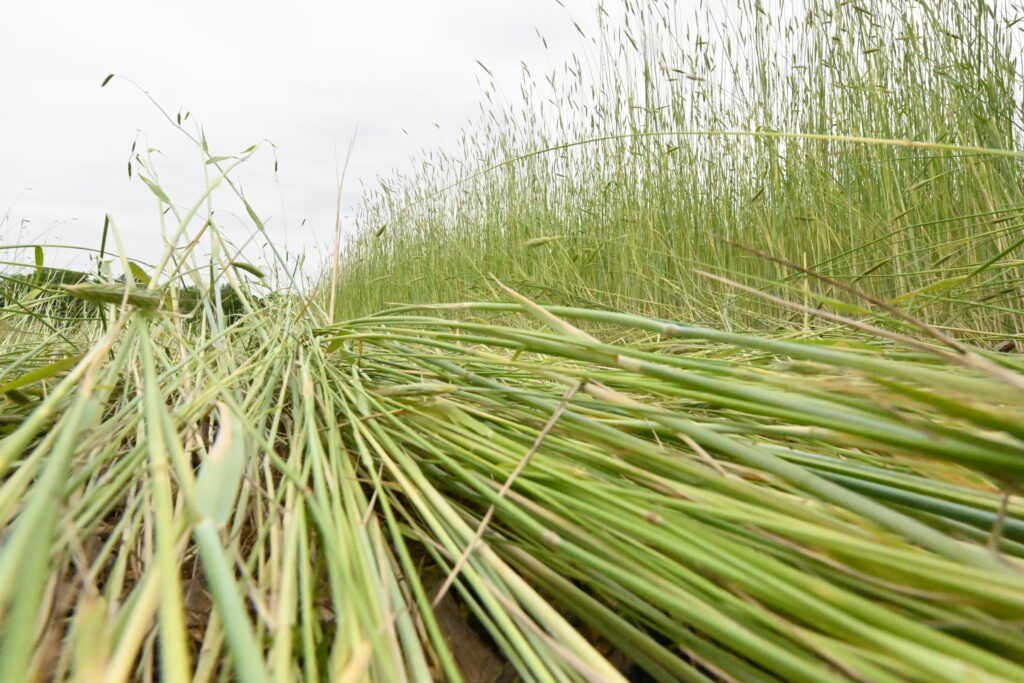
Italian ryegrass is a popular cover and forage crop across the United States because it’s easy to establish, grows quickly, and is relatively inexpensive. But those same traits can also make it a problematic weed in the field. It produces a lot of seed, spreads easily, and adapts well to different conditions, allowing it to turn into a tough weed if not managed properly. If left uncontrolled, it can seriously hurt cash crop yields-cutting wheat yields by up to 90%, cotton by 85%, corn by 65%, and soybeans by around 35%.
Cornell Researchers Find Resistance
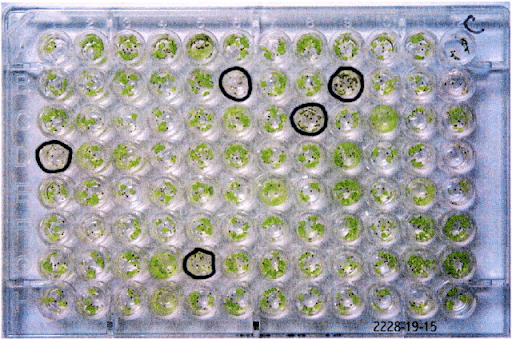
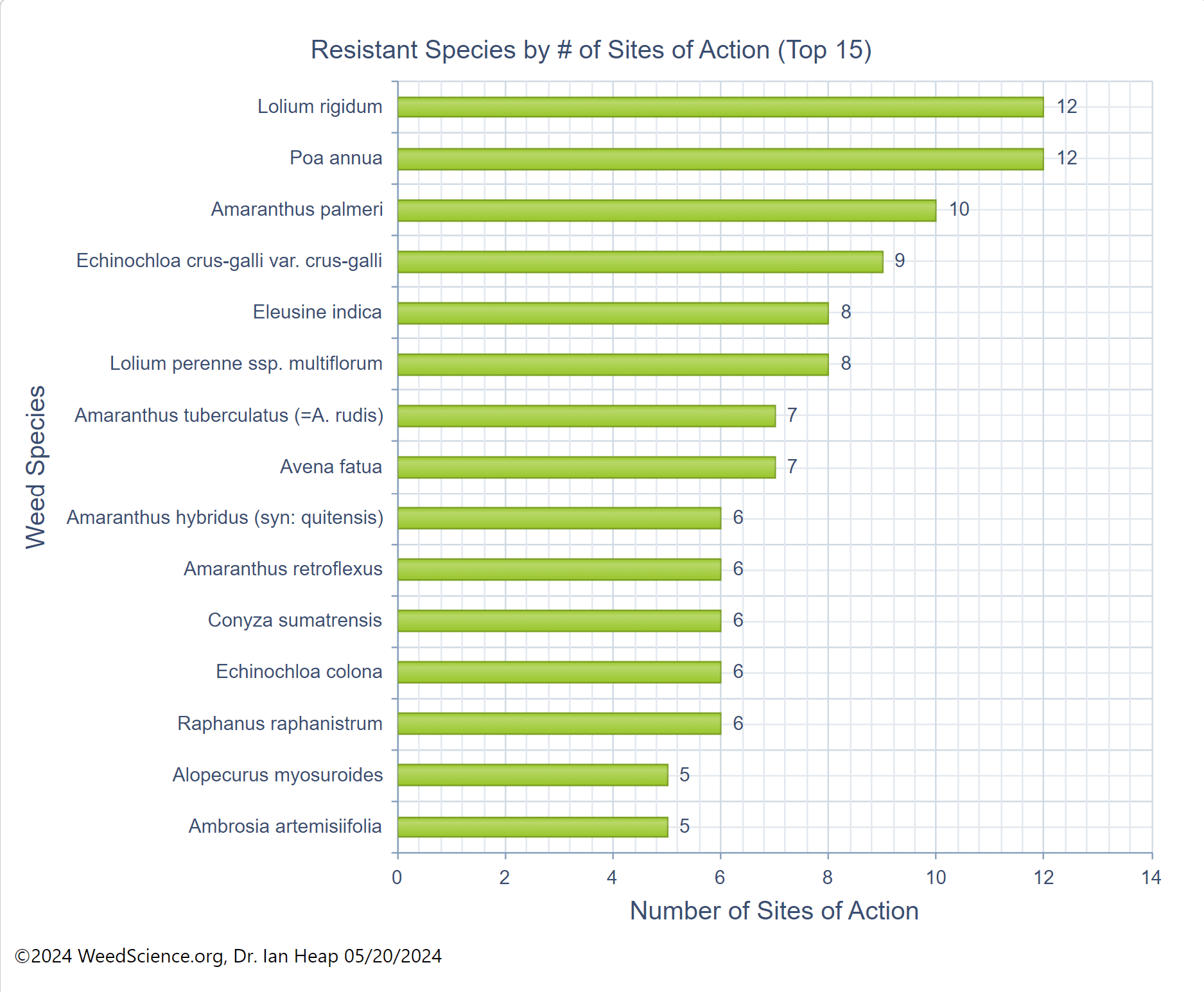
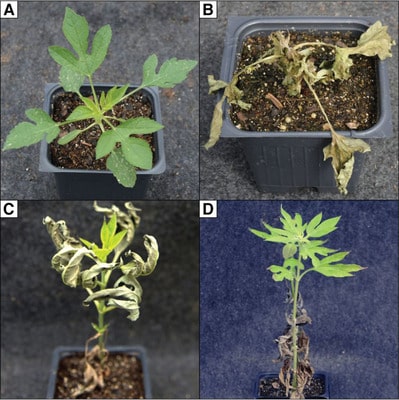
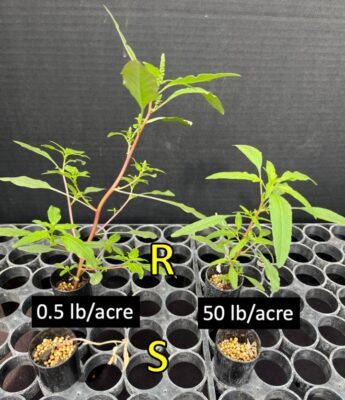
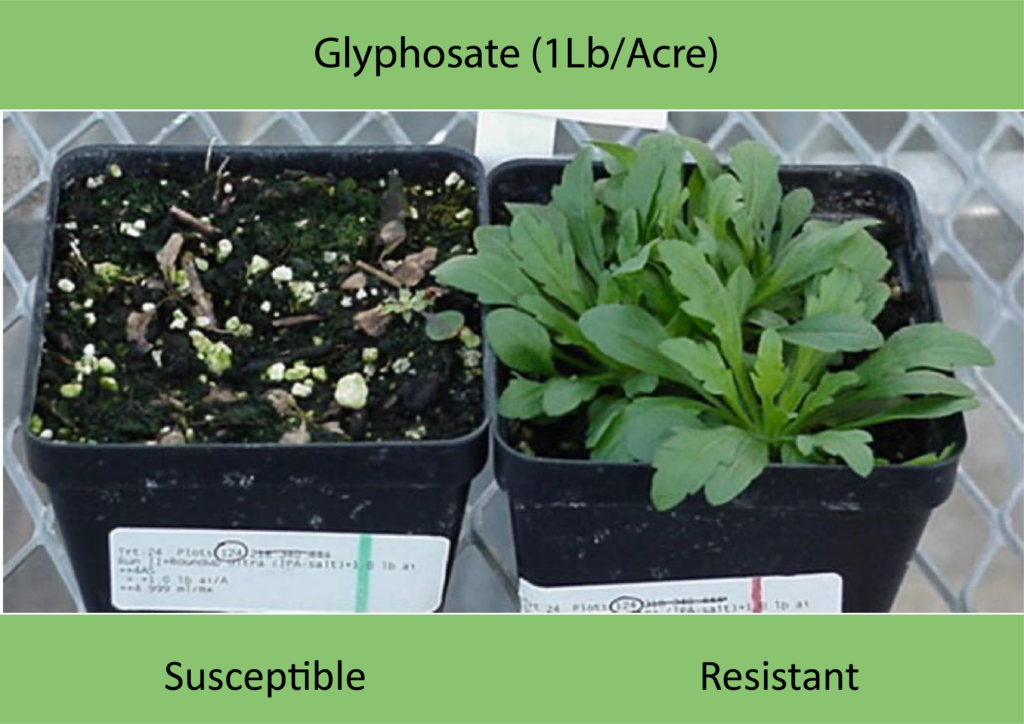
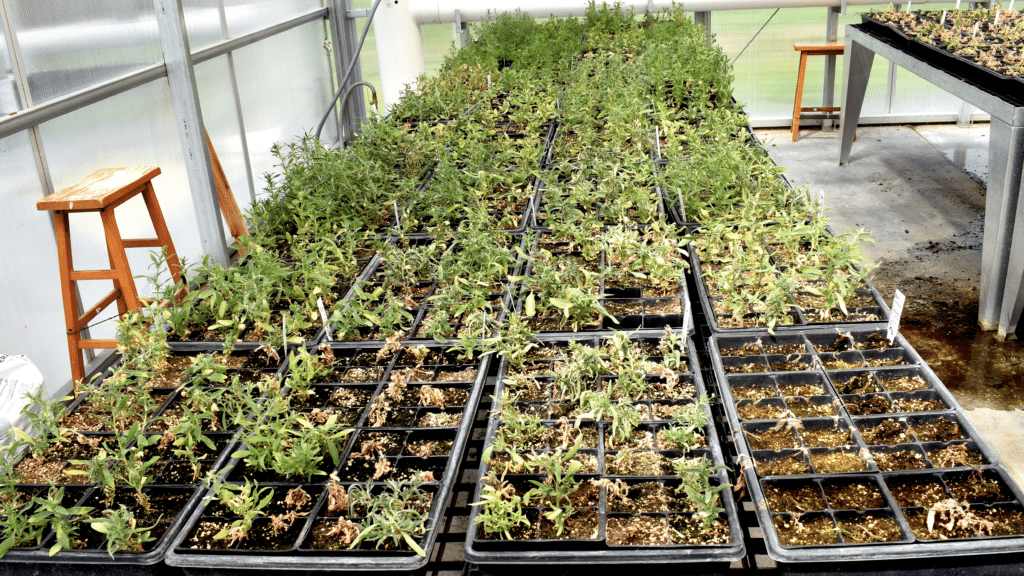
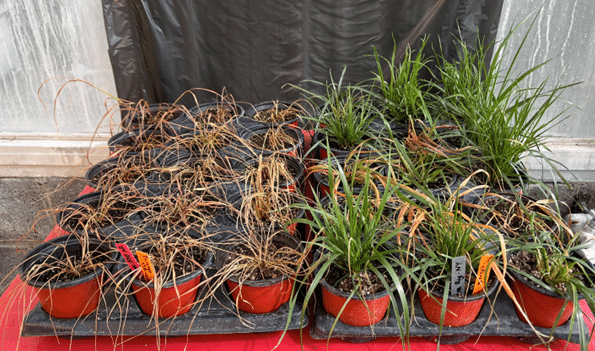
A recent study at Cornell University confirmed that Italian ryegrass populations from western New York are resistant to glyphosate and, in some cases, may also show resistance to additional herbicides (ALS inhibitors). All populations survived labeled field rates of glyphosate, clearly demonstrating reduced herbicide effectiveness under standard use conditions. One population exhibited approximately 13-fold resistance to glyphosate, while others showed 4- to 5-fold resistance in dose response study. These findings represent the first documented case of glyphosate-resistant Italian ryegrass in New York, signaling an emerging challenge for growers in the region.
What Makes This Resistance So Strong?
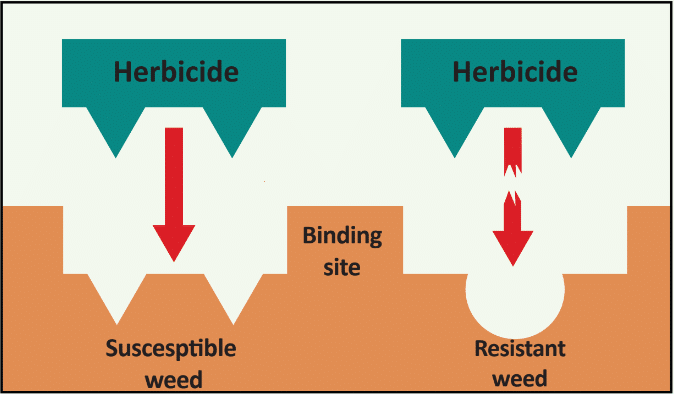
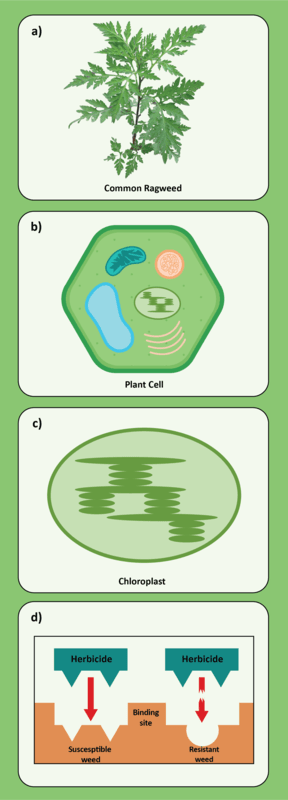
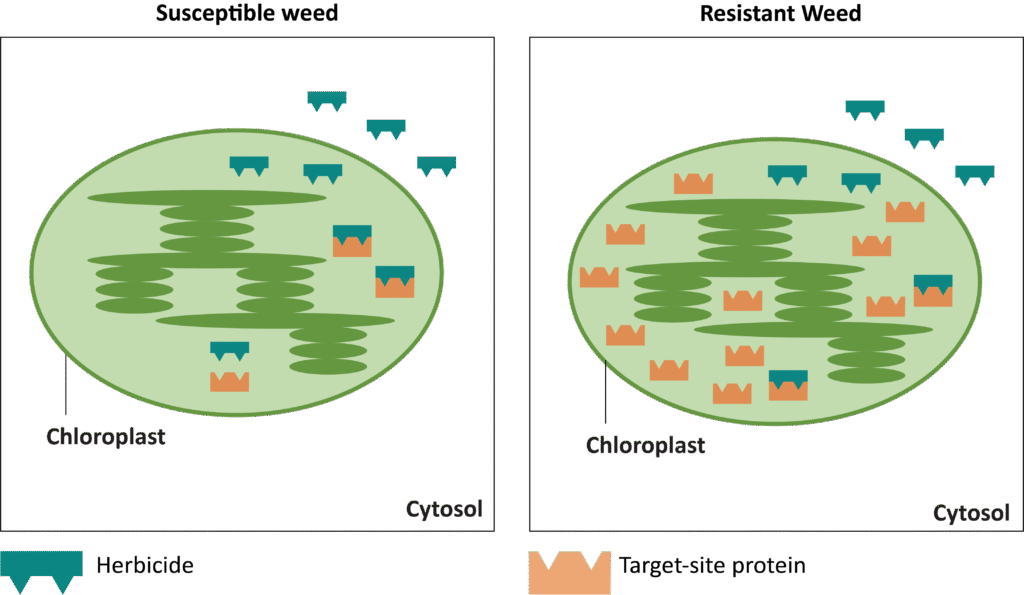
Ryegrass’s adaptability potential is its secret weapon here. Our researchers found that resistant plants had about 30 times more copies of the EPSPS gene (the enzyme that glyphosate targets – also known as its target site) compared to susceptible plants. By ramping up the amount of genes, the plant also produces more of that target enzyme, eventually outpacing glyphosate’s effect on the plant. This mechanism, called gene amplification, is one of the most concerning forms of glyphosate resistance because it can provide strong and stable resistance in different weed species.
Could Cover Crop Seed Be the Source?
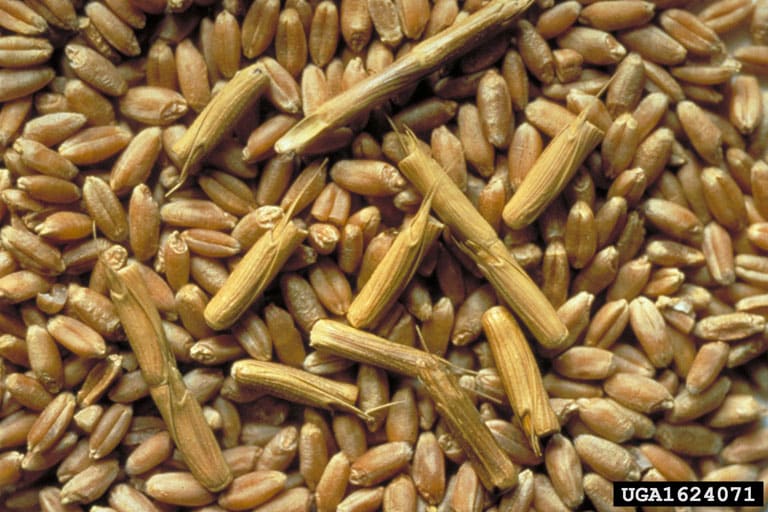
One of the possible explanations for how glyphosate resistance appeared so quickly in New York fields is cover crop seed. Many growers use Italian ryegrass seed labeled as “VNS” (variety not specified), which often contains a mixture of varieties and may include herbicide-resistant biotypes. Observations from the Cornell research support that possibility: seedlings grown from a commercial seed source were able to survive glyphosate applications under greenhouse conditions. This suggests that resistant populations may not have developed solely in the field but could have been introduced through contaminated or mixed seed lots, highlighting the importance of using certified, tested cover crop seed.
What Still Works?
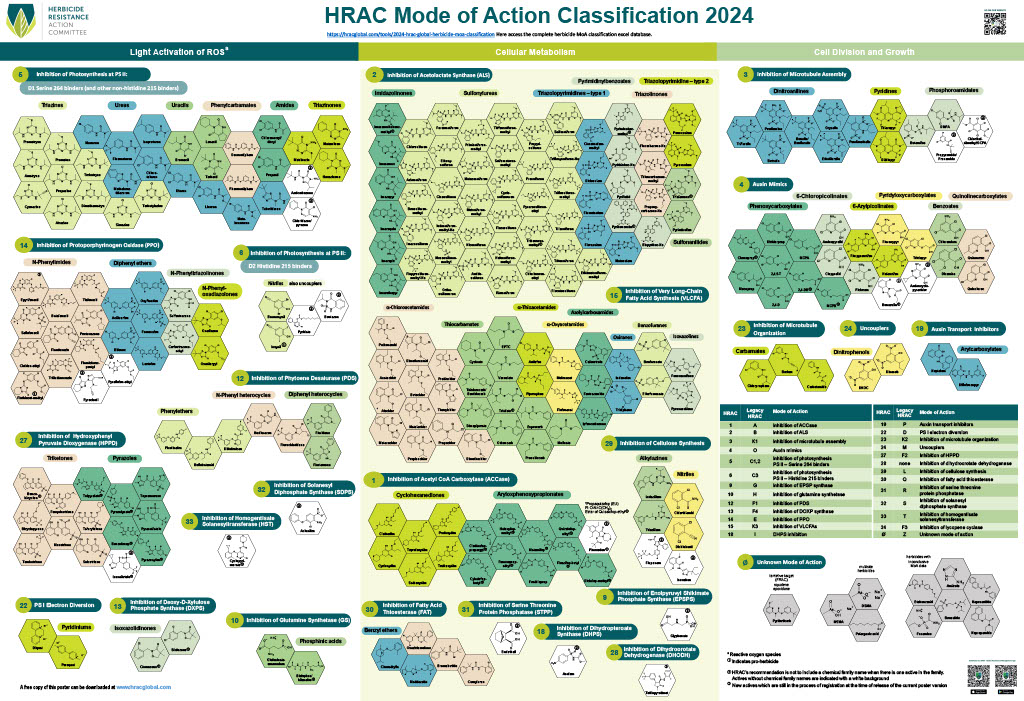
The good news is that several alternative herbicides still provide effective control of glyphosate-resistant Italian ryegrass. Products like clethodim, glufosinate, paraquat, pinoxaden, and quizalofop have shown very good control (95% or better) when applied at the right timing and rate. These options can still be relied upon to manage glyphosate-resistant ryegrass populations in the field. However, not all herbicides performed well. Nicosulfuron provided only moderate control, which suggests that some ryegrass populations may also be resistant to ALS-inhibiting herbicides. This raises concerns about multiple resistance and highlights the need for adoption of diversified management strategies.
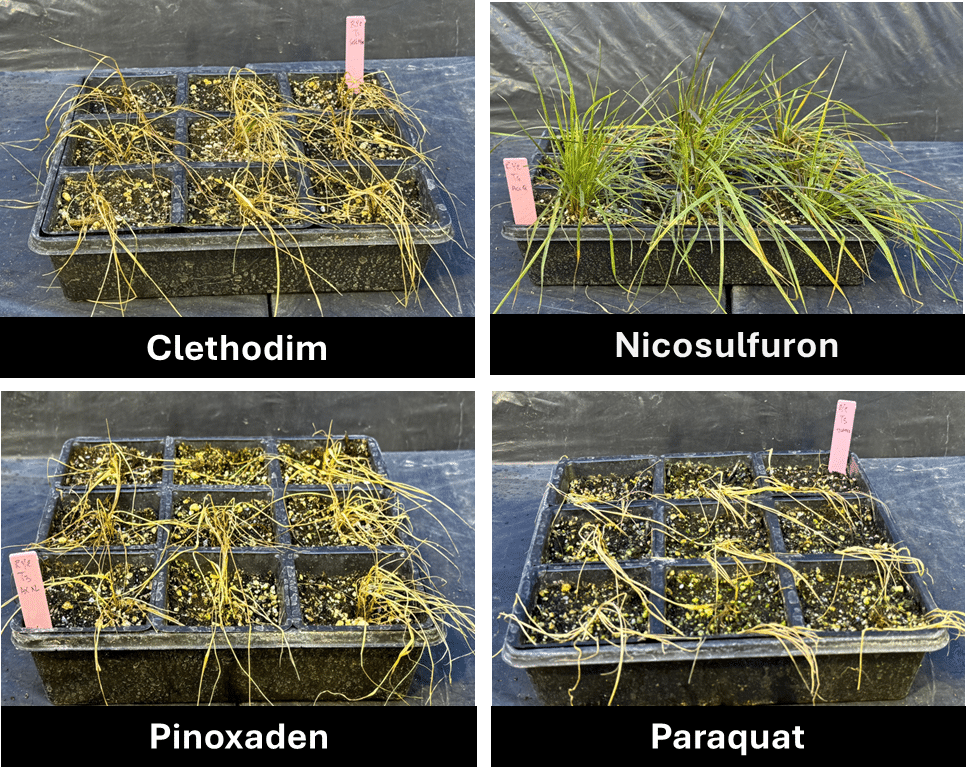
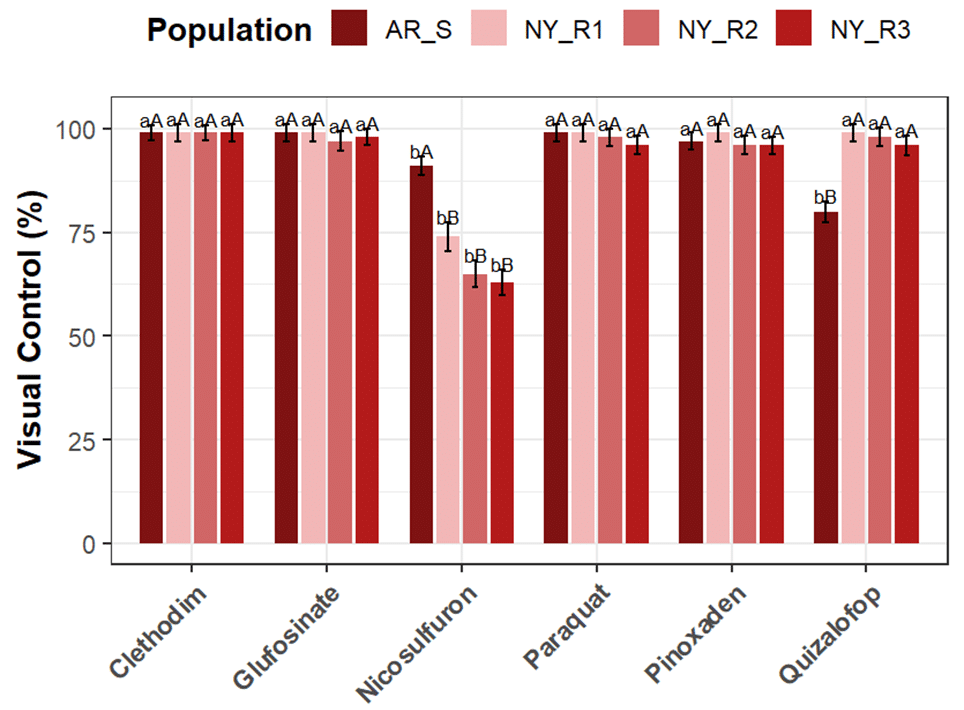
Control of three glyphosate-resistant Italian ryegrass populations from New York and a susceptible population from Arkansas with various alternative postemergence herbicides at 21 days after treatment in greenhouse study conducted at Cornell University. (Graph credit: Tugoo et al. 2025)
Farmer Takeaways
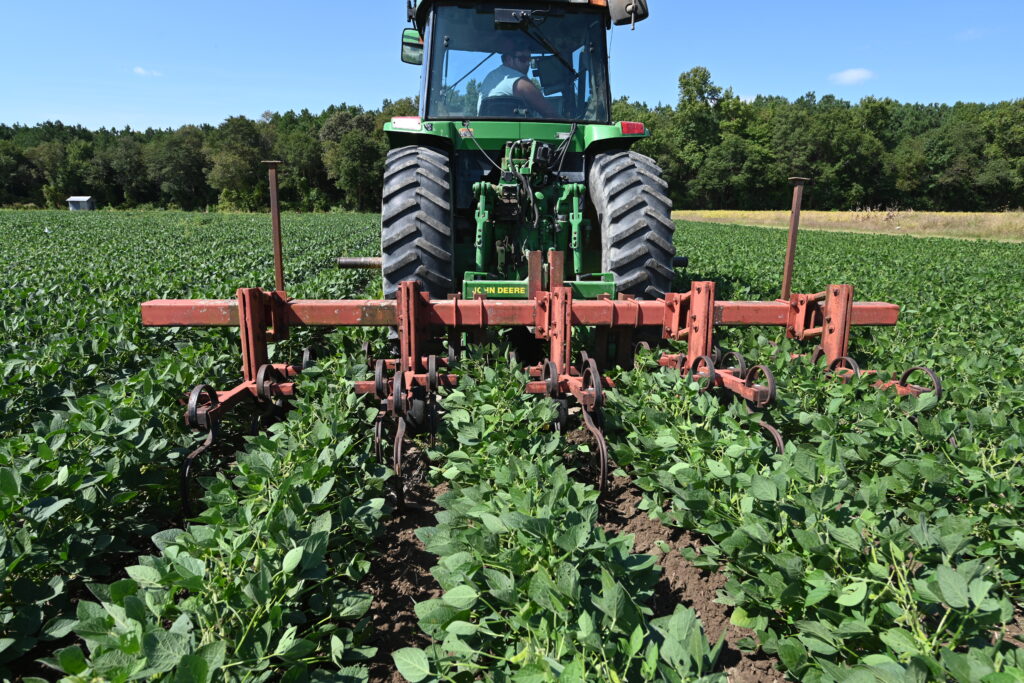
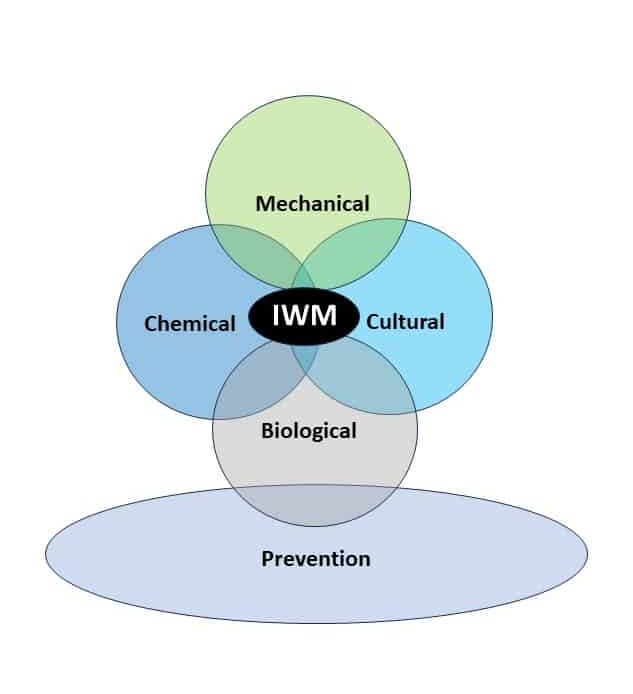
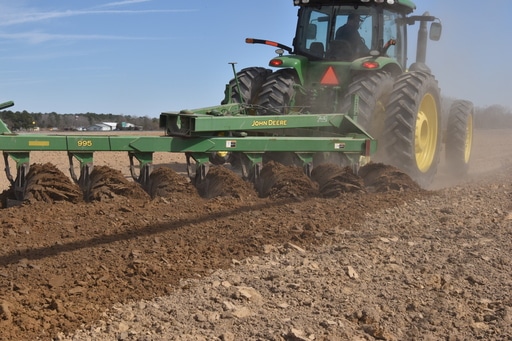
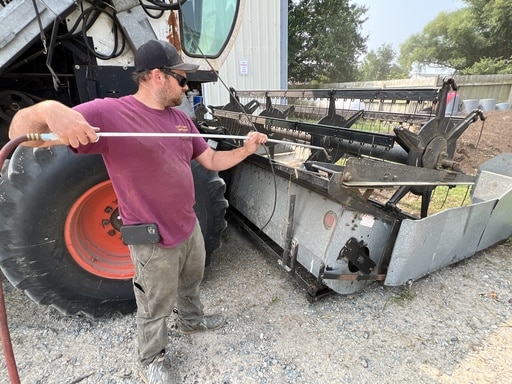
Growers should not rely on a single herbicide program such as glyphosate. Rather, they should rotate herbicides with different modes of action and combine them with other practices (crop rotation, cover crops, or tillage when appropriate) to stay ahead of resistance and maintain good control of these glyphosate-resistant Italian ryegrass. Careful attention should also be given to seed sources, particularly for cover crops, by avoiding unknown or mixed (“variety not stated”) seed and using certified, tested seed whenever possible. Finally, preventing seed production is critical, as the problem can escalate rapidly once resistant plants set seed; therefore, escapes should be controlled early, and Italian ryegrass should not be allowed to go to seed.
For more information, please read “Glyphosate resistance in Italian ryegrass (Lolium perenne ssp. multiflorum) from New York State associated with EPSPS gene amplification”
Article by Midhat Zulafkar Tugoo, Cornell University; Header and feature photo by Claudio Rubione, GROW; Article Photos by Dr.Vipan Kumar, Dr. Mike Stanyard, and Midhat Zulafkar Tugoo.