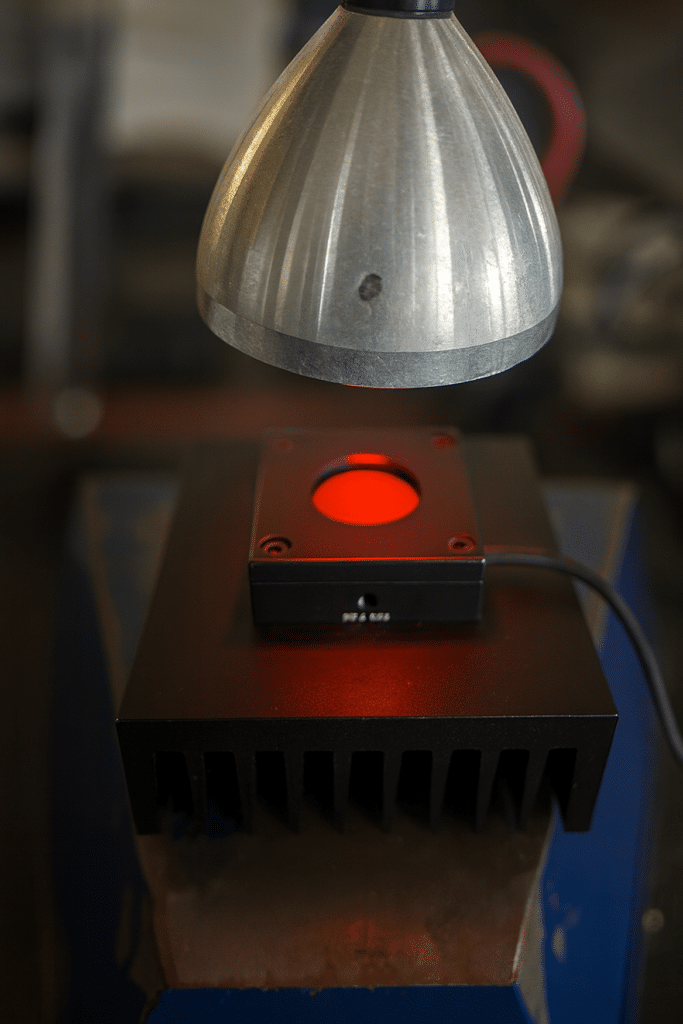
The weed management industry is heating up! Flames, lasers, and electrocution are just a few heat-based methods that farmers have explored for weed control. Now add mid-infrared radiation (MIR) as another emerging thermal weed control tactic that could eventually give farmers more firepower over the weeds in their fields.
Mid-infrared radiation relies on infrared light wavelengths to heat and kill both weeds and their seeds, according to Texas A&M graduate student Ryan Hamberg and his advisor, Dr. Muthukumar Bagavathiannan. The pair examined this developing technology from Global Neighbor, Inc, a non-chemical weed control company.
The process is instantaneous, highly effective on small broadleaves, and in some cases, may be more energy-efficient than flame weeding, Hamberg says. But large weeds, grasses, and some weed seeds are less likely to wither under the heat, the researchers found.
Bagavathiannan and his then-graduate student Dr. Sarah Chu previously investigated pairing blue light and mid-infrared radiation for control of weed seeds, with harvest weed seed control in mind. (See more on Global Neighbor’s partnership with HWSC-tech company, Redekop here).
Hamberg’s latest research was inspired by how little data was available on using mid-infrared radiation alone for weed seedling control, which has become a new focus for Global Neighbor’s emerging technology. “There was very little information about mid-infrared in general, not to mention no information about how much energy it actually takes to kill weeds,” Hamberg explains.
Heating Up the Results
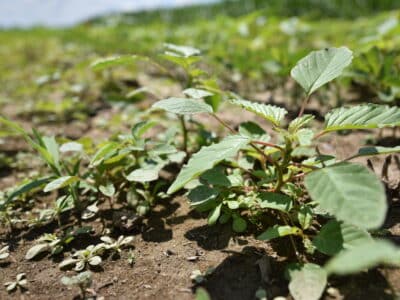
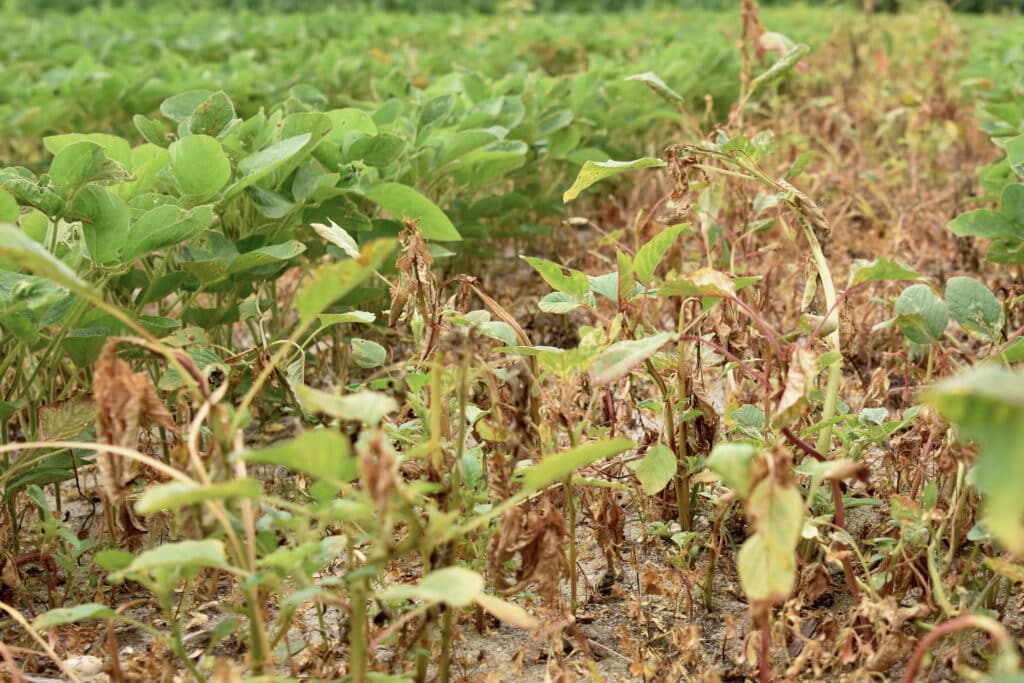
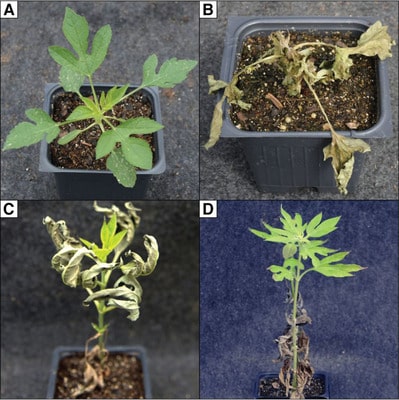
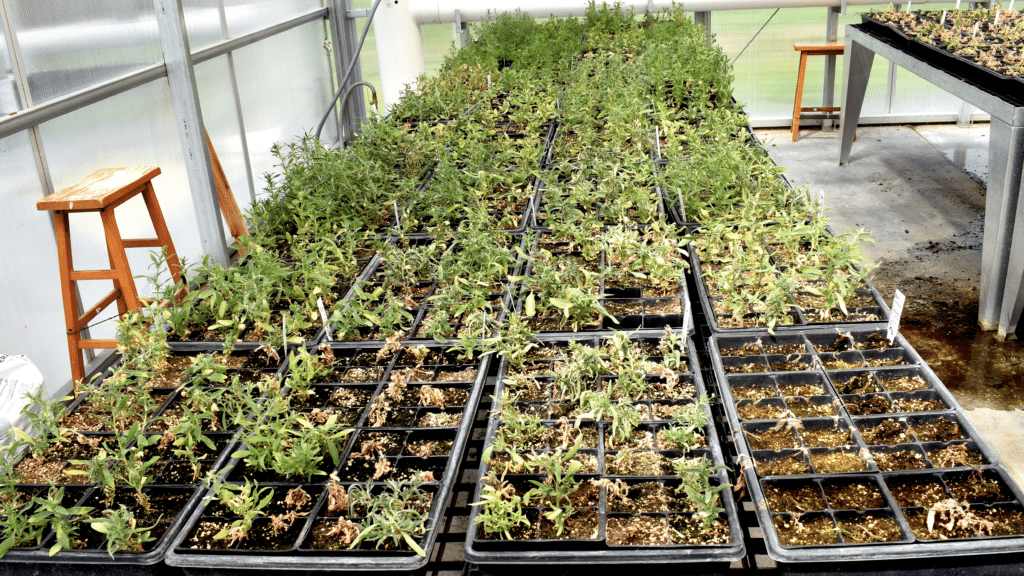
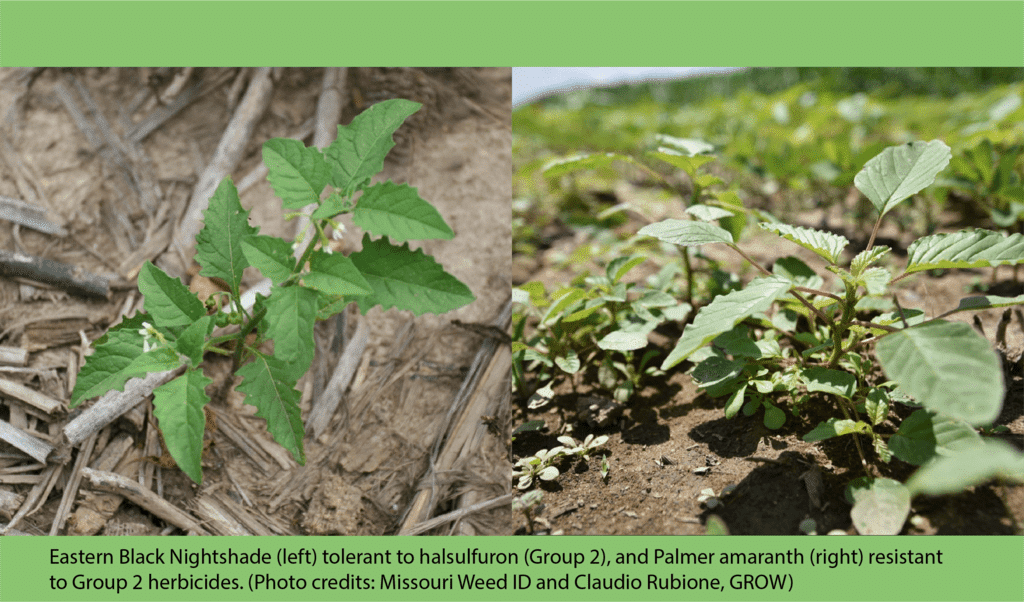
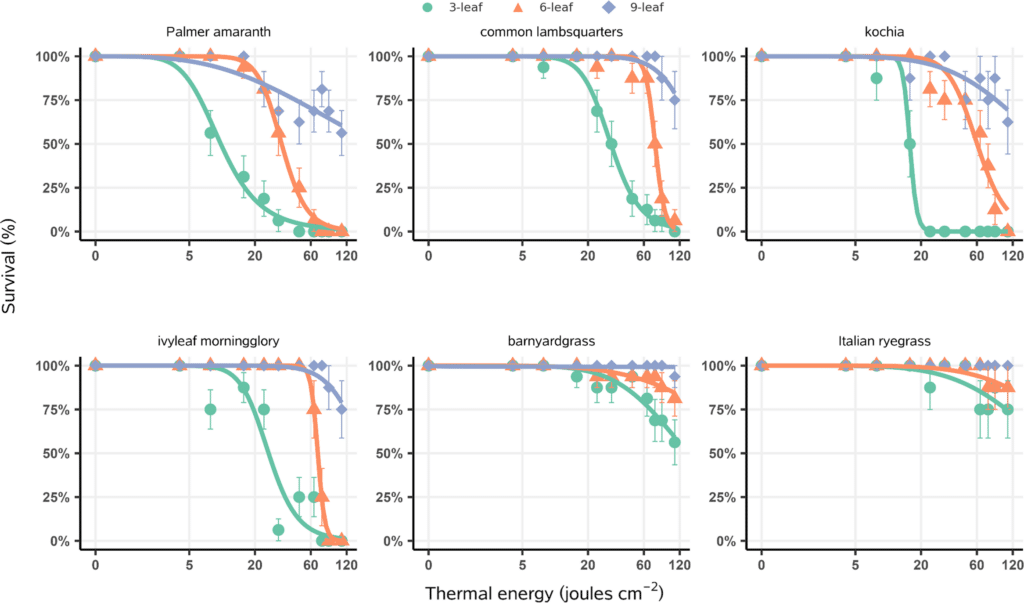
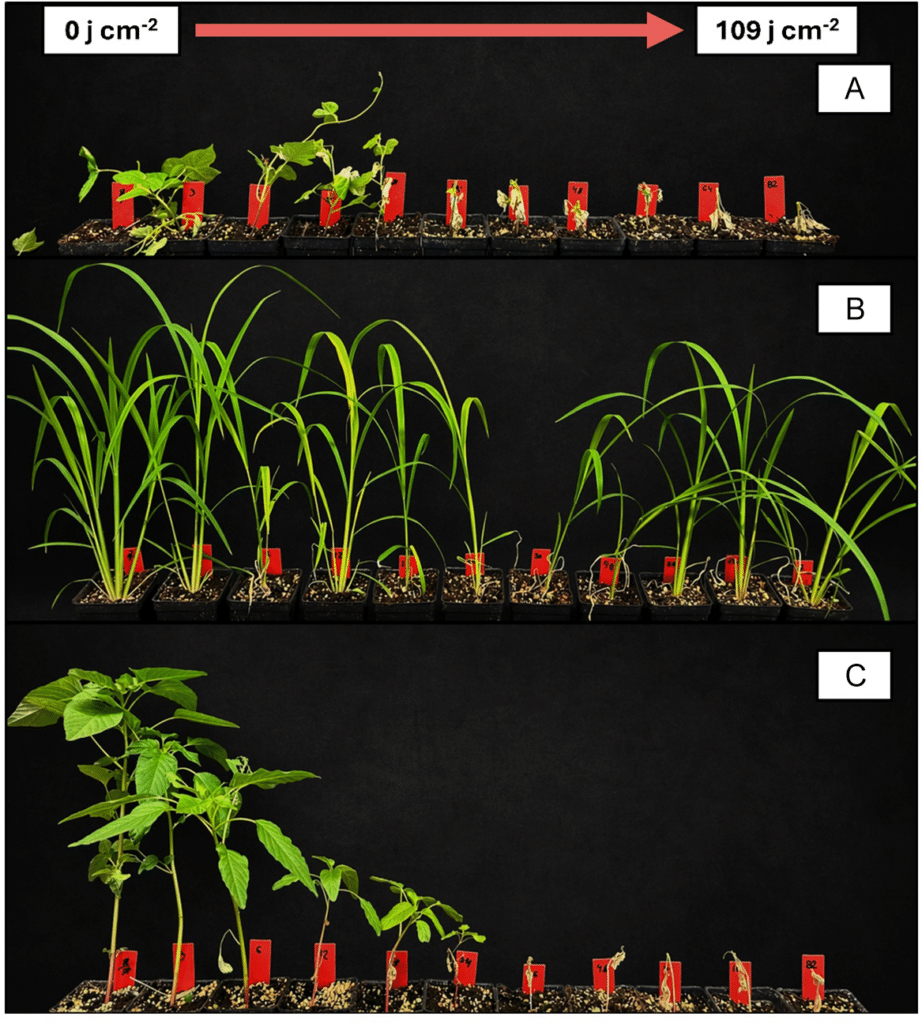
By using a mid-infrared heat lamp in a Texas A&M greenhouse, Hamberg found that baby broadleaves were no match for this type of radiation. Broadleaves such as Palmer amaranth had a 90% biomass reduction when treated at one- to two-inches tall. But Palmer amaranth control sharply declined once the fast-growing weed reached four inches tall.
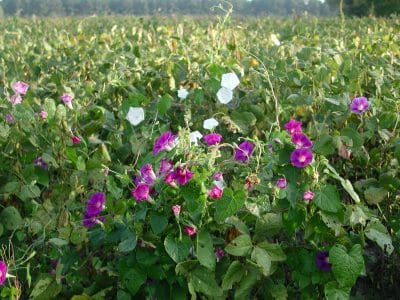
Mid-infrared also drastically reduced kochia and ivyleaf morningglory biomass when targeted at half- to one-inch tall plants when compared to weeds that reached three- to six-inches tall.
Grasses were surprisingly tolerant to MIR regardless of their growth stage and the energy levels that Hamberg applied in this study. Barnyardgrass and Italian ryegrass stood strong against mid-infrared energy at all observed leaf stages; these two weeds survived even the highest energy level that Hamberg tested on the weeds.
Hamberg also examined how weed seeds in different states (dry, saturated with water for germination, and actively germinating) reacted to mid-infrared radiation. Few differences were found between dry and saturated seeds, with two exceptions: Mid-infrared radiation drastically reduced moistened Palmer amaranth seeds compared to dry Palmer seeds; meanwhile, dry barnyardgrass seeds were more sensitive when compared to their saturated counterparts.
“[Mid-infrared radiation] is like using an oven instead of a fire.”
ryan hamberg, Tamu
Researchers don’t yet understand why some weeds and weed seeds are more susceptible to mid-infrared radiation, but Hamberg suspects that factors such as plant tissue moisture content and plant and seed morphology could play a role.
Grasses, for instance, might be less susceptible to mid-infrared due to their thin leaves, especially when compared to many broadleaves, which possess more surface area for the radiation to bake. Some radiation-tolerant weeds, such as common lambsquarters, have a waxy coating over their leaves that could prevent heat damage. And dry weeds and weed seeds are likely less susceptible to MIR because they contain little-to-no moisture to heat and kill, Hamberg theorizes.
And while efficacy may vary for some weed species, mid-infrared doesn’t carry the same fire risk as other thermal weed-control methods, such as flame weeding or weed electrocution. “This technology isn’t going to ignite residue as easily; it’s like using an oven instead of a fire,” Hamberg explains.
Mid-Infrared Energy Requirements
Mid-infrared radiation can tackle some weeds, but how much energy does that take? A core part of Hamberg and Bagavathiannan’s study examined how many joules (a universal energy measurement unit) it would take for the MIR to bake weeds. Their findings can guide Global Neighbor Inc. and other companies in developing commercial mid-infrared weed control units.
Hamberg found that Palmer amaranth required 526 and 2,306 megajoules per acre of MIR thermal energy to reduce biomass by 90% at one- and three-inches tall, respectively.
Half-inch tall kochia required just 323 megajoules per acre for control.
Using more energy can lower the possibility of weed regrowth, Hamberg says.
“[Mid-infrared energy] is a spectrum,” Hamberg notes. “You use less energy with smaller weeds.” Conversely, larger weeds require more mid-infrared energy, which makes the technology less efficient.
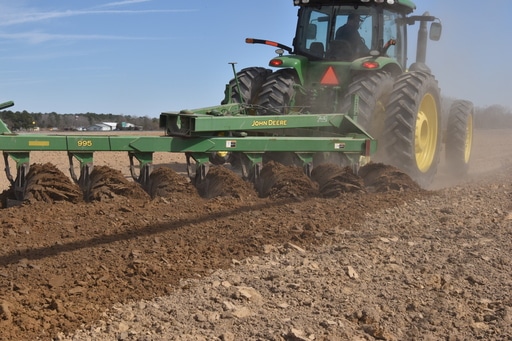
Previous research has found that other weed control methods, such as using a moldboard plow, require anywhere from 64 to 96 megajoules per acre. Flame weeding 4-leaf barnyardgrass requires 3,712 megajoules per acre of energy.
Hamberg’s findings demonstrate that mid-infrared falls in the middle of the energy-requirement spectrum – it isn’t the most energy-efficient weed control method, but nor is it the most energy-intensive option.
“There’s always a trade-off,” Hamberg notes. Tillage might be more energy efficient, but at the cost of soil erosion. And while flame-weeding might require more energy, it can also kill tough weeds like barnyardgrass, even at fairly large sizes. Mid-infrared light sits in the middle of the energy-requirement spectrum, and kills small broadleaves with ease. Hamberg also notes that precision-applied mid-infrared technology could reduce energy requirements and improve the tech’s efficiency.
Those selective applications may someday make mid-infrared radiation cheaper than spraying herbicides, remarks Global Neighbor’s CEO, Jon Jackson.
“Ryan’s [research] is a perfect starting point that tells us exactly where we need to be and what the [energy requirements] are for mid-infrared radiation,” Jackson explains.
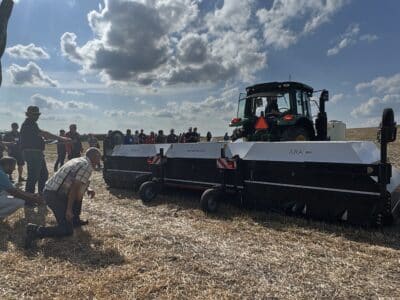
Global Neighbor Inc. is using Hamberg’s data to develop interrow weeders using a heat lamp-like system to bake the weeds. In the meantime, Bagavathiannan’s lab is now moving its mid-infrared radiation research out of the lab to test its weed-killing abilities under field conditions. Soundharya Sivakumar, a master’s student also in Bagavathiannan’s research group, is leading these field studies. Hamberg suspects that the mid-infrared system will become available to specialty crop farmers first, most likely in the form of an autonomous, weed-roasting robot.
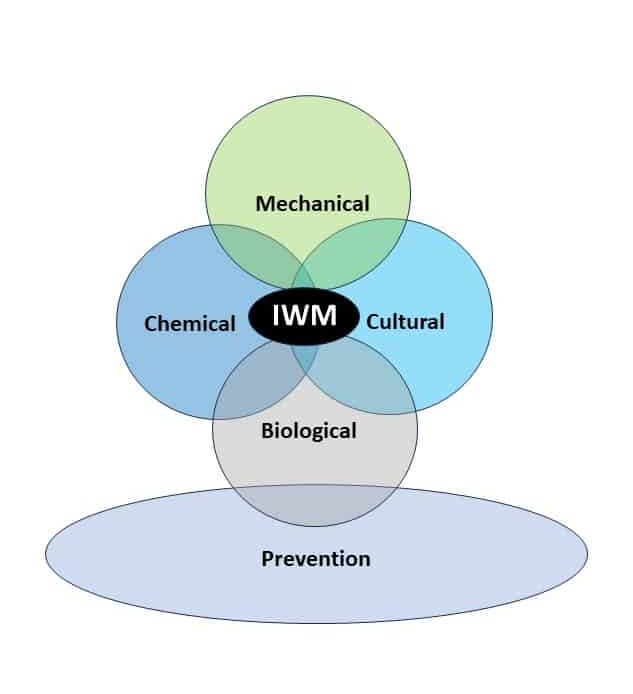
And even though mid-infrared radiation for weed control is a few years from the commercial market, Hamberg emphasizes that this form of weed control will still require integration with other weed management tactics to combat weed resistance evolution.
Explore GROW’s website for more information on weed electrocution and integrated weed management.
Article by Amy Sullivan, GROW; Feature photo by Claudio Rubione, GROW; Header photo by Ryan Hamberg, Texas A&M.