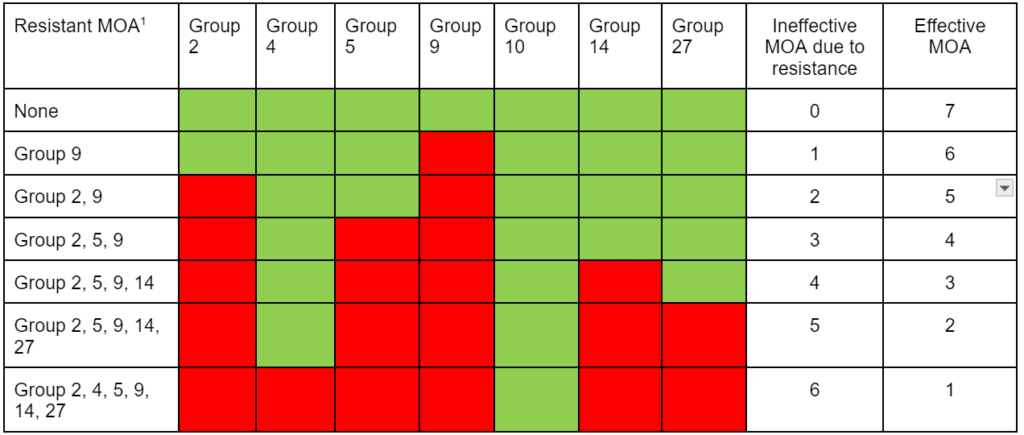
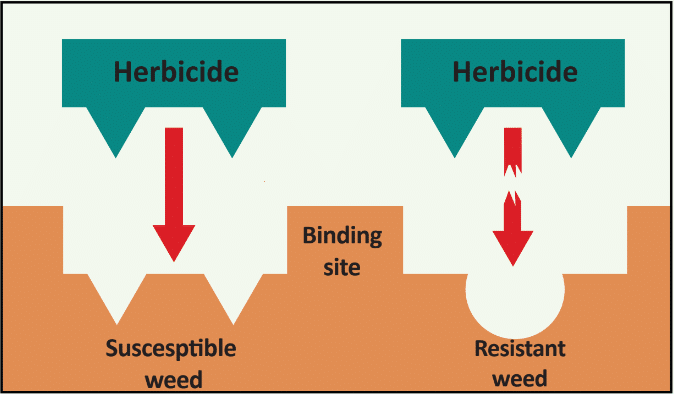
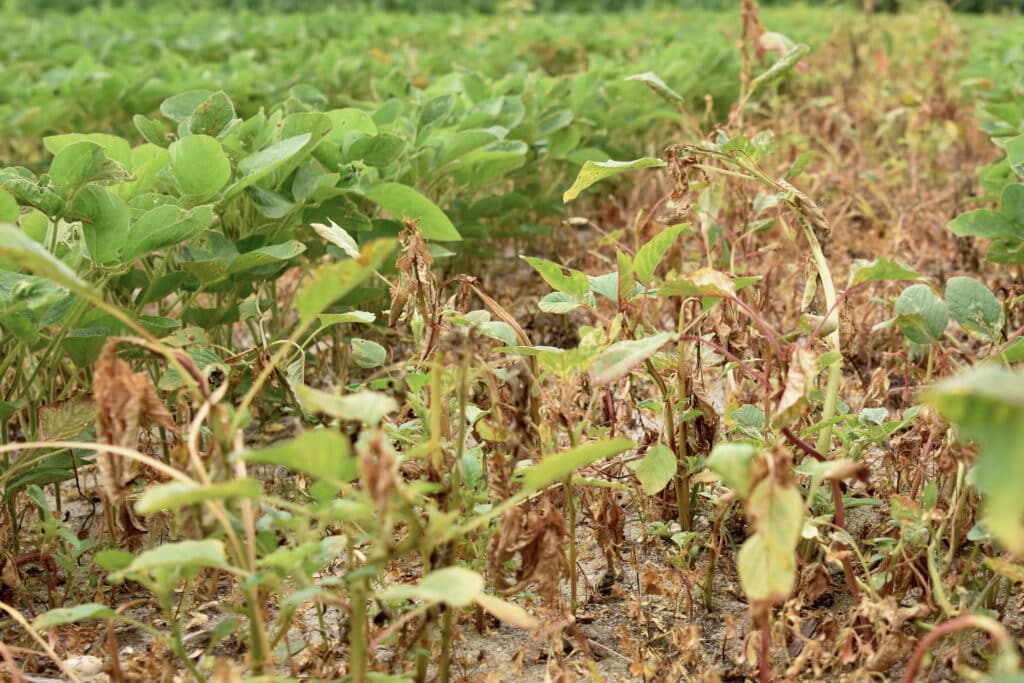
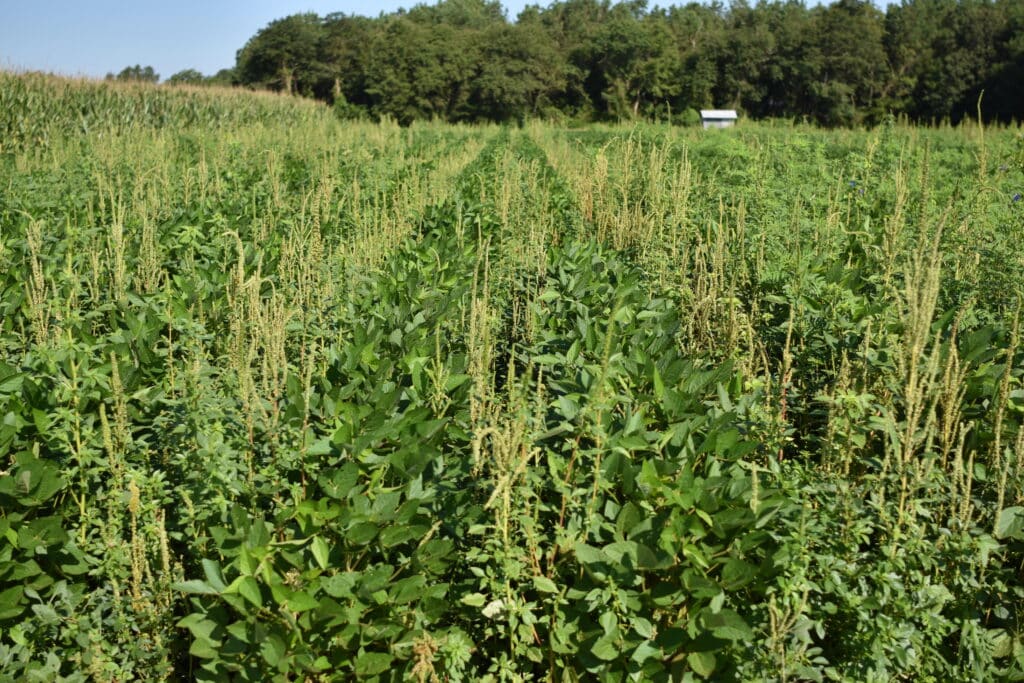
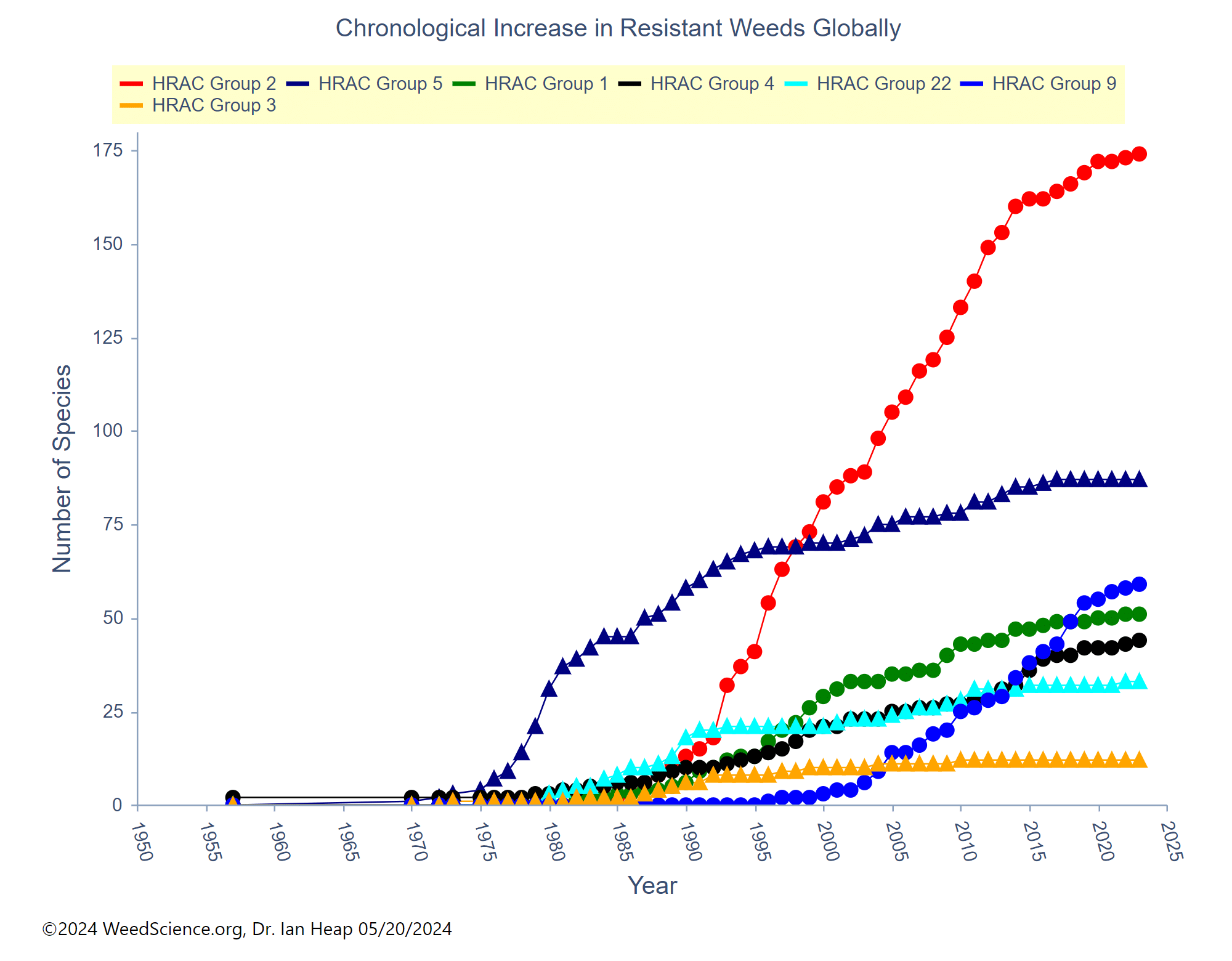
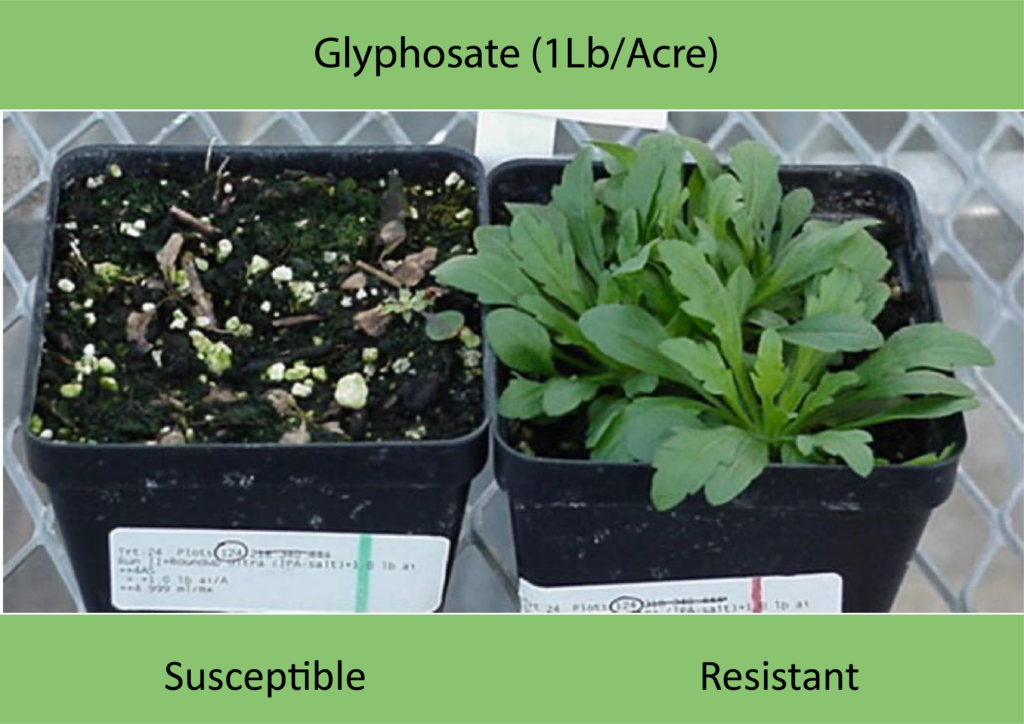
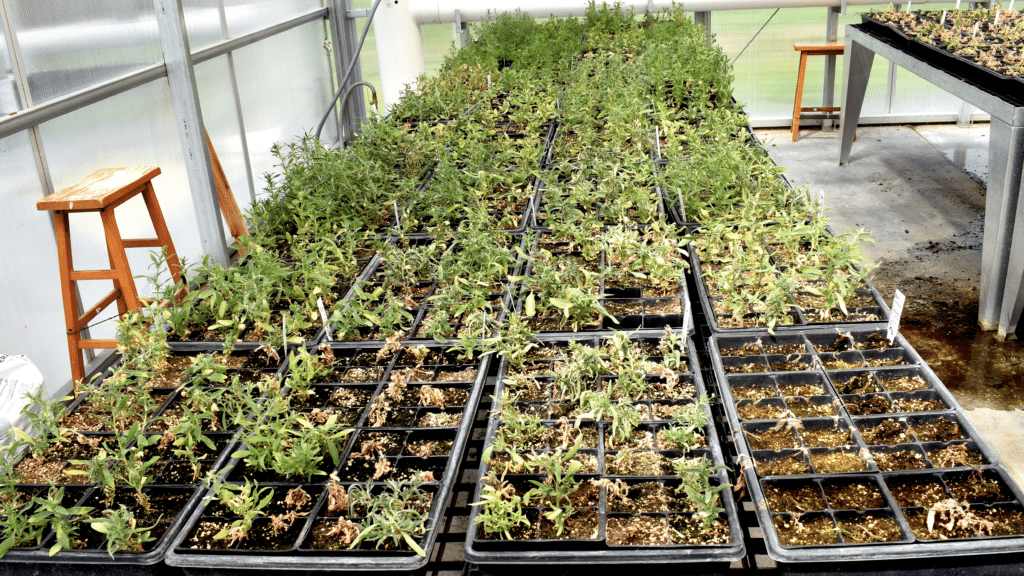
Herbicide resistance has many farmers feeling heartburn during the growing season, but non-GMO corn and soybean farmers often face some of the biggest consequences.
“[Herbicide resistance is] forcing growers to stop cultivating non-GMO soybeans because they do not have many postemergence options that work,” explains Dr. Rodrigo Werle, a weed scientist at the University of Wisconsin-Madison.
So while the Ecorobotix ARA and other new, ultra-precise targeted spray systems (such as Verdant’s sharp shooter precise sprayer) are an exciting development for all farmers looking to reduce chemical use, they also have the potential to expand postemergent herbicide options for producers.
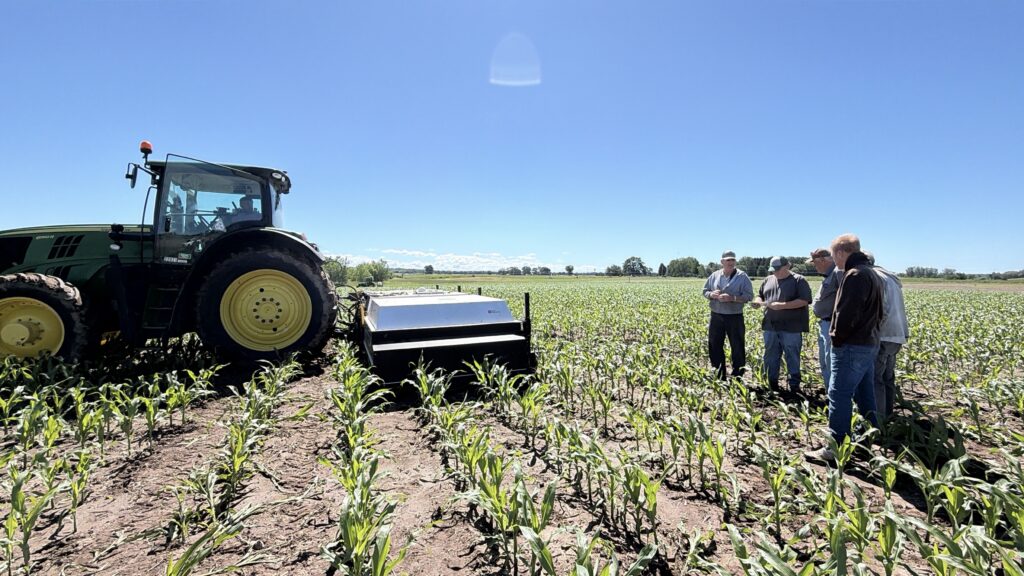
These ultra-precise targeted spray systems could eventually allow non-GMO soybean farmers to use non-selective herbicides in their fields, without injuring the crop, especially if strong preemergence herbicide programs clear the field ahead of time, Werle explains. But currently, herbicide regulations don’t permit the use of non-selective postemergence herbicides, such as glufosinate, in non-GMO row crops.
How the ARA Sprayer Works
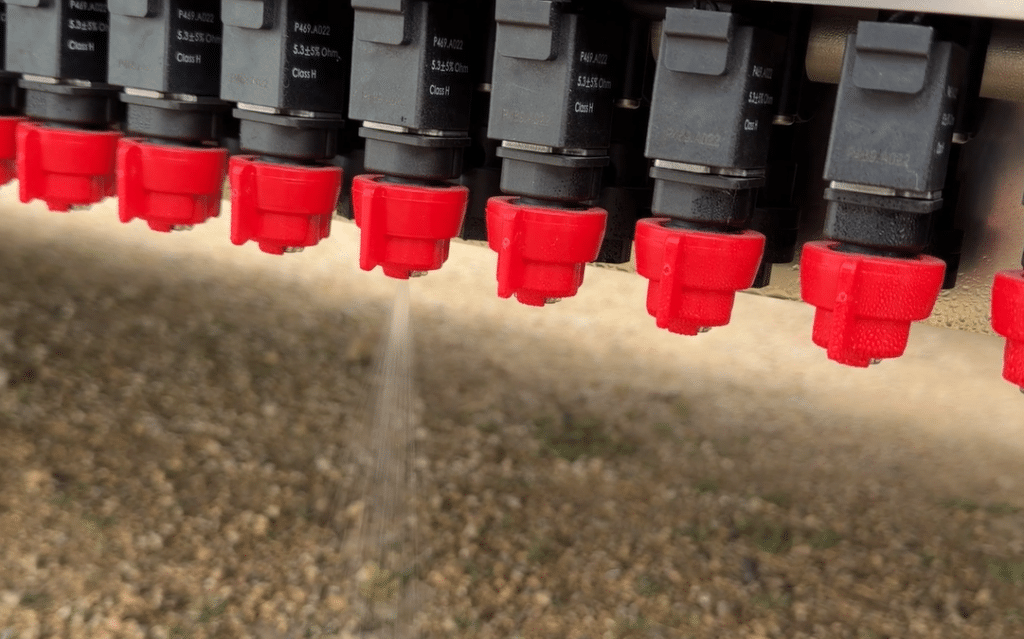
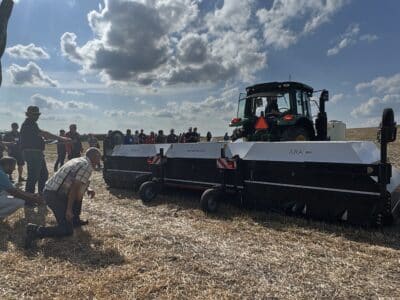
The Ecorobotix ARA sprayer is a hooded, ultra-precise target sprayer that uses algorithms to detect weeds between and inside crop rows. When weeds trigger the sprayer’s algorithm, only a 2.4-inch-by-2.4 inch square (the size of a square business card) gets treated with herbicides.
“It’s a really fine-tuned way of delivering herbicides,” Zhu explains.
This target sprayer also offers farmers a safety zone option. When the safety zone is off, the algorithm will detect and spray any weeds–including those that are extremely close to the crops. When the safety zone is on, applicators can set a buffer zone that instructs the algorithm not to spray any weeds that are touching or too close to the crop, which keeps herbicides from touching the crop.
The safety zone feature is already used in vegetable crops, where it’s critical for the crops to go uninjured by commonly used labeled herbicides, Zhu notes. But this proof-of-concept study at the University of Wisconsin-Madison aimed to see if farmers could one day use the safety zone feature to spray nonselective postemergent herbicides in their non-GMO corn and soybean crops (via glufosinate applied off-label strictly for research purposes).
The Ultra-Precise Results
Even an ultra-precise herbicide regimen must start with an ironclad preemergence herbicide program, Werle reminds growers.
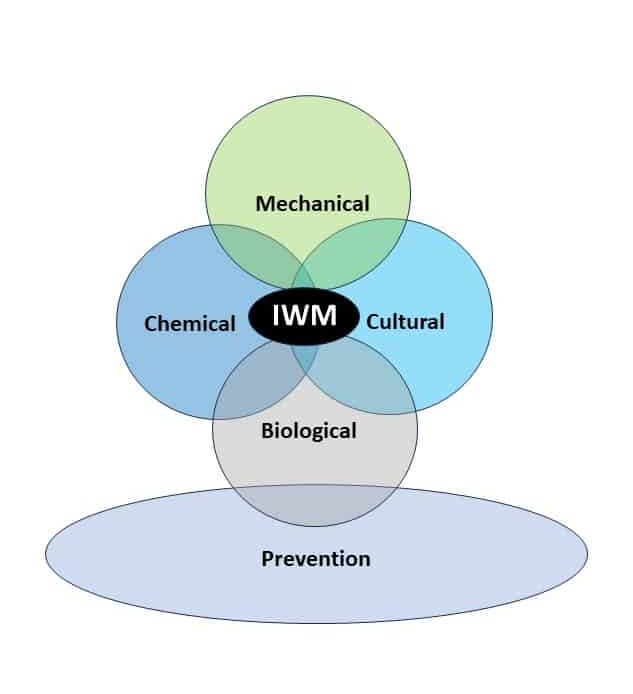
Using strong preemergence herbicide programs (such as rotating and using multiple effective sites of action and using higher on-label rates as part of an integrated weed management program) will greatly relieve weed pressure, and ensure that your postemergence herbicides aren’t pulling overtime to control weeds left in the field, Werle and Zhu note.
The pair found that weed control two weeks after postemergent treatment was consistently better with the stronger preemergence herbicides, regardless of postemergent herbicide selectivity. And using a selective postemergent herbicide with a strong preemergent herbicide resulted in slightly greater weed mortality than using a nonselective postemergent herbicide with a strong preemergent program. This weed mortality difference, Werle says, is due to non-treated weeds in the crop rows purposely not sprayed to protect the crop.
When the sprayer’s safety zone mechanism was on, the sprayer would miss those in-row weeds (as instructed). Farmers will need another weed control method to help target those weeds that the safety buffer has to exclude, the researchers note.
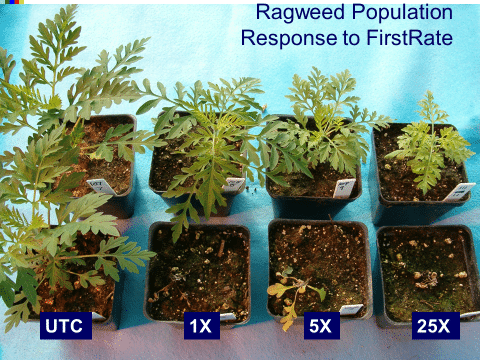
Common ragweed, giant ragweed, velvetleaf, and grass weeds were commonly toppled by the stronger preemergence and nonselective postemergence herbicides in this study.
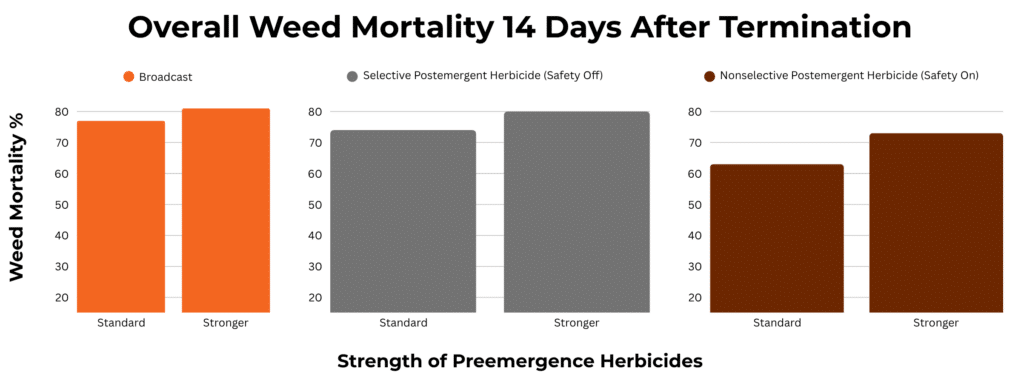
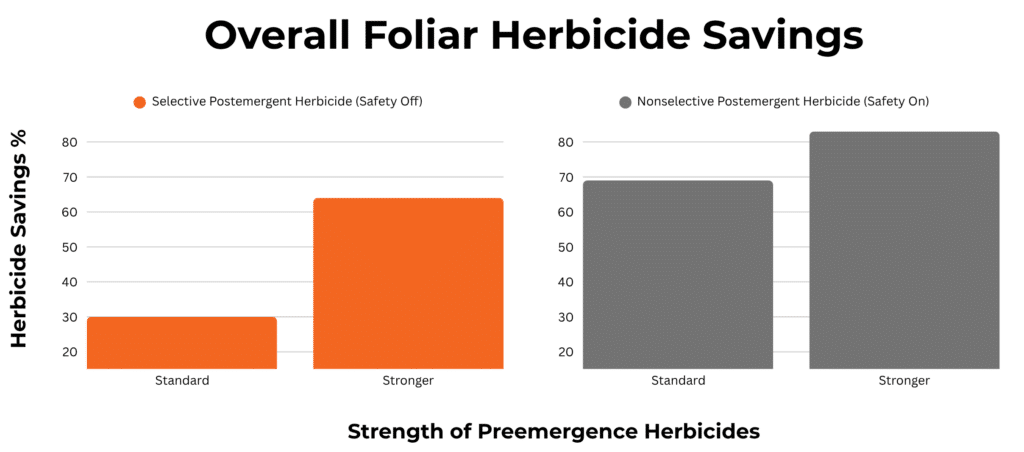
Starting strong with your preemergence applications could save on costs deeper in the season, the researchers also noted.
Zhu and Werle found that using a stronger preemergent herbicide combination resulted in postemergent herbicide savings ranging from 64% (selective postemergent herbicide program, safety zone off) to 83% (nonselective postemergent herbicide program, safety zone on).
Zhu applied the postemergent herbicides up to the V5 stage in both corn and soybeans. The Ecorobotix sprayer hood cannot pass over large crop plants (particularly corn, due to how quickly it grows).
Little-to-no crop injury occurred across either ARA sprayer setting or herbicide type. As a result, Zhu and Werle emphasize that farmers should spray herbicides on dry, sunny days to maximize their herbicide efficacy. Even though farmers can operate Ecorobotix’s target sprayers at night and on overcast days, those are not always ideal times to apply herbicides for the best effectiveness. However, farmers can operate the Ecorobotix ARA in windier conditions common in the spring and summer since it has a hooded sprayer that minimizes herbicide drift.
Werle and Zhu ultimately note that the Ecorobotix ARA and similar ultra-precision targeted spray technologies could help farmers overcome their shrinking herbicide options and even potentially combat herbicide resistance through those increased options. But the pair caution that increasing herbicide options for farmers hinges on the EPA and crop protection companies revising herbicide labels to allow precise sprayer applications of nonselective herbicides in non-GM traited crops.
“[These ultra-precise spray technologies] have the opportunity to broaden chemical weed control options for our growers, assuming regulations allow,” Werle says.
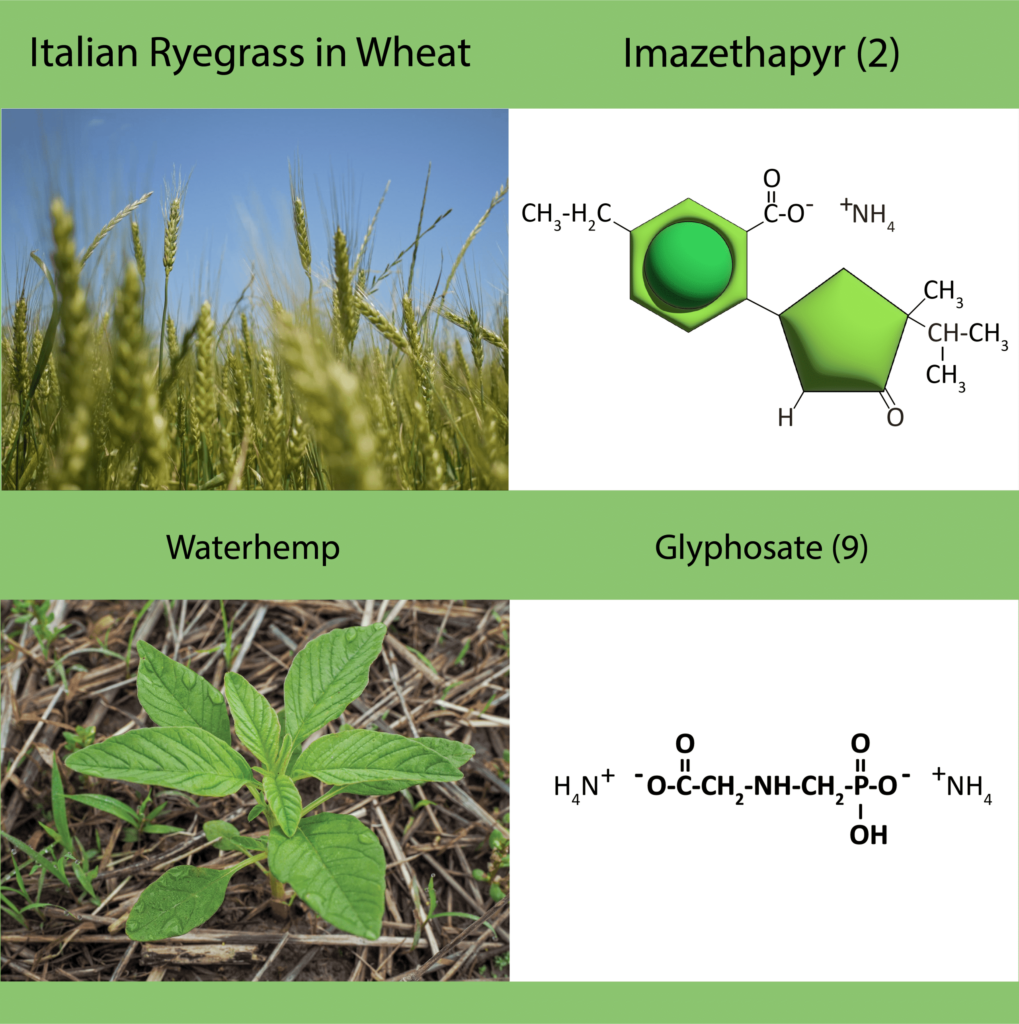
Werle’s future research on this topic will examine how other troublesome weeds, such as waterhemp, respond to strong preemergence and nonselective postemergence herbicides applied by the Ecorobotix ARA sprayer on commercial farms.
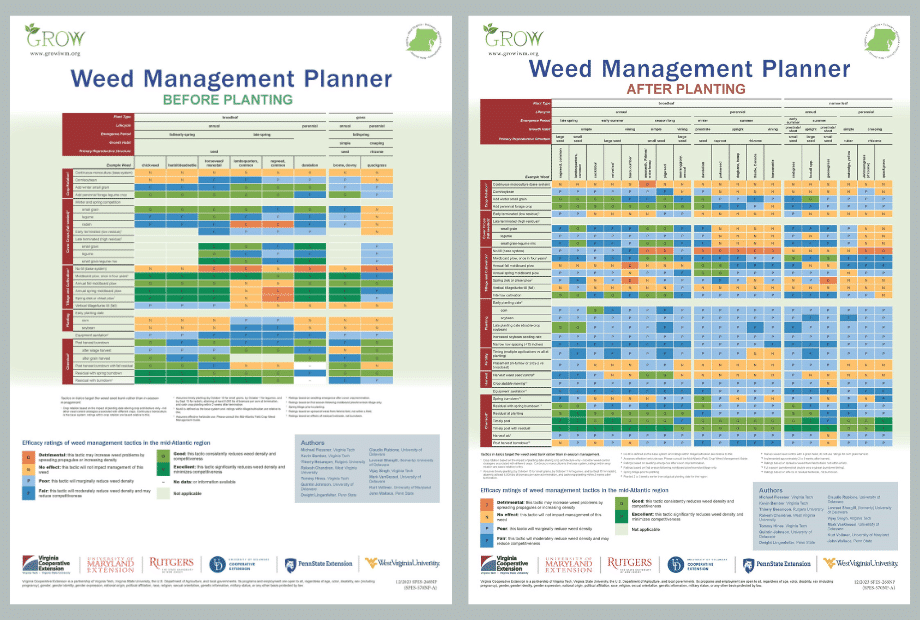
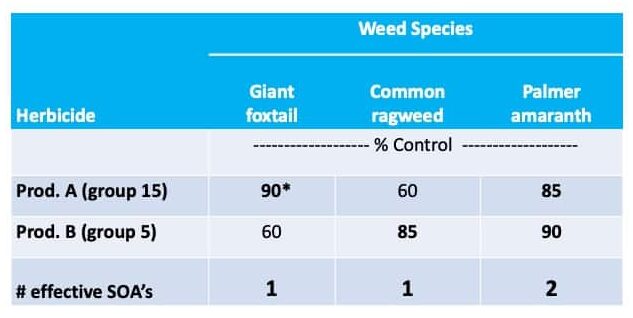
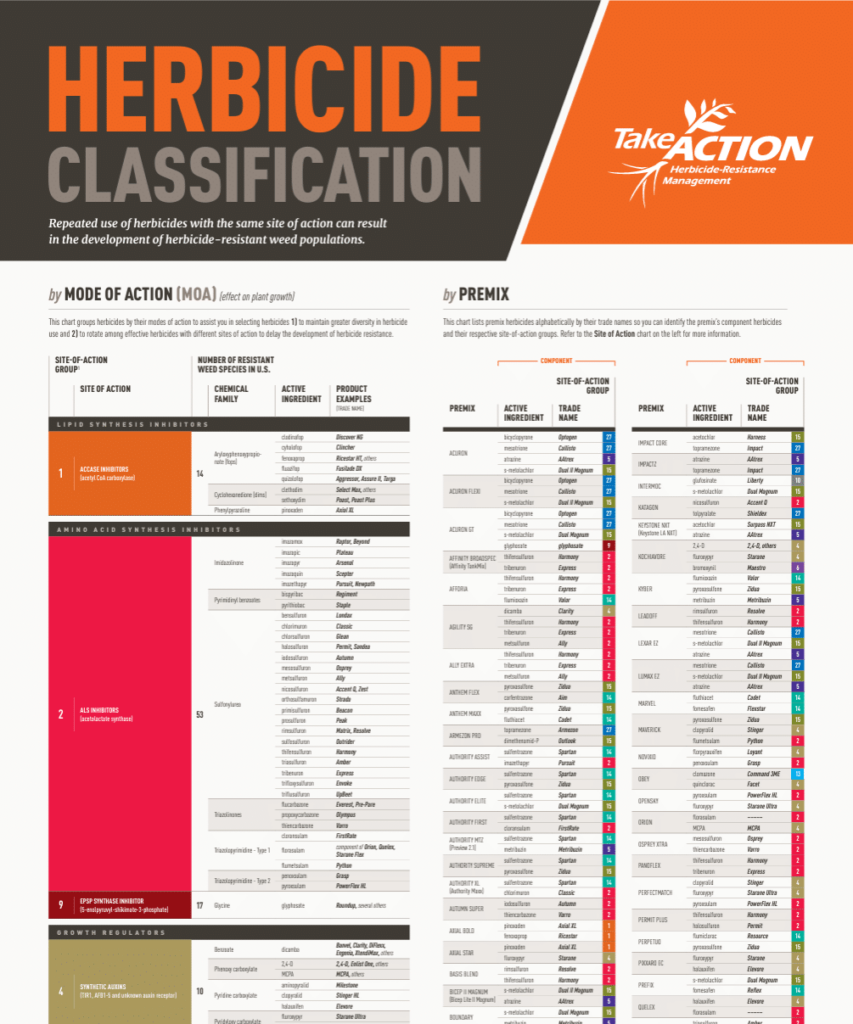
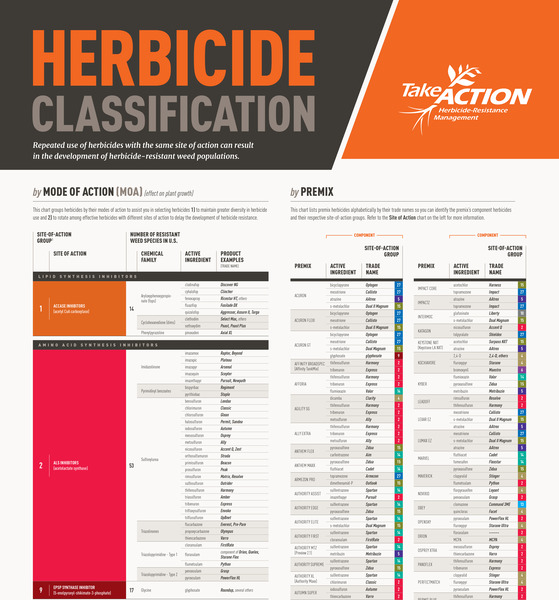
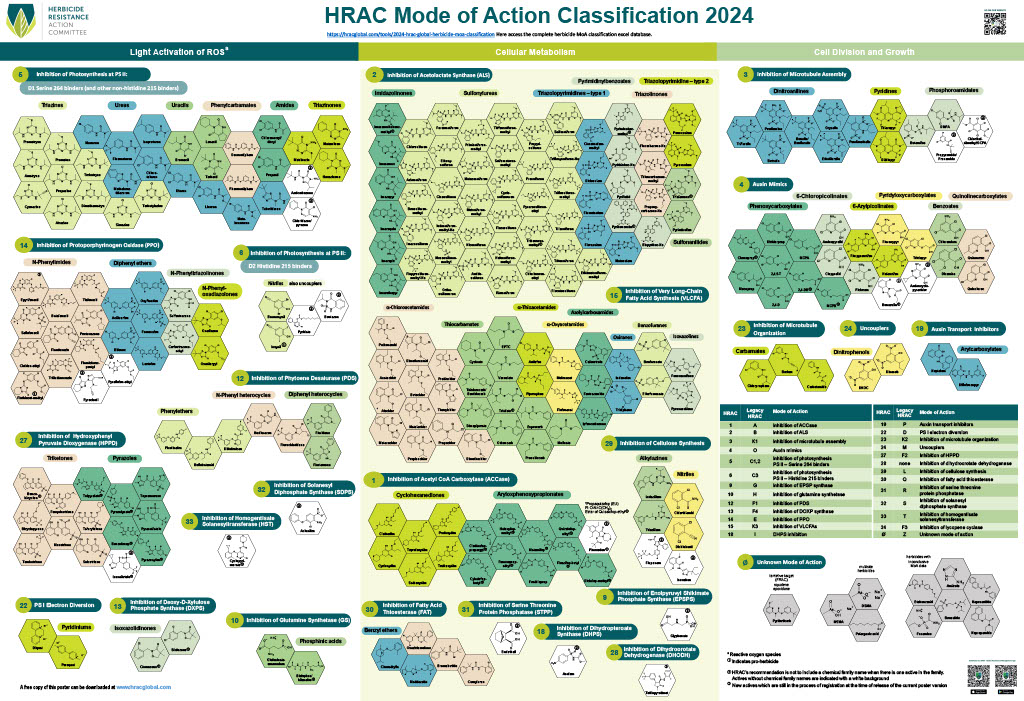
In the meantime, farmers can use Take Action’s Herbicide Classification Chart to ensure that they are effectively mixing and rotating herbicide modes of action, and Take Action’s Herbicide Lookup Tool to find information about herbicide trade names and active ingredients.
Article by Amy Sullivan, GROW; Header photo and feature photo by Rodrigo Werle, University of Wisconsin-Madison; article funded in-part by the United Soybean Board.