“If we look for it, we find it.”
Mark VanGessel, University of Delaware
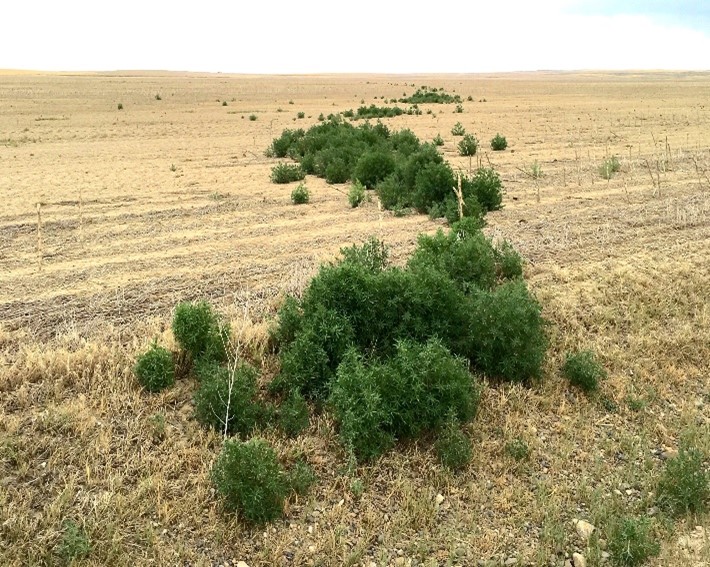
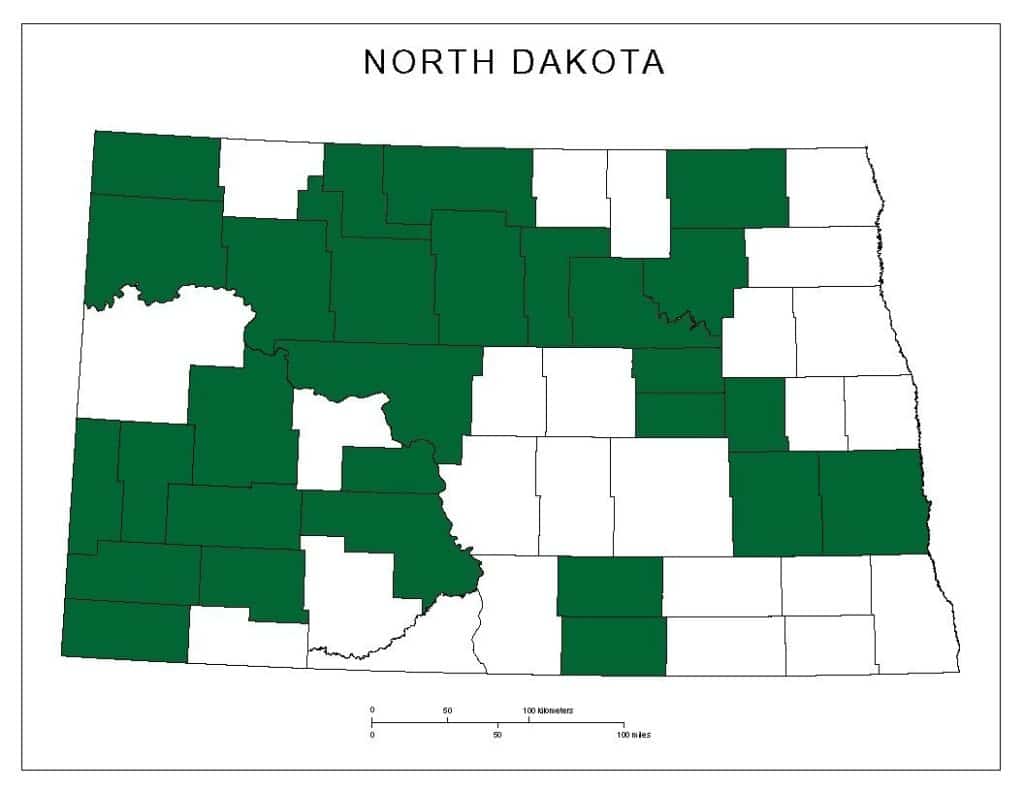
In 2022, when North Dakota farmers began reporting failed kochia burndown in Group 14 herbicides, Dr. Brian Jenks thought there might be a problem. Jenks, a weed scientist at North Dakota State University, began working with fellow NDSU weed scientist Dr. Joe Ikley, other weed scientists, and the National Agricultural Genotyping Center to test for Group 14 resistance in kochia. Their work confirmed the first cases of kochia resistance to Group 14 in the United States, which has now been found in more than half of North Dakota’s counties. “It’s more widespread than we initially thought, we had confirmation in half of North Dakota’s counties.” Ikley commented, “But we tell our growers that not every population in that county is resistant. Moving forward, we are hoping to get a better feel for prevalence within our counties.”
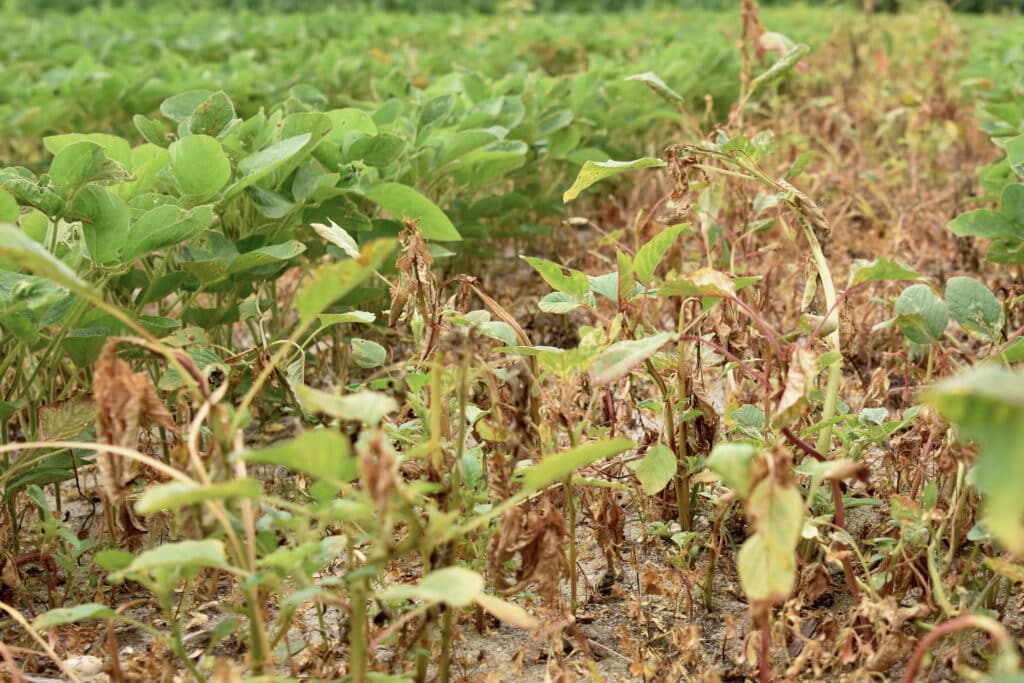
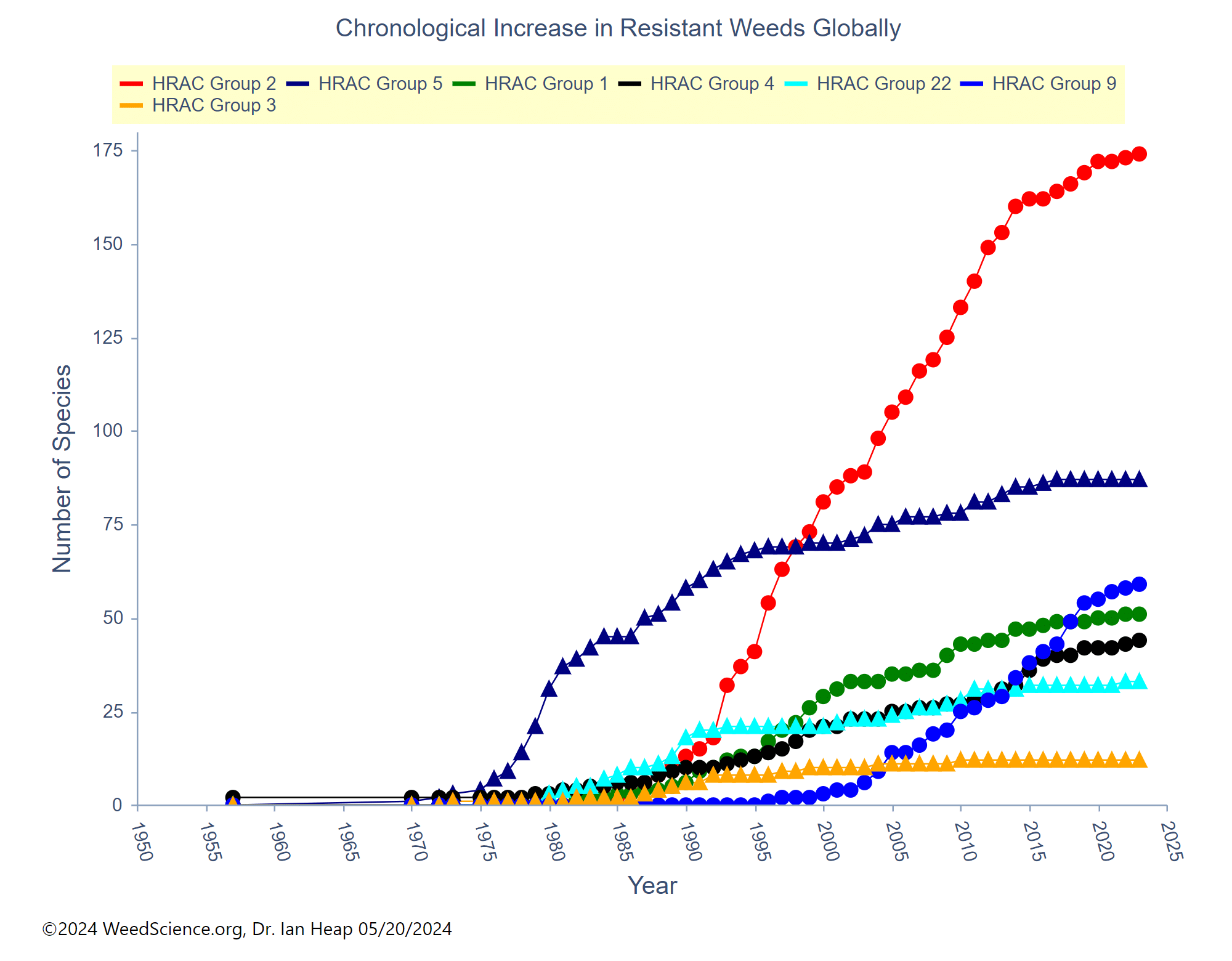
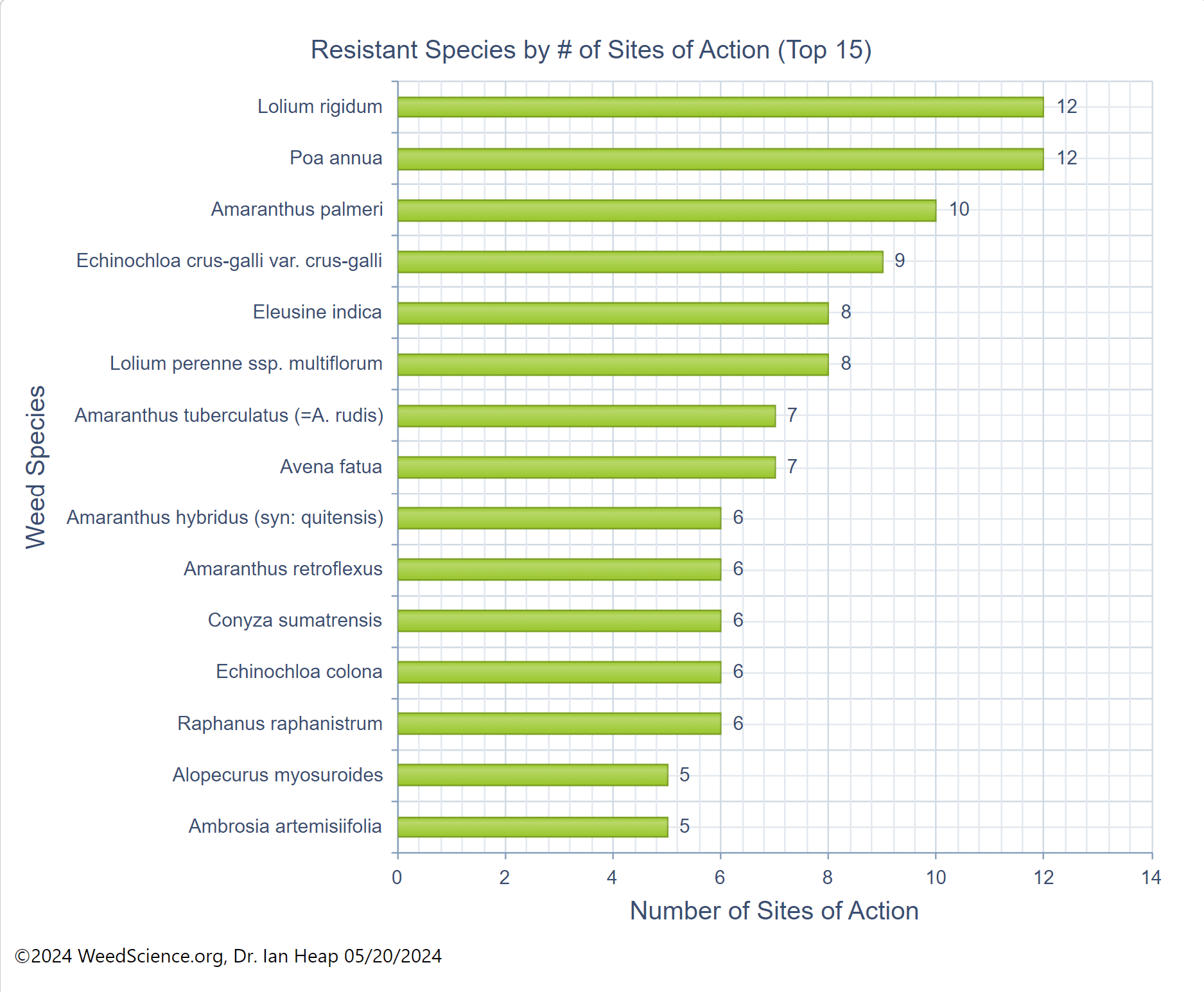
Ikley is not alone in his efforts, nor his findings. Weed scientists throughout North America are researching the extent of herbicide resistance. Their findings show that there is seemingly no state, weed, or crop system that is immune to herbicide resistance.
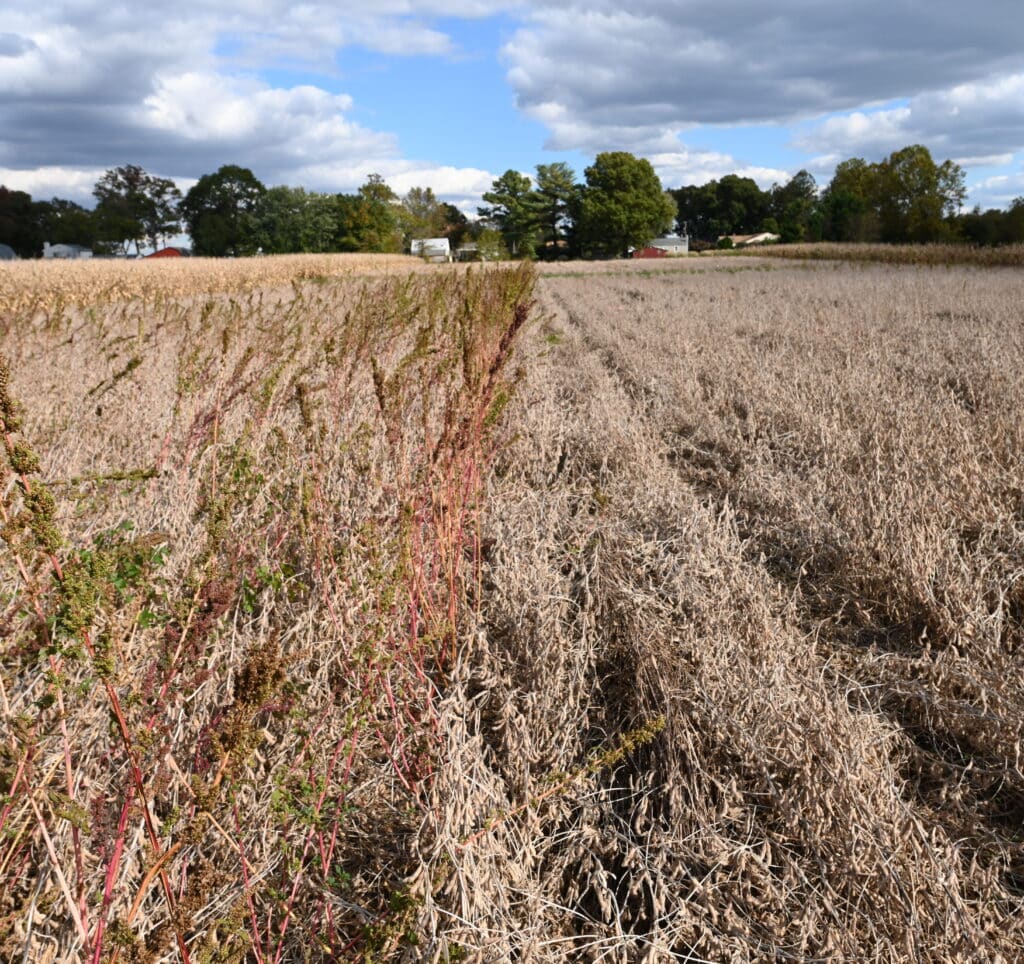
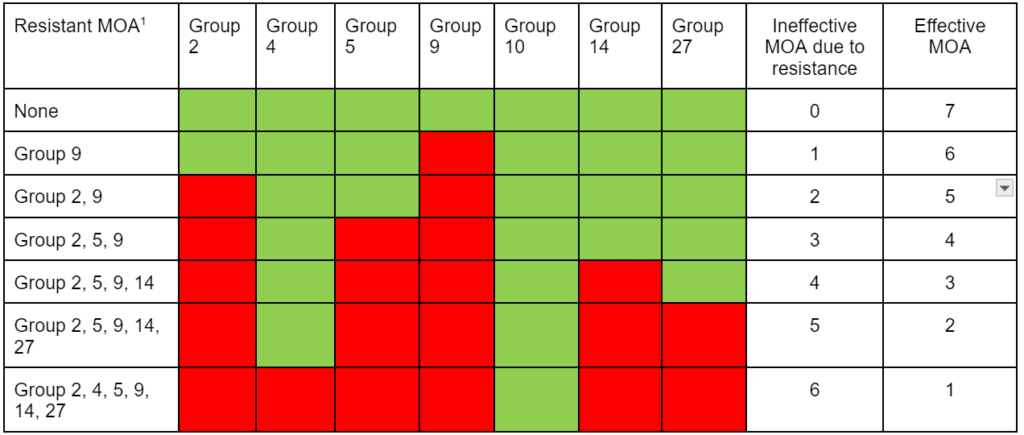
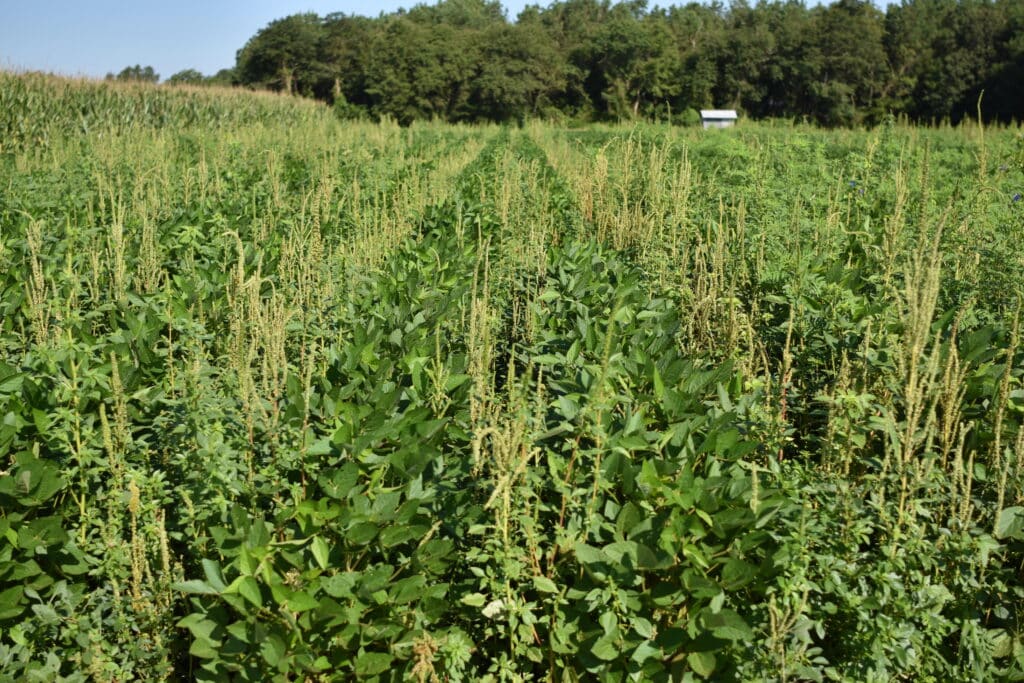
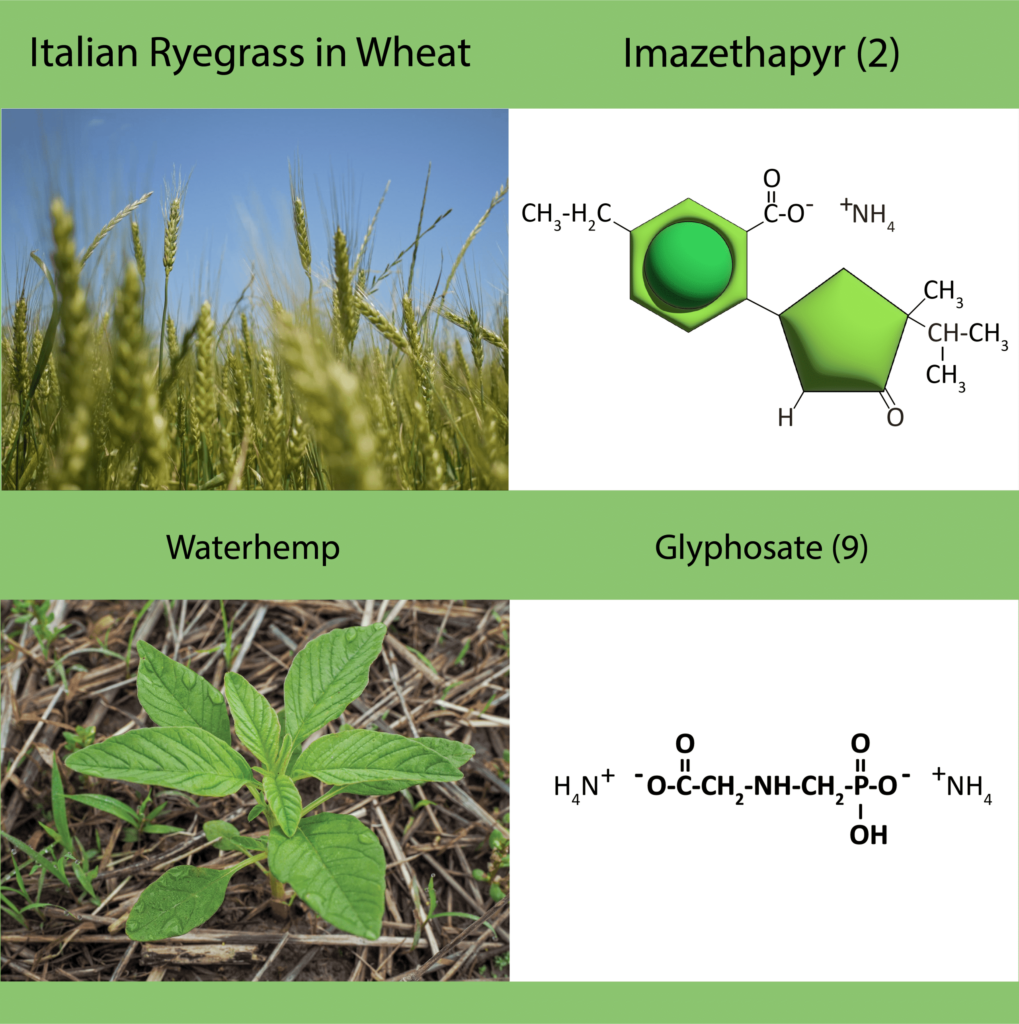
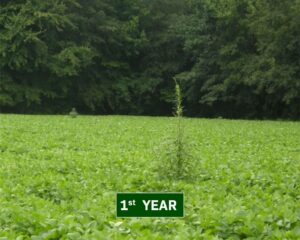
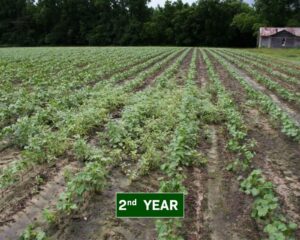
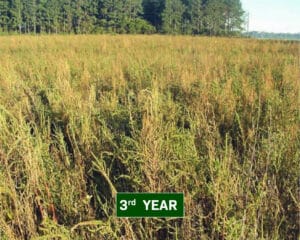
The University of Minnesota’s Dr. Debalin Sarangi has found extensive postemergence herbicide resistance in 90 waterhemp populations across 45 Minnesota counties. All populations were resistant to imazamox. Two populations were resistant to all tested herbicides (including glyphosate, atrazine, dicamba, and 2,4-D) except glufosinate, and 91% of the populations had developed resistance to multiple modes of action (as many as six).
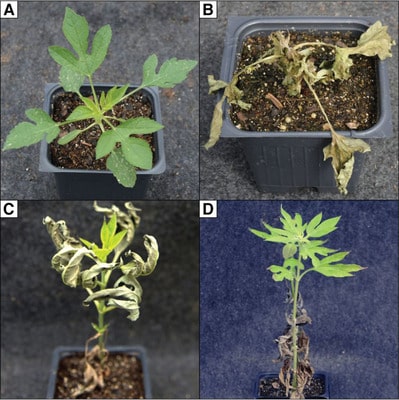
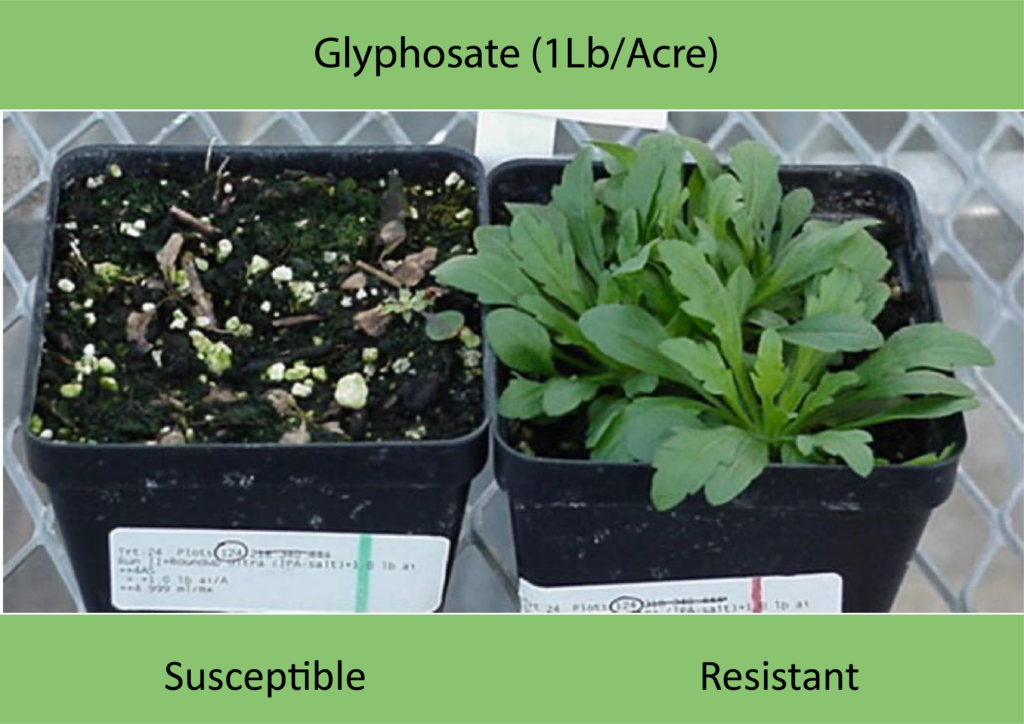
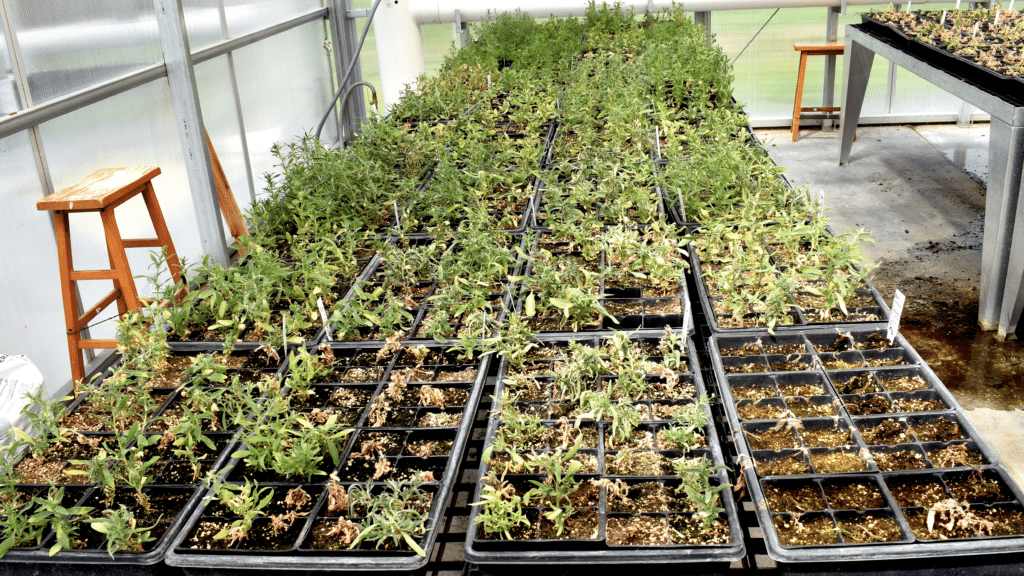
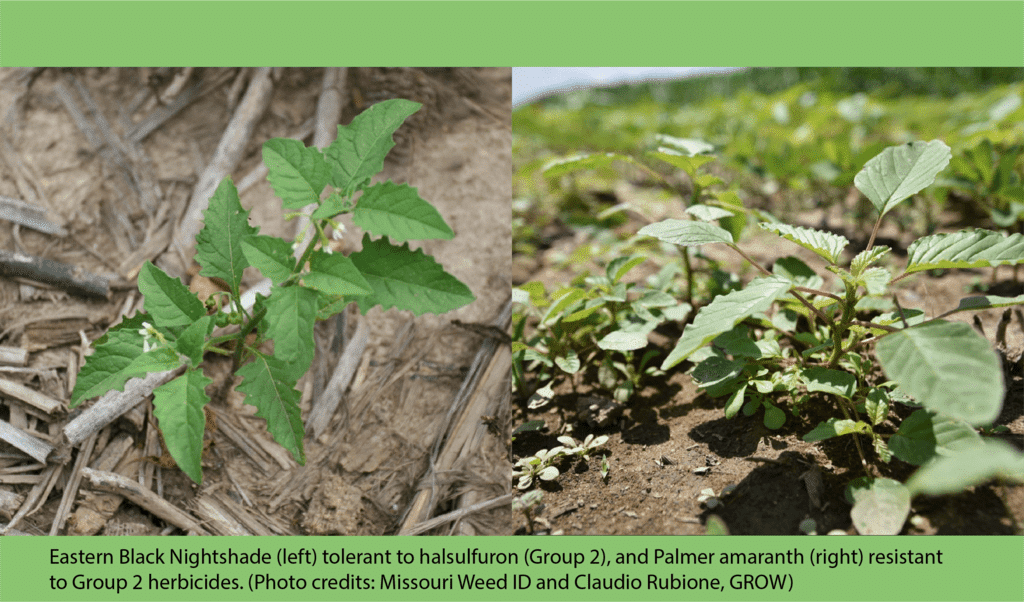
In New York, Cornell’s Dr. Vipan Kumar recently published findings confirming the first glyphosate-resistant waterhemp populations in the state.
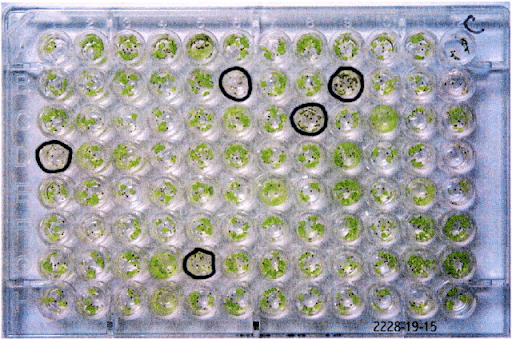
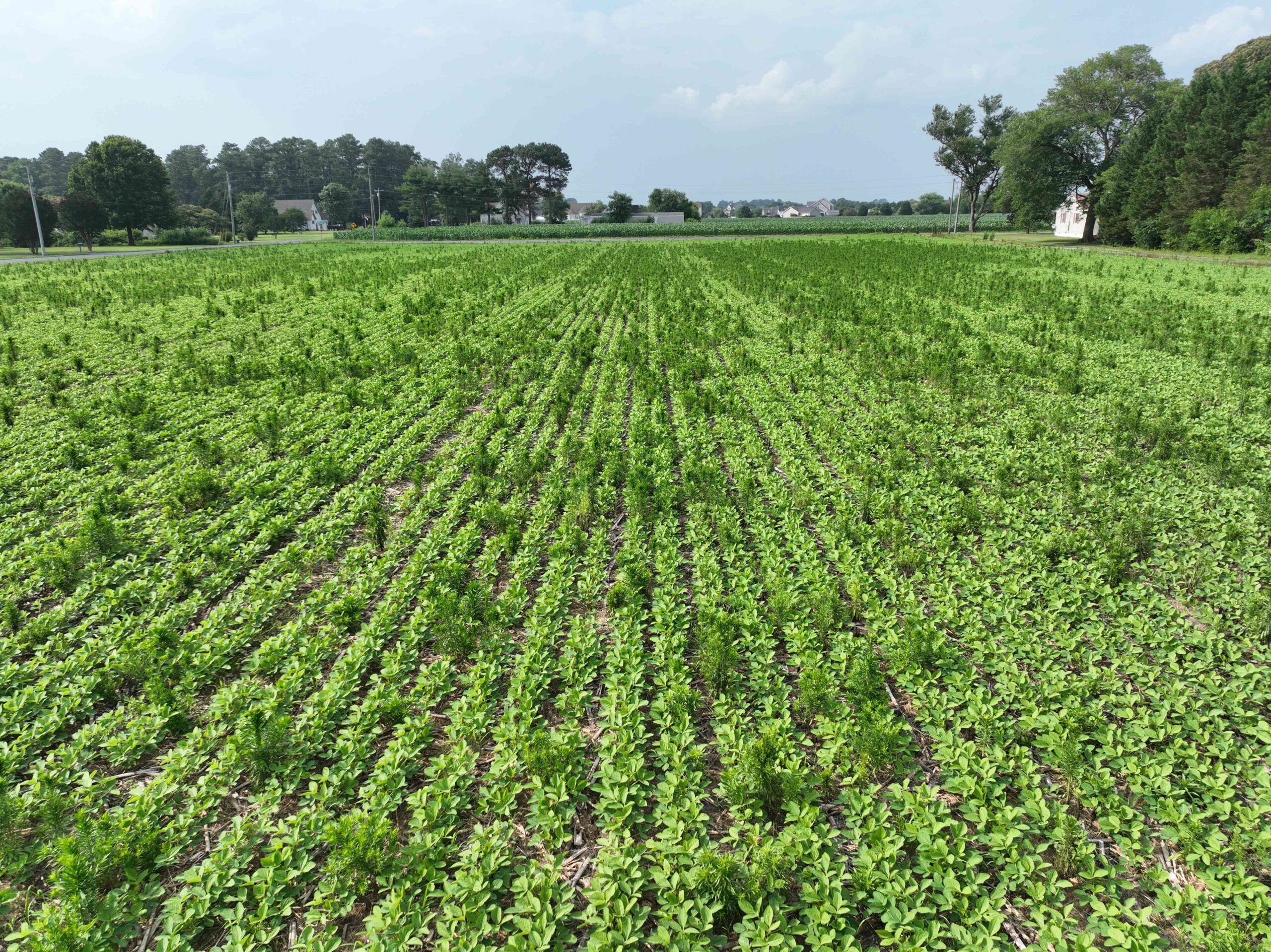
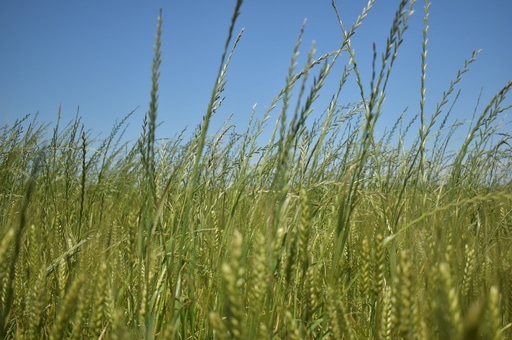
The University of Delaware’s Dr. Mark VanGessel found that of 41 tested Italian ryegrass plots in Delware, all were resistant to pyroxsulam (PowerFlexHL). More than half of the plots were resistant to both pyroxsulam and nicosulfuron (Accent Q), and five plots were resistant to both of those herbicides, plus pinoxaden (Axial HL).
The growing epidemic is not limited to a specific crop; in fact, rice farmers’ recent struggles with herbicide resistance problems show just how quickly weeds can evolve tolerance, in any cropping system.
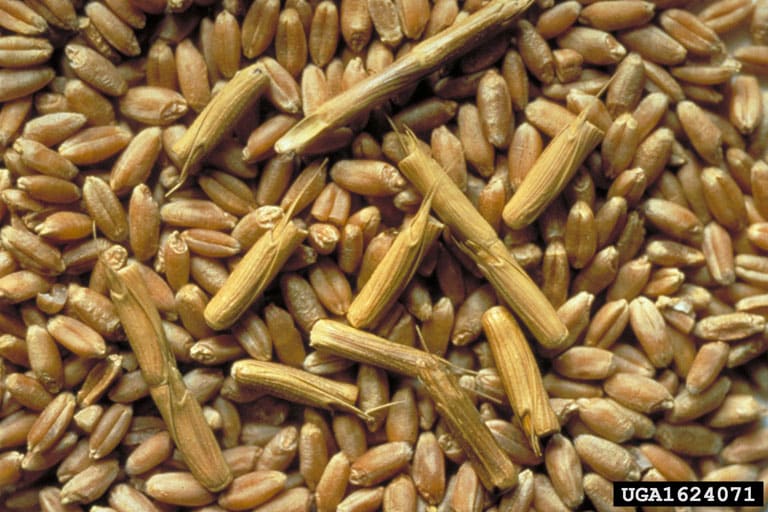
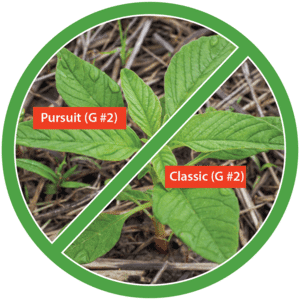
In Arkansas, 10% of weedy rice populations are already resistant to Provisia’s active ingredient, quizalofop, just seven years after its introduction. That’s a blow to an industry where 100% of Arkansas’ tested weedy rice populations are resistant to Clearfield’s active ingredient imazethapyr, which was introduced in 2002.
And resistant weeds certainly don’t respect international borders. In Canada, Dr. Charles Geddes has found that 72% and 80% of tested fields in the provinces of Saskatchewan and Manitoba contain at least one herbicide-resistant weed, respectively, amounting to tens of million of acres of affected farmland.
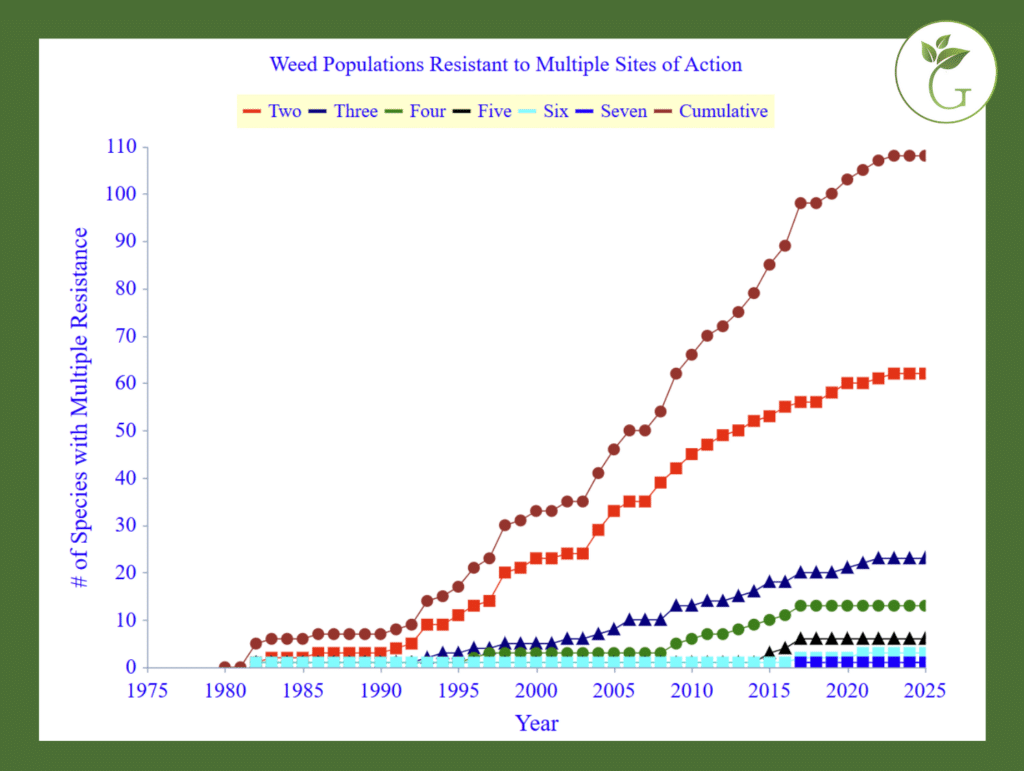
VanGessel summarizes what so many researchers are discovering about herbicide resistance: “If we look for it, we find it.”
With researchers still examining the extent of herbicide resistance in their regions, be sure to keep an eye out for opportunities to send weed samples from your fields to be tested. Farmers in North Dakota battling kochia and pigweeds can get free testing kits from any North Dakota State University Extension Office, which test for Groups 2 and 9 resistance. Farmers in neighboring states can also have their samples tested at the North Dakota lab for a fee. Growers should check with their state’s Extension weed specialist to learn what herbicide-resistance testing resources might be available in their regions.
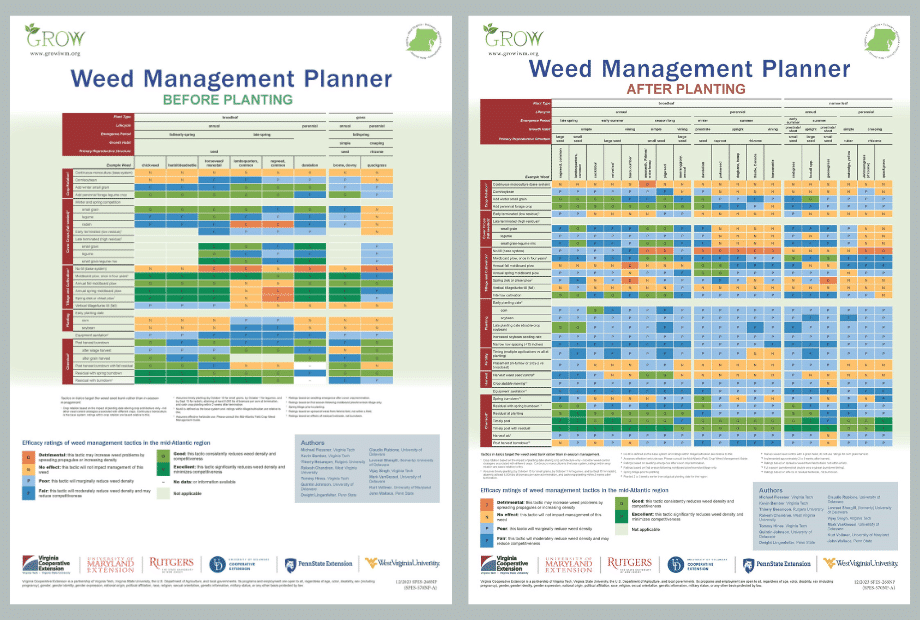
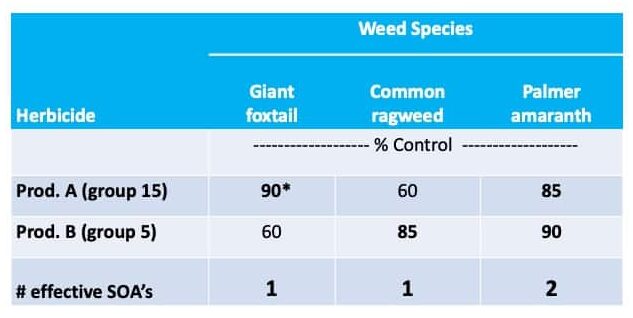
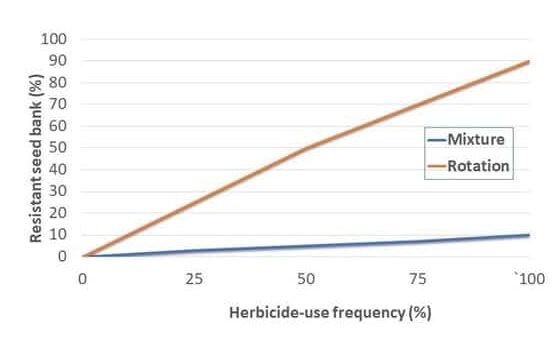
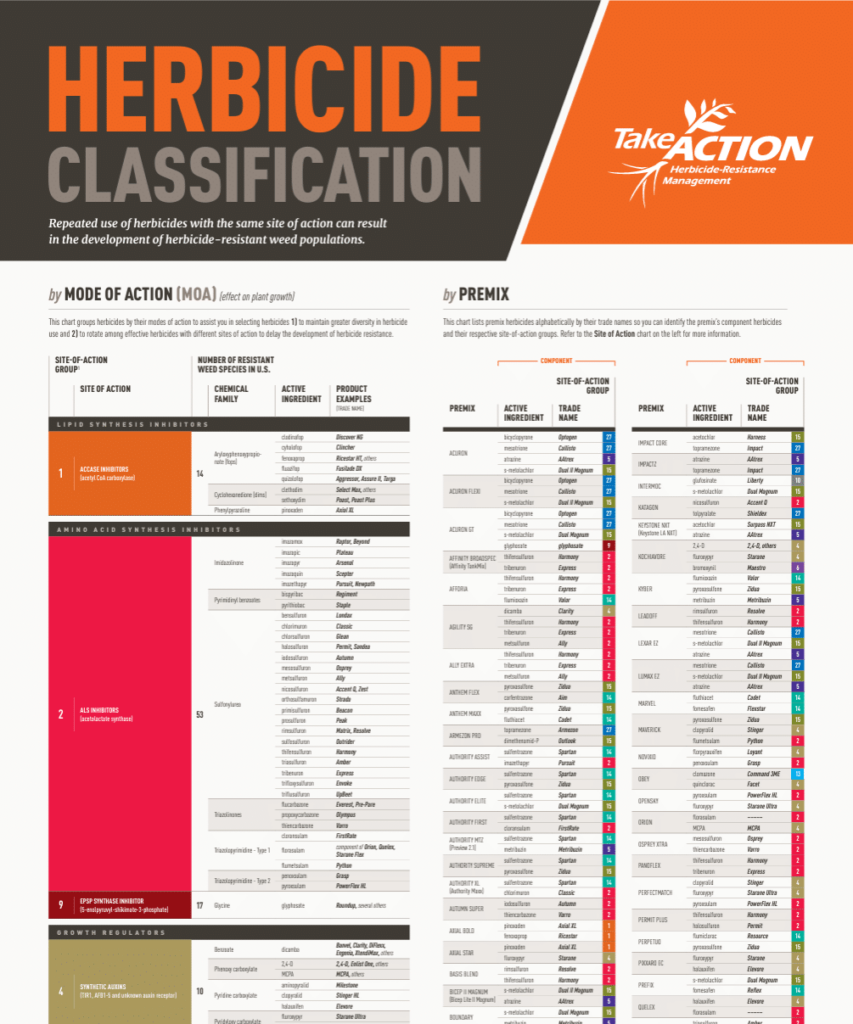
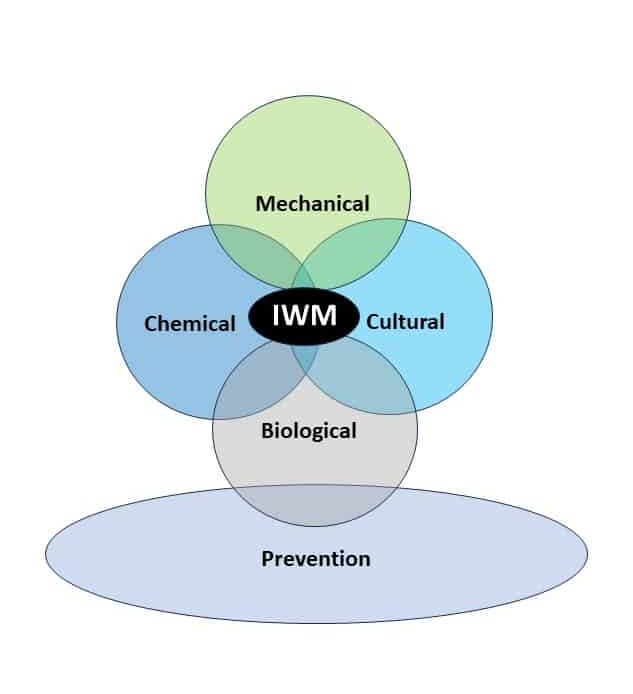
Although herbicide resistance might seem too widespread to combat, the fight isn’t over. Using integrated weed management methods can reduce herbicide reliance and slow the spread of herbicide resistance, researchers say. Similarly, tank-mixing multiple herbicide modes of action can help reduce the potential for herbicide resistance. (Read more about tank-mixing’s effectiveness in delaying herbicide resistance in this GROW article).
Visit GROW’s website for more information about herbicide resistance, integrated weed management, and to explore our weed management toolbox.
Article by Amy Sullivan, GROW; Header photo by Vipan Kumar, Cornell University.