What do you do when your own crop strikes back?
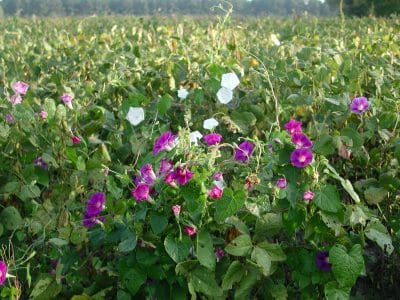
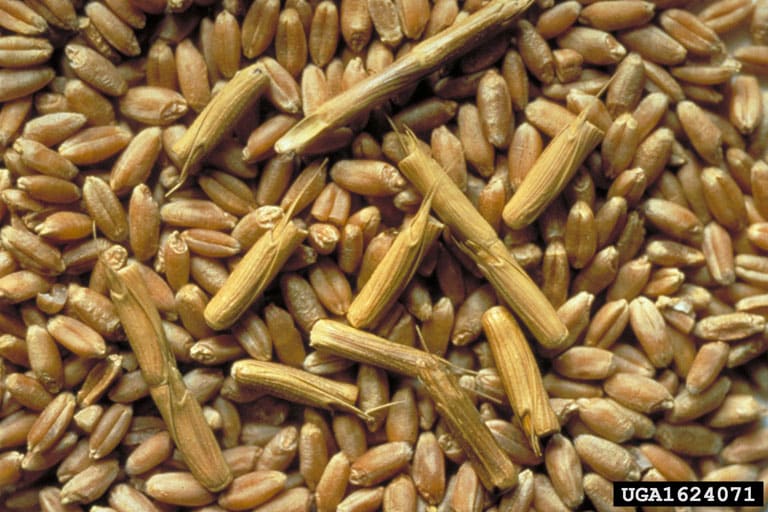
That’s the problem faced by many small grains farmers, who find themselves battling their own crops’ volunteer plants the following season. But they’re finding a surprising ally in a new harvest weed seed control technology called seed impact mills.
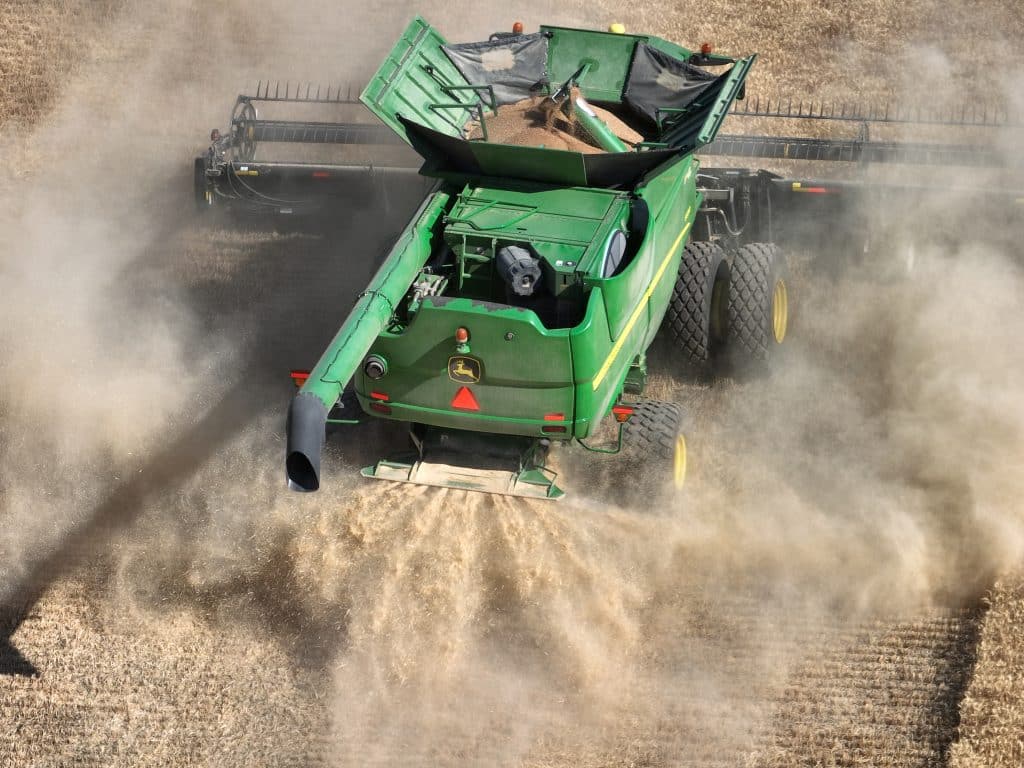
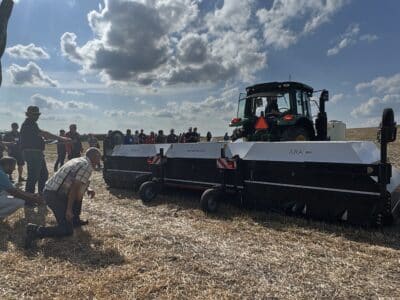
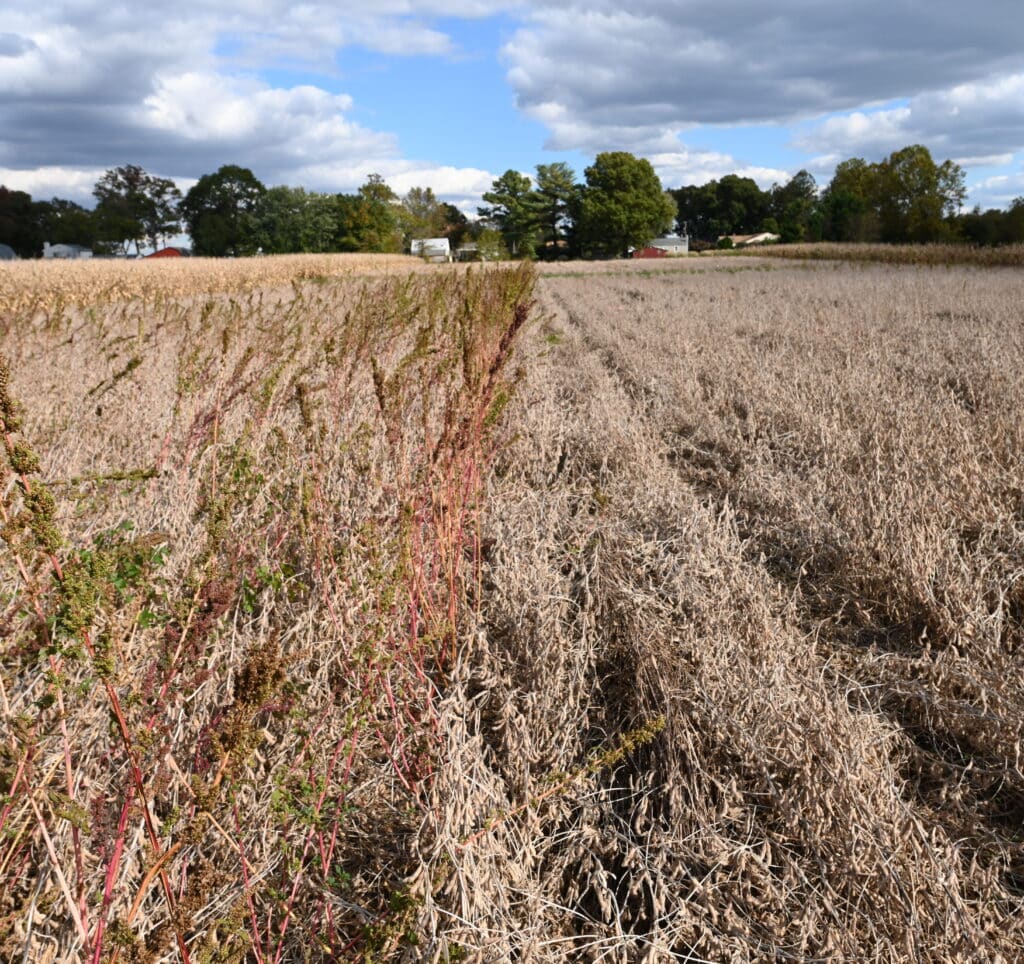
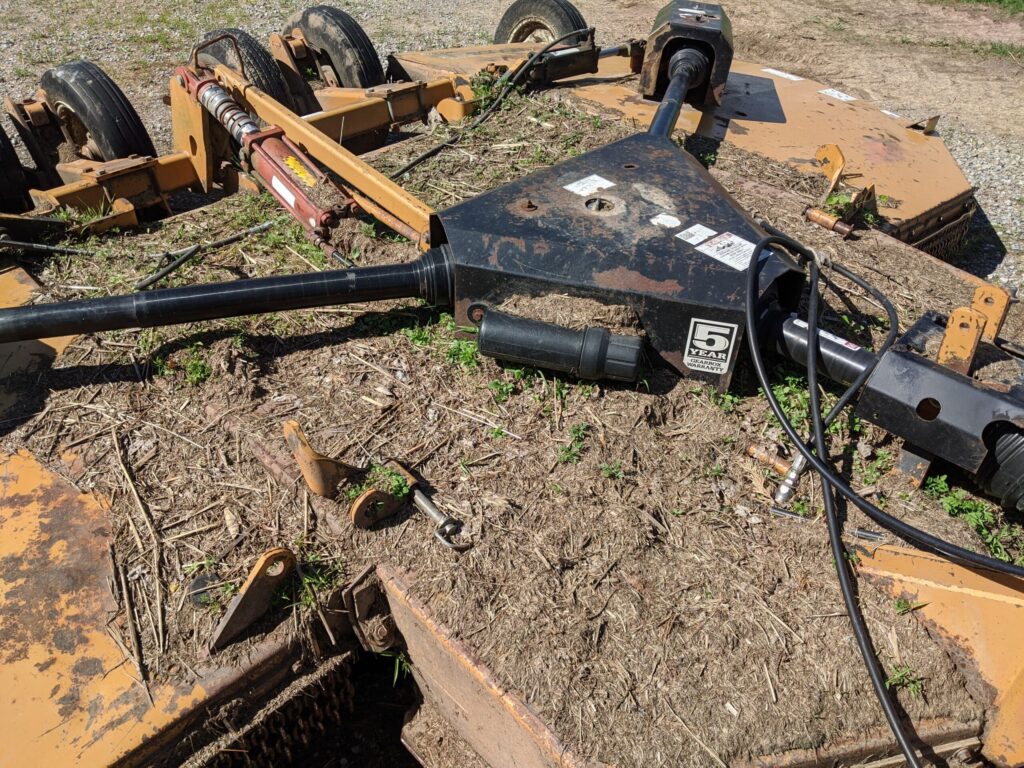
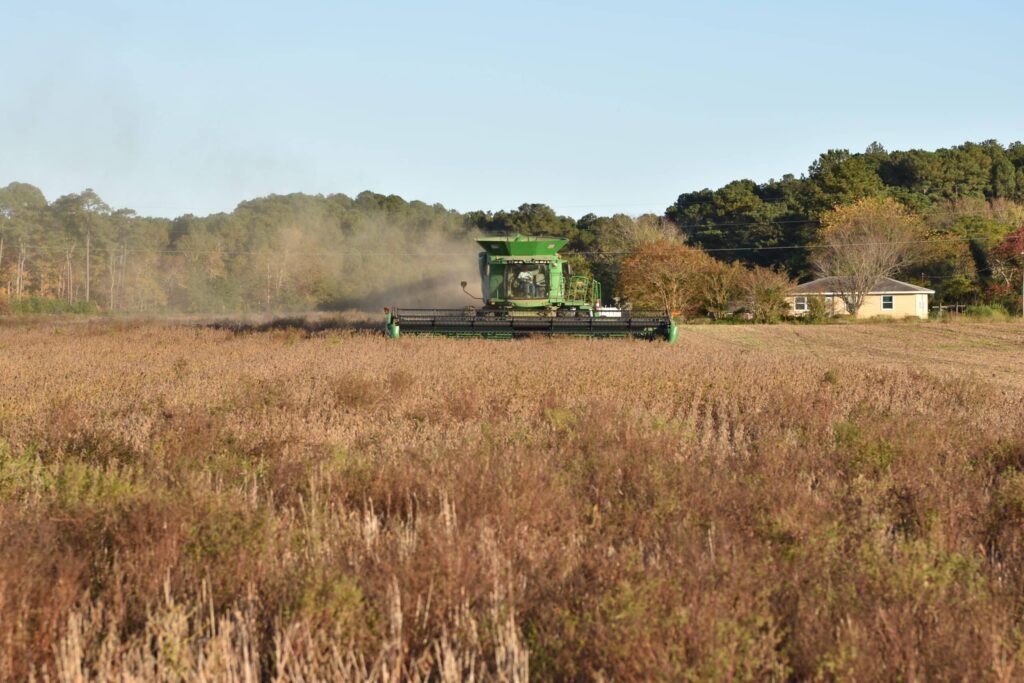
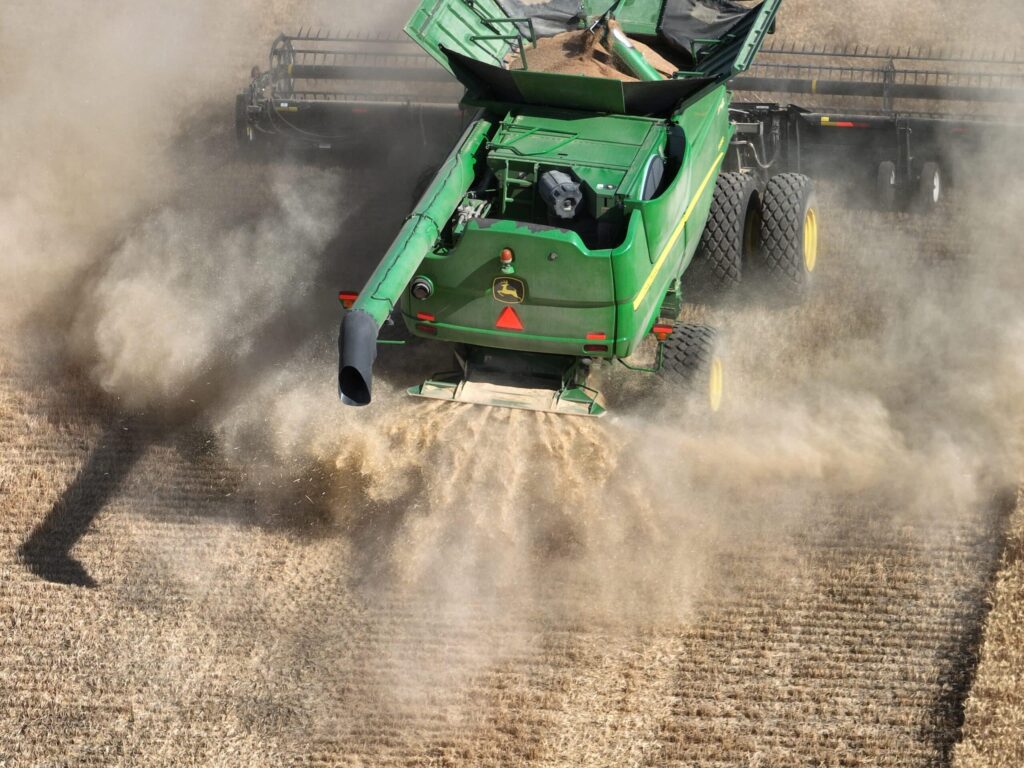
Seed impact mills have gained attention in the U.S. in recent years for their ability to obliterate weed seeds at the end of the season. Impact mills crush chaff residues with spinning mills as it exits the combine during harvest. Since that destruction can also target crop volunteer seeds that would otherwise replenish the weed seedbank, farmers and researchers from Canada to Texas have been testing impact mills for their promise in tackling volunteer crops and cleaning field edges. Their feedback suggests that the seed impact mill excels at this particular job, but farmers have to overcome the impact mill’s horsepower and financial restrictions.
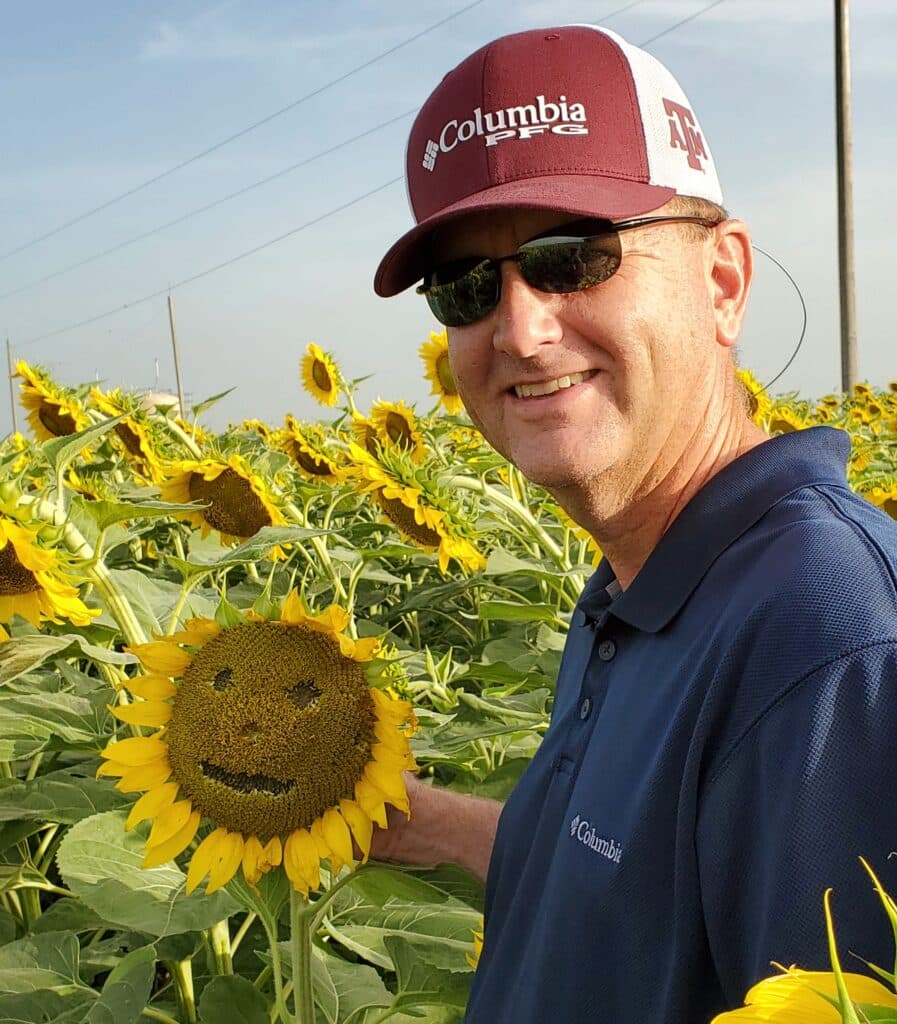
Farmers Fighting Volunteers in the U.S.
Down in Texas’ Hill County, farmer Rodney Schronk has tested the Redekop Seed Control Unit over his past four harvests in a rotation of cotton, corn, wheat, and the occasional sunflower.
The impact mill, he says, is a game changer.
Schronk first learned of seed impact mills when his son was in a Texas A&M weed science class. He eventually collaborated with Texas A&M weed scientist Dr. Muthu Bagavathiannan and then-graduate student Dr. Sarah Chu in a GROW project to research the impact mill’s effectiveness. For Schronk, who has battled annual ryegrass and volunteer wheat for years, the seed impact mill offered a new way of beating down these pesky crops-turned-weeds.
And beat those weeds down, it did: Schronk says that the seed impact mill’s effectiveness at reducing volunteer wheat pressure was evident after its first harvest.
“The ground never freezes, so we’re controlling volunteer crops and weeds year-round here,” Schronk explains. “I’ve noticed that when we are running the impact mill, the weed and volunteer pressure is tremendously less.”
The impact mill even pummeled corn volunteers, Schronk found.
“For those in organic productions or with no weed control options, [seed impact mills] are truly the best thing,” Schronk says.
Ole Norgaard, a certified organic farmer in Montana, agrees.
Norgaard has operated the Harrington Seed Destructor for three years now in his wheat, barley, alfalfa, and lentil rotation. Norgaard followed seed impact mill development for years before reaching out to Montana State University for more information. He eventually also became involved with GROW’s seed impact mill research.
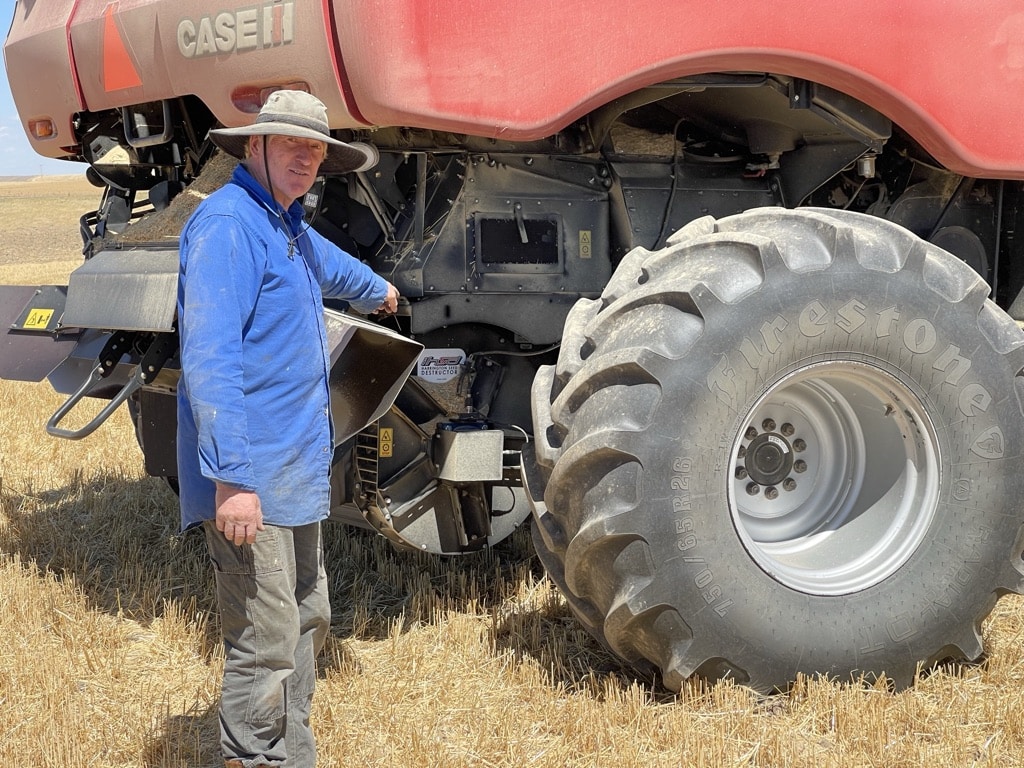
“Whatever goes through the impact mill is powder.” Norgaard notes.
Seed impact mills have earned their spot in Norgaard’s weed-killing lineup, he reports. But he has a few concerns about the machine. Chiefly, Norgaard says that the impact mill’s bearings can become extremely hot when operating at full load on Montana’s dry, hot harvest days, a dangerous potential fire starter. But Norgaard notes that the Australian-based Harrington Seed Destructor company has since engineered the impact mill bearings to withstand friction without generating as much heat.
…and from Further North
Dr. Breanne Tidemann, a weed scientist in the Canadian Prairies, has investigated the seed impact mill’s effectiveness in weeds such as wild oat for years. But volunteer canola and wheat have also been crowned as two of the top ten troublesome weeds in her region recently.
“This is a recent increase for these two volunteer weeds, and it’s because of increased crop acreage, particularly for canola” Tidemann explains.
Seed impact mills, though, can target these small grain escapees and clean field edges. The mills offer an added bonus in areas with short canola-wheat rotations, where farmers can’t use broadcast herbicides to target volunteers without also placing a bullseye on their cash crop.
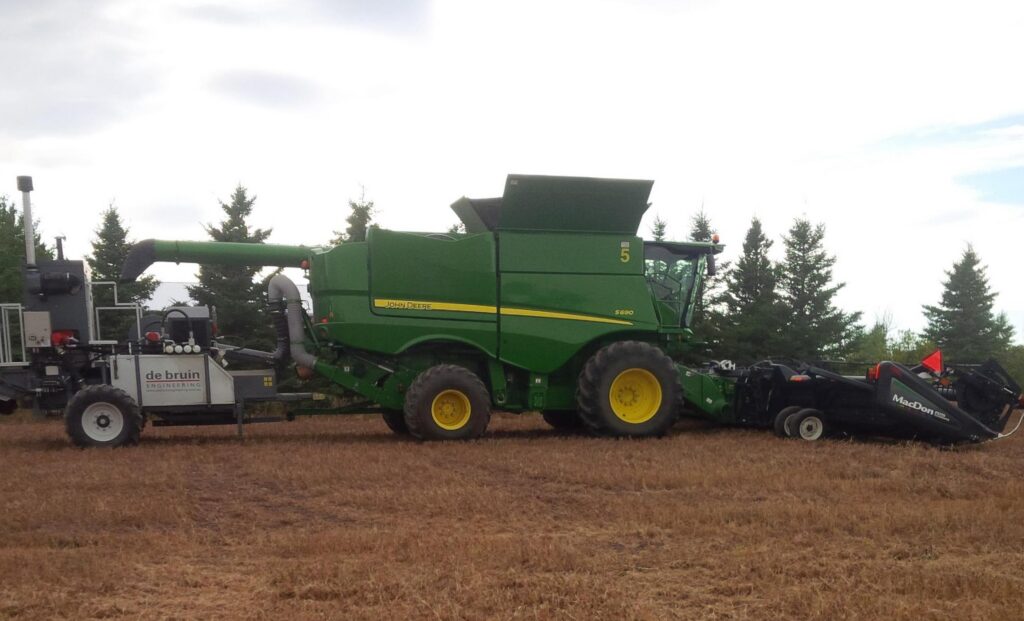
Tidemann’s research shows volunteer crops such as canola hold onto their seeds until harvest, and are great contenders for seed impact mills as a result. With seed impact mills, farmers can reduce their weed seedbanks over time, even if it takes multiple years.
Tidemann emphasizes that farmers still need to utilize pre-season and in-season weed control methods to keep volunteers in check between harvests. She also theorizes that controlling volunteers will only get easier as crop genetics improve to have better seed retention further into the season.
“For me, the management of volunteers is the cherry on top,” Tidemann says. “[With seed impact mills] you’re managing all of those really concerning weeds as your primary goal.”
Limitations and Recommendations
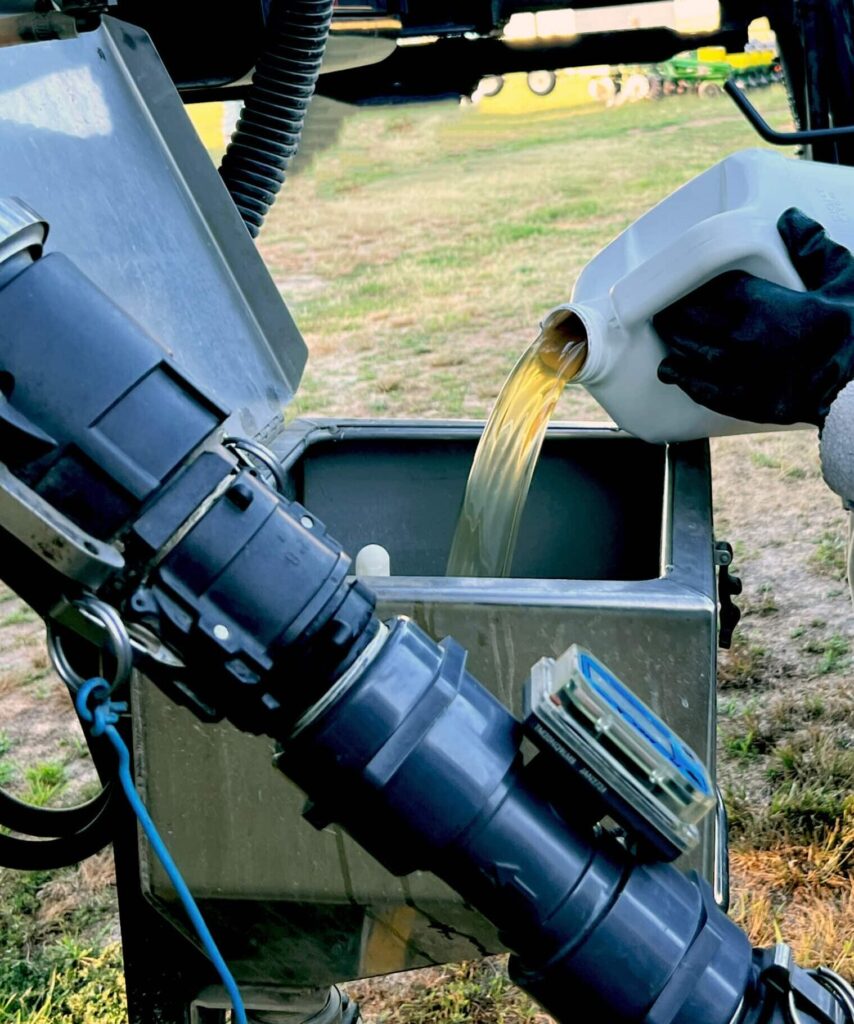
Schronk, Norgaard, and Tidemann report that there’s no real difference between using seed impact mills for weeds and volunteer crops, besides moisture and sap. Farmers might accidentally make their own seed oil if the impact mill pulverizes plants with too much moisture or too many sap-producing volunteers such as canola or sunflower. That moisture and oil creates a sticky mess that clogs impact mills.

Horsepower requirements and entry costs are the main barriers preventing farmers from testing this weed control method, Schronk and Norgaard note.
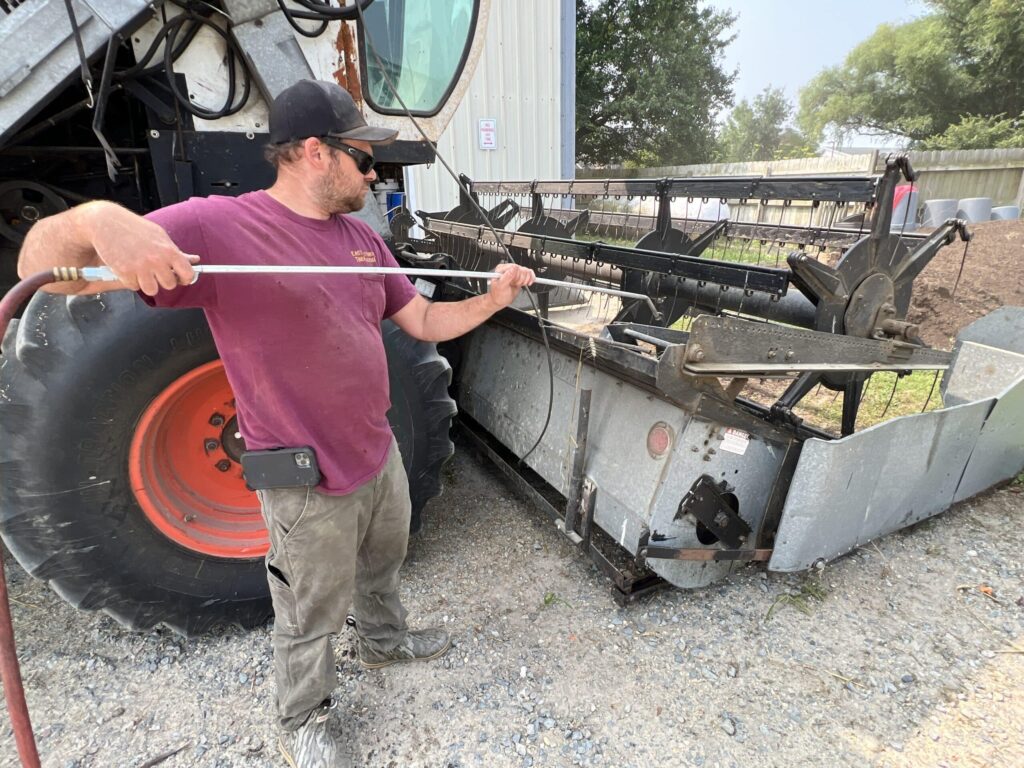
With the machine attached to his John Deere S670, Schronk estimates that the seed impact mill draws enough power to slow harvests down by 20%. Seed impact mills generally reduce a combine’s performance by one class, and it’s recommended to use this machinery on a Class 8 or larger combine.
“For those in organic productions or with no weed control options, [seed impact mills] are truly the best thing.”
ROdney schronk
The seed impact mill triggered an RPM alarm in Norgaard’s combine once, after he attempted to harvest a particularly moist patch of plants in his field. He had to clear some of the clogged green material out from the mill for the machine to function normally.
Farmers with a capable combine can expect a ballpark price tag of 70,000 dollars for a seed impact mill. Then they have to account for installation, insurance, maintenance, and increased fuel costs.
But Norgaard and Schronk are hopeful that impact mill engineers will topple the financial, horsepower, and even clogging barriers as they continue optimizing and commercializing the machines (Schronk reports that impact mill engineers are already addressing clogging issues due to sap production).
Tidemann and Schronk recommend that farmers fine-tune their combine operation to best accommodate the seed impact mill. Tailoring aspects like combine speed and steering will help ensure that farmers catch and pulverize as many seeds as possible.
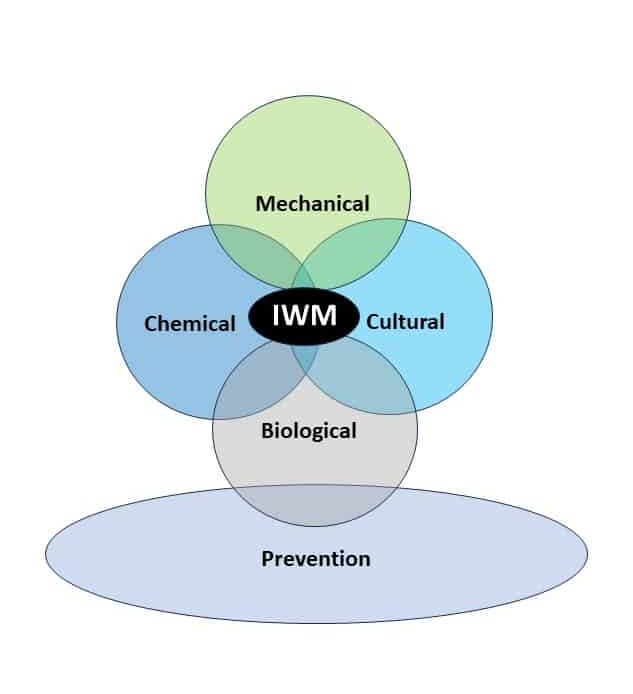
And seed impact mills don’t act alone. Farmers should use a variety of weed control tactics to keep yield-thieving weeds at bay throughout the season. Schronk favors occasional tillage and spraying multiple herbicide modes of action. Norgaard sticks to cultural practices such as a robust crop rotation in his certified organic production.
Seed impact mills, all say, are another up-and-coming tool in the weed control toolbox that can decimate those small grain volunteers.
Explore GROW’s website for in-depth information about seed impact mills and about harvest weed seed control.
Article by Amy Sullivan, GROW; Header photo by Claudio Rubione, GROW; Feature photo by Ole Norgaard, Montana.