Every sports star needs an assist sometimes, and Ohio State researchers are hoping chaff lining might play that role for your herbicide applications – by lining up weeds in tidy rows ahead of the sprayer!
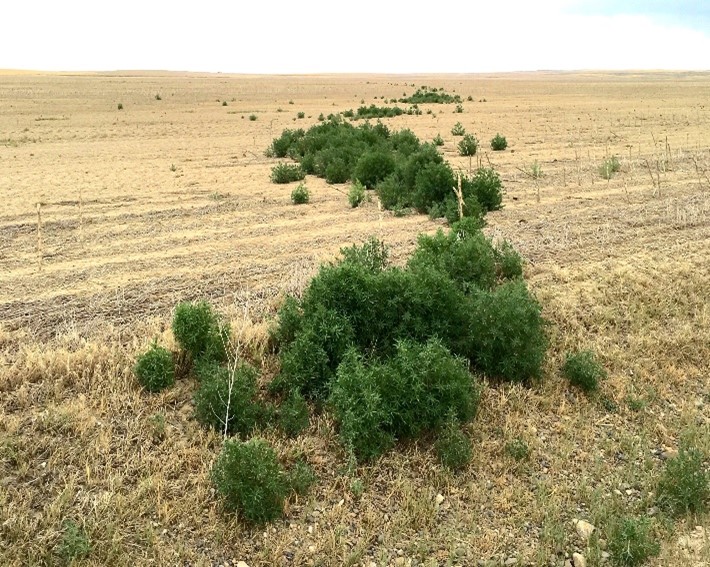
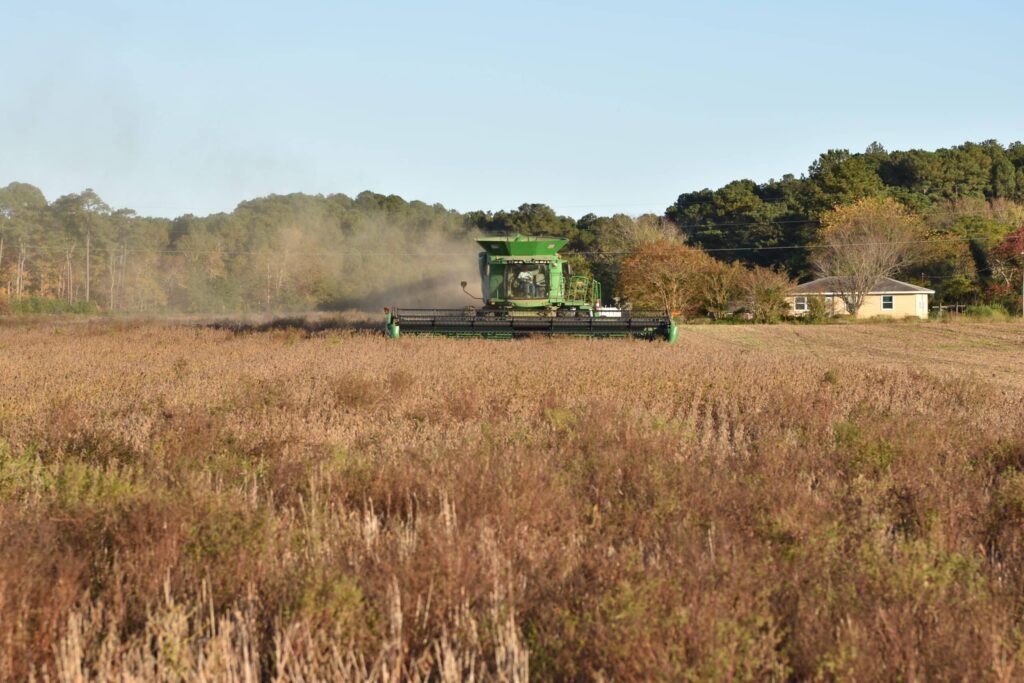
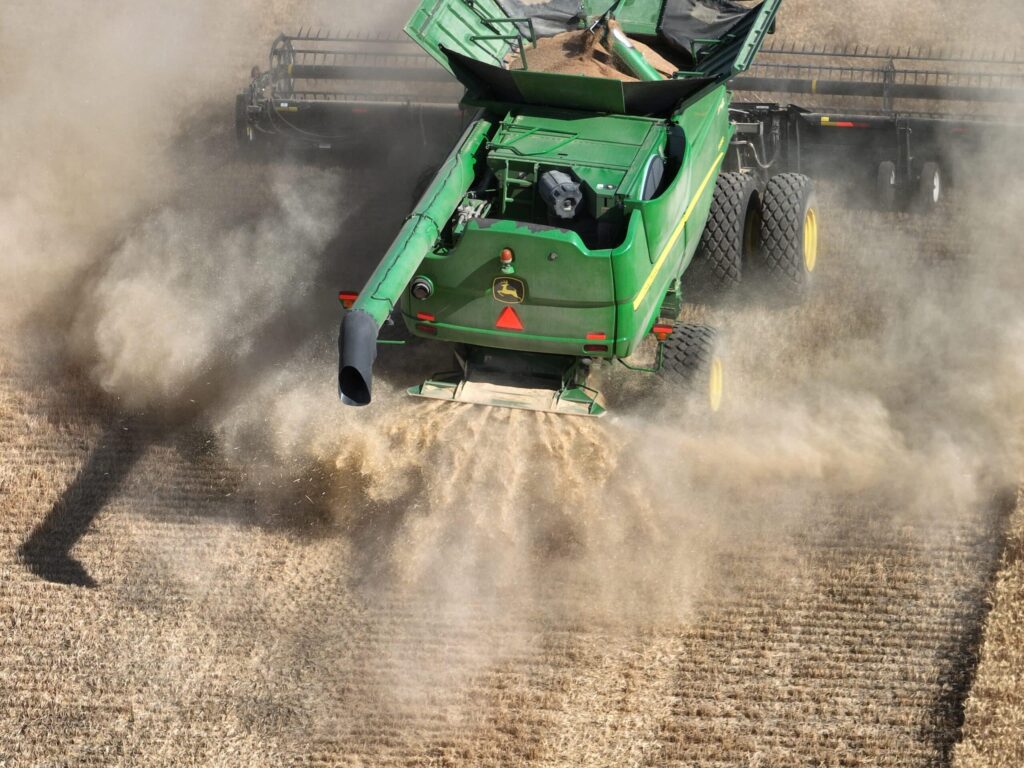
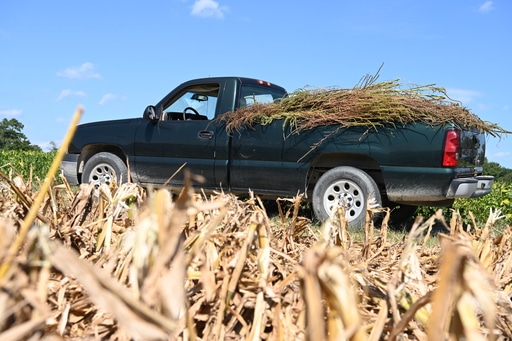
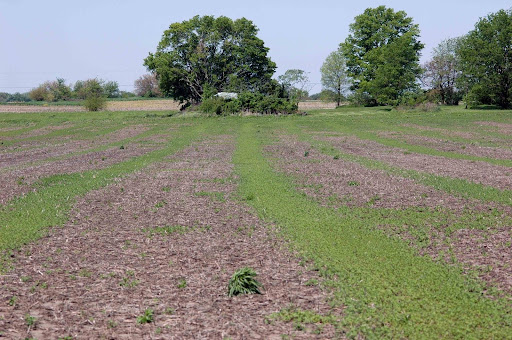
Chaff lining is an inexpensive, do-it-yourself form of harvest weed seed control. A chute attached to the back of the combine funnels chaff residue (and weed seeds) into narrow rows across the field, where they are easier to manage and face more hostile growing conditions.
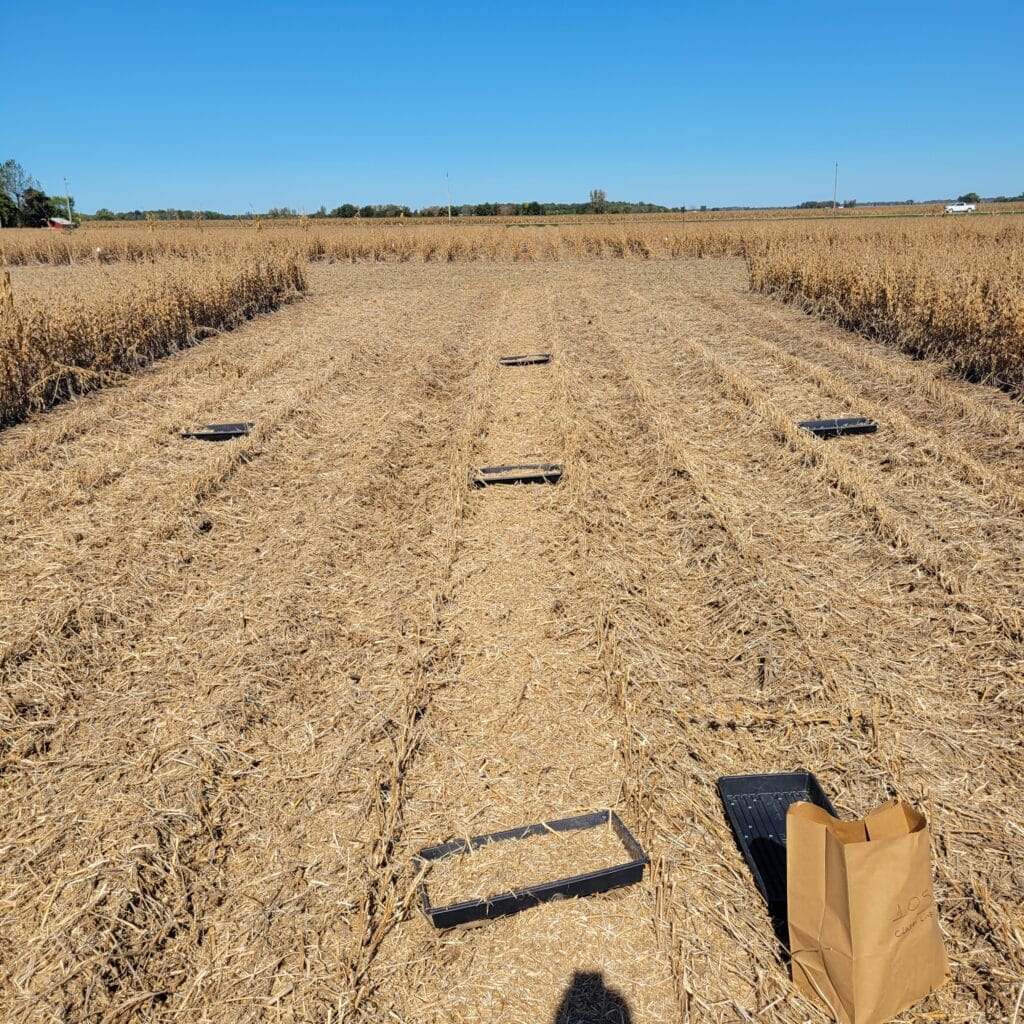
“We know other states have done chaff lining and had success with it, but can we make it fit with our specific [cropping] systems?” asked Amber Emmons, an Ohio State graduate student and water quality Extension associate. The scientists have pegged troublesome Ohio weeds such as giant ragweed and waterhemp as good candidates for this emerging weed control tactic.
Funded by the Ohio Soybean Council, this research is entering its second year, and has so far cemented that farmers should spray a rigorous pre and postemergence herbicide program to suppress weeds and save their yields. Chaff lining could then trap any remaining weeds and weed seeds in rows throughout the field during harvest and potentially even suppress their germination if enough chaff is present.
“You make this relatively cheap and simple modification to your combine and you stop exacerbating the [weed] problem,” says Dr. Eugene Law, Assistant Professor of Weed Ecology in OSU’s Department of Horticulture and Crop Science says. “You might even give yourself more opportunity to reduce the problem.”
What is Chaff Lining?
Chaff lining chutes ultimately keep weed seeds from spreading across the field as combines blow out chaff during harvest, Law explains. Past research has shown this process can concentrate 95% of weed seeds like waterhemp into just 5% of a field. Farmers could even pair chaff lining with target sprayers to concentrate weeds into specific areas, and then treat only the emerged weeds in those areas with herbicides.
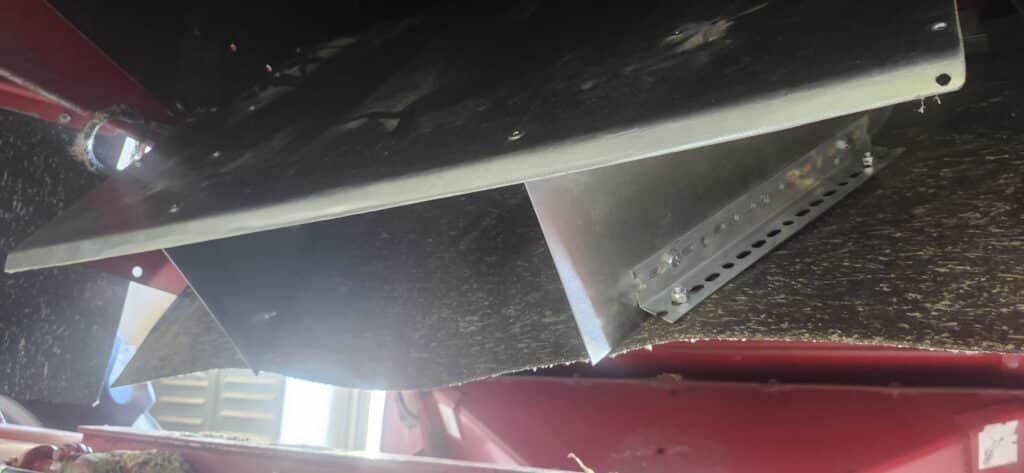
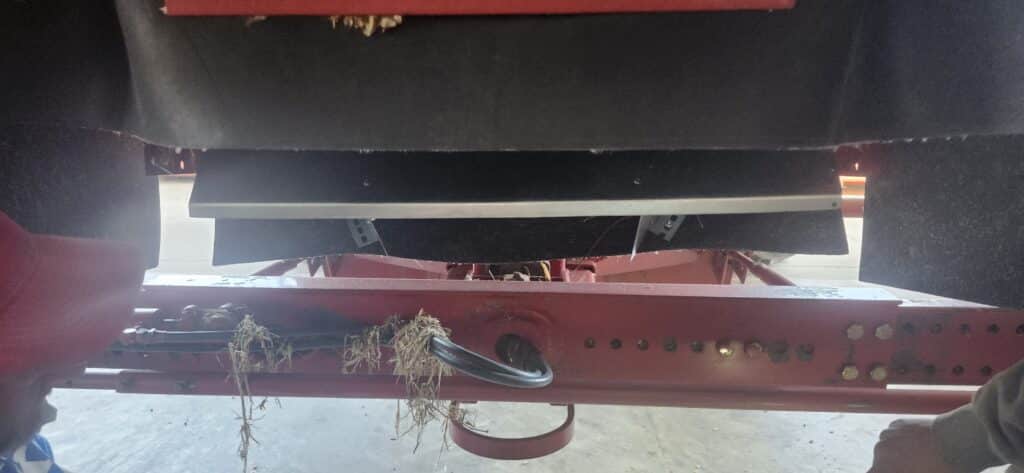
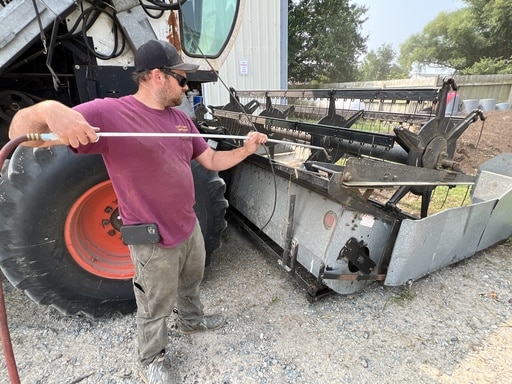
Farmers can make chaff lining chutes with materials they have on hand, or with materials they bought (usually for $500 to $1,000). Farmers can also purchase chaff lining chute kits. The Ohio State research chute was handmade, and cost less than $200, because they had so many materials already on hand, the scientists note.
Despite chaff lining’s low cost and simplicity, Law reports that Ohio farmers have shown more interest in seed impact mills. These impact mills are another form of harvest weed seed control that go a step further and actually pulverize weed seeds in the chaff as they exit the combine. But seed impact mills come with their own tradeoffs: Purchase costs for an impact mill begin at $70,000, and the units can impact combine performance.
Law suspects that there are a few reasons why Ohio farmers aren’t as interested in chaff lining as they are seed impact mills. Mainly, chaff lining won’t give farmers the immediate weed seedbank reduction that a seed impact mill might provide. The chaff lines only concentrate weed seeds within a field, and farmers must later treat the chaff lining rows when weeds emerge. As a result, less data is available on how chaff lines impact the weed seedbank, especially when compared to seed impact mills, which have been shown to drastically reduce waterhemp seed viability. Law also notes that farmers are likely hesitant to make any DIY modifications to one of their priciest and most essential pieces of farm equipment.
Researchers Aim to Prove Chaff Lining’s Value in Ohio
Emmons and Law hope that their research will provide Ohio farmers with more data on how effective chaff lining might be against Ohio’s worst weeds.
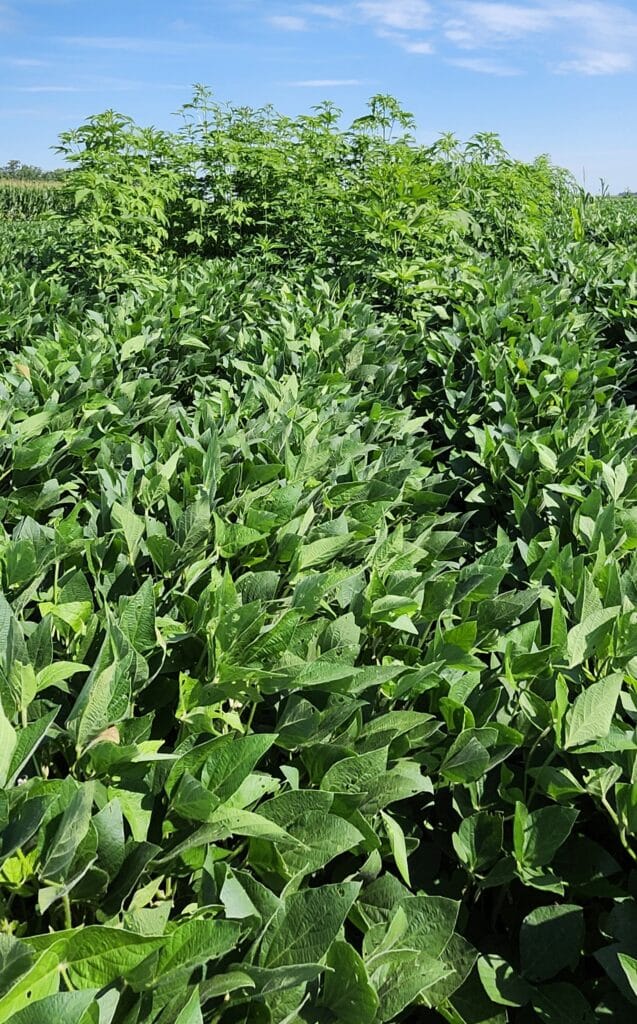
Their research has revealed that preemergence herbicides alone won’t keep weeds down throughout the season. Instead, farmers should spray a rigorous pre and postemergence herbicide program to kill weeds and save their yields. And with chaff lining, any weeds that slip through the cracks of that weed control regime can be captured by the combine and neatly deposited in a chaff line at harvest.
During their first harvest of chaff lining, researchers were surprised to discover that the chaff residue was only slightly more concentrated behind the combine when compared to no chaff chute. They suspect that the chaff lining did concentrate weed seeds more than a normal harvest, however, because – with no chute in place – a combine can blow the lightweight seeds farther out than the heavier chaff.
The pair are further investigating that dynamic, and have also started studying weed seed survival and germination in different chaff densities.
“We’re trying to see if there’s an amount of chaff needed to suppress certain weeds,” Emmons explains.
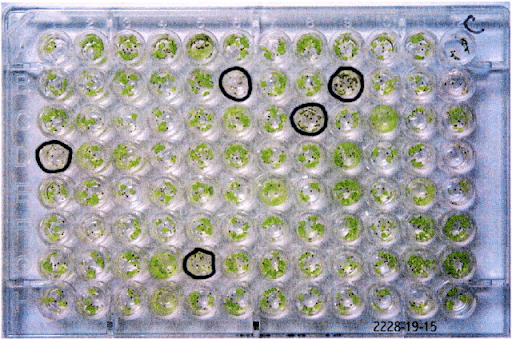
Early findings indicate that having only a little chaff can actually insulate and protect the weed seeds, but having a lot of chaff can reduce weed seed germination in certain species, such as waterhemp.
However, the large chaff amounts needed for maximum weed control aren’t always attainable, since it requires large, high yielding soybean plants, Emmons notes. For example, reducing waterhemp emergence by 90% required a chaff density equivalent to a 100-bushel per acre (bpa) soybean harvest. But the researchers note that Ohio farmers with more average soybean chaff densities (around 50-bpa harvests) are likely still reducing their weed seed germination and weed seedbank over time, all with a relatively inexpensive DIY contraption.
“[Chaff lining is] a small tweak that provides an accelerating impact on your weed seedbank,” Law explains.
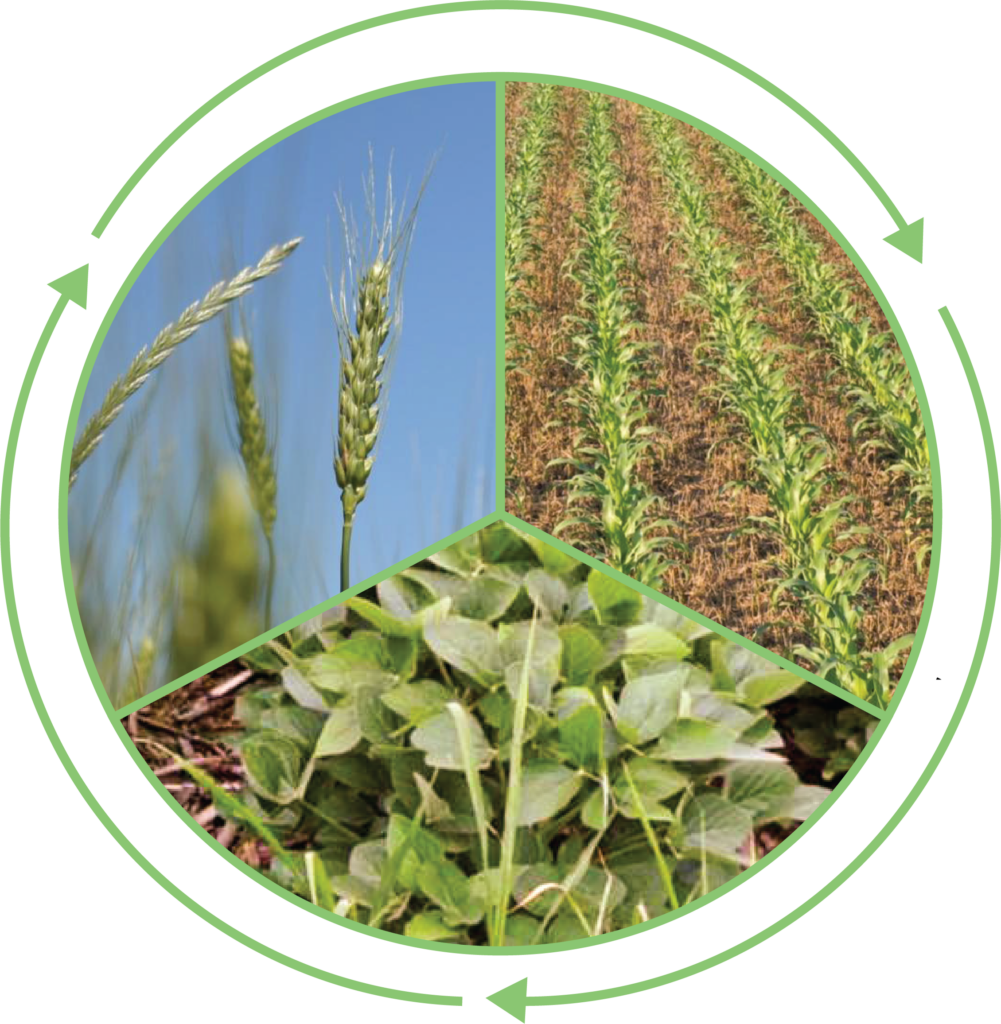
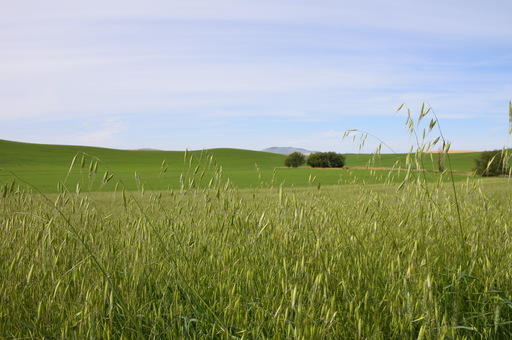
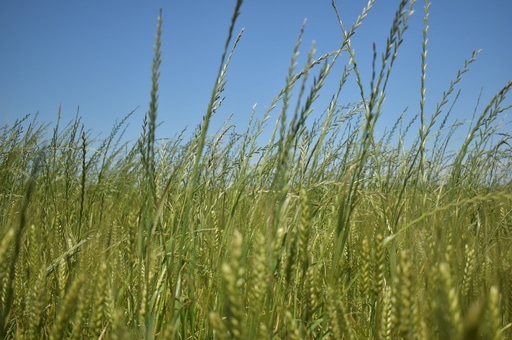
Emmons and Law have now included corn fields in their experiment to collect data on more weed species, such as foxtails, marestail, and barnyardgrass. And chaff lining might even prove itself handy against Ohio’s newest troublesome weed: Italian ryegrass.
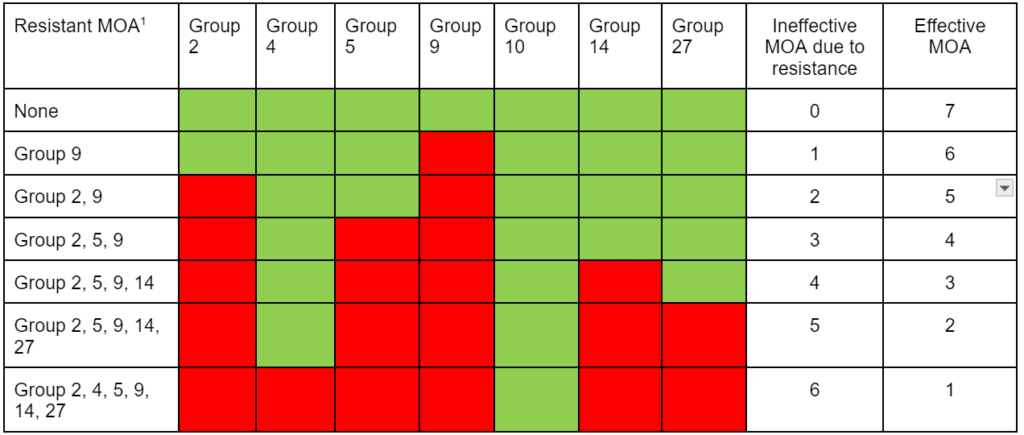
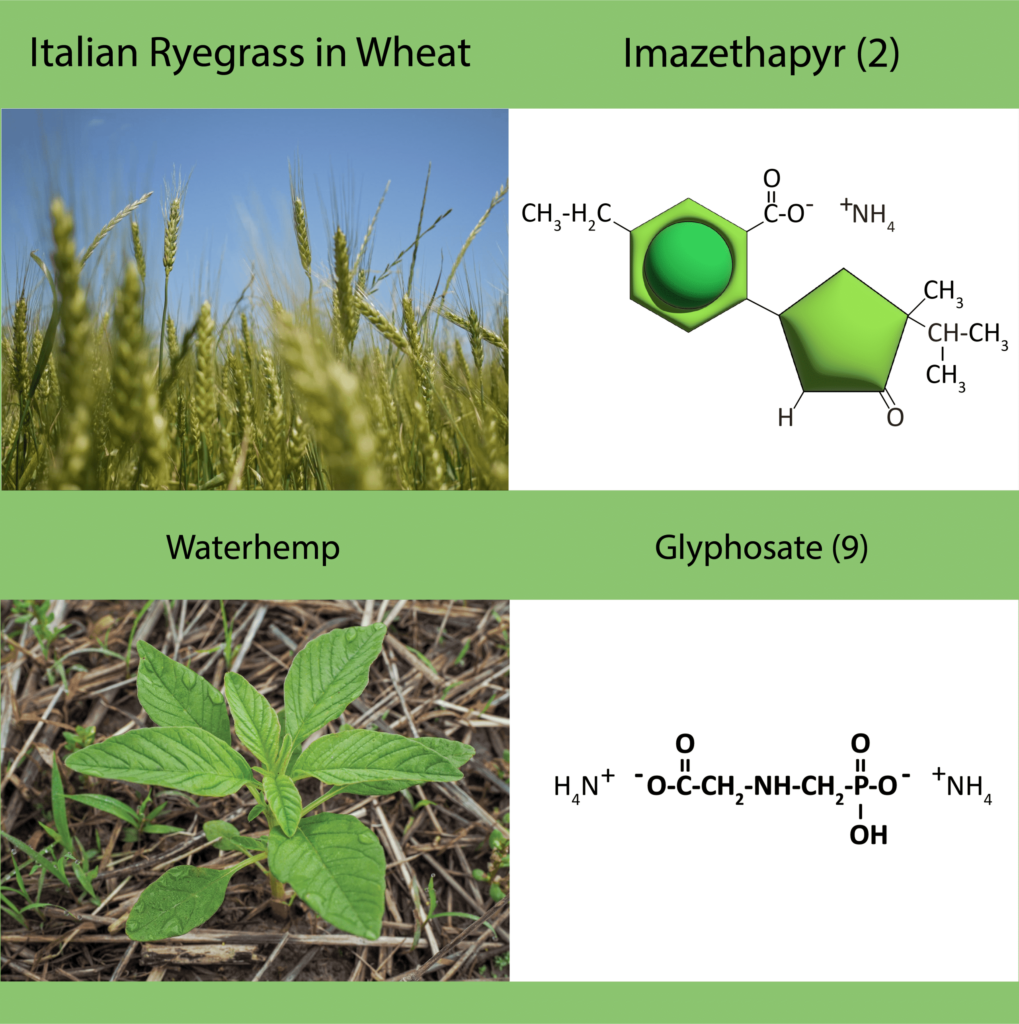
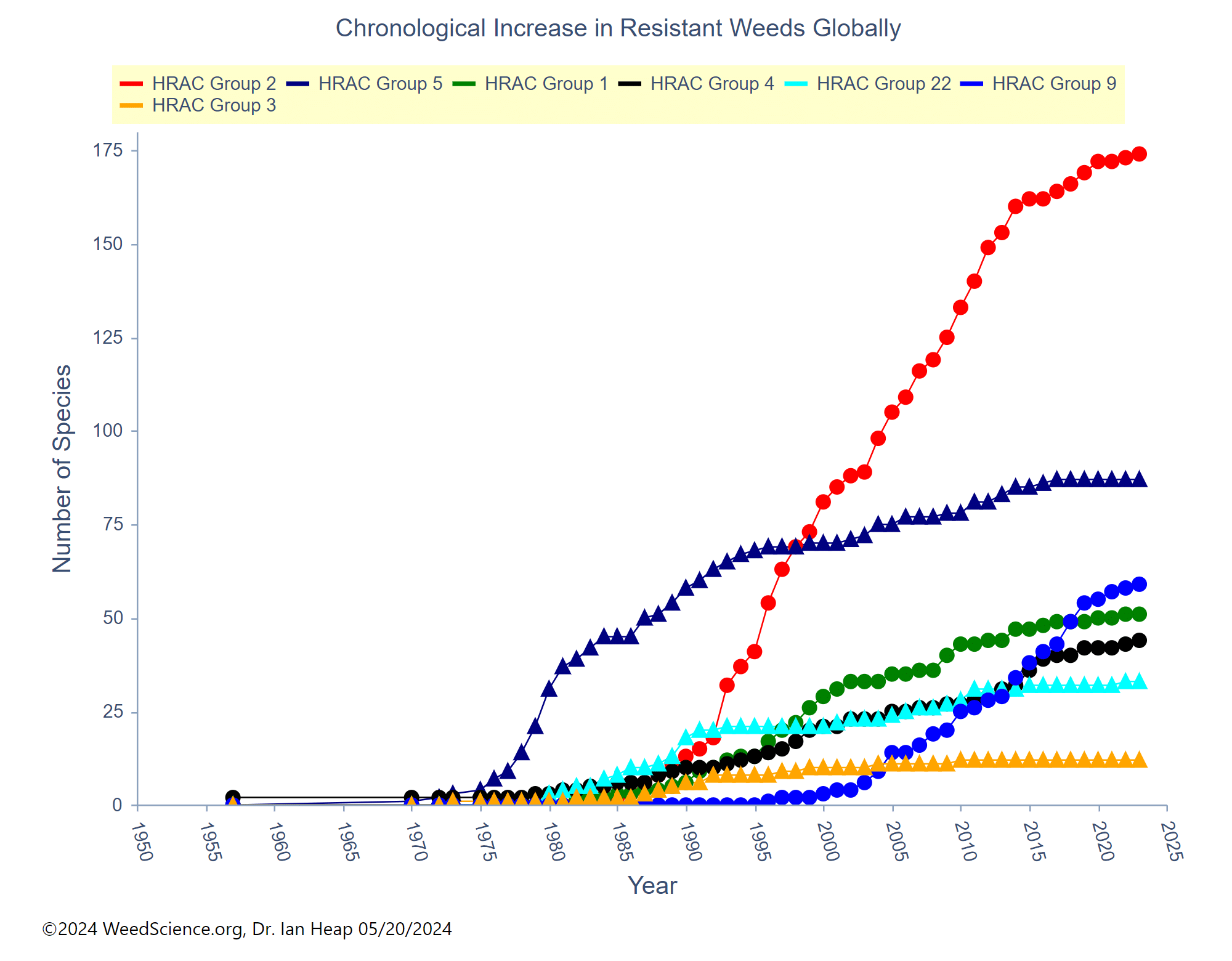
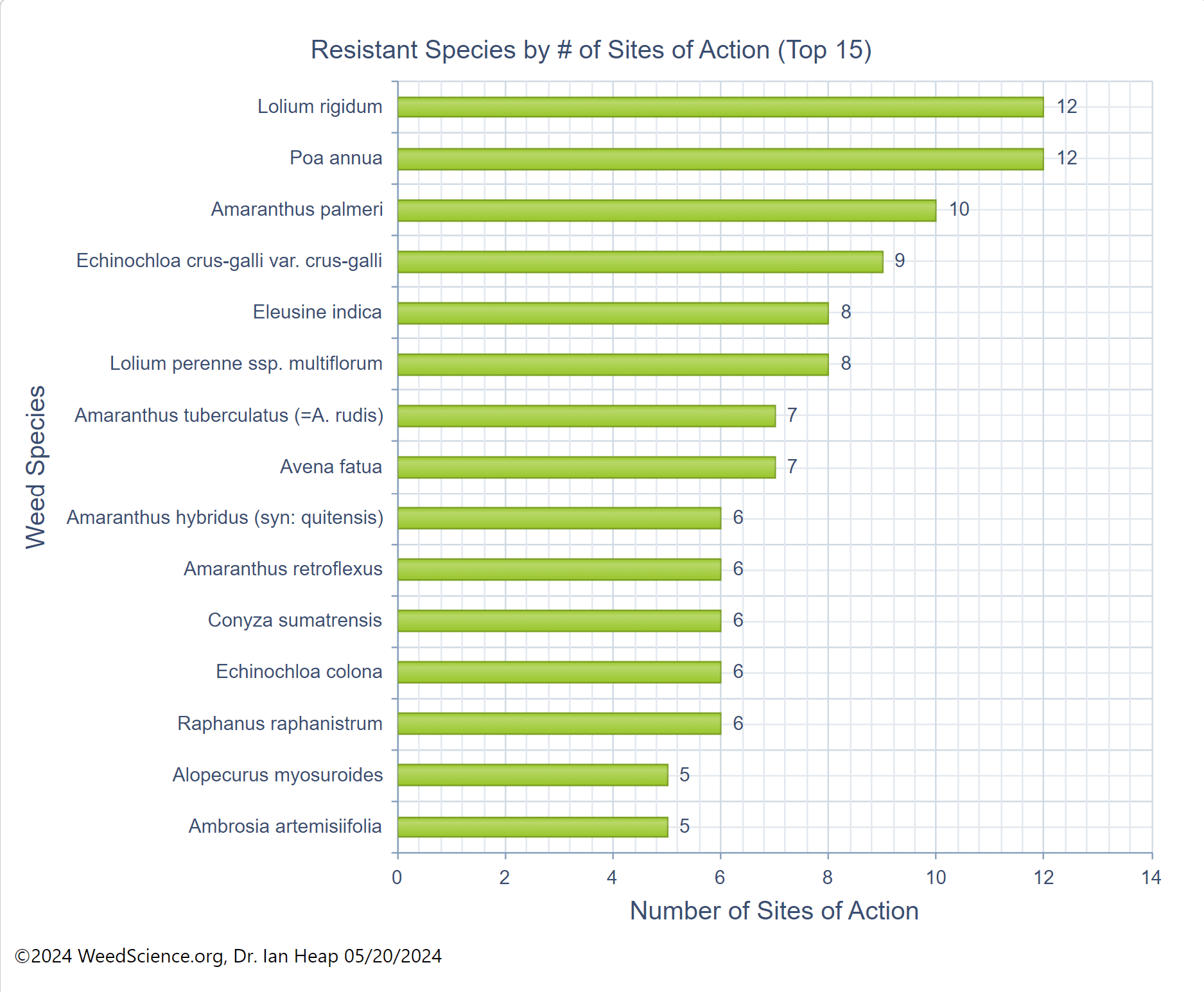
Emmons and Law report that Ohio farmers are anxiously seeking ways to get rid of Italian ryegrass – which is resistant to as many as seven herbicide modes of action – before it spreads throughout the state. Law theorizes that chaff lining could be useful against Italian ryegrass in wheat cropping systems since harvest occurs before the ryegrass seed drops to the soil. Italian ryegrass seeds have often dropped by the time soybean and corn harvest rolls around, which likely makes chaff lining less effective against this weed in these two crops.
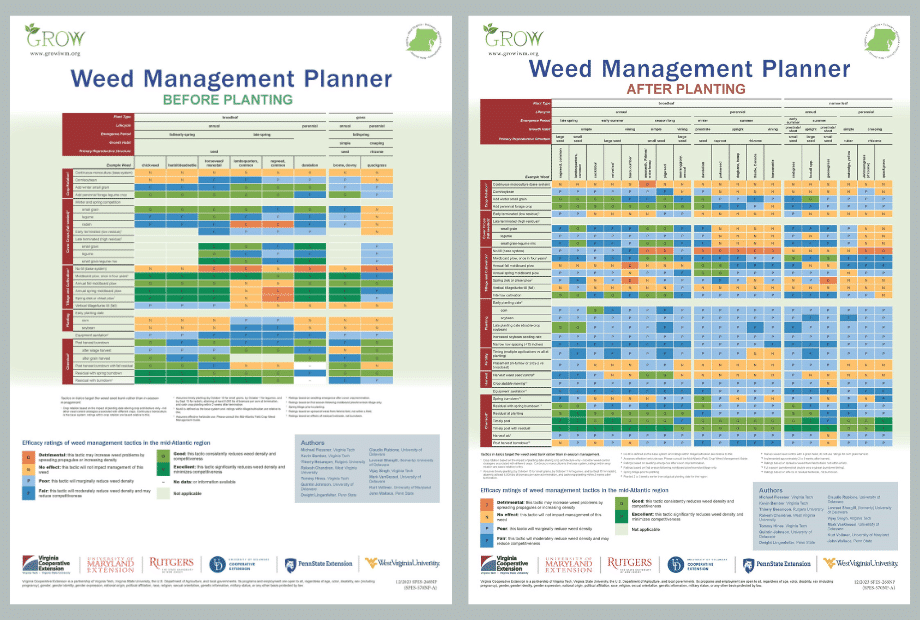
Explore GROW’s website for more information on harvest weed seed control, chaff lining, and seed impact mills.
Article by Amy Sullivan, GROW; Feature photo by Amber Emmons, Ohio State; Header photo by Claudio Rubione, GROW.