Weed scientists from coast to coast are reporting that Palmer amaranth continues to spread and evolve resistance to herbicides. Now, the Pacific Northwest (PNW) is battling glyphosate resistance while atrazine resistance has appeared in the Northeast, according to the University of Idaho’s Dr. Albert Adjesiwor and Rutgers’ Dr. Thierry Besançon.
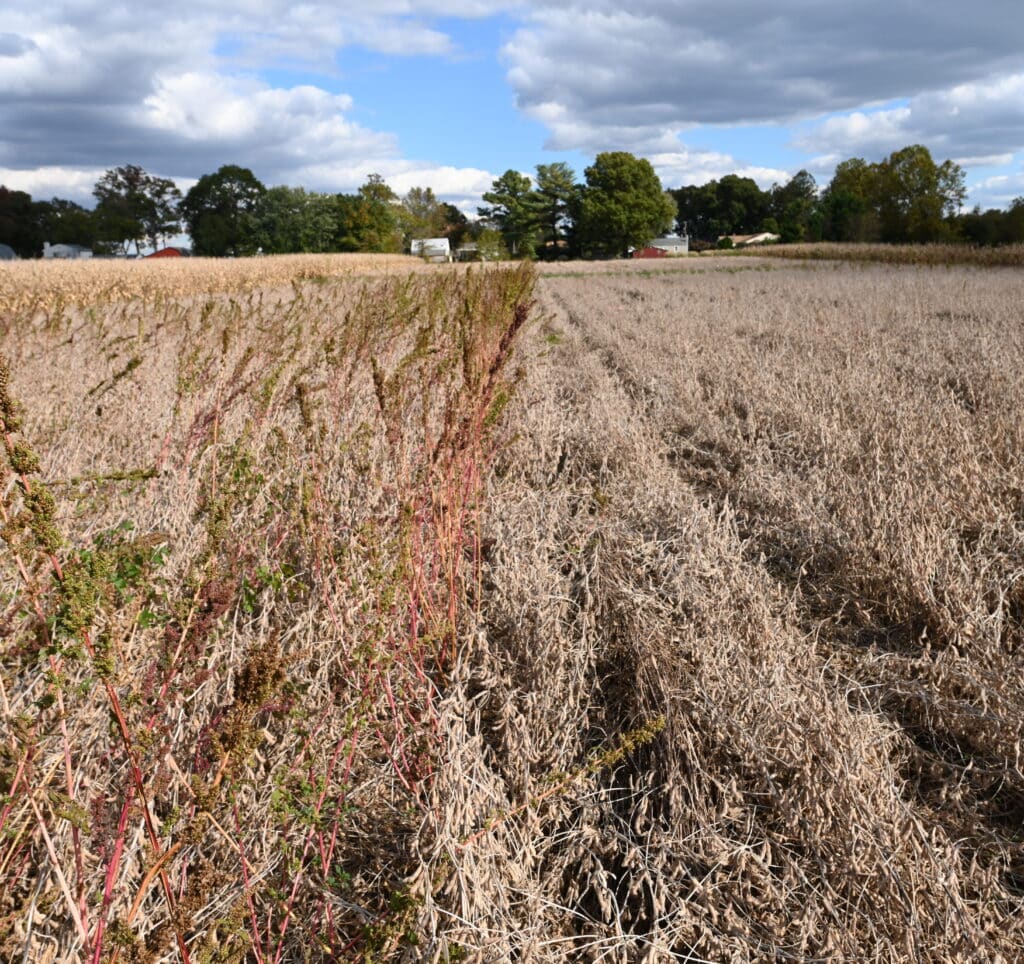
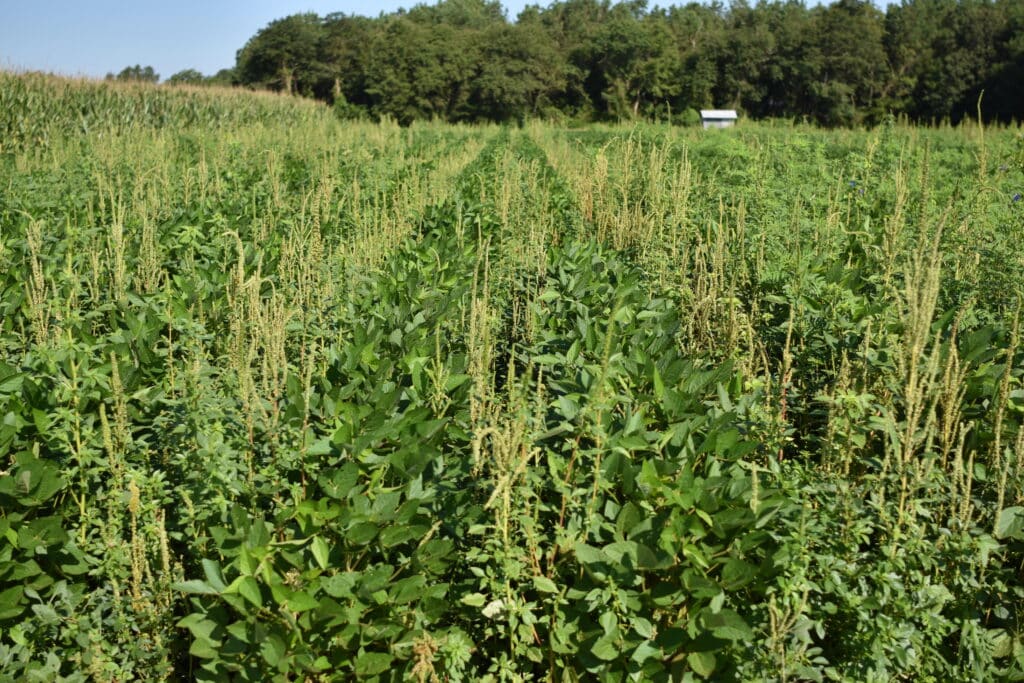
The discoveries are grim news for farmers in both regions. Palmer amaranth grows up to three inches a day, produces up to half a million seeds per female plant, and can decimate yields up to 95%. And its growing number of herbicide-resistance traits means that this weed is becoming more uncontrollable each year.
Weedy Background
Palmer amaranth hasn’t always plagued fields nationwide. It was once a weed kept well within the Southwest U.S. But agricultural seed shipments around the country transformed this once-regional plant into a weed that dominates entire fields and regions.
As early as the 1910s, states such as Virginia reported Palmer amaranth. This weed has since taken over the South, Northeast, Midwest, and is now creeping into the Great Plains and Pacific Northwest. Noxious weed specialists recently confirmed the second-ever Palmer amaranth population in Washington state, which arrived via birdseed.
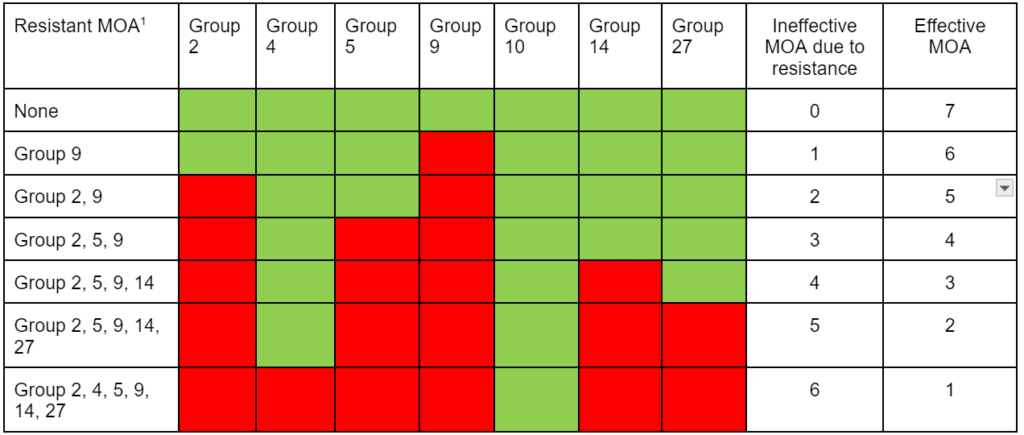
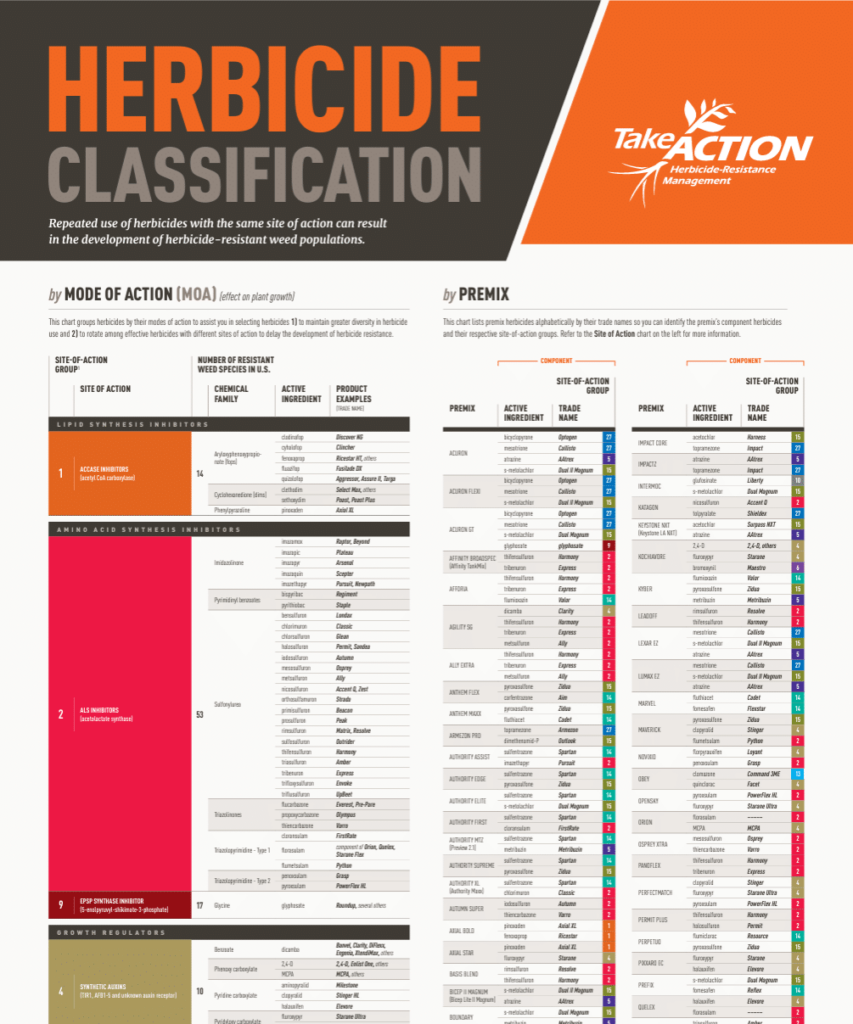
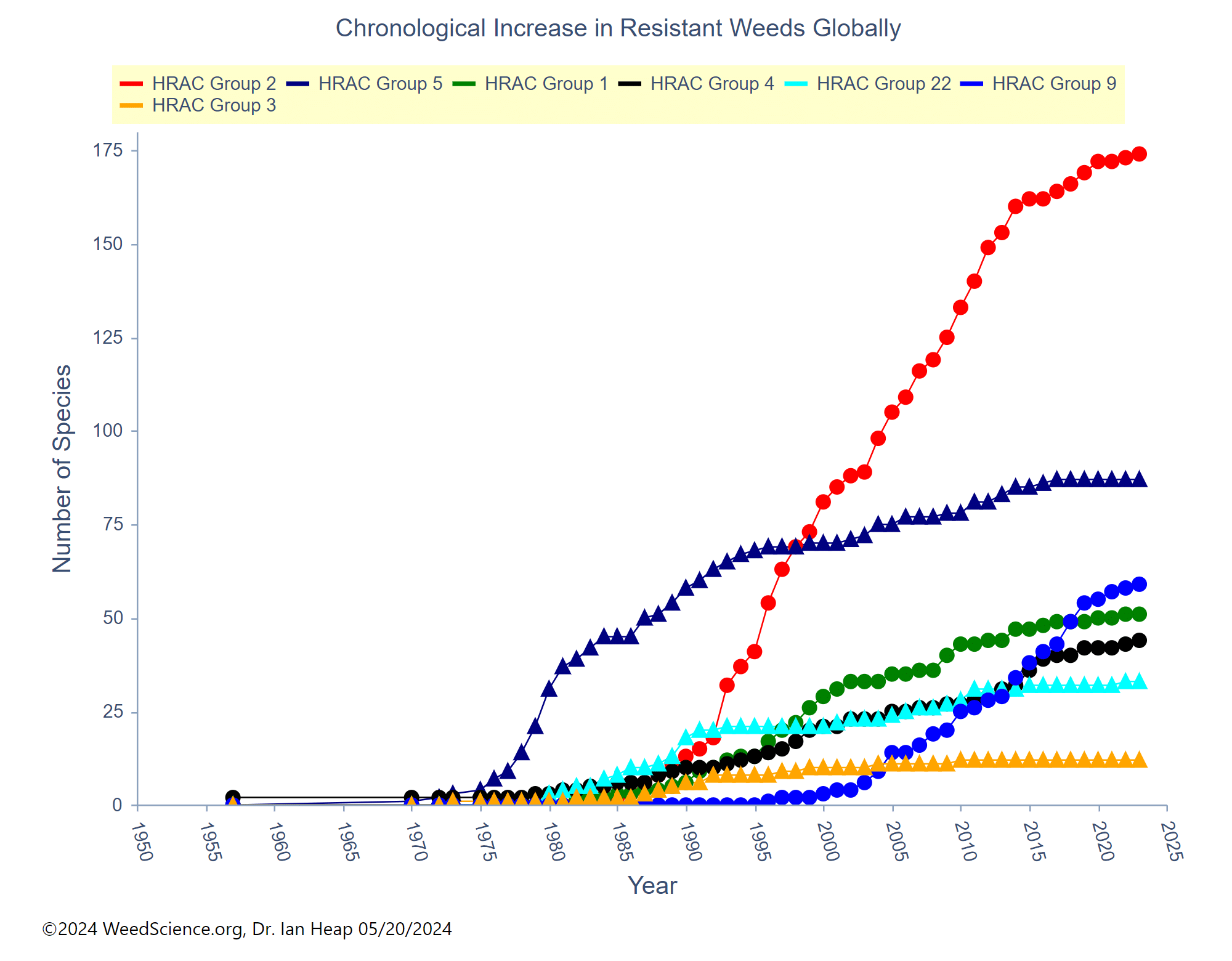
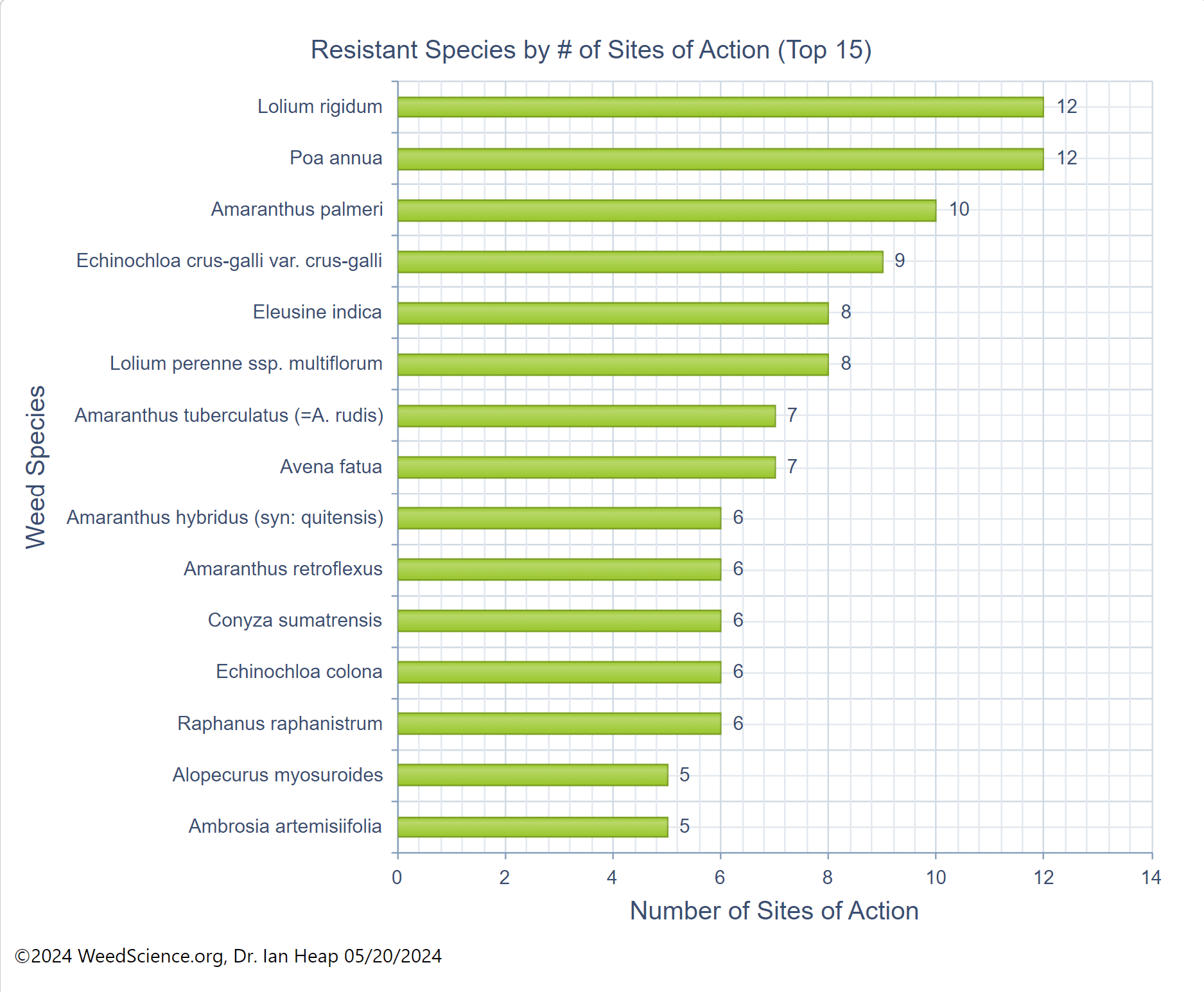
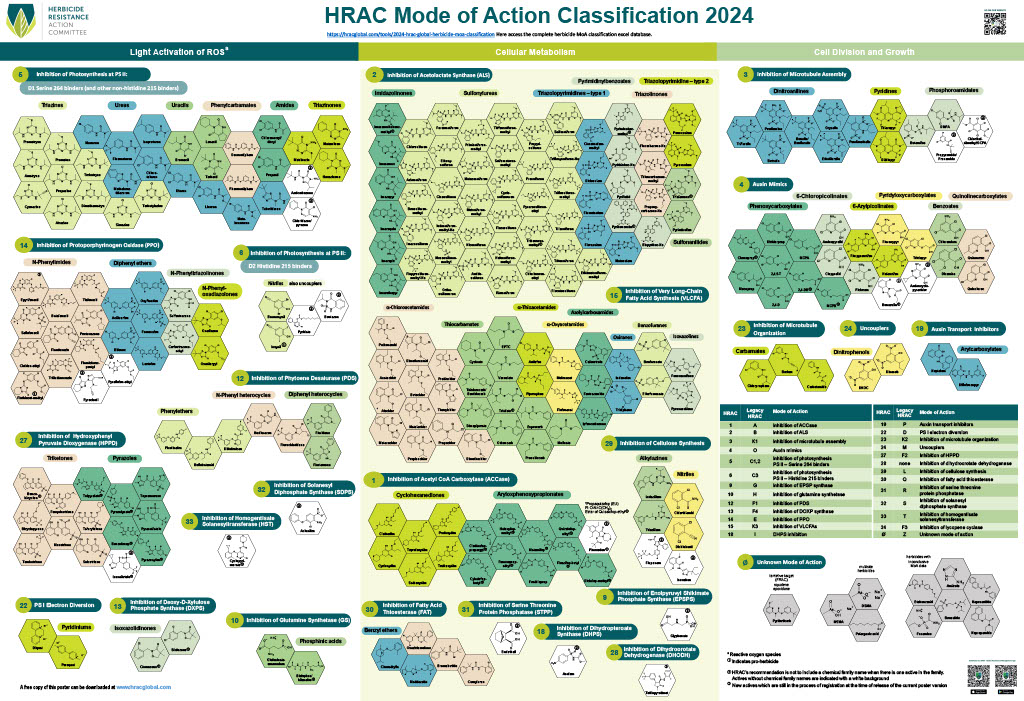
Farmers have fought Palmer amaranth with herbicides for decades. Now, this weed has confirmed resistance to at least eight herbicide modes of action across the United States, with some populations resistant to as many as six different modes of action at once.
Glyphosate Resistance in the Pacific Northwest
Glyphosate-resistant Palmer amaranth was first discovered in 2004 in Georgia and has since taken over the South. But Palmer amaranth is a recent PNW invader, and farmers are discovering glyphosate-resistant Palmer amaranth for the first time.
Dr. Albert Adjesiwor’s first run-in with Idaho populations of Palmer amaranth was in 2022. Adjesiwor had previously worked with Palmer amaranth in Wyoming, and he wanted to outrun any Idaho outbreak by coordinating with other weed scientists (Dr. Joel Felix, Oregon State University, and Clarke Alder, Betaseed), to host educational outreach meetings on Palmer amaranth and the risks it posed to Idaho farms.
But after the meetings, Adjesiwor started getting calls. Palmer amaranth, meeting attendees realized, had been in the state for a couple of years. People can confuse Palmer amaranth with other pigweeds, such as Powell amaranth, Adjesiwor notes.
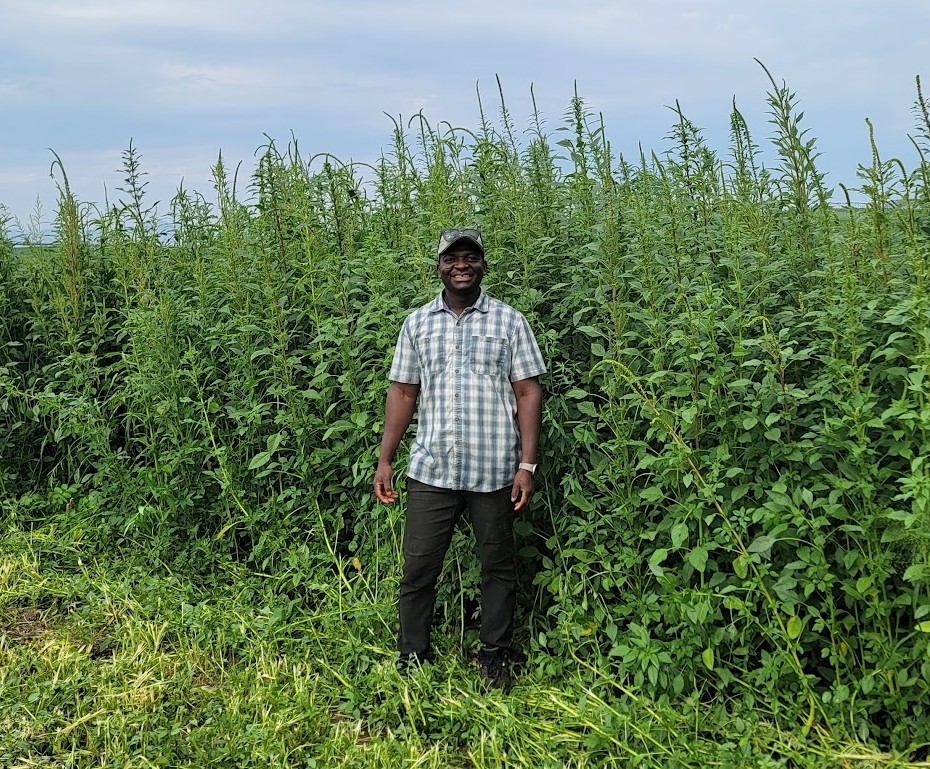
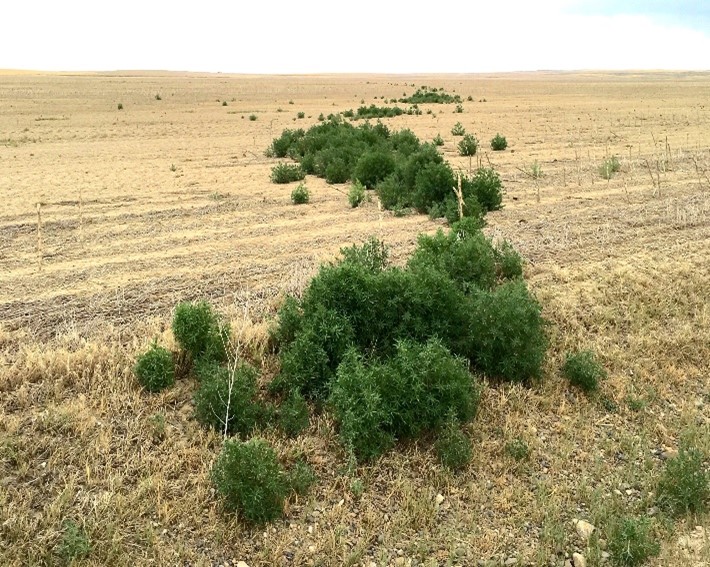
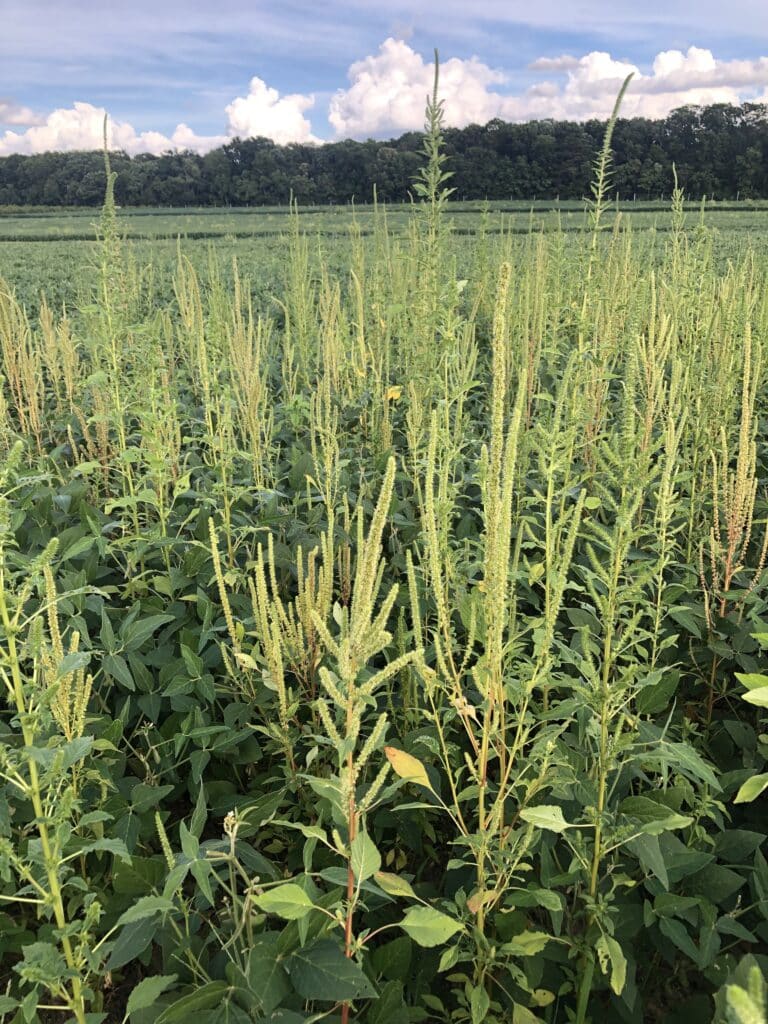
Dr. Albert Adjesiwor stands in front of a dense Palmer amaranth population in Idaho. (Photo credit: University of Idaho)
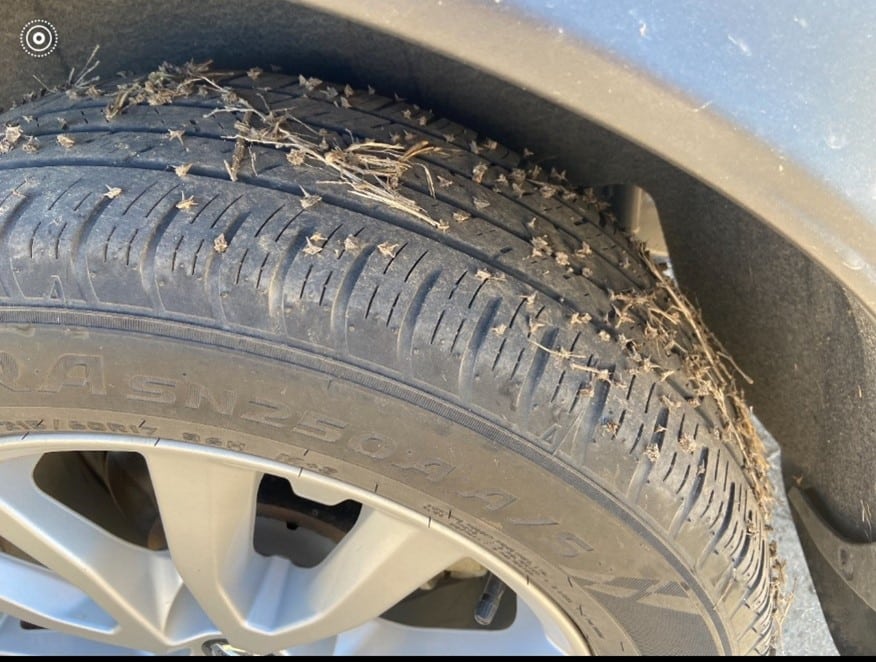
The first confirmed Palmer amaranth population in Idaho came from a meeting attendee who used Palmer amaranth-contaminated birdfeed to feed his racing pigeons, Adjesiwor reports. He has since pinpointed birdseed, cottonseed mills, dairy farms, and contaminated farm equipment as Palmer amaranth super spreaders in the state.
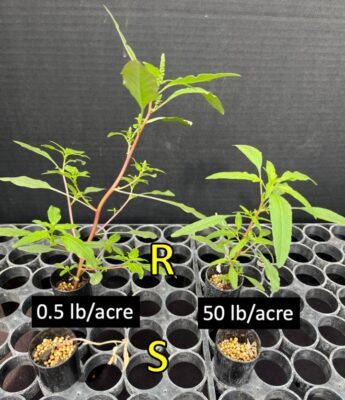
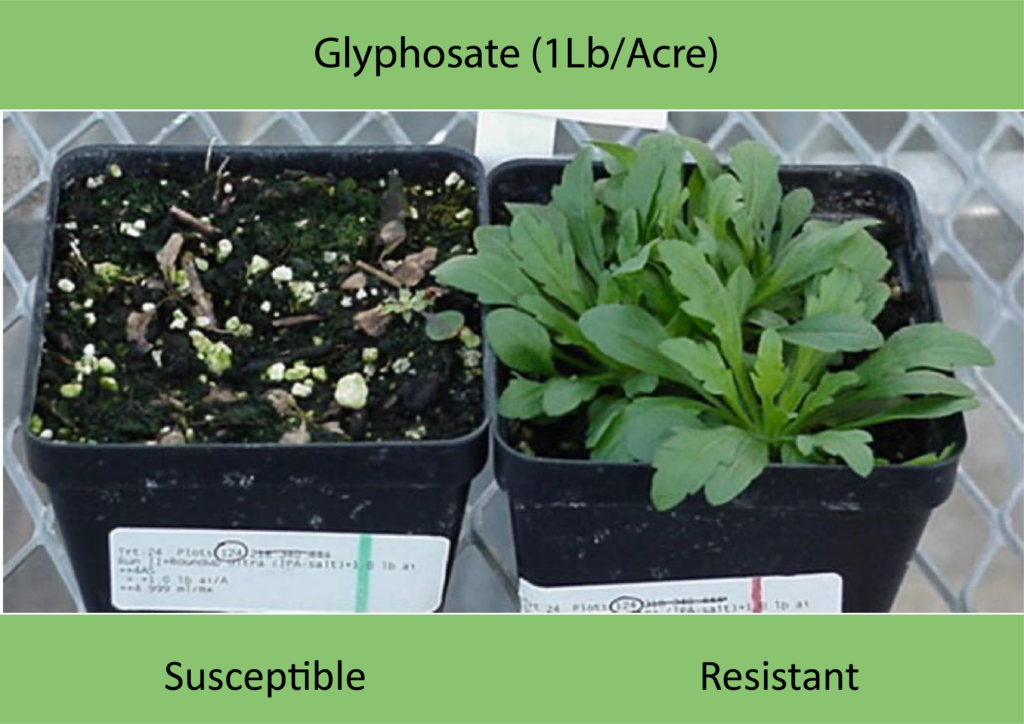
Worse yet, of Idaho’s 154 Palmer amaranth populations, over 70% are resistant to glyphosate, Adjesiwor recently found. The findings aren’t ideal for Idaho farmers who tend to grow RoundUp Ready silage corn, sugarbeet, and alfalfa, Adjesiwor says.
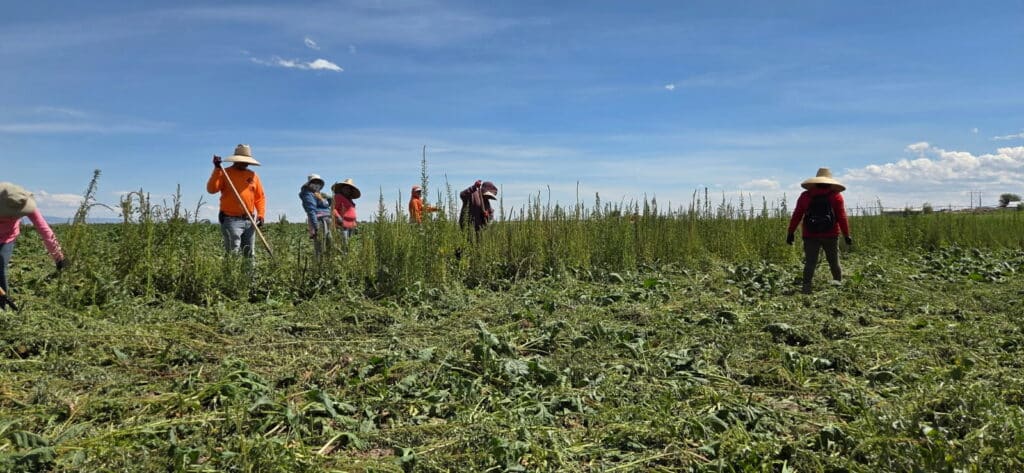
But Idaho farmers are trying to combat Palmer amaranth proactively in their fields. Soil residual herbicides have become popular as an early-season weed control tactic, and farmers are utilizing diverse crop rotations, small grain cover crops, weed electrocution, and hand-weeding crews, Adjesiwor reports. Glyphosate-resistant Palmer amaranth might be new to Idaho, but Idaho farmers and weed scientists are acting based on the hard-earned lessons from other states that manage herbicide-resistant Palmer amaranth, Adjesiwor notes.
“Most of the country has experienced Palmer amaranth already, so we know the things that work and the things that may not work,” Adjesiwor says.
And Adjesiwor stresses that glyphosate-resistant Palmer isn’t the only problem in Idaho farmers’ fields. Farmers need to choose a herbicide and weed management program that combats all weeds (and their types of herbicide resistance).
“Farmers are taking [Palmer amaranth] seriously because we also have glyphosate-resistant common lambsquarters and kochia, so it makes management decisions awfully complicated,” Adjesiwor notes. Waterhemp is another up-and-coming weed in the PNW that farmers must control to maintain yields.
Atrazine Resistance in the Northeast
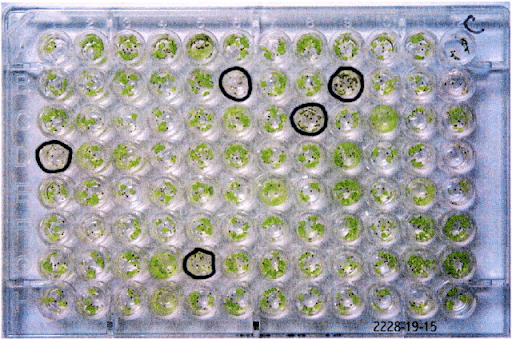
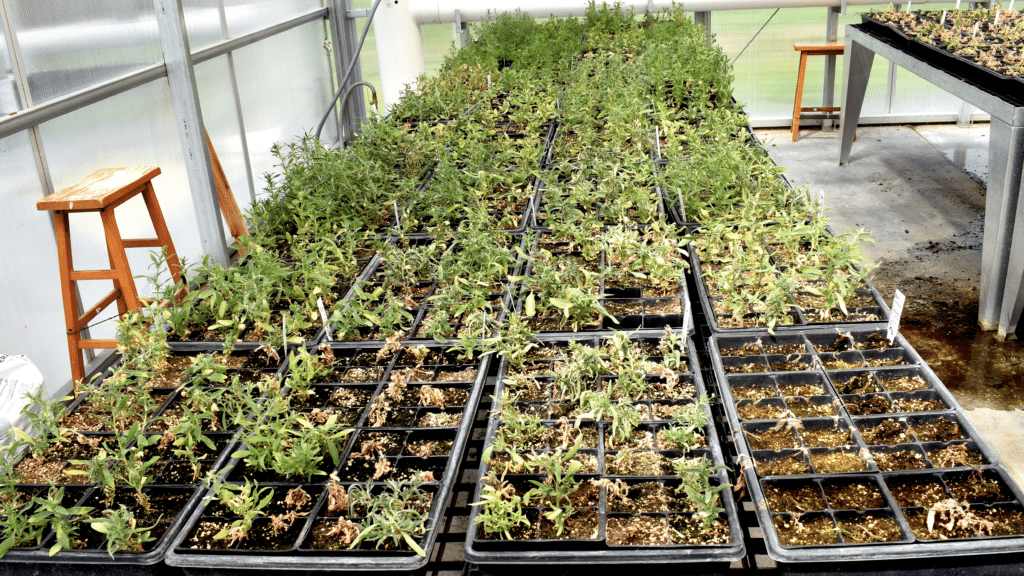
While Adjesiwor grapples with glyphosate-resistant Palmer amaranth in the PNW, atrazine-resistant Palmer amaranth is creeping up in the Northeast. In a study that examined four New York Palmer amaranth populations, Besançon, Cornell’s Dr. Lynn Sosnoskie, Penn State’s Dr. Caio Brunharo, and the USDA’s Dr. James Polashock discovered two populations were resistant to 31X and 42X the typical atrazine rate. Those resistant populations come from two different corn farms, in two different New York counties.
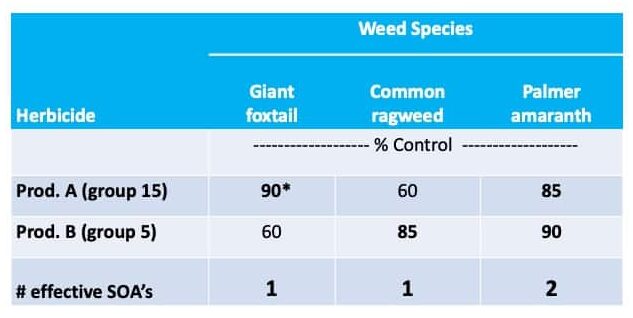
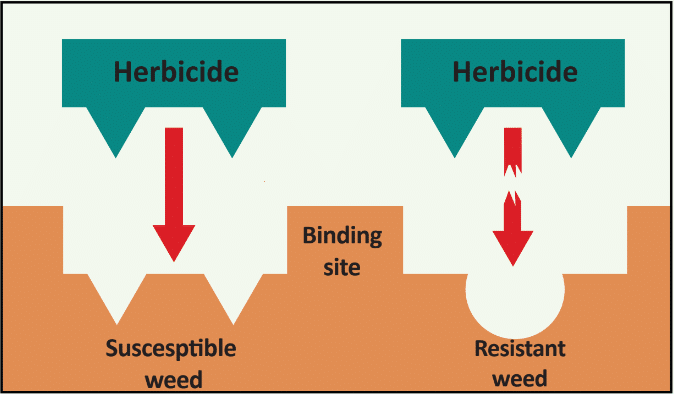
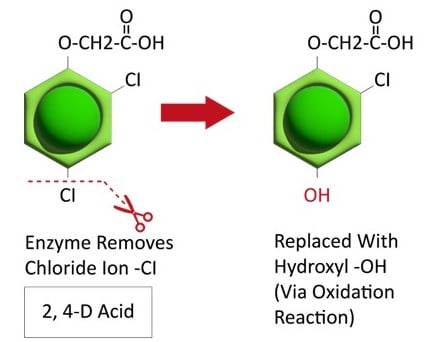
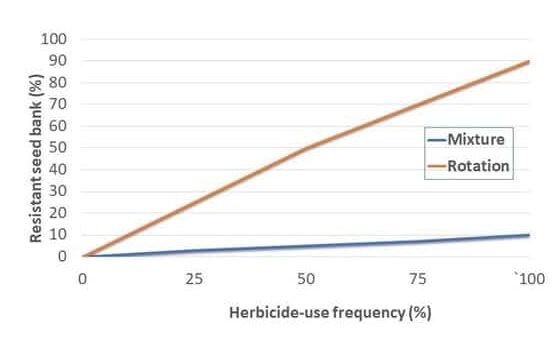
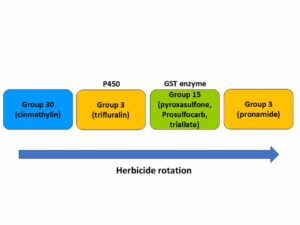
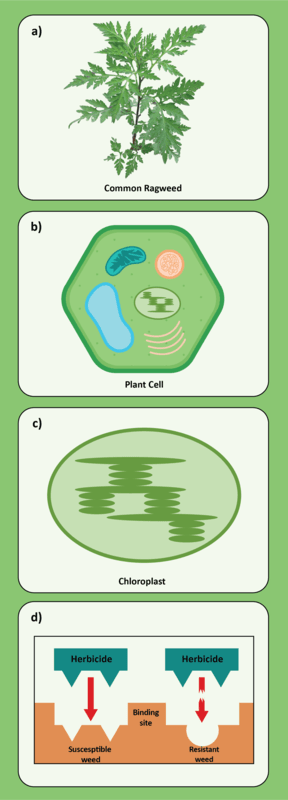
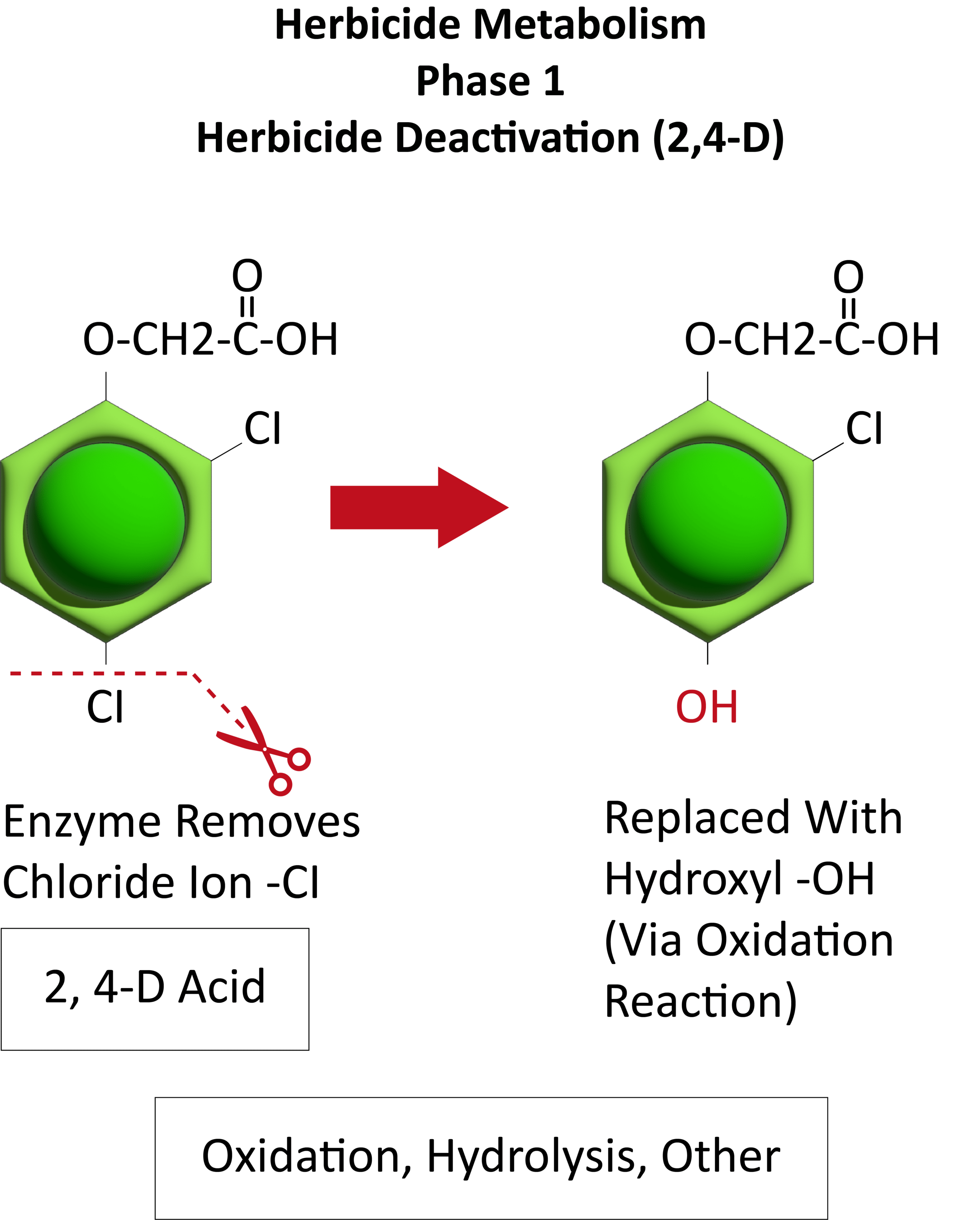
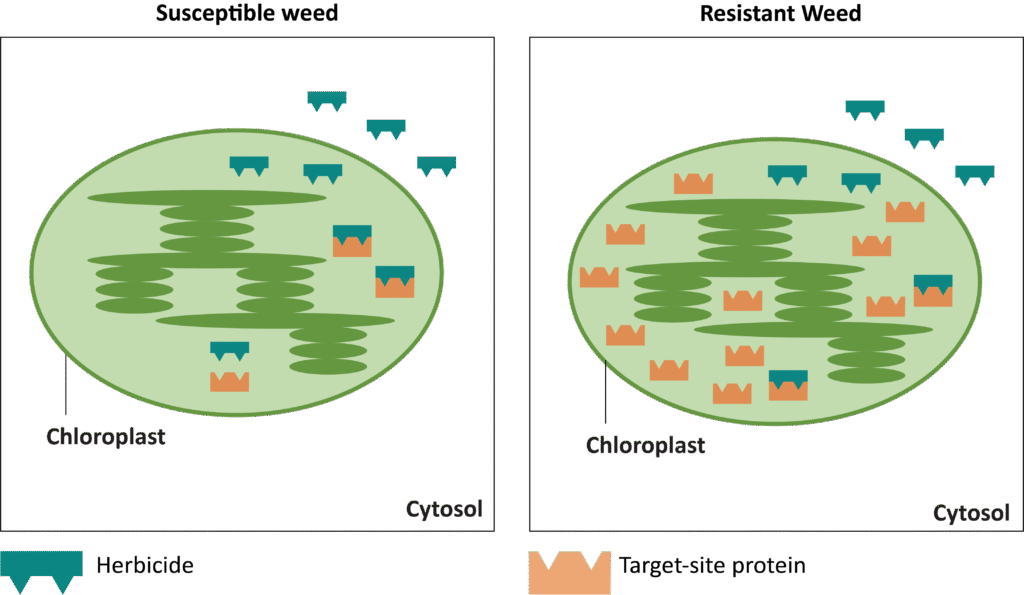
Further testing found both of those populations are resistant because of non-target-site herbicide resistance mutations. This dreaded type of herbicide resistance, sometimes called metabolic resistance, means that weeds rapidly de-toxify the herbicide, and can potentially even de-toxify other herbicide modes of action. With non-target-site herbicide resistance, rotating herbicide modes of action isn’t always guaranteed to combat resistance in weeds.
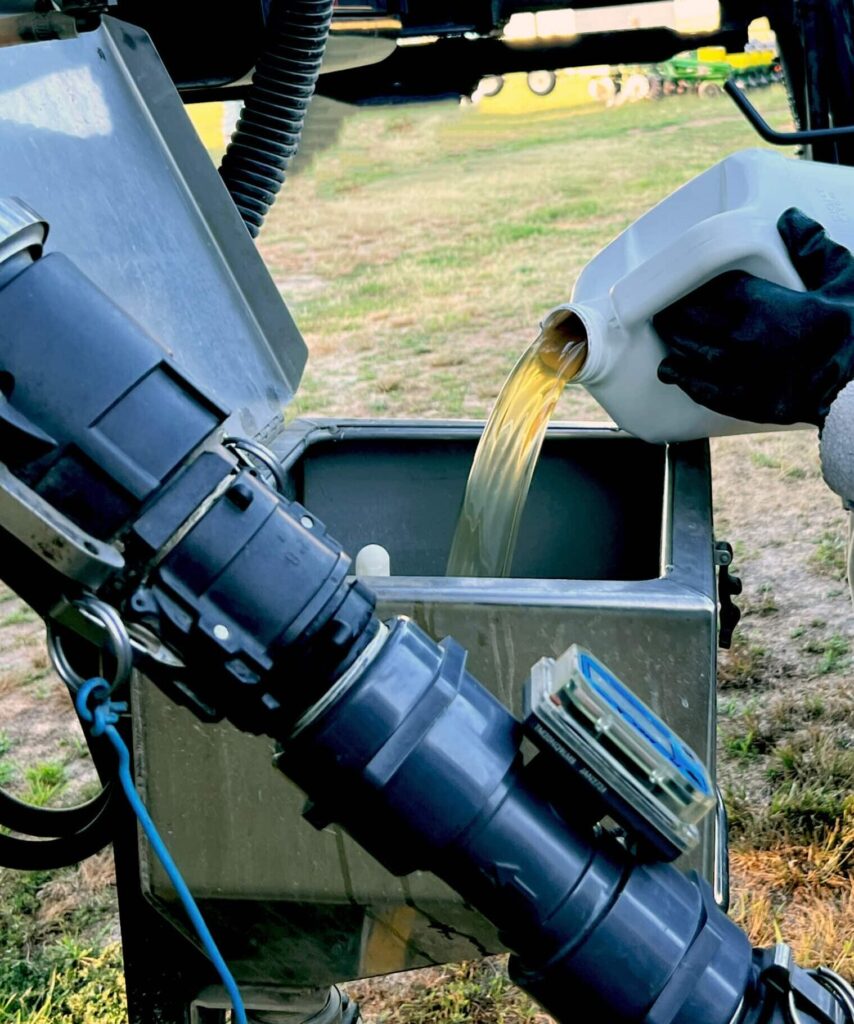
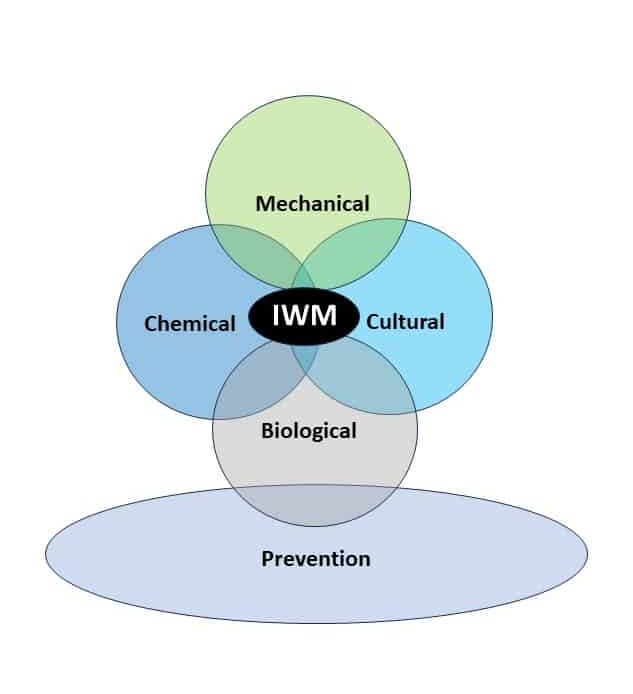
Thankfully, atrazine tank-mixed with mesotrione was able to control the atrazine-resistant populations in Besançon’s study. But Besançon warns that tank mixtures aren’t a long-term solution. Farmers must integrate multiple weed management tactics to stay ahead of and control herbicide-resistant weeds.
The Northeast’s diverse crop rotations could contribute to its growing Palmer amaranth problem, Besançon adds. Here, the line between agronomic row and specialty crops is blurred, which severely limits herbicide management since specialty crops have far fewer chemical options.
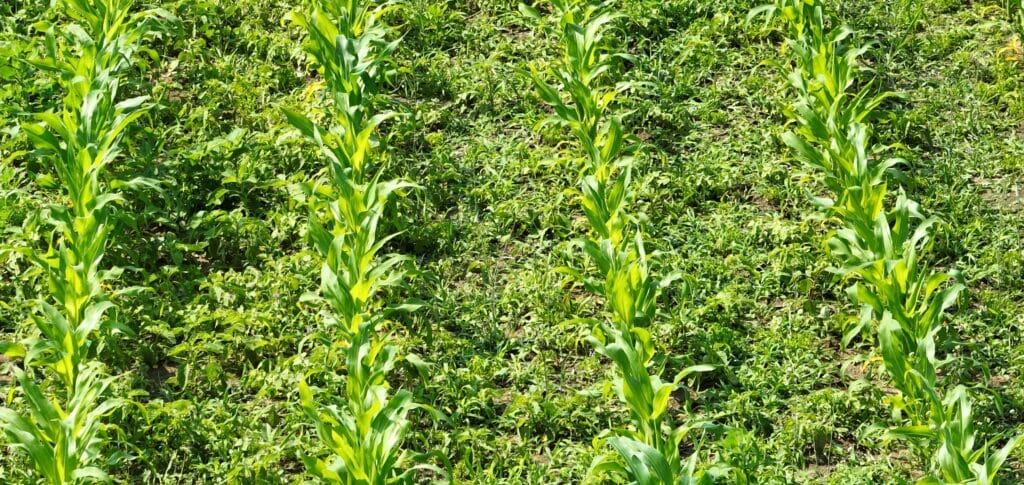
“In the Mid-Atlantic, it’s not uncommon to have a rotation of corn or soybean and then vegetable crops,” Besançon says. “That is putting a lot more pressure on the spectrum of herbicides that growers can use for preemergent control of Palmer amaranth.”
Using a residual preemergent herbicide can prevent Palmer amaranth from germinating when specialty crop farmers can’t get into the field, Besançon notes. But know that preemergent herbicide options are extremely limited in vegetable crops, and preemergent herbicide rates tend to be lower to limit veggie crop injury. Using herbicides such as dicamba in label-approved crops, such as asparagus, can control the weed in specialty crops with limited herbicide options, but farmers must mitigate dicamba drift injury to other nearby crops.
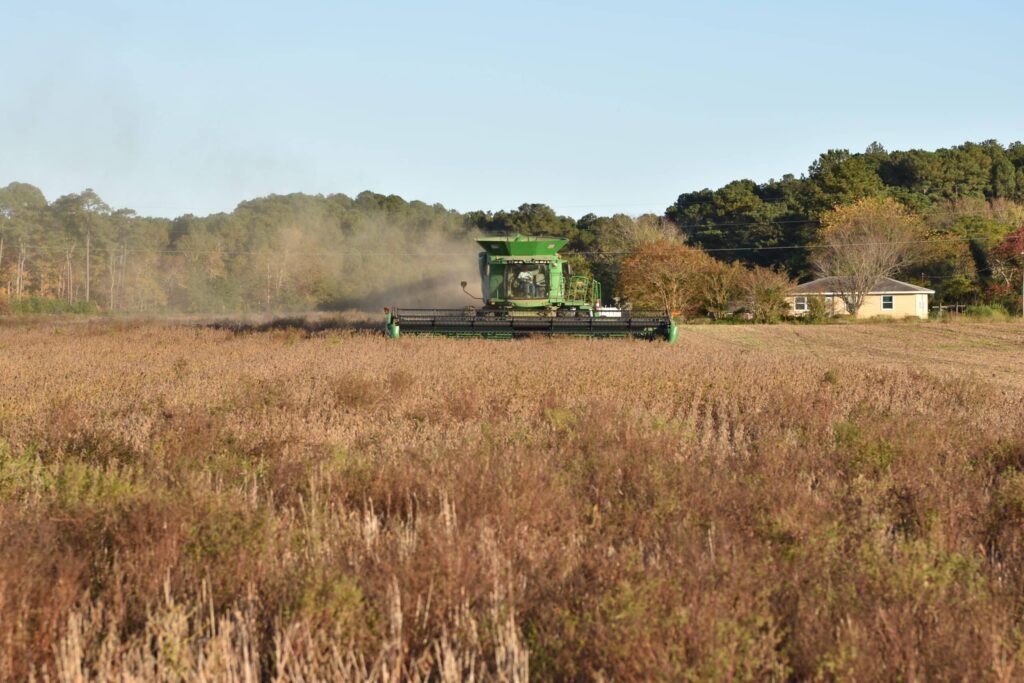
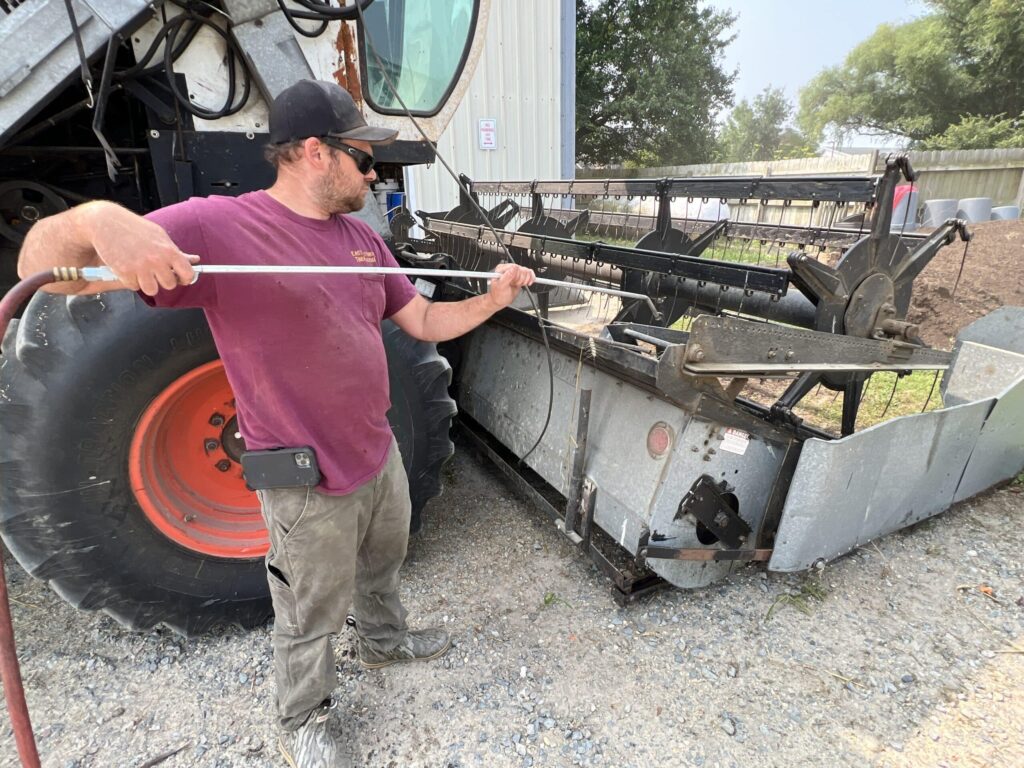
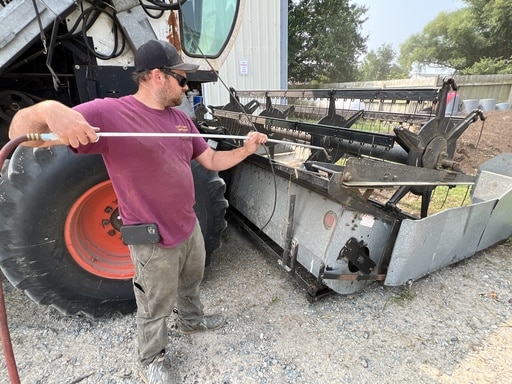
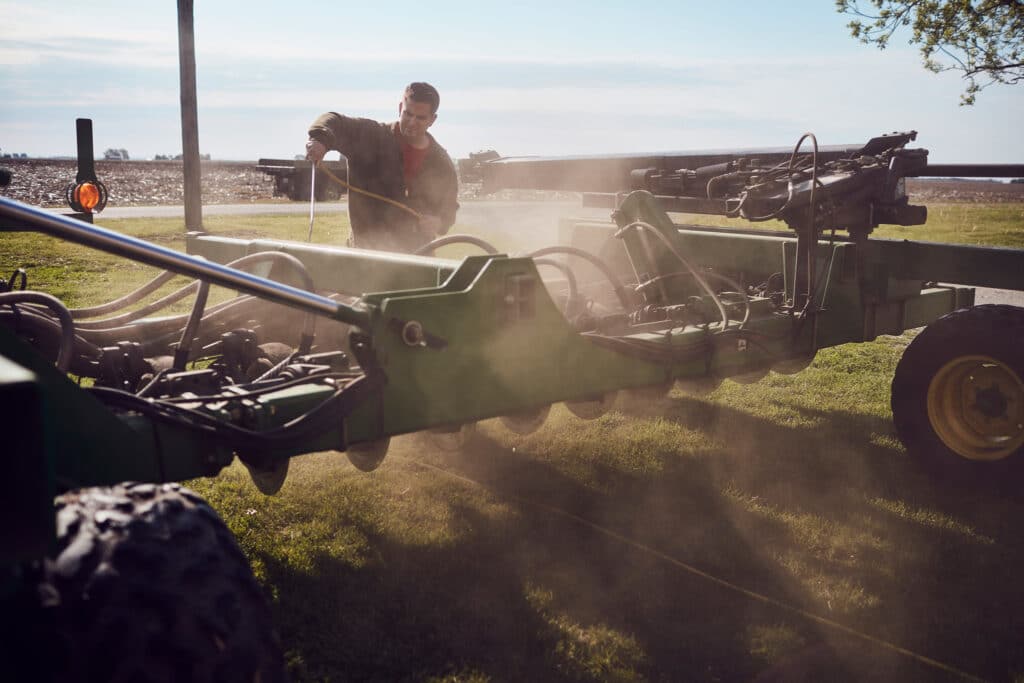
The path to control ultimately starts with field equipment, Besançon says. All field equipment should be cleaned to prevent spreading Palmer amaranth seeds. Besançon can even pinpoint where his research station’s Palmer amaranth problem started: a rented harvest combine that the team cleaned on-site. Palmer amaranth germinated in the spot where the combine was cleaned the next spring, and has since spread throughout the station.

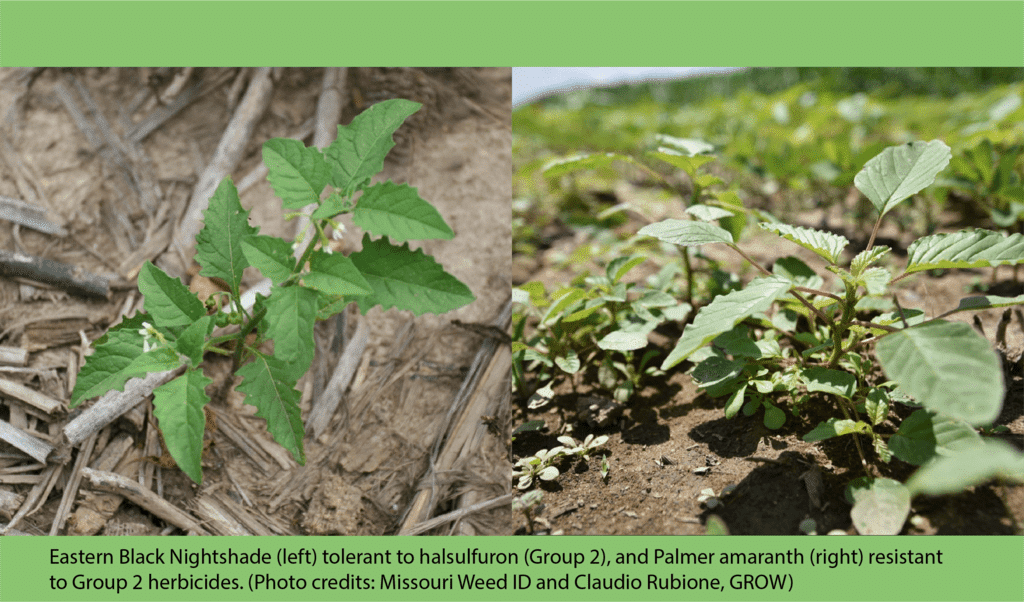
Weed identification is a core part of prevention, Besançon remarks. It’s much easier to kill Palmer just after germination rather than waiting until it takes over a field, but farmers must know what Palmer amaranth looks like to properly identify it. Besançon recommends farmers use this Cornell guide developed by weed scientist Dr. Lynn Sosnoskie for pigweed identification.
“If you see Palmer in your field, you cannot let it escape,” Besançon warns.
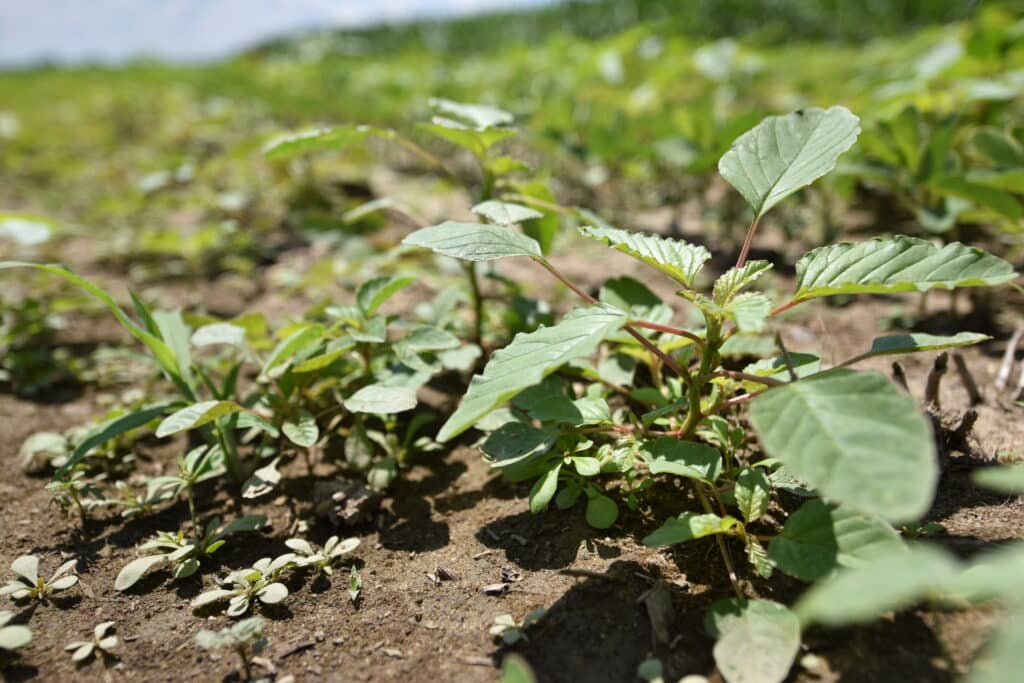
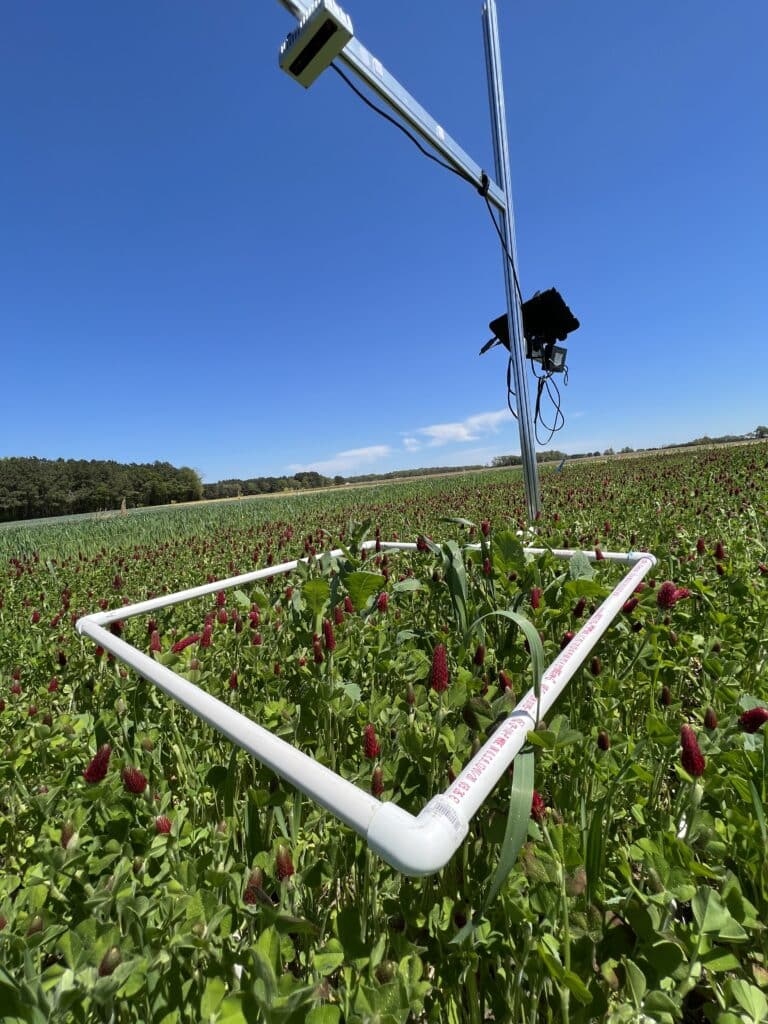
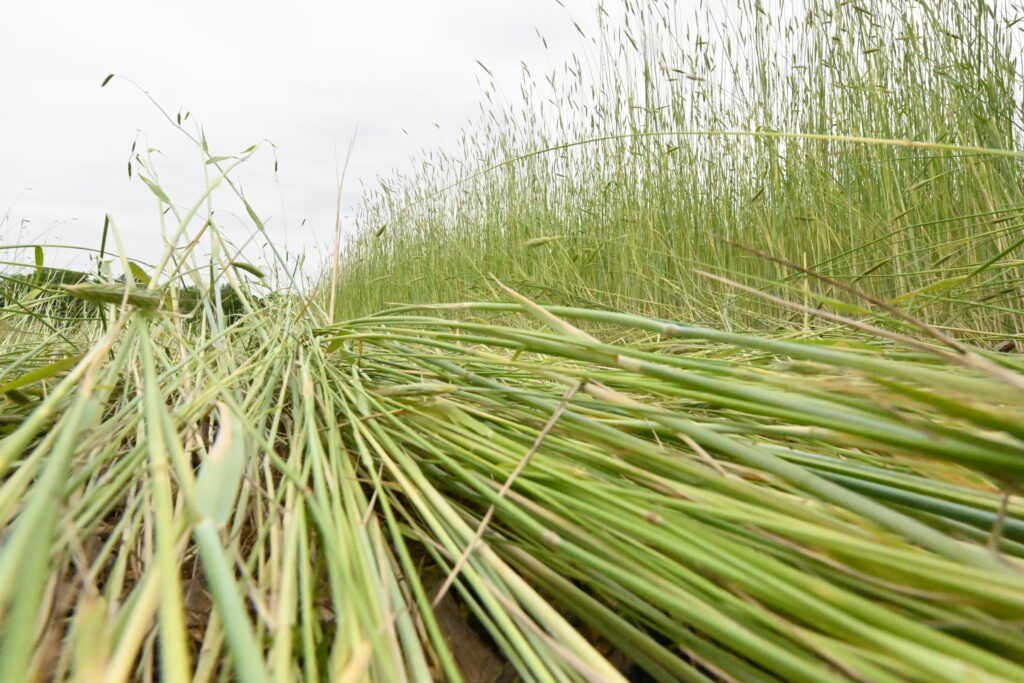
Cover crops are another weed suppression tactic that Northeast farmers can use to control Palmer amaranth and other weeds in the field. Farmers can even use cover crops in specialty crops with plasticulture to ward off weeds.
Besançon also emphasizes that communication between farmers, Extension personnel, states, and even IPM groups is critical to halting the spread of Palmer amaranth and warding off herbicide resistance. And states, land-grant universities, and researchers such as Adjesiwor and Besançon are already working towards this communication in the PNW and Northeast to stop Palmer amaranth in its tracks.
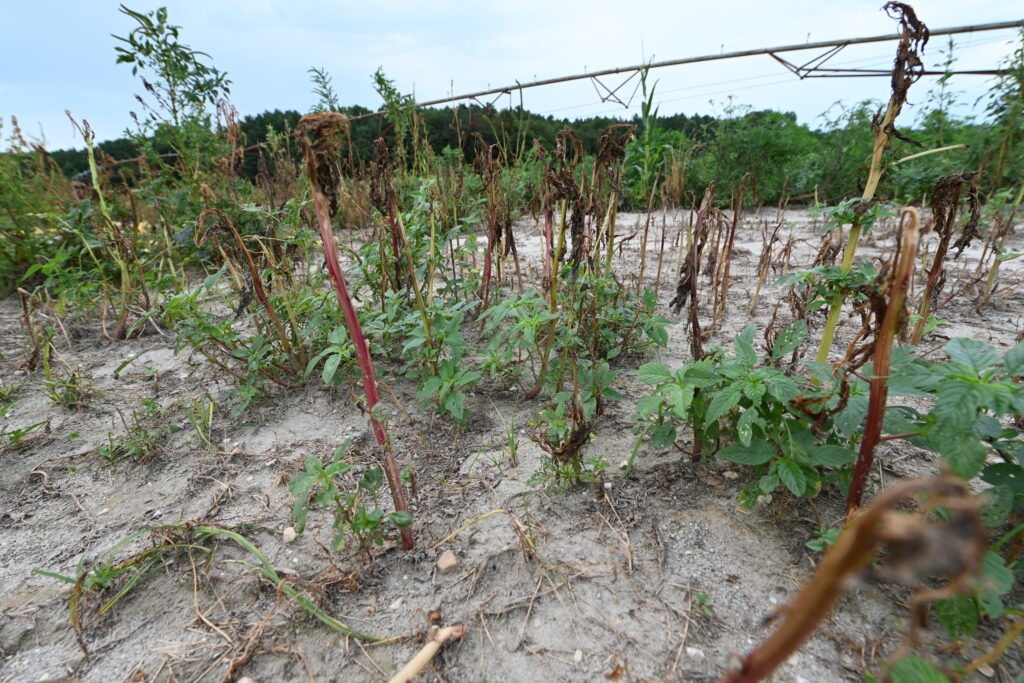
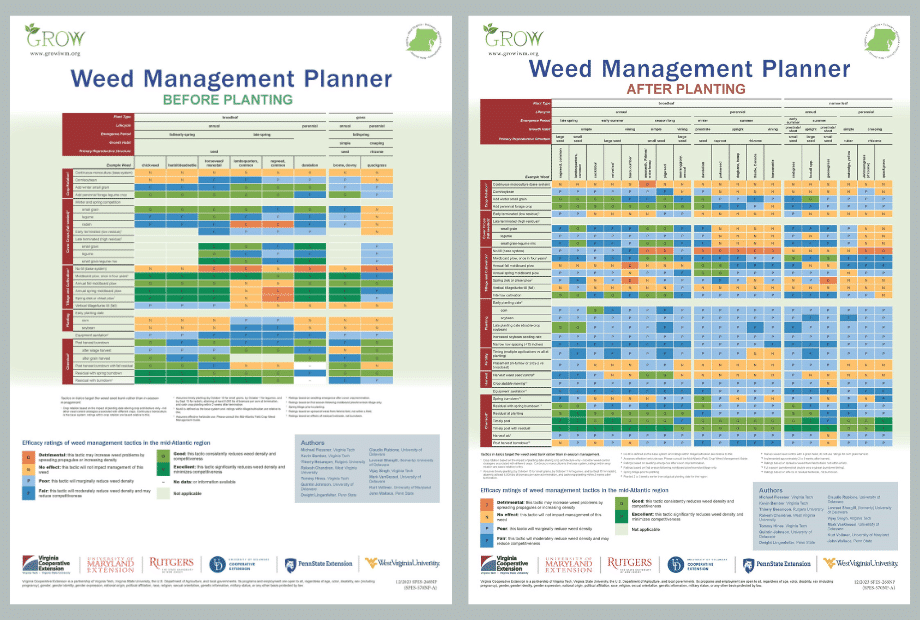
Explore GROW’s website for more information about Palmer amaranth, managing herbicide resistance with integrated weed management, and weed management tactics.
Article by Amy Sullivan, GROW; Header and feature photo by Claudio Rubione, GROW.